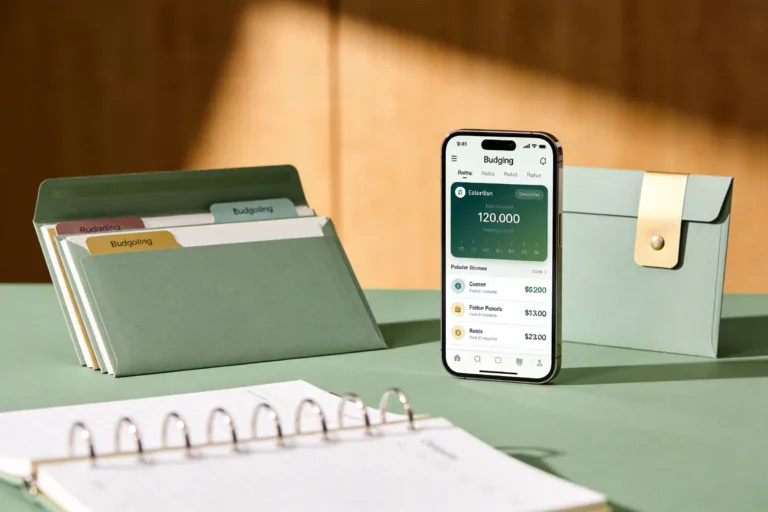

How to Create a Financial Vision Board That Actually Works
I’m not gonna pretend money is everyone’s favorite topic, but a visual roadmap helps. A financial vision board turns fuzzy goals into something you can actually look at and act on. It’s like a mood board for your money, but with fewer heartbreaks and more receipts.
What a financial vision board even is
Think of a vision board as a storyboard for your money. You pin images, words, numbers, and small reminders that signal the life you want to build. Every glance nudges you toward better choices, whether that means saving more, paying off debt, or investing for the future. FYI, this isn’t magic. It’s a daily prompt that buys you a few more seconds of self-discipline.
Set the vibe: define clear, personal goals

Before you start cutting, you need a north star. Ask yourself:
- What does financial freedom look like to me?
- Which monthly habit would make the biggest dent in my goals?
- What’s a realistic timeline for big wins (debt-free, emergency fund, home purchase, etc.)?
Write down 3–5 big goals and pair each with a concrete metric. More specificity = less vague Pinterest vibes and more actionable steps. For example: “Save $10,000 in 12 months” or “Pay off $5,000 in credit card debt by December.” Then translate each goal into a visual cue—an image, a number, a color. The board should feel like a roadmap you’d actually follow, not a dream poster that collects dust.
Gather your visuals: where to find them
Now the fun part: collecting images and phrases that spark action.
Sources that actually work
– Personal wins: photos of your ideal home, a vacation spot, or a symbol of debt freedom. If it’s too aspirational and not actionable, skip it.
– Numbers that matter: bold capitalized targets like “$10K Emergency Fund” or “2x 6-month expenses invested.”
– People you admire (in money, not necessarily influencers): a moment of celebration, a receipt-less receipt, anything that reminds you money should serve your life, not imprison it.
– Quotes that push you forward: short, punchy statements that you can read in a glance.
DIY visuals
Cut out magazine images, print photos, or create digital cards. Use colors that feel energizing. If green makes you think growth, bi nd your board with green accents. If debt feels heavy, use lighter tones to symbolize relief. The goal is to make it emotionally sticky.
Layout and structure: how to assemble it

You don’t need a fancy frame to start. A poster board, a corkboard, or a digital collage works. The key is readability and daily visibility.
- Place your most important goals at the top.
- Group related goals together (savings, debt payoff, income growth, investments).
- Include a quick “action section” with 3 prompts: “What I’ll do this week,” “What I’ll do this month,” and “What I’ll track.”
Make it dynamic
Leave space to update. Your life changes, and so should your board. Swap out numbers when you hit milestones, add new promises, and strike through what’s no longer relevant. A stagnant board feels like mission control waiting for a miracle.
Turn vision into a plan: the daily/weekly momentum
A board is a spark, not a notebook full of wishes. Convert the vision into tiny, repeatable actions.
- Daily habit: check your budget for 5 minutes after breakfast.
- Weekly sprint: automate transfers to savings or investments every Friday.
- Monthly milestone: review progress, adjust goals, and celebrate wins (even tiny ones).
Tools that help without overwhelming
– Budgeting apps with auto-categorization and reminders.
– Simple spreadsheets with a single sheet for goals and another for progress.
– A calendar block for goal deadlines and review dates.
Accountability without nagging
A vision board works best when you pair it with accountability in a friendly way.
- Share your board with one or two trusted friends or a partner who won’t heckle your progress.
- Set up a monthly check-in. If you miss a milestone, renegotiate instead of quitting.
- Celebrate progress—not perfection. A small treat for hitting a savings target keeps motivation high.
Common pitfalls (and how to dodge them)
– Too many goals: pick the 3–5 that actually move the needle. Focus beats frenzy.
– Vague numbers: convert wishes into measurable targets. “Be better with money” isn’t actionable; “Save $500 this month” is.
– Forehead-slapping neglect: if you can’t glance at it, you won’t act. Place the board where you’ll see it every day.
Make it personal and fun
This board should feel like you, not a sterile business plan. Inject humor, warmth, and a little irreverence if that’s your style.
- Use a color palette you enjoy. Brights for momentum, pastels for calm.
- Add a goofy icon or emoji for the daily prompts to make you smile.
- Incorporate quotes that actually resonate, not just Instagram-friendly noise.
From vision to reality: measuring impact
A board without metrics is just a poster. Tie your visuals to concrete outcomes so you can see progress.
- Track each goal with a simple metric: amount saved, debt reduced, or investments opened.
- Review progress every 2–4 weeks. If you’re ahead, celebrate; if you’re behind, adjust the plan, not the dream.
- Reflect on what’s working. If automatic transfers are the hero, reinforce that habit; if you keep forgetting, switch to a stronger reminder system.
FAQ
How big should a financial vision board be?
It should fit where you’ll see it daily. A standard poster or a digital collage that fits on a screen saver works well. You want visibility without overwhelming your space.
Do I need to involve a professional designer or can I DIY?
DIY works brilliantly. Use your phone or a computer, gather a few images, add bold captions, and keep it simple. If you love design, go ahead—just keep the focus on clarity and motivation, not perfect aesthetics.
How often should I update or tweak my board?
Update when you hit milestones, when goals shift, or when you gain new information. A quick monthly refresh keeps it relevant; a larger quarterly refresh can re-center you for the next season.
What if my goals feel scary or unachievable?
Start with chunked wins. Break big goals into tiny, doable steps. For example, rather than “save $10K this year,” aim for “save $250 this week.” Consistency compounds, and fear shrinks with progress.
Can a financial vision board help with debt payoff?
Absolutely. Use it to visualize the debt-free milestone and tie it to actionable steps like monthly payment targets and payoff dates. Seeing progress in real-time keeps momentum up.
Conclusion
A financial vision board is your personal cheat code for money discipline. It translates big dreams into tangible actions you can take today, not someday far in the future. FYI, consistency beats intensity—small, repeatable steps turn into real momentum. So grab some scissors, a screen, or a whiteboard, and start crafting a board that actually nudges you toward the life you want. Your future self will thank you.