
Simple Financial Planning Tips for Beginners
Money feels scary at first. One minute you’re proud you paid your credit card bill on time, and the next minute you’re wondering where your paycheck disappeared to. Been there, done that, bought coffee I didn’t budget for ☕.
If you’re new to managing money, relax. You don’t need an MBA, a fancy spreadsheet, or a finance bro yelling about crypto. You just need simple financial planning tips beginners can actually use without losing their sanity. Let’s talk like real humans.
Why Financial Planning Feels Hard (But Doesn’t Have to Be)
Most beginners don’t fail at money because they’re bad with numbers. They fail because no one explains money in plain English. Schools skip it, parents avoid it, and Google throws a million opinions at you. Overwhelming? Yep.
I remember thinking financial planning meant tracking every dollar forever. Spoiler: it doesn’t. Good financial planning feels boring and calm, not stressful and intense. Ever notice how the calm people always seem to have their money together?
So let’s simplify this.
Start With One Simple Goal (Not Ten)
Why goals matter more than spreadsheets
Before you budget a single dollar, ask yourself a simple question: what do I want my money to do for me? Not what Instagram says. Not what your friend flexes. What you want.
When I started, my only goal was “stop panicking before payday.” That goal changed everything.
Examples of beginner-friendly goals:
- Build a $1,000 emergency fund
- Pay off one credit card
- Save for a vacation without using debt
- Stop living paycheck to paycheck
Pick one goal only. IMO, multiple goals just confuse beginners. You’ll get there, just not all at once.
Understand Where Your Money Actually Goes
Awareness beats perfection every time
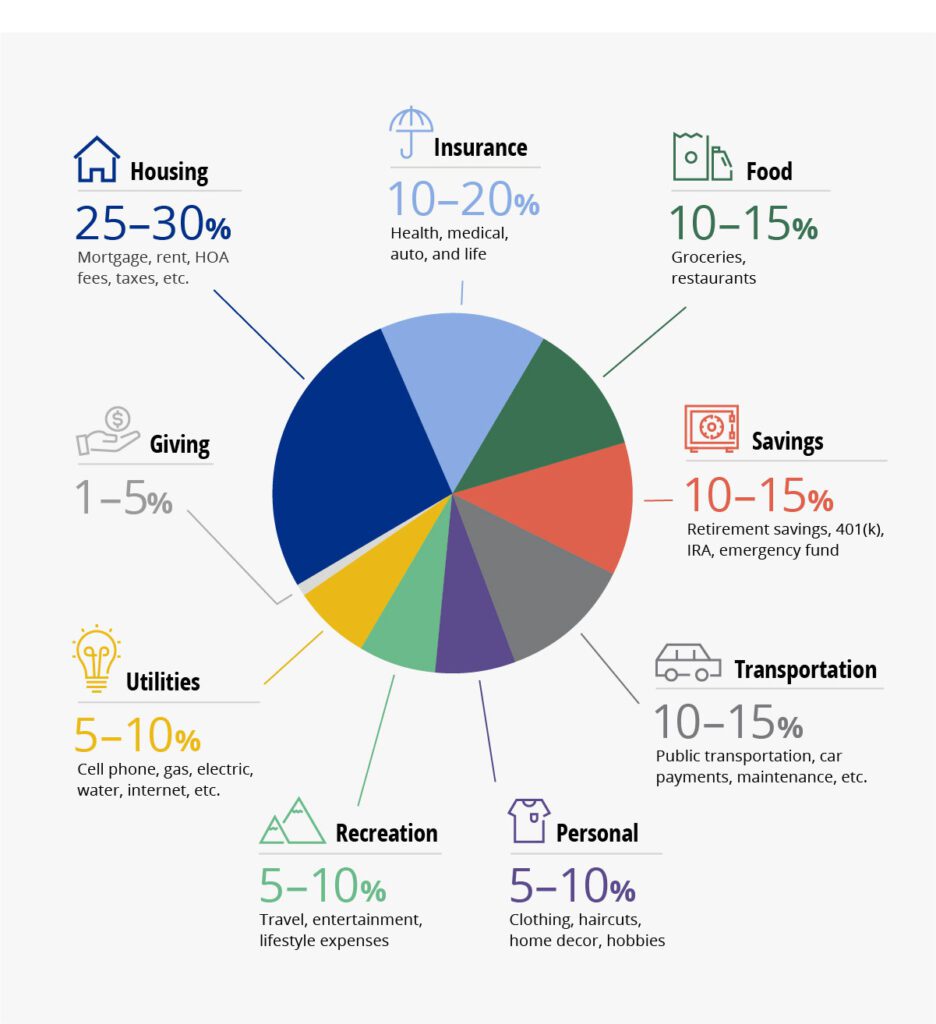
You don’t need to track expenses forever. You just need to track long enough to stop lying to yourself. Yes, I said it. I used to swear I barely ate out… until my bank app exposed me 😅.
Here’s how to do it without losing your mind:
- Review last month’s bank and credit card statements
- Group spending into categories (rent, food, fun, subscriptions)
- Notice patterns, not mistakes
Awareness creates control. You can’t plan money you refuse to look at. Ever wondered why small charges hurt the most?
Use a Beginner-Friendly Budget (Keep It Stupid Simple)
The 50/30/20 rule works for a reason
Budgeting scares people because they imagine spreadsheets from hell. Start simple. The 50/30/20 rule works perfectly for beginners.
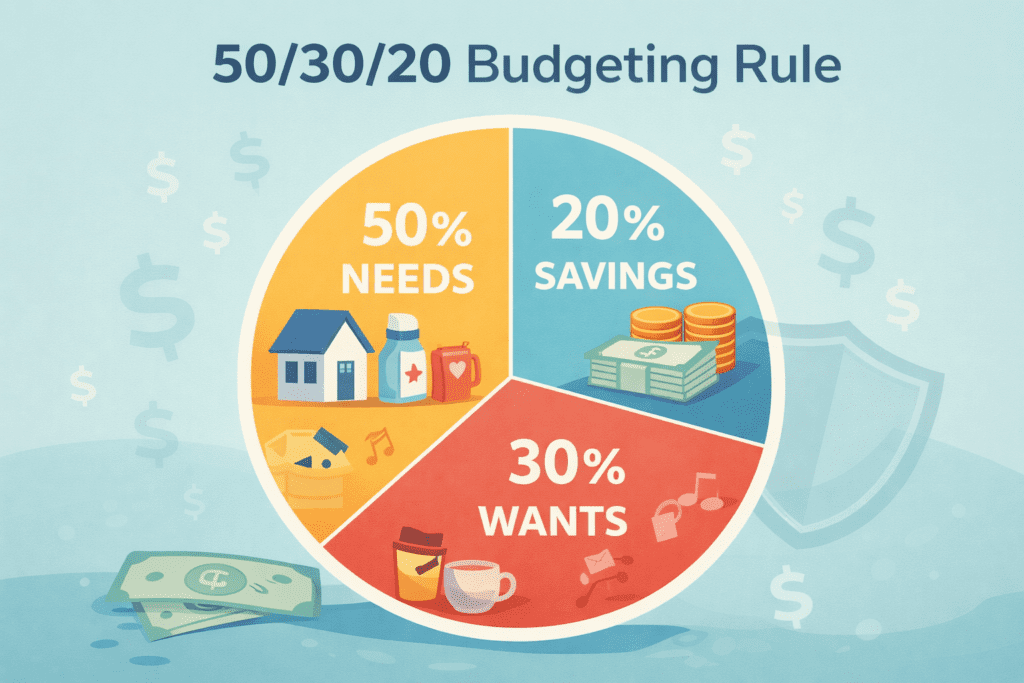
Here’s the breakdown:
- 50% Needs: rent, groceries, utilities, insurance
- 30% Wants: eating out, streaming, shopping
- 20% Savings: emergency fund, investing, debt payoff
If your numbers aren’t perfect, congrats—you’re normal. Budgets guide decisions, not punish you. FYI, adjusting is part of the process, not failure.
Build an Emergency Fund (Yes, Before Investing)
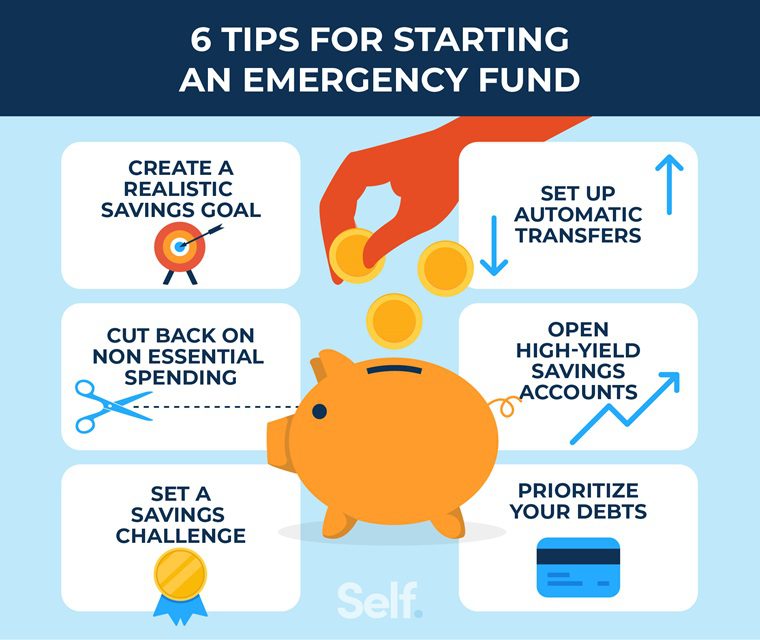
This is your financial stress shield
An emergency fund turns disasters into inconveniences. Without it, every flat tire feels like the end of the world. With it, you shrug and move on.
Start small:
- Aim for $500–$1,000 first
- Keep it in a separate savings account
- Use it only for real emergencies (not sales, not vibes)
I slept better the moment I built mine. Seriously. Peace of mind beats high returns every time.
Tackle Debt Without Hating Your Life
Pick a strategy you’ll actually stick to
Debt feels heavy because it lingers. But you don’t need to suffer to pay it off.

Two beginner-friendly methods:
- Debt Snowball: pay smallest balance first for quick wins
- Debt Avalanche: pay highest interest first to save money
I prefer snowball for beginners. Seeing balances disappear keeps motivation alive. Momentum matters more than math at first.
Start Investing Without Overthinking It
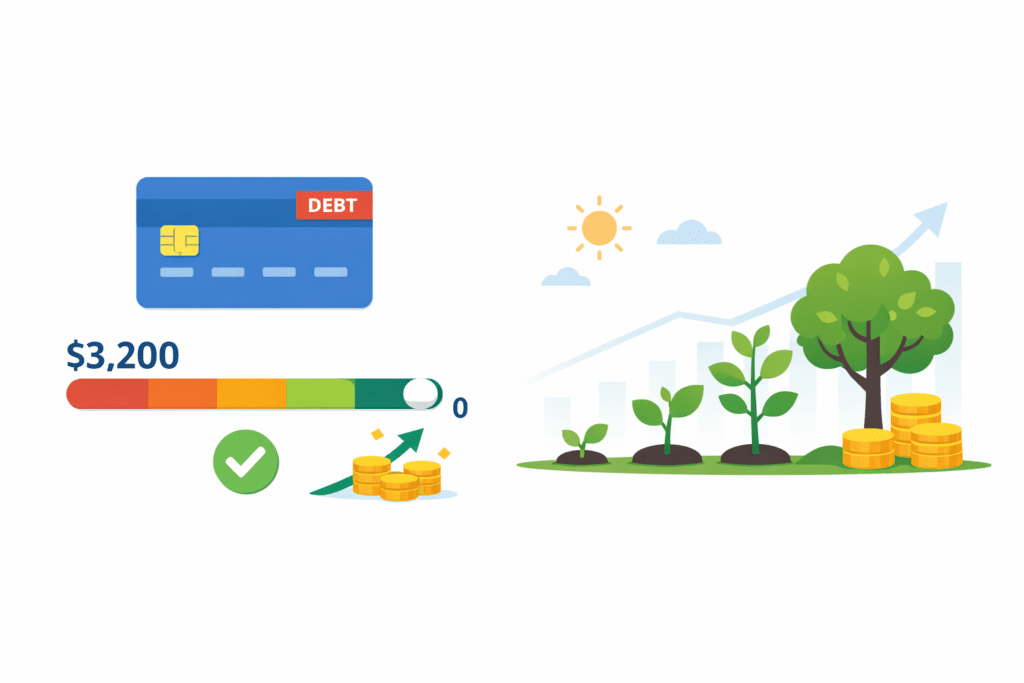
You don’t need to be an expert to start
Investing sounds scary until you realize it’s mostly about time, not intelligence. Beginners win by starting early, not by picking perfect stocks.
Simple investing rules:
- Start with low-cost index funds
- Invest consistently, even small amounts
- Ignore daily market drama
I started with tiny contributions. Guess what? They grew. Consistency beats brilliance, every single time.
Automate Everything You Can

Willpower is overrated
If you rely on motivation, money planning will fail. Automation removes emotions from the equation.
What to automate:
- Savings transfers
- Investment contributions
- Bill payments
Once I automated my finances, my stress dropped instantly. Set it once, live your life. Sounds nice, right?
Learn Just Enough (Not Everything)
Information overload kills progress
You don’t need to read every finance book or watch every YouTube guru. Learn what applies to your current stage and ignore the rest.
Focus on:
- Budgeting basics
- Emergency savings
- Debt management
- Beginner investing
That’s it. Advanced strategies can wait. Progress loves simplicity.
Mistakes Beginners Make (So You Don’t Repeat Mine)
Let’s save you some pain. Here’s what trips most beginners:
- Waiting for the “perfect time” to start
- Comparing finances with friends
- Being too strict and burning out
- Ignoring small expenses
Money planning works best when it feels flexible. Ever notice how extremes never last?
Make Financial Planning Part of Your Life (Not Your Identity)
Balance matters more than numbers
Financial planning should support your life, not control it. Spend money on things you love. Cut ruthlessly on things you don’t care about.
I happily budget for coffee but skip impulse shopping. That balance keeps me consistent. Enjoyment keeps habits alive.
Simple Financial Planning Tips Beginners Should Remember
Let’s recap the essentials:
- Start with one clear goal
- Track spending for awareness, not guilt
- Use a simple budget
- Build an emergency fund first
- Pay down debt with momentum
- Invest early and consistently
- Automate to remove stress
None of this requires perfection. It requires action.
Final Thoughts: Just Start, Seriously
Financial planning isn’t about becoming rich overnight. It’s about feeling calm when bills hit and confident about the future. Small steps create massive changes over time.
If you take one thing from this guide, let it be this: starting messy beats waiting forever. Open your bank app, pick one goal, and take the first step today. Your future self will absolutely thank you 🙂