
Financial Planning Mistakes to Avoid If You Want Long-Term Stability
Financial planning can feel like trying to assemble IKEA furniture without instructions—frustrating, confusing, and likely to leave you with something wobbly. Beginners often make the same mistakes, not because they’re bad with money, but because no one taught them the right moves. Let’s fix that.
1. Not Having a Budget (Because “Winging It” Is a Terrible Plan)
You wouldn’t drive cross-country without a map, so why handle your money without a budget? Yet, so many beginners skip this step, assuming they can just “keep track in their head.” Spoiler: You can’t.
Here’s what happens without a budget:
- You overspend on takeout because “it’s just $20” (repeat 15x a month).
- You forget about annual bills like car registration until they hit like a financial gut punch.
- Your savings account stays emptier than a gas station coffee pot.
How to Fix It
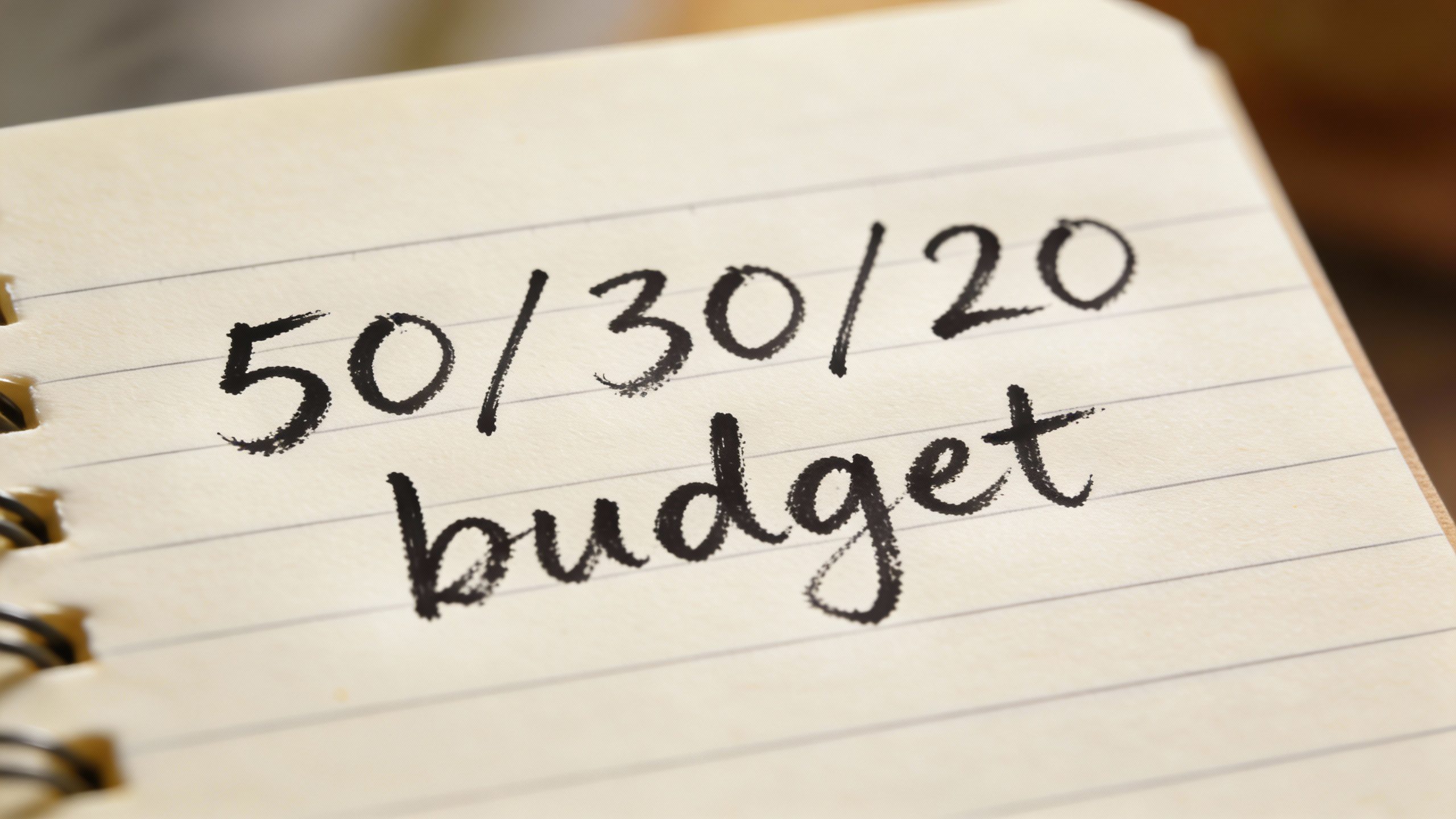
Try the 50/30/20 rule as a starter template:
- 50% for needs (rent, groceries, bills)
- 30% for wants (Netflix, sushi, that cute plant you’ll kill in a month)
- 20% for savings/debt (future you will high-five present you)
2. Ignoring Emergency Funds (Until the Universe Laughs at You)

Emergency funds are like seatbelts—boring until you need them desperately. Beginners often think, “I’ll save later,” but life loves surprises. A flat tire, a medical bill, or a sudden job loss can turn your finances into a dumpster fire.
The Bare Minimum
Aim for $1,000 as a starter emergency fund. Once that’s locked in, build toward 3–6 months of expenses. Pro tip: Keep this cash in a high-yield savings account—not under your mattress or in crypto.
3. Treating Credit Cards Like Free Money

Credit cards are tools, not magic wands. Beginners often fall into two traps:
- Maxing them out (“I’ll pay it off eventually…”)
- Avoiding them entirely (missing out on credit score boosts)
Both are bad. The sweet spot? Use cards for regular expenses, pay the balance in full every month, and reap rewards without interest. FYI, carrying a balance is like paying a 20% tax for no reason.
4. Investing Without a Clue (Or Worse, Following TikTok Advice)

“Just buy this hot stock!”—famous last words. Beginners often dive into investing without understanding basics like diversification, risk tolerance, or *what an index fund even is*.
What Not to Do
- Put all your money into meme stocks (looking at you, AMC bagholders).
- Panic-sell when the market dips (it always dips).
- Assume you’ll get rich overnight (unless you’re also buying lottery tickets).
Start simple: Low-cost index funds or ETFs are your friends. Automate contributions and ignore the noise.
5. Forgetting About Taxes (Because the IRS Won’t)
Nothing screams “beginner mistake” like getting blindsided by a tax bill. If you freelance, earn side income, or even just have a regular job, taxes matter.
Quick Tax Tips
- Set aside 20–30% of side hustle income for taxes.
- Max out tax-advantaged accounts like IRAs or 401(k)s.
- Use tools like TurboTax or hire a pro if your situation’s messy.
6. Lifestyle Inflation: The Silent Budget Killer
Got a raise? Congrats! Now *don’t* spend it all. Lifestyle inflation—upgrading your spending every time you earn more—keeps people broke no matter their salary.
Example: You make $50K and live paycheck to paycheck. You get a raise to $70K… and still live paycheck to paycheck. Oops.
How to Avoid It
When your income jumps, automate half the increase into savings or investments before lifestyle creep eats it. Future you will throw a party in your honor.
7. Not Asking for Help (Because Google Isn’t Always Enough)
Pride costs money. Beginners often avoid asking for help, whether it’s negotiating salary, understanding investments, or finding a financial advisor.
Free resources exist:
- Books (*The Simple Path to Wealth*, *Broke Millennial*).
- Podcasts (*ChooseFI*, *The Money Guy Show*).
- Reddit forums (r/personalfinance, but take advice with grain of salt).
FAQs
How much should I save each month?
Aim for 20% of your income, but start with whatever you can. Even $50/month is better than $0.
Is it bad to have multiple credit cards?
Nope! More cards can boost your credit score—*if* you pay them on time and keep utilization low.
When should I start investing?
Yesterday. But today works too. Even small amounts grow over time thanks to compound interest.
Do I really need a financial advisor?
If your situation’s simple, maybe not. But if you’re drowning in debt or managing a windfall, it’s worth the fee.
What’s the biggest mistake beginners make?
Waiting to start. Perfect plans don’t exist—just begin, adjust as you go, and stop overthinking it.
Wrap-Up: Mistakes Happen—Just Don’t Repeat Them
Financial planning isn’t about perfection; it’s about progress. You’ll mess up (we all do), but now you know the common traps. Budget, save, invest wisely, and for the love of money, *stop ignoring your emergency fund*. Your future self will thank you—probably with a margarita. 🍹