

The Lazy-Smart Guide to Financial Planning for Busy People
You’re busy. I’m busy. We’re all drowning in to-do lists, and the last thing you want is another complicated system to manage. But here’s the thing: ignoring your finances won’t make them magically improve (trust me, I’ve tried). The good news? You don’t need a 50-step spreadsheet or a finance degree to get your money in order. Here’s a dead-simple system for busy people who just want results without the hassle.
1. The 60-Second Money Check-In
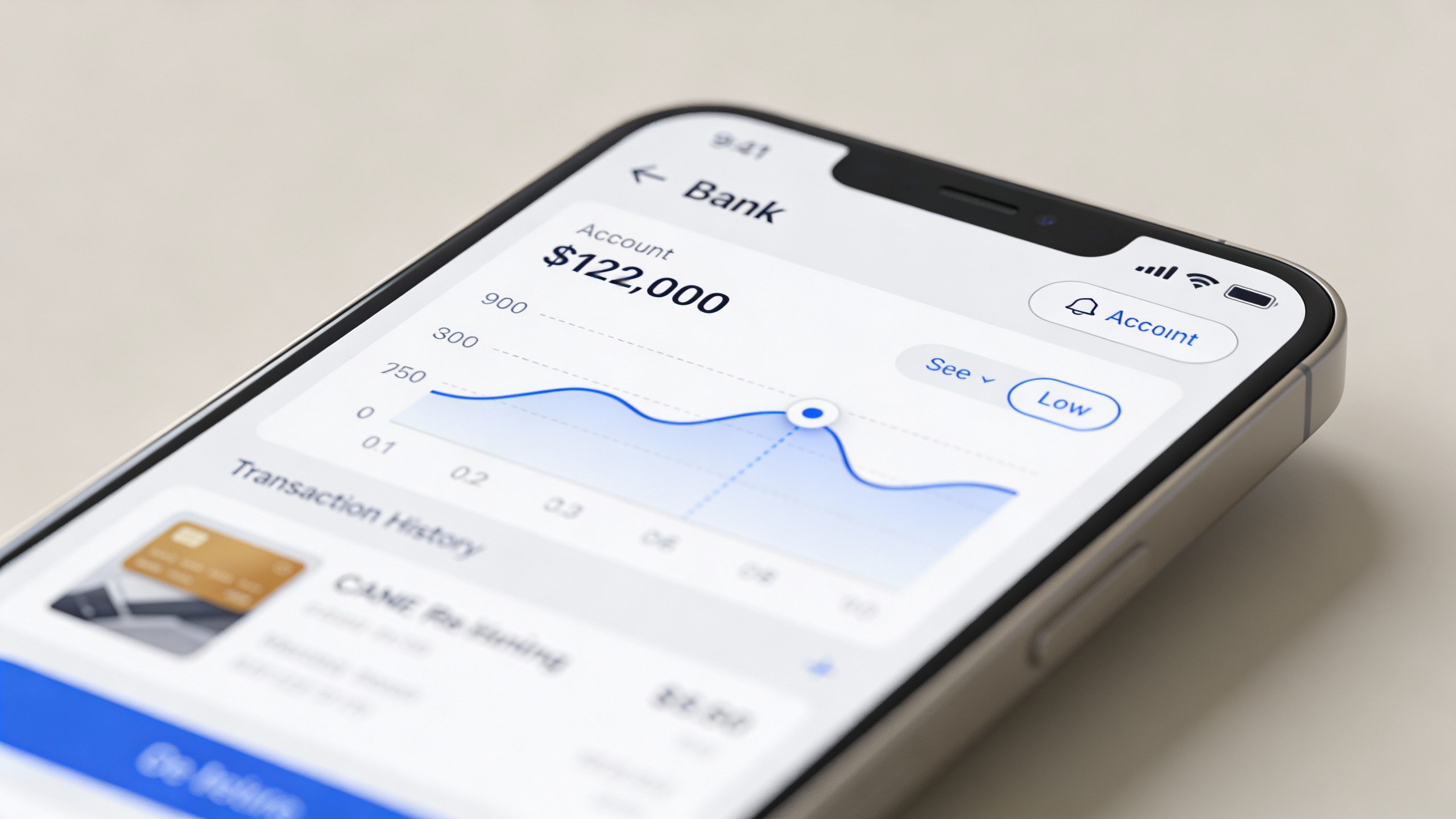
Yes, you have time for this. Every morning (or whenever you remember), spend 60 seconds glancing at your finances. Open your banking app, check your balance, and scan recent transactions. No deep analysis—just awareness.
Why this works: Most financial stress comes from *not knowing*. A quick peek removes the mystery and helps you catch fraud or dumb subscriptions (looking at you, “premium cat meme” service).
Pro Tip: Automate the Boring Stuff
Set up alerts for:
- Low balances
- Large transactions
- Bill due dates
Your future self will thank you when you avoid overdraft fees.
2. The “Pay Yourself First” Hack

Forget budgeting like it’s 1999. Instead, automate savings *before* your paycheck even hits your spending account. Here’s how:
- Set up a direct deposit split (ask HR or do it in your bank app).
- Send 10-20% to savings/investments *first*.
- Live on the rest guilt-free.
FYI: This works because humans are lazy. If the money never touches your checking account, you won’t miss it.
3. The 3-Bucket Spending Plan

Budgeting apps give me hives. Instead, try this:
- Needs (50-60%): Rent, groceries, bills—the non-negotiables.
- Wants (20-30%): Fun stuff like takeout, Netflix, that impulse buy at Target.
- Future You (10-20%): Savings, investments, debt payments.
No tracking every coffee. Just eyeball it. If “Wants” creeps past 30%, maybe skip the third latte this week.
When to Ignore This Rule
If you’re drowning in high-interest debt, flip the script: throw everything at the debt first (future you will throw a party).
4. The “Set It and Forget It” Debt Strategy

Debt sucks, but overcomplicating repayment sucks more. Pick one method and stick to it:
- Avalanche: Pay highest-interest debt first (math wins).
- Snowball: Pay smallest balances first (psychology wins).
IMO: Snowball works better for most people because quick wins keep you motivated. But if you’re a spreadsheet nerd, avalanche saves more money long-term.
5. The “Oh Crap” Fund
Emergency funds aren’t sexy, but neither is begging your cousin for rent money. Start with $1,000, then build to 3-6 months of expenses.
Where to stash it: A boring, separate savings account. Not your checking account (too tempting), not the stock market (too volatile).
6. The 1-Hour Yearly Tune-Up
Once a year, block an hour to:
- Check insurance policies (are you overpaying?).
- Update retirement contributions (aim to increase by 1% yearly).
- Cancel unused subscriptions (seriously, why do you still have HBO Max?).
FAQ: Because You Probably Have Questions
What if I don’t have 10% to save?
Start with 1%. Or $20. Or spare change. The amount doesn’t matter—the habit does. Increase it over time.
How do I stop impulse spending?
Implement a 24-hour rule: wait a day before buying non-essentials. Most urges pass. For online shopping, delete saved payment methods. Friction = fewer regrets.
Should I invest while paying off debt?
If your debt’s interest rate is under ~6%, split focus. If it’s credit cards (20%+), crush the debt first—no investment reliably beats that rate.
What’s the easiest way to track net worth?
Use a free tool like Mint or Personal Capital. Link accounts, ignore it for months, then check progress. Low effort, high reward.
How do I stay motivated?
Celebrate tiny wins. Paid off a credit card? Do a dance. Saved $500? Treat yourself (within reason). Money shouldn’t feel like punishment.
Wrapping Up: Just Start
Financial planning isn’t about perfection—it’s about progress. Pick one tip from this list, try it for a month, and see what sticks. You’ll mess up. That’s fine. The only wrong move? Doing nothing. Now go forth and adult (lightly).