
How to Start Financial Planning for Beginners This Year
Let’s be real—adulting is hard, and nothing makes you feel more like a lost puppy than staring at your bank account wondering where all your money went. Financial planning sounds like something only your dad or a guy in a suit cares about, but trust me, even a little effort now saves you from future panic attacks over rent. So, let’s break this down without the jargon or judgment.
Start with the Basics: Know Where Your Money Goes
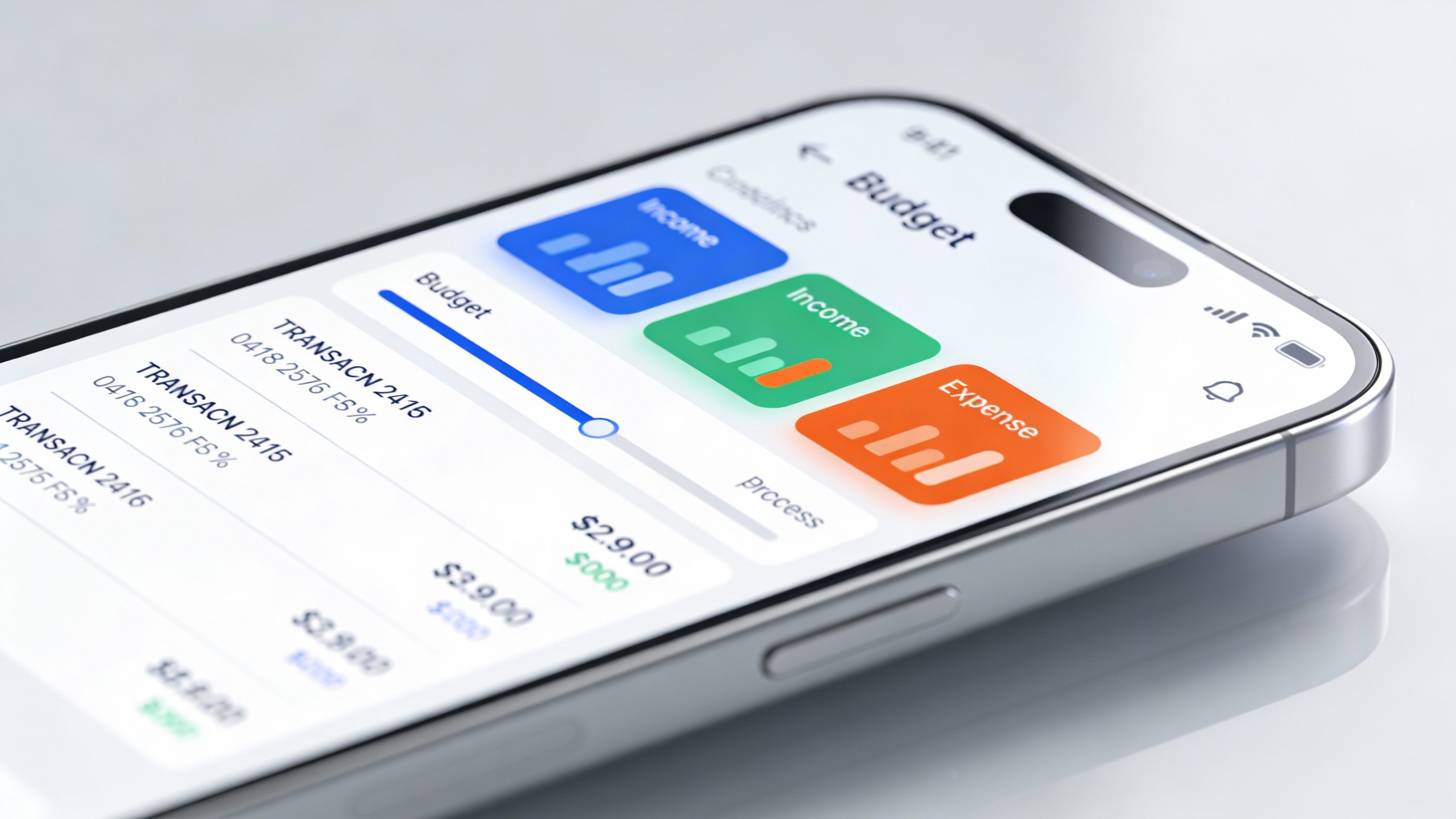
Before you can plan, you need to know what you’re working with. And no, “I think I spend around $200 on coffee?” doesn’t count. Track your spending for a month—yes, even that late-night DoorDash order.
- Use an app or spreadsheet: Mint, YNAB (You Need A Budget), or even a Notes app works. No fancy tools needed.
- Categorize expenses: Fixed (rent, bills) vs. variable (shopping, takeout). The latter is where most leaks happen.
- Spot the WTF purchases: That $40 “emergency” candle? Yeah, future you hates current you.
The 50/30/20 Rule (But Flexible AF)
The classic rule: 50% needs, 30% wants, 20% savings/debt. But if rent eats 60% of your paycheck? Adjust. The point is balance, not perfection.
Build an Emergency Fund Before Anything Else

You know what’s worse than adulting? Adulting when your car breaks down and your bank account screams “LOL NOPE.” Start an emergency fund—today.
- Aim for $1,000 first: Baby steps. Even $20/week adds up.
- Then 3-6 months of expenses: Slow and steady wins. Park this in a high-yield savings account (HYSA) so it grows a little while sitting there.
- No, crypto doesn’t count: Emergency funds need to be liquid, not volatile. Sorry, Bitcoin bros.
Debt: Stop Digging the Hole Deeper

Debt feels like quicksand—the more you struggle, the deeper you sink. But ignoring it won’t make it disappear (unless you’re into wishful thinking).
The Avalanche vs. Snowball Method
- Avalanche: Pay off high-interest debt first (looking at you, credit cards). Saves the most money long-term.
- Snowball: Pay off smallest balances first for quick wins. Better for motivation.
Pick what works for your brain. IMO, just pick one and start.
Investing Isn’t Just for Rich People

“But I only have $50!” Cool. That’s $50 more than nothing. Investing early = free money thanks to compound interest (aka magic).
- Start with retirement accounts: If your job offers a 401(k) match, contribute enough to get the free money. Otherwise, open a Roth IRA.
- Index funds are your BFF: Low-cost, diversified, and boring—perfect for beginners.
- Ignore stock-picking “gurus”: Unless you enjoy gambling, stick to the slow-and-steady approach.
Robo-Advisors: Lazy Investor Hack
Apps like Betterment or Wealthfront handle the work for you. Set it, forget it, and let robots do the heavy lifting.
Insurance: The Adulting Safety Net
Nobody likes paying for insurance until they need it. Here’s the bare minimum:
- Health insurance: Non-negotiable. Medical debt is a nightmare.
- Renter’s insurance: $15/month to replace your stuff if your apartment floods? Worth it.
- Term life insurance: Only if someone depends on your income (e.g., kids, spouse).
FAQs: Quick Answers to Dumb Questions (That Aren’t Actually Dumb)
How much should I save each month?
Aim for 20% of your income, but start wherever you can. $5 > $0. Adjust as you earn more.
Do I really need a budget?
Only if you enjoy not being broke. Budgets sound rigid, but they’re just spending plans with extra steps.
What if I have no money left after bills?
First, cut non-essentials (sorry, avocado toast). Second, look for side hustles or higher-paying gigs. Survival mode isn’t forever.
When should I start investing?
Yesterday. But today’s the next best time. Even $20/month in an index fund is a start.
Credit cards: Evil or useful?
Useful if you pay them off every month. Otherwise, they’re debt traps with fancy points.
How do I stay motivated?
Celebrate small wins. Paid off a $100 debt? Treat yourself (within reason). Progress > perfection.
Wrap-Up: Just Start Already
Financial planning isn’t about being perfect—it’s about being less stressed tomorrow than you are today. Start small, stay consistent, and forgive yourself for the slip-ups. Your future self will high-five you. Now go check your bank account. (Yes, right now.)