
Financial Anxiety Mindset: Why You Feel Stressed About Money
Money anxiety hits hard—your brain spirals into “what ifs,” your bank account feels like a horror movie, and suddenly, every coffee purchase feels like a crime. But here’s the good news: your mindset can flip the script. Let’s ditch the financial panic and build habits that make money feel less like a monster and more like a tool.
1. Stop Treating Money Like a Mystery

Most of us grew up thinking money is some cryptic adulting test we’re doomed to fail. Spoiler: it’s not. The first step to reducing anxiety? Demystify it. Money is just a resource, not a measure of your worth.
How to Break the “Money = Stress” Cycle
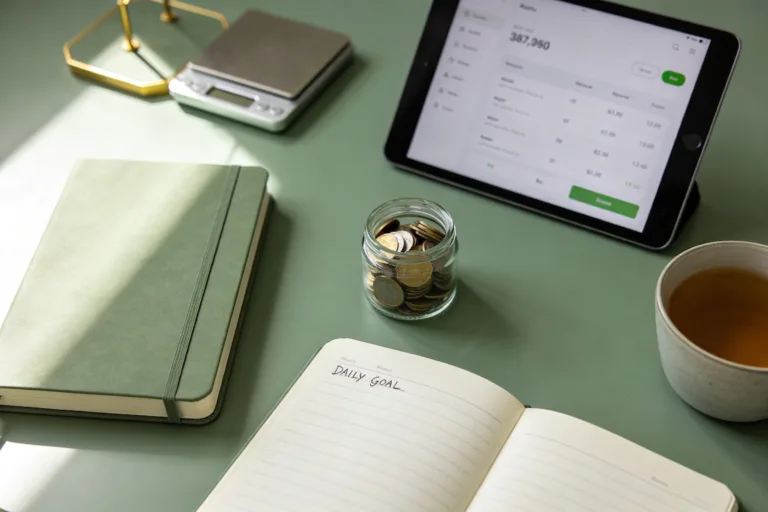
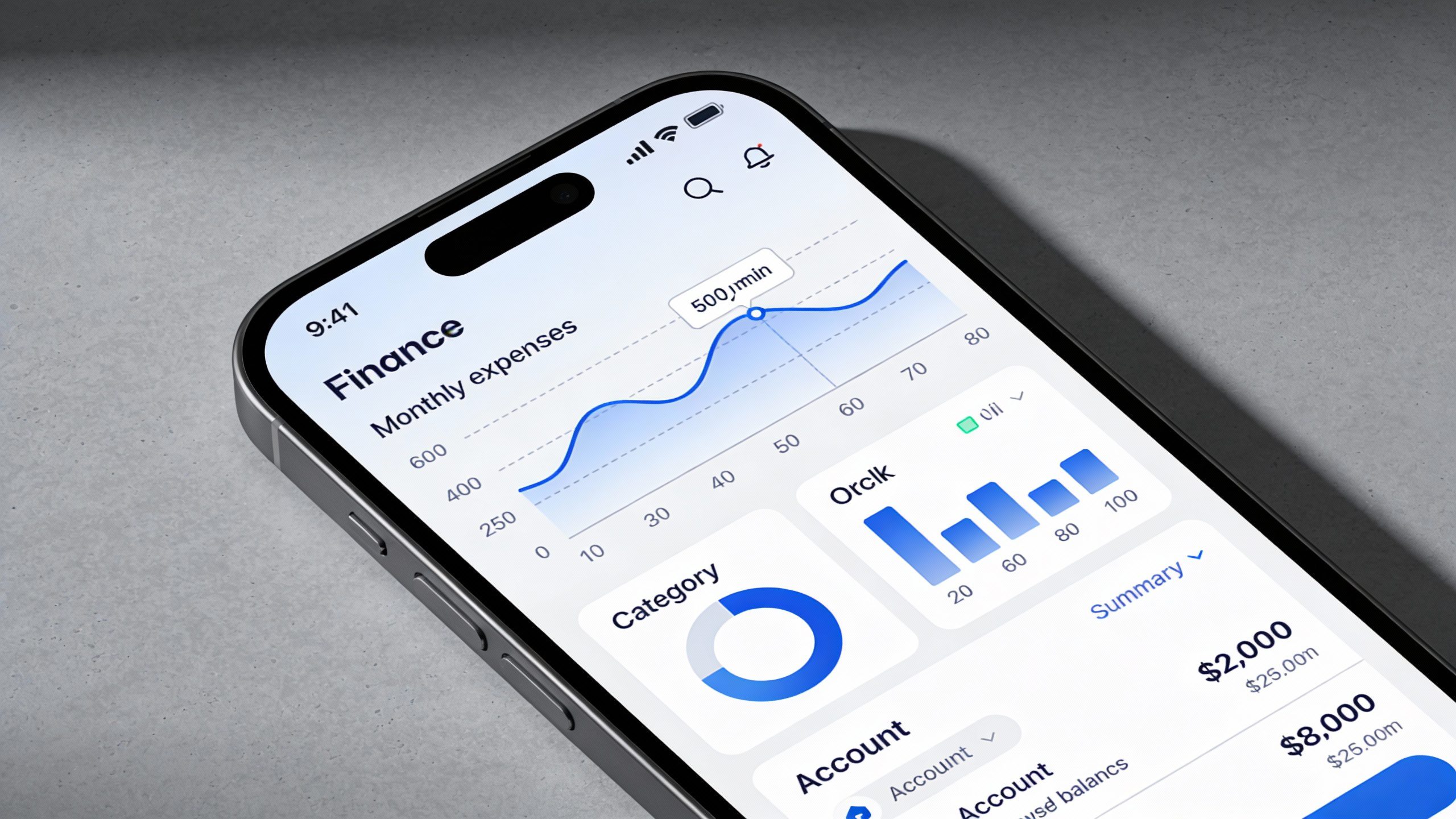
- Track your spending (without judgment). Apps like Mint or YNAB help, but even a sticky note works. The goal? Awareness, not guilt.
- Learn basic terms. “APR,” “compound interest”—Google them. You’ll feel 10% smarter instantly.
- Talk about money. Normalize conversations with friends. FYI, everyone’s secretly stressed about it too.
2. Embrace the “Enough” Mindset
Social media bombards us with “hustle harder” and “get rich quick” nonsense. But constantly chasing more fuels anxiety. Instead, ask: What’s *enough* for me?
Maybe it’s covering bills + saving $200/month. Maybe it’s affording travel without debt. Define your version of financial stability—not someone else’s. Comparison is the thief of joy (and sleep).
3. Automate Your Way to Sanity

Willpower is overrated. If you rely on remembering to save or pay bills, you’re setting yourself up for stress. Automation is your anxiety-proof safety net.
- Auto-transfer to savings. Even $20/week adds up.
- Auto-pay bills. Late fees = unnecessary drama.
- Auto-invest spare change. Apps like Acorns do this passively. Set it and forget it.
But What If I Don’t Have Enough to Automate?
Start small. $5. $10. The habit matters more than the amount. IMO, consistency beats big, sporadic moves every time.
4. Reframe “Failure” as Data

Overdraft fee? Missed savings goal? Instead of spiraling into “I’m bad with money,” ask: What did this teach me? Financial slip-ups aren’t moral failures—they’re feedback.
Example: If impulse buys wreck your budget, maybe you need a “fun money” category. If unexpected expenses blindside you, time to build an emergency fund. Adjust, don’t judge.
5. Ditch the “All or Nothing” Trap
Newsflash: You don’t need a perfect budget to be financially healthy. Obsessing over every penny burns you out. Aim for “good enough” progress.
- Can’t save 20% yet? Start with 5%.
- Debt feels overwhelming? Pay the smallest balance first for a quick win.
- Forgot to track spending for a week? Jump back in now.
6. Laugh at the Absurdity
Money is serious, but your mindset doesn’t have to be. When anxiety creeps in, ask: Will this matter in 5 years? That $3 latte won’t. The $500 emergency car repair? Annoying, but fixable.
Humor helps. Name your savings account “Trip to Bali” or your debt “My Bad Decisions Fund.” It’s okay to acknowledge the chaos while working on it.
FAQ: Quick Answers to Money Mindset Hurdles
How do I stop feeling guilty about spending?
Budget for guilt-free spending. Seriously—assign $50/month to “whatever the hell I want.” No guilt, no regrets. Life’s too short.
What if I’m behind on savings compared to others?
Comparison is pointless. Someone’s always ahead, someone’s always behind. Focus on your own progress—even if it’s slow.
How much should I have in an emergency fund?
Start with $1,000, then aim for 3–6 months of expenses. But if that feels impossible? $500 is better than $0. Celebrate small wins.
Is it too late to fix my money habits?
Nope. The best time to start was years ago; the second-best time is today. Even small changes compound over time.
How do I deal with financial FOMO?
Ask: “Is this spending aligned with my goals?” If yes, enjoy. If no, scroll past that influencer’s vacation pics guilt-free.
Wrapping Up: Money Is a Tool, Not a Villain
Financial anxiety thrives on fear and secrecy. Flip the script by demystifying money, embracing progress over perfection, and—yes—laughing at the messy parts. You’ve got this. Now go forth and adult (lightly).