Best Budget Planners for Families 💸🏡
Let me be real for a second. If you have a family, your money probably feels like a hyperactive toddler running through a candy store. One minute you have $600 in your checking account, and the next minute—poof—it’s gone because soccer fees, groceries, gas, and that surprise “Mom, I need a new laptop by tomorrow” situation showed up uninvited.
I’ve been there. I used to think I could just “wing it” with money. Spoiler alert: that did not work. What changed everything for me was finding the right family budget planner instead of random spreadsheets, sticky notes, and wishful thinking.
So if you’ve ever stared at your bank app and wondered, “Where did my paycheck disappear to?”, you’re in the right place. This article will walk you through the best budget planners for families, how to choose one, and how to actually use it without wanting to quit by week two. Ready? Let’s go. 🚀
Why families actually need a family budget planner
Money gets messy fast when more than one person relies on it. A family budget planner doesn’t just track bills—it creates peace of mind.
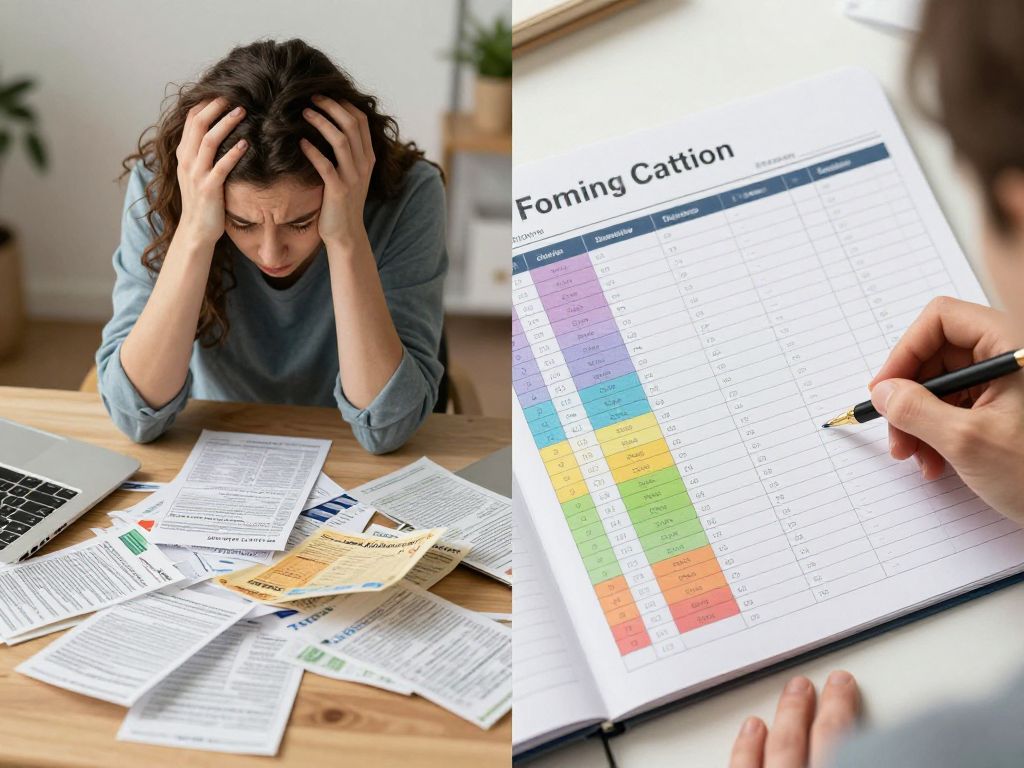
Life without a plan = chaos
Without a system, families react instead of plan. You pay bills late, overspend on groceries, and panic when car repairs pop up. Ever felt that sinking feeling when your card declines at Target? Yeah… not cute.
A good planner helps you:
- See exactly where your money goes
- Prevent last-minute stress
- Plan for school, vacations, and emergencies
- Avoid arguments about spending
IMO, that last one alone makes a planner worth it.

What makes a great family budget planner?
Not all planners work the same, and that’s okay. The best ones share a few must-have features:
- Monthly overview pages
- Bill trackers
- Savings goals sections
- Debt payoff trackers
- Family expense categories
- Easy layout (not confusing or fancy)
If your planner looks like a math textbook, toss it. Families need simple, clear, and functional.
The best types of budget planners for families
You don’t have to pick one perfect product. You just need the right style for your family. Here are the best options.
1) Paper family budget planners (best for visual people)
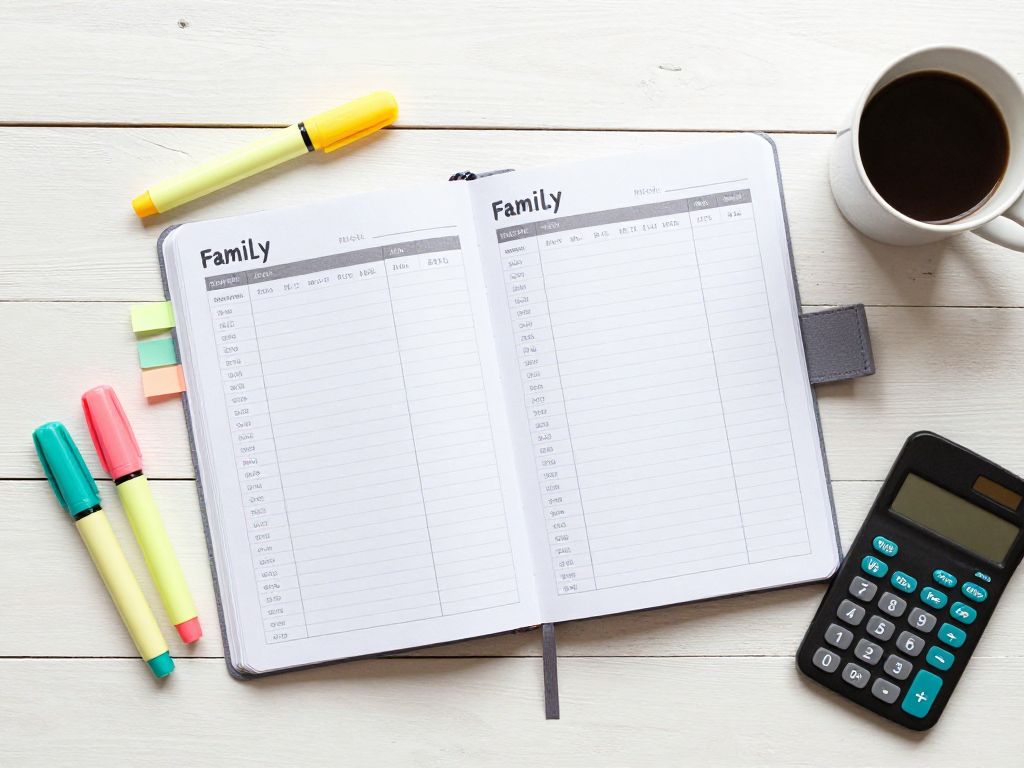
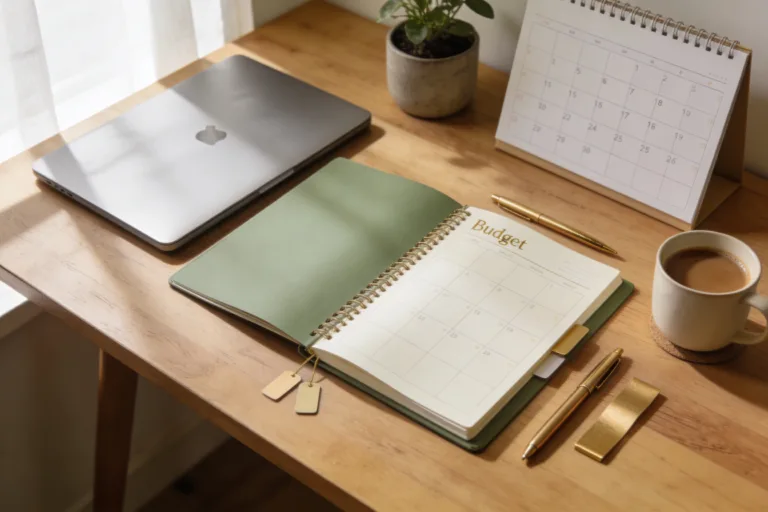
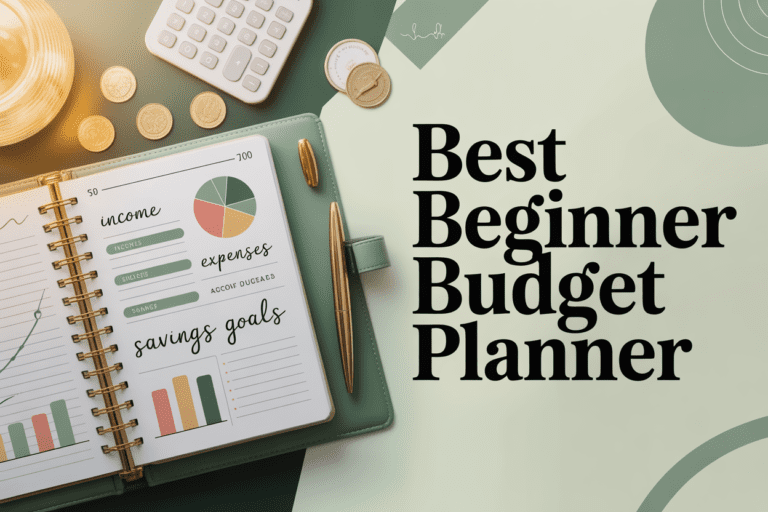
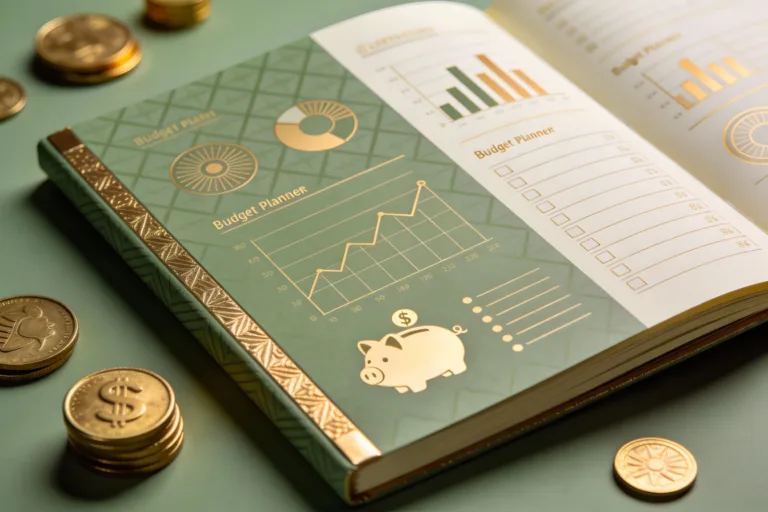
If you love writing things down, paper planners hit different. They feel real, satisfying, and honestly kind of therapeutic.
Some top picks:
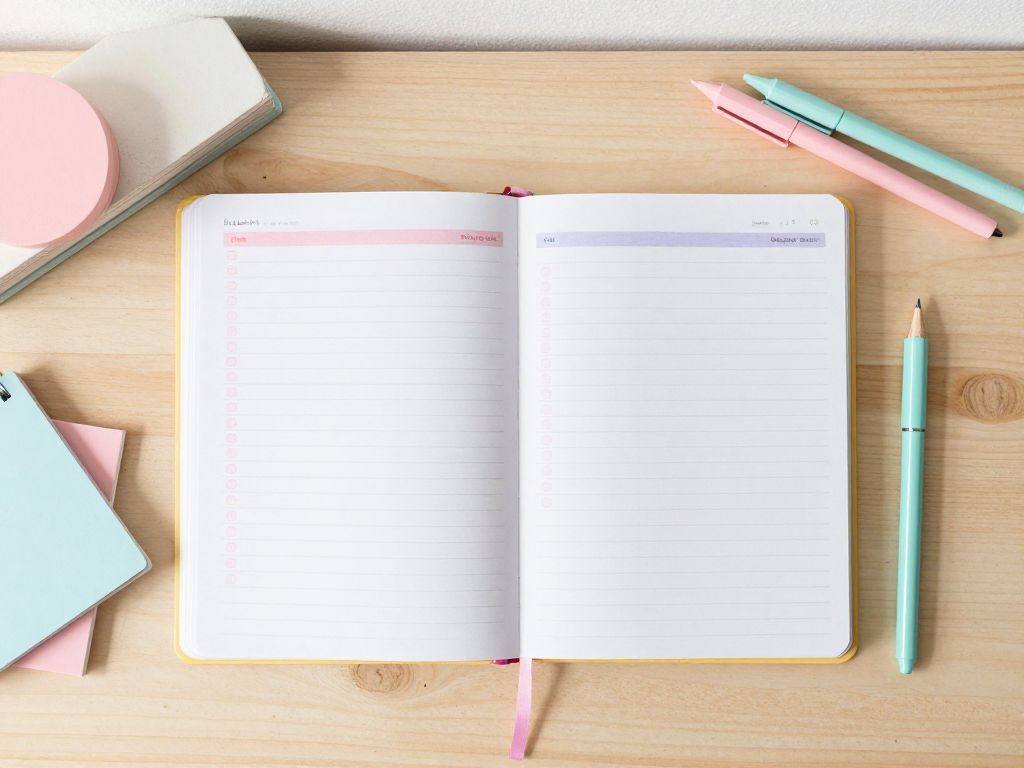
Erin Condren Budget Planner
- Beautiful design
- Plenty of space for notes
- Monthly and weekly breakdowns
- Great for big families
Clever Fox Budget Planner
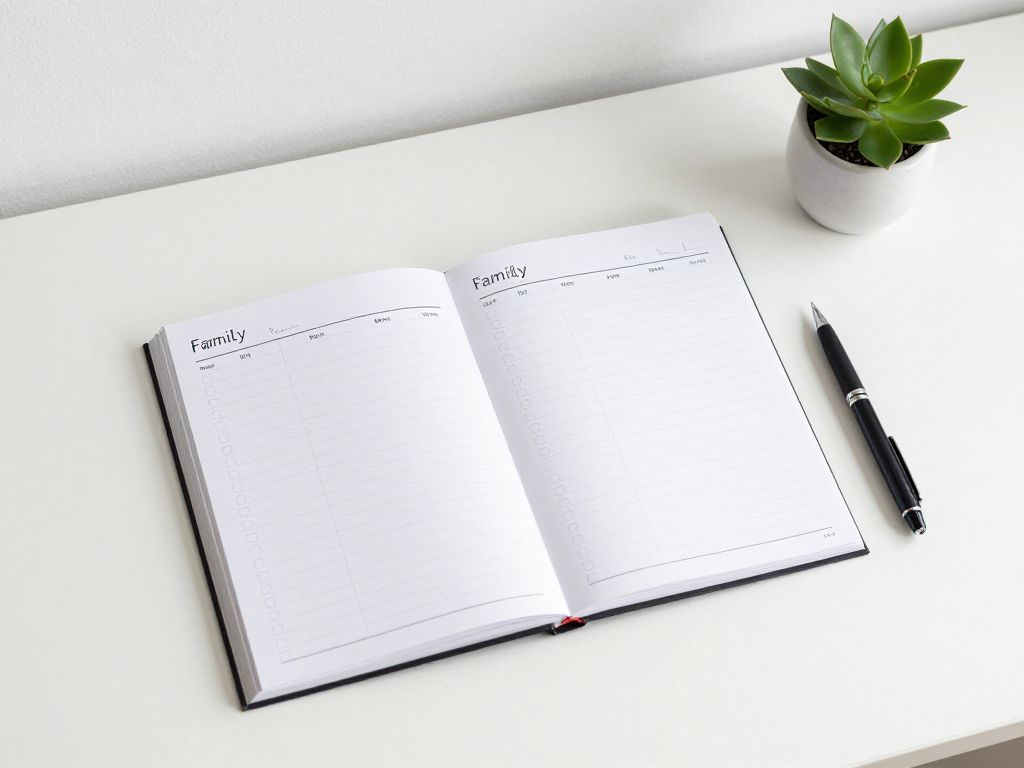
- More minimalist
- Perfect for beginners
- Strong focus on savings
- Affordable option
Why I love paper planners: I actually remember my goals when I physically write them. Ever noticed that?
Key benefits:
- No apps, no distractions
- Hands-on control of money
- Easy to review at family meetings
Downside? You have to stay consistent. If you forget to update it, the magic disappears fast.
2) Digital apps (best for busy families)

If your life runs on your phone, a digital planner might work better.
EveryDollar
This app keeps things simple and structured.
Features include:
- Zero-based budgeting
- Easy bill tracking
- Clean interface
- Family-friendly setup
It basically asks, “Where should every dollar go?” and forces you to answer.
YNAB (You Need A Budget)
This one feels like a money coach in your pocket.
What I like:
- Teaches real money habits
- Helps you stop living paycheck to paycheck
- Great for long-term planning
What I don’t like:
- Slight learning curve
- Costs money
Still, many families swear by it.
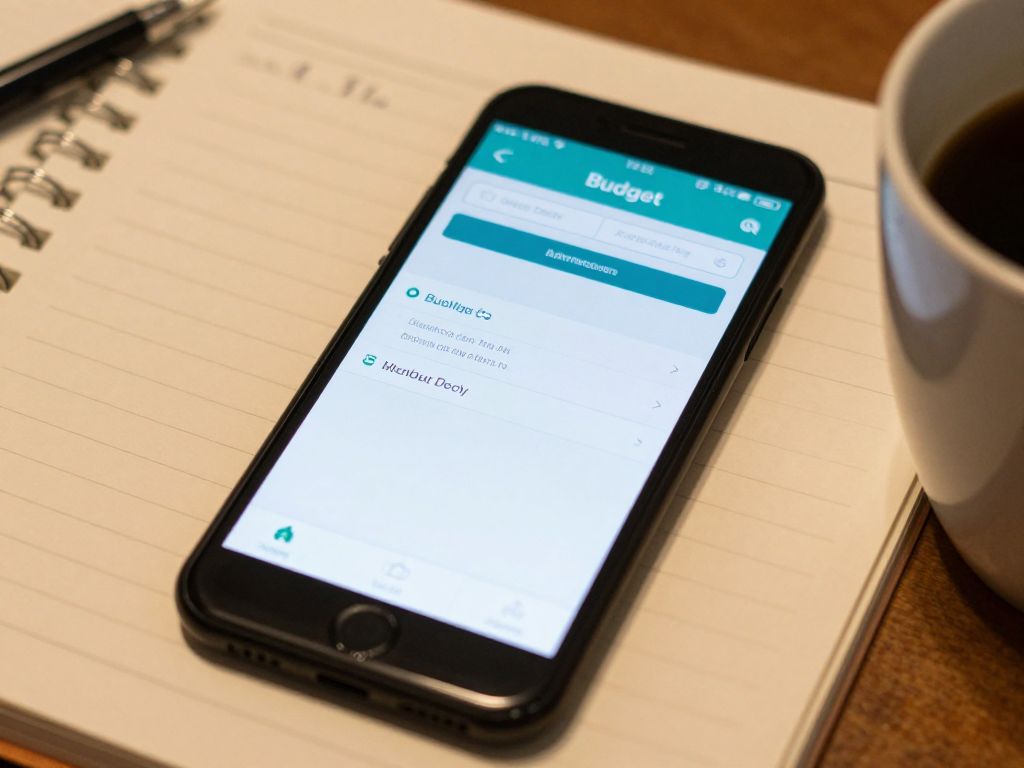
Goodbudget
This works like digital envelopes for cash.
You divide money into categories like:
- Groceries
- Gas
- Kids’ activities
- Fun money
It helps you avoid overspending without strict rules.
3) Spreadsheet planners (best for control freaks 😅)
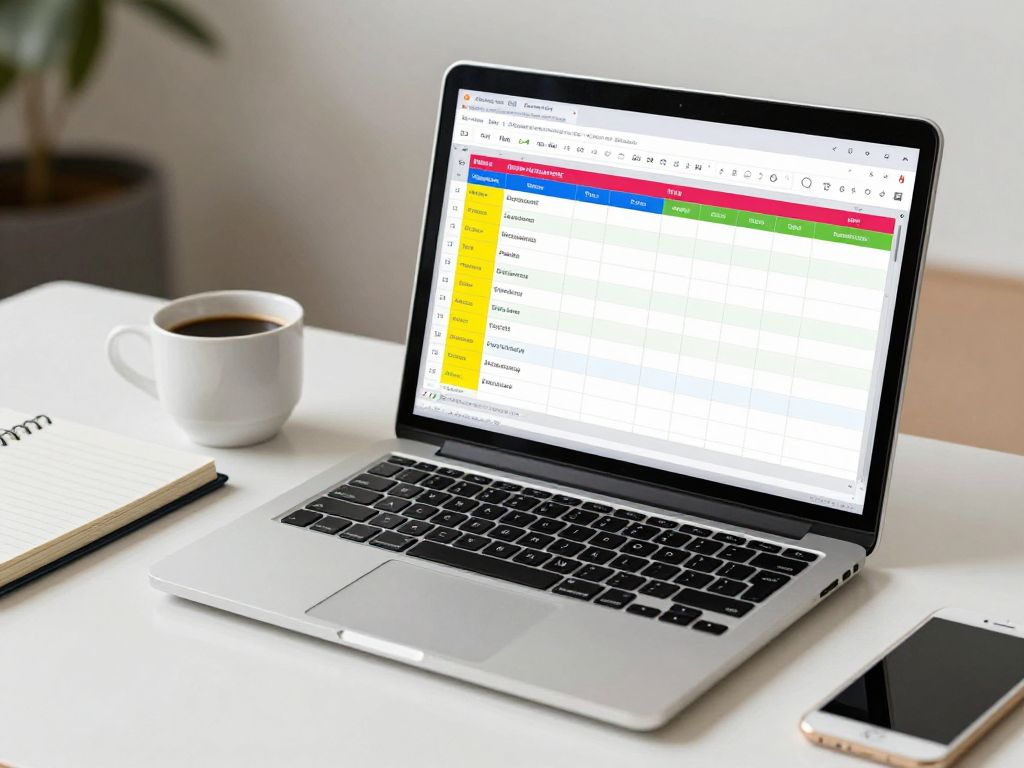
If you love Excel or Google Sheets, this could be your happy place.
You can customize:
- Categories
- Monthly totals
- Savings goals
- Debt trackers
Many creators sell ready-made family budget templates online. You just plug in your numbers and go.
Pros:
- Totally customizable
- Free or low cost
- Great for detail lovers
Cons:
- Can feel overwhelming
- Requires discipline
4) Printable planners (best middle ground)
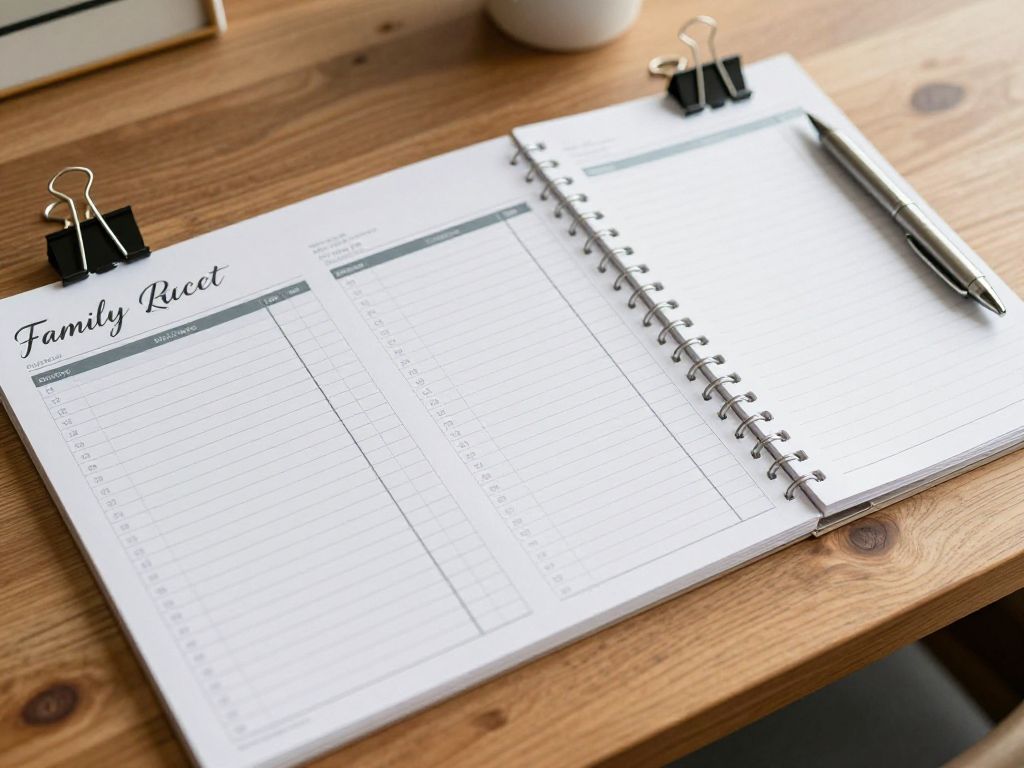
Printable planners combine structure with flexibility. You download pages and print what you need.
You can find pages like:
- Monthly budget sheets
- Savings trackers
- Bill checklists
- Debt payoff charts
This works great if you don’t want to commit to a full planner book yet.
How to choose the best family budget planner
Picking a planner shouldn’t feel like buying a house. Keep it simple.
Ask yourself these questions:
- Do I like writing or typing more?
- Do I want something pretty or practical?
- Will my partner actually use this too?
- Do I need kid-friendly sections?
If you have young kids, choose something easy. Fancy planners will collect dust.
How to actually use your planner every week
Buying a planner means nothing if it sits on your shelf. Here’s a simple routine that works.
Step 1: Sunday money check-in

Sit down for 20 minutes and review your week.
Look at:
- Bills paid
- Groceries spent
- Gas used
- Savings progress
Make it a family moment. Play music. Make coffee. Make it pleasant.
Step 2: Plan next week
Write down:
- Upcoming bills
- Kids’ activities
- Birthdays or events
- Expected grocery cost
Ever tried planning before chaos hits? Game changer.
Step 3: Track daily spending
You don’t need perfection. Just jot down big expenses.
Example:
- Target: $120
- Gas: $55
- Dinner out: $75
Small habits add up fast.
Common mistakes families make (don’t do these)

Even good planners fail if you make these blunders.
Mistake #1: Unrealistic grocery budgets
If your family spends $900 a month on food, don’t set $400 just to feel “disciplined.” That’s just setting yourself up to fail.
Mistake #2: Ignoring fun money
You need joy in your budget. Movie nights, pizza, ice cream—plan for them instead of pretending they don’t exist.
Mistake #3: One person doing everything
A family budget planner works best when both partners participate. Otherwise, resentment creeps in.
FYI, money fights usually come from lack of communication, not lack of cash.
Best planners by family type
Let’s match planners to real families.
Big families (3+ kids)
Best pick: Erin Condren or printable planners
Why? More space for chaos—er, I mean life. 😉
Dual-income couples
Best pick: YNAB or EveryDollar
Why? Syncing apps keeps everyone accountable.
Single parents
Best pick: Clever Fox or Google Sheets
Why? Simple, affordable, and flexible.
Minimalist families
Best pick: Goodbudget app
Why? No clutter, just clean tracking.
How a family budget planner builds long-term wealth
This isn’t just about paying bills. It’s about building a future.
With consistency, you can:
- Save for college
- Build an emergency fund
- Pay off debt faster
- Plan vacations without guilt
Imagine looking at your savings in five years and thinking, “We really did that.” Doesn’t that feel good? 🌱
My honest take after years of budgeting
If I had to pick one best option for most families? I’d say a mix of paper + digital.
Use a paper planner for big-picture goals and family meetings. Use an app for day-to-day tracking. That combo works beautifully.
And yes, I’ve tried every system under the sun before landing here. Trial and error taught me more than any finance book. 🙂
Quick comparison at a glance
| Planner Type | Best For | Cost | Ease of Use | Family Fit |
|---|---|---|---|---|
| Paper Planner | Visual thinkers | $$ | Medium | High |
| Budget Apps | Busy families | $–$$ | Easy | High |
| Spreadsheets | Detail lovers | Free | Harder | Medium |
| Printables | Beginners | $ | Easy | Medium |
Final thoughts (your next move)

A family budget planner isn’t just a notebook or an app. It’s a tool that helps your family breathe easier, fight less, and dream bigger.
Start small. Pick one planner. Try it for 30 days. Adjust. Try again. You don’t need perfection—you need progress.
So tell me honestly… are you ready to stop chasing your money and start directing it instead? Because your future self will absolutely thank you for it. 🌟