
Envelope Savings Challenge Step by Step That Actually Works
Got a pile of receipts in your wallet but zero savings? The envelope savings challenge might just be the no-BS, old-school trick you need to finally stash some cash. No apps, no complicated spreadsheets—just you, some paper envelopes, and a little discipline. Let’s break it down so you can start today (yes, even if you’re terrible with money).
What the Heck Is the Envelope Savings Challenge?
Imagine a savings method so simple your grandma would approve. The envelope challenge is exactly that: you label envelopes with savings goals (or amounts), stuff them with cash regularly, and—voilà—you’re magically richer by the end.
No overdraft fees, no “oops I forgot” excuses. You physically see the money grow, which is weirdly satisfying. It’s like a DIY savings account that doesn’t judge you for impulse-buying that third coffee.
Why It Works (Even for Serial Spenders)
– Tangible = Accountability: Swiping a card feels fake. Handing over cash? Painful. That discomfort keeps you honest.
– No Tech Required: If you can write “Rent” on an envelope, you’re qualified.
– Flexible AF: Customize it for your budget—whether you’re saving $5 or $500 a week.
Step 1: Pick Your Poison (Err, Challenge Version)
Not all envelope challenges are created equal. Here are the two most popular flavors:
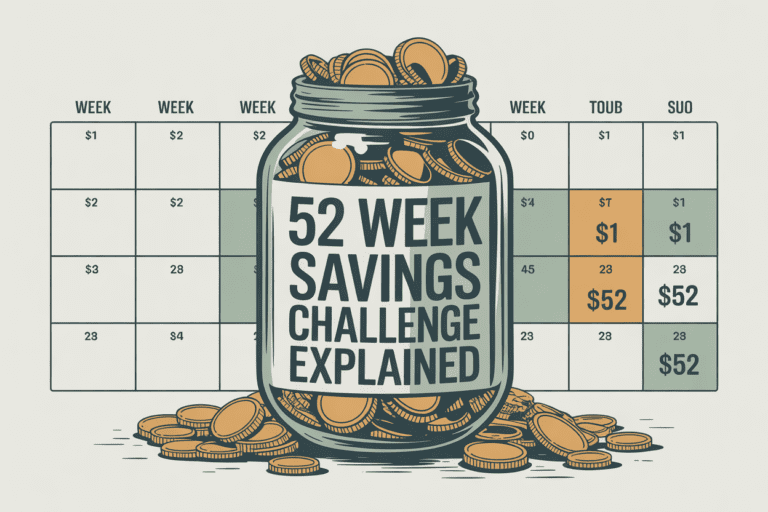
The Classic 52-Week Challenge
Save increasing amounts each week: $1 week 1, $2 week 2… up to $52 week 52. Total saved: $1,378. Perfect for slow-and-steady folks.
The Reverse 52-Week Challenge
Start big ($52 week 1), then decrease. Ideal if you’re more motivated early on (or get broke by December).
The “I Do What I Want” Custom Challenge
Label envelopes by category (“Emergency Fund,” “Vacation”) and toss in whatever you can. No rules, just vibes.
Step 2: Raid Your Desk for Supplies
You’ll need:
– Envelopes (or a cute box if you’re extra)
– A pen (sharpie if you’re dramatic)
– Cash (yes, physical money—remember that stuff?)
Pro tip: Grab a mini binder clip to keep them together. Loose envelopes = chaos.
Step 3: Label Like a Boss

Write CLEARLY. “Miscellaneous” is a trap. Be specific:
– “Car Insurance Deductible”
– “Next Year’s Spotify Subscription”
– “Emergency Taco Fund” (priorities matter)
Where to Hide Your Envelope Stash
Not your sock drawer. Try:
– A locked file cabinet
– A fireproof safe (if you’re fancy)
– Behind a bookshelf (burglars hate literature)
Step 4: Fund Those Bad Boys
This is where most people flake. Here’s how to stick with it:
Automate the Pain
Withdraw cash right after payday. If it’s not in your bank account, you can’t spend it.
Start Small
Can’t swing $52 this week? Do $5. Consistency > perfection.
Celebrate Tiny Wins
Saved $20? Do a little dance. Positive reinforcement is key.
Step 5: Don’t Touch the Damn Envelopes
The only acceptable reasons to raid an envelope:
– The actual emergency it’s meant for (medical bill, not a “70% off” sale)
– You’ve hit your goal and are transferring it to a real savings account
Otherwise, hands off. Tape them shut if you lack self-control.
FAQ: Your Excuses, Debunked
What if I don’t use cash anymore?
Fine, use a digital tracker (Google Sheets, apps like Goodbudget). But cash’s psychological sting works better, IMO.
Can I do this with a partner?
Absolutely! Make it a competition—whoever saves the most gets to pick the next takeout spot.
What if I miss a week?
Double up next week or adjust amounts. The goal is progress, not guilt.
Isn’t this unsafe?
Don’t keep your life savings in envelopes. Once an envelope hits $100–$200, move it to a bank.
Can I invest the money instead?
Sure, but this challenge is about building the savings habit first. Walk before you Robinhood.
What if I need to adjust amounts?
Your challenge, your rules. Just keep the momentum going.
Go Forth and Save (Finally)
The envelope challenge won’t make you a millionaire, but it’ll turn “I can’t save” into “Oh, I guess I just did.” Start today with one envelope. Label it. Fund it. Repeat.
And hey—when you’re lounging on a beach funded by your taco envelope, you’ll thank past-you for not overcomplicating it.