
Envelope Budgeting System for Beginners Made Simple
Ever feel like your money vanishes into thin air by the end of the month? You’re not alone. The envelope budgeting system is the old-school, no-nonsense way to take control of your cash—without needing a finance degree or a fancy app. It’s simple, it’s tactile, and it works. Let’s break it down so you can stop guessing where your paycheck went and start telling it exactly where to go.
What the Heck Is Envelope Budgeting?

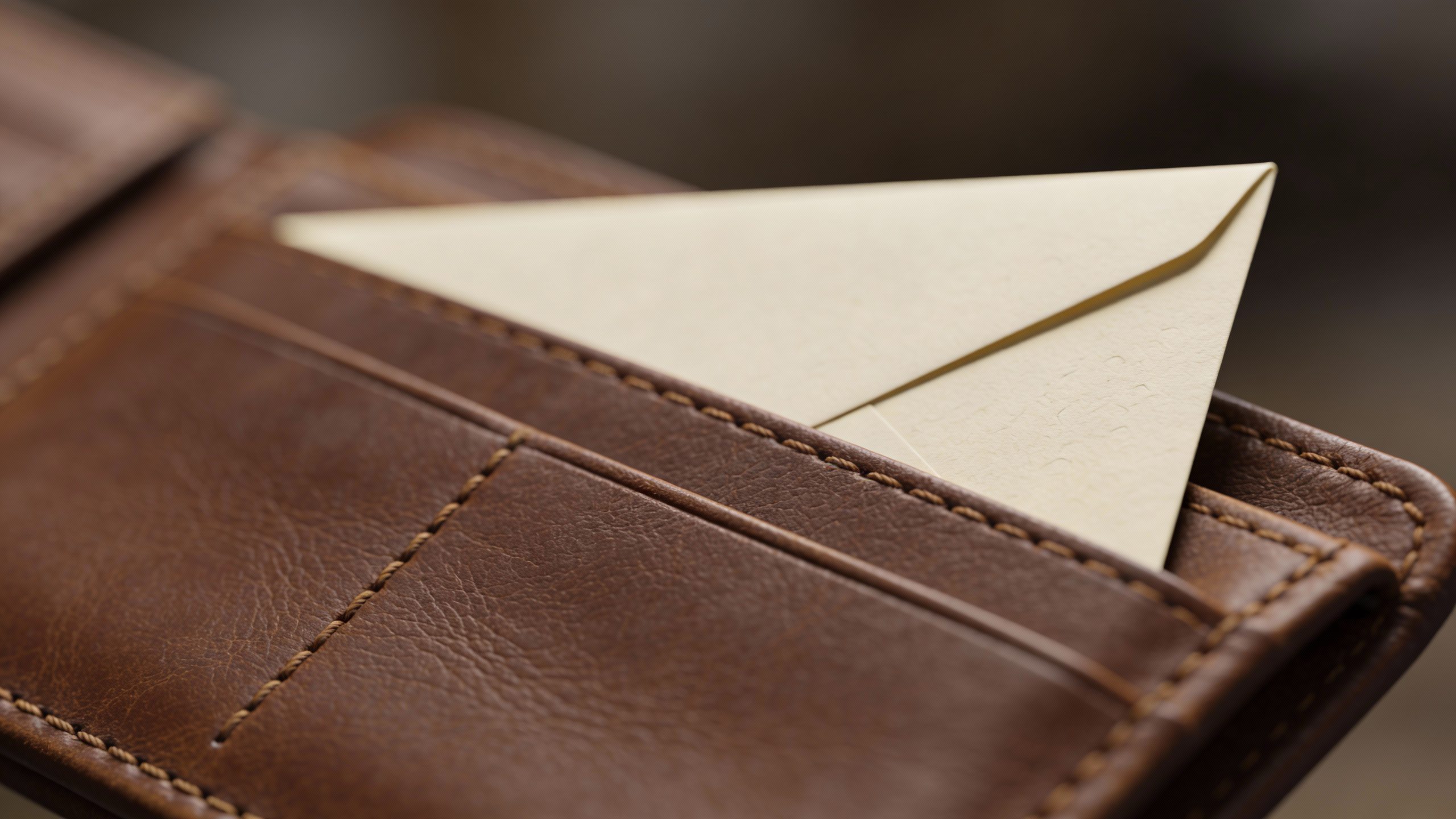
Picture this: You grab a stack of envelopes, label them with your spending categories (groceries, fun money, rent, etc.), and stuff them with cold, hard cash. When the cash runs out, you stop spending in that category. That’s it. No overdraft fees, no “oops, I swiped my card too many times” regrets.
This method forces you to physically see your money leaving your hands, which makes overspending way harder (unless you enjoy staring at empty envelopes). It’s like training wheels for budgeting—except these wheels actually work.
Why Cash? Isn’t That… Antiquated?
Good question. Swiping a card (or phone) feels painless—because you don’t *see* the money disappearing. Cash makes you feel the sting. Studies show people spend less when using physical money versus cards. Plus, no sneaky subscription fees or impulse Amazon purchases at 2 AM. Win-win.
How to Set Up Your Envelope System in 5 Steps

Ready to give it a shot? Here’s how to start without overcomplicating it:
- List your spending categories. Think: essentials (rent, groceries) and non-essentials (eating out, hobbies). Pro tip: Start with 5-7 categories max to avoid envelope overload.
- Decide how much goes in each. Base this on past spending or a rough estimate. No judgment if “takeout” gets more than “gym membership.”
- Withdraw cash after payday. Split it into envelopes immediately—before your brain whispers, “But what if I just… don’t?”
- Spend only from envelopes. Groceries low? Time to get creative with pantry meals. Fun money gone? Netflix and *free* snacks it is.
- Roll over leftovers (or don’t). Save extra cash for next month or treat yourself. Your rules.
The Sneaky Perks You Didn’t See Coming

Beyond just curbing spending, envelope budgeting has some underrated benefits:
- No more budget amnesia. Forget tracking app notifications—your empty “shopping” envelope screams louder.
- Guilt-free spending. Money in the “fun” envelope? Spend it without overthinking. No guilt, no regrets.
- Better communication (for couples). Shared envelopes mean no “you spent HOW MUCH on what?!” fights.
The Downside? Yeah, There’s One.
Carrying cash feels risky—what if you lose it? Fair. But you can mitigate this:
– Only carry the envelopes you need that day.
– Keep the rest locked up at home.
– Use a digital envelope app (like Goodbudget) if you’re paranoid.
Common Mistakes (And How to Dodge Them)
New envelope budgeters often trip over these pitfalls:
Overcomplicating categories: “Separate envelopes for lattes vs. drip coffee?” No. Keep it broad.
Ignoring irregular expenses: Forgot about car insurance? Oops. Create a “bills” envelope for annual/semi-annual costs.
Cheating with cards: Swiping “just this once” defeats the purpose. Stay strong.
FAQ: Your Burning Envelope Questions, Answered
Can I use envelopes for online bills?
Sort of. For fixed bills (rent, utilities), set up automatic transfers from your bank. Use envelopes only for variable spending (groceries, entertainment).
What if I run out of cash in an envelope?
Two options:
1. Steal from another envelope (but then that category suffers).
2. Tough it out until next month. Your call.
Isn’t carrying cash unsafe?
IMO, carrying $500 everywhere is a bad idea. But for day-to-day spending? Keep it reasonable, and you’ll be fine.
Can I still save money with this system?
Absolutely! Include a “savings” envelope. Treat it like any other category—just don’t raid it for impulse buys.
What if my paycheck is mostly digital?
No shame in a hybrid approach. Use cash for daily spending, but pay rent/bills electronically. FYI, some apps simulate envelopes digitally.
Does this work for irregular income?
Yep! Adjust envelope amounts each month based on what you earn. Freelancers and gig workers love this flexibility.
Give It a Month—You’ll Be Hooked
Envelope budgeting isn’t glamorous, but it’s brutally effective. It turns abstract numbers into tangible choices—and hey, there’s something weirdly satisfying about handing over cash instead of mindlessly tapping a screen.
Try it for 30 days. Worst case? You’ll know exactly where your money went. Best case? You’ll finally feel in control. And maybe—just maybe—you’ll have leftover cash for something actually fun.