
Easy Money Habits to Start Today for Long-Term Wealth
Money habits don’t need a personality transplant or a spreadsheet degree. You can reset your finances with small, low-drama moves that stick. Think microwaving your budget instead of slow-cooking it for eight hours. Ready to make it easier to save, spend, and chill about money?
Start with One Number: Your “Keep the Lights On” Cost
You don’t need a full budget right now. Just find one number: how much you need each month to keep your life running. That means rent or mortgage, utilities, groceries, transportation, insurance, and minimum debt payments. Your “keep the lights on” figure becomes your anchor.
Why it works: you’ll know your baseline survival cost quickly. You’ll spot bloat faster because you can compare real spending to that number every month. It also helps you plan savings and job changes without guessing.
How to find it in 20 minutes
- Open your bank and card statements for the last full month.
- List only essentials: housing, food, utilities, transport, insurance, minimum debts.
- Add them up. Round up to the nearest $50 for wiggle room.
Pro tip: screenshot the total and set it as a hidden photo you can find fast. When a job change or bigger expense hits, you’ll react calmly because you know your floor.
Automate the Boring Stuff (Your Future Self Will Send Cookies)

Humans forget. Automation doesn’t. Set up automatic transfers so your money does what you want before your brain gets a chance to sabotage it.
The 3 automations to set today
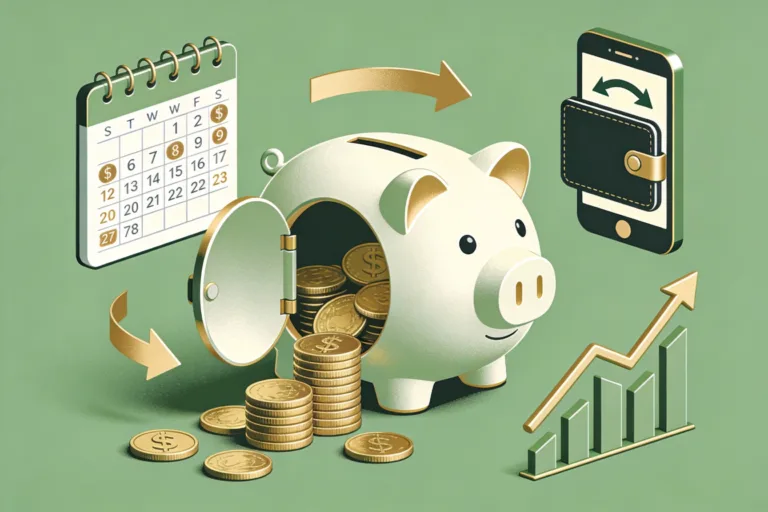
- Pay yourself first: automatic transfer to savings the day after payday. Even $25 counts.
- Debt autopay: minimums at a minimum, more if you can. You’ll kill late fees instantly.
- Round-ups or micro-saves: use bank features that round purchases to the next dollar and stash the difference.
FYI: automation isn’t “set and forget.” It’s “set and check quarterly.” Make sure the amounts still match your goals.
Build a Tiny Emergency Fund Fast
You’ll hear “save 3–6 months.” Great goal, mildly terrifying starting point. Instead, build a starter emergency fund of $500–$1,000. That’s enough to handle flat tires, minor medical bills, or that one appliance that always knows when you’re broke.
Where to park it
- High-yield savings account: separate from your daily checking. Easy access, small interest boost.
- Nickname it: “Break Glass Money” or “Chaos Buffer.” It helps you not touch it.
How to get there: Sell one unused thing, skim $10–$50 from weekly spending, and direct all windfalls (tax refunds, gifts, small bonuses) until you hit your target. Small wins snowball fast.
Make Your Spending Boring (and Fun Money Obvious)

Here’s the trick: you can spend on fun guilt-free if you decide your boring stuff first. Split your money into simple buckets, and your daily choices get easier.
The simple 3-bucket system
- Essentials: your keep-the-lights-on costs.
- Goals: savings, investing, debt beyond minimums.
- Fun: everything else. Coffee, concerts, guilty-pleasure takeout.
Use separate accounts or sub-accounts if your bank offers them. If you can’t, track with color-coded categories in your app of choice. And yes, add a “Fun” line every month. Zero fun budgets fail fast. IMO, sustainable > perfect.
Kill One “Silent Subtractor” This Week
Silent subtractors are tiny recurring costs that nibble your money when you’re not looking. They don’t seem like much, but together they eat entire goals.
Quick audit checklist
- Subscriptions: streaming, apps, gym, newsletters. Cancel or downgrade one today.
- Forgotten fees: bank fees, paper statement fees, ATM charges. Switch banks if needed.
- Insurance creep: shop your car/home/renters insurance every 12 months.
- Auto-renew traps: set calendar reminders 2 weeks before renewal dates.
Set a recurring 15-minute calendar event called “Money Leak Patrol.” You’ll save hundreds a year with minimal pain. Also, it feels weirdly satisfying.
Use a One-Minute Daily Money Check
You don’t need to analyze your finances every day. Just glance at them. Think dental floss, but for your bank accounts.
What to check in 60 seconds
- Account balances across checking, savings, and credit cards.
- New transactions you don’t recognize.
- Upcoming bills in the next seven days.
Why it works: quick checks prevent overdrafts, catch fraud fast, and train your brain to feel in control. It’s money mindfulness without the incense.
Prioritize Debt the Smart Way
Debt feels heavy, so aim for early wins and long-term savings. You can choose either debt snowball (smallest balance first) for motivation or debt avalanche (highest rate first) for math wins. Both work. Pick the one you’ll actually stick with.
Make it simple
- List each debt: balance, interest rate, minimum payment.
- Pay all minimums automatically.
- Throw any extra at your chosen target. Celebrate when one disappears. Seriously, celebrate.
Consider a 0% transfer if your credit score allows it and you can pay it off during the promo. Read the fine print like your money depends on it—because it does.
Invest on Autopilot (Even If It’s $20)
You don’t need to become a market wizard to start. Put a tiny amount into a broad, low-cost index fund regularly. Time in the market beats timing the market, and automation makes you consistent.
Where to start
- Workplace plan: contribute at least enough to get the employer match. That match equals free money.
- IRA or brokerage: set a monthly contribution, invest in a total market or S&P 500 index fund.
- Use target-date funds if you want a set-it-and-forget-it option that auto-adjusts risk over time.
IMO: if you can invest even $20–$50 monthly, do it. You’ll build the habit and increase later. The consistency matters more than the size at the start.
Make Raises and Windfalls Do Push-Ups
Raises, bonuses, tax refunds—these are habit accelerators. Before lifestyle creep starts doing cartwheels, split any extra money with a simple rule.
The 50/30/20 windfall rule
- 50% to goals: savings, investing, or debt.
- 30% to fun: enjoy it. No guilt.
- 20% to future bills: annual fees, holidays, travel fund.
You’ll enjoy the upgrade without waking up three months later wondering where it all went. Your future self will high-five you.
Create a “Bill Buffer” to Ditch Stress
Ever had a bill hit two days before payday and trigger chaos? Build a one-month bill buffer in your checking account. Keep enough in checking to cover next month’s bills. You remove timing risk and fees.
How to build it
- Start with $100–$200 at a time from extra savings or side income.
- Pause a nonessential for one month to speed it up.
- Once full, don’t dip into it unless a real emergency hits.
It’s the financial equivalent of carrying an umbrella. You may not need it often, but you’ll walk around relaxed.
Use a “Default Cheap” Option for Repeats
For repeat buys—coffee beans, pet food, paper towels—choose a solid, affordable default. You can still upgrade when you want, but your autopilot choice costs less.
Where this shines
- Groceries: pick store-brand staples that pass your taste test.
- Transport: default to public transit, bike, or carpool when practical.
- Meals: keep 3–5 fast, cheap recipes on rotation to dodge delivery fees.
Strong defaults save money without constant willpower. You’ll feel less decision fatigue and more control.
Track One Metric That Actually Matters to You
You don’t need to track everything. Choose one metric that makes you feel progress, and watch it weekly.
Good options
- Savings rate: the percent of income you save or invest.
- Net worth: assets minus debts, even if it’s negative right now.
- Debt-free date: how many months left based on your current payment.
Pick one. Update it. Smile when the number moves in the right direction. Motivation fuels consistency.
FAQ
What if I can’t save much right now?
Start comically small. Save $5 a week automatically. Cut one subscription. Sell one item you don’t use. Small amounts build the habit, and habits scale when your income grows. Progress beats perfection every time.
Should I pay off debt or invest first?
Do both if you can. At minimum, grab your employer match if you have one (free money), build a small emergency fund, then focus extra cash on high-interest debt. After that, split between investing and debt. The exact mix depends on your interest rates and risk tolerance.
How do I stick with these habits long-term?
Make it easy and visible. Automate transfers, use reminders, and track one motivating metric. Add a tiny reward when you hit milestones—coffee upgrade, movie night, guilt-free purchase. Behavior change loves instant feedback.
Do budgeting apps really help?
They can, especially if you like visuals and notifications. But you don’t need them. A notes app + two bank alerts (low balance and large purchases) gets you 80% of the way. Use whatever you’ll actually open.
What if irregular income makes planning impossible?
Base your essentials on your average low month. Fund a bigger buffer—aim for 1–2 months of expenses if possible. Pay yourself a “salary” from your business or holding account on a fixed schedule. When a big month hits, top up goals and the buffer first.
How quickly should I build a full emergency fund?
After the starter fund, scale to 3–6 months based on your situation. Stable job and low expenses? Three months might work. Variable income, dependents, or medical costs? Lean toward six months. Build it slowly with automation so it doesn’t feel like a second job.
Conclusion
Easy money habits don’t require a financial makeover or a vow of frugality. You just need a few smart defaults: automate, buffer, simplify, and track one thing that matters. Start tiny, keep it visible, and let the wins compound. You’ll feel the stress drop and the confidence rise—no spreadsheets required, IMO.