
Easy Budgeting Tips for Beginners
Alright, real talk 💬—budgeting sounds boring until your bank balance jumps out and scares you. I’ve been there. One minute I felt rich because payday hit, and the next minute I wondered where all my money vanished. Spoiler alert: it didn’t run away… I just didn’t tell it where to go 😅.
If you want easy budgeting tips for beginners that don’t feel like homework, you’re in the right place. I’ll walk you through this like I would with a friend over coffee—no jargon, no guilt, and definitely no spreadsheets that make you cry.
Why Budgeting Feels Hard (And Why It Really Isn’t)
Let’s clear this up first. Budgeting doesn’t fail because you’re bad with money. Budgeting fails because most advice feels unrealistic.
Ever tried tracking every single rupee and quit by Day 3? Yeah… same. That approach drains motivation fast.
Budgeting should feel supportive, not restrictive. You don’t need perfection—you need clarity. Once you see where your money goes, you automatically start making better choices. Funny how that works, right?
Start With a Simple Money Snapshot
Before you “fix” anything, you need to see the truth. No judgment allowed here 🙃.

Write Down These Three Things
Grab a notebook or Notes app and list:
- Monthly income (after tax)
- Fixed expenses (rent, EMIs, subscriptions)
- Variable spending (food, shopping, fun stuff)
That’s it. No categories yet. No fancy tools.
This snapshot shows reality, and reality beats guessing every time. Ever wondered why your money disappears faster than snacks during a Netflix binge?
Pick a Budgeting Method That Won’t Annoy You
IMO, most beginners quit because they choose complicated systems. Let’s keep this easy.
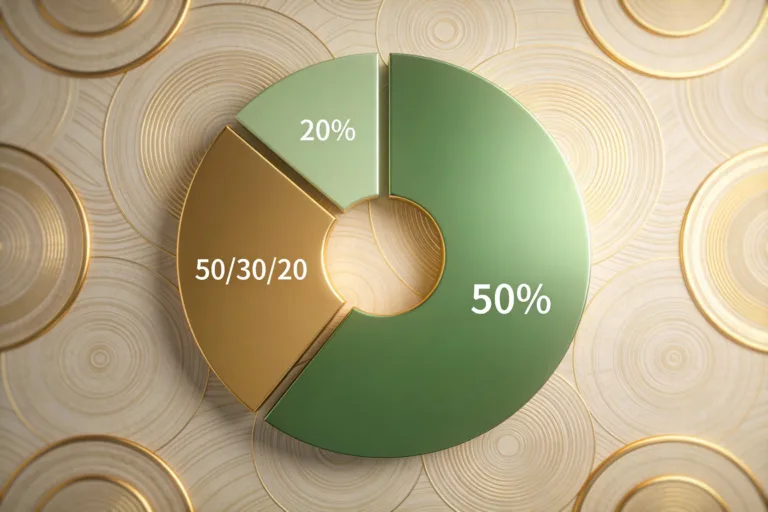
The 50-30-20 Rule (Beginner Favorite)
This works great when you want structure without stress.
- 50% Needs – rent, groceries, bills
- 30% Wants – eating out, shopping, subscriptions
- 20% Savings – emergency fund, investments
You don’t need to hit these numbers perfectly. Close enough counts when you’re starting.
Zero-Based Budget (If You Like Control)
This method assigns a job to every rupee.
Income – Expenses = Zero
You plan every category ahead of time. I like this method when I want discipline, but I avoid it during busy months. Balance matters, FYI 🙂
Track Spending Without Losing Your Mind
Let’s be honest—tracking every expense forever sounds exhausting. So don’t.

Try This Low-Effort Approach
- Track spending for just 30 days
- Use one method only (app, notebook, or Excel)
- Review weekly, not daily
Tracking creates awareness, not punishment. I once realized I spent way too much on delivery food. I didn’t stop eating out—I just planned it better.
Ever noticed how awareness alone changes behavior?
Automate Your Savings (So You Don’t “Forget”)
Saving works best when you remove willpower from the equation.
Do This Immediately
- Set an auto-transfer right after payday
- Start small—even 5–10% works
- Treat savings like a bill you must pay
When I automated savings, my bank balance magically improved without effort. Shocking, I know 😄.
Consistency beats big amounts every single time.
Create Categories That Match Real Life
Generic categories don’t work because life isn’t generic.
Example of Realistic Categories
- Rent / Housing
- Groceries
- Transport
- Eating Out
- Fun Money
- Savings
Give yourself a “no-questions-asked” fun category. Budgets fail when life feels joyless.
Would you stick to a plan that feels like punishment?
Use Budgeting Tools (But Don’t Obsess)
Tools help—but they don’t replace habits.

Beginner-Friendly Options
- Google Sheets – flexible and free
- Notes app – simple and underrated
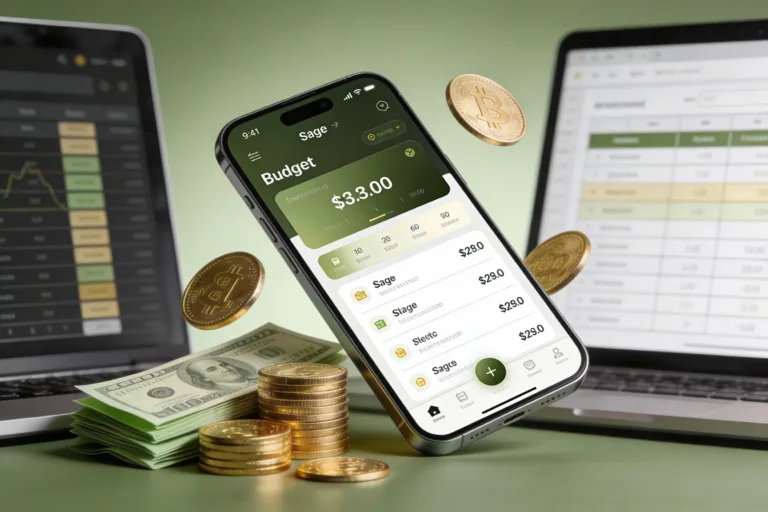
- Budget apps – good if you like visuals
I switch tools based on mood. Some months I love spreadsheets. Other months, I keep it messy and still win.
The best tool is the one you’ll actually use.
Plan for Irregular Expenses Before They Surprise You
Annual and occasional expenses love ruining budgets.
Common Budget Killers
- Insurance premiums
- Festivals & gifts
- Travel
- Repairs
Divide these costs by 12 and save monthly. This trick alone changed my entire budgeting game.
Ever felt “broke” after one big expense? This prevents that.
Build an Emergency Fund (Your Financial Safety Net)
This step deserves respect.
Emergency Fund Basics
- Start with ₹10,000–₹25,000
- Eventually aim for 3–6 months of expenses
- Keep it separate from daily spending
An emergency fund buys peace of mind, not just security. That feeling alone makes budgeting worth it.
Stop Aiming for Perfect Budgets
Perfection kills momentum. Progress builds confidence.
Expect These Things
- Overspending some months
- Adjusting categories often
- Learning as you go
I still tweak my budget all the time. Budgeting evolves as life changes.
A flexible budget beats a perfect one that you quit.
Review Your Budget Weekly (Not Daily)
Daily checking creates anxiety. Weekly reviews create control.
Weekly Budget Check-In
- Look at spending trends
- Adjust categories if needed
- Celebrate small wins 🎉
This habit takes 10 minutes and saves hours of stress later.
Common Beginner Budgeting Mistakes to Avoid
Let’s save you some pain.
- Setting unrealistic limits
- Forgetting fun money
- Tracking too much too soon
- Giving up after one bad month
Budgeting isn’t fragile. One mistake won’t break it.
How Budgeting Actually Changes Your Life
Here’s the cool part.
Budgeting:
- Reduces money stress
- Improves decision-making
- Builds confidence
- Creates long-term freedom
You stop reacting and start planning. That shift feels powerful.
Easy Budgeting Tips for Beginners (Quick Recap)
Let’s wrap this up neatly 🎁
- Start simple—clarity first
- Pick an easy method you won’t hate
- Track for awareness, not control
- Automate savings early
- Allow flexibility and fun
- Review weekly, not obsessively
Budgeting doesn’t need to feel strict or scary. It should feel like support.
Final Thoughts (Friend-to-Friend)
If you remember one thing, remember this: budgeting is a skill, not a personality trait. You don’t need discipline superpowers. You need a simple system and a little patience.
Start messy. Adjust often. Keep going.
Your future self will absolutely thank you—and probably treat you to coffee ☕🙂.