Digital vs Cash Budgeting: Which Method Works Better?
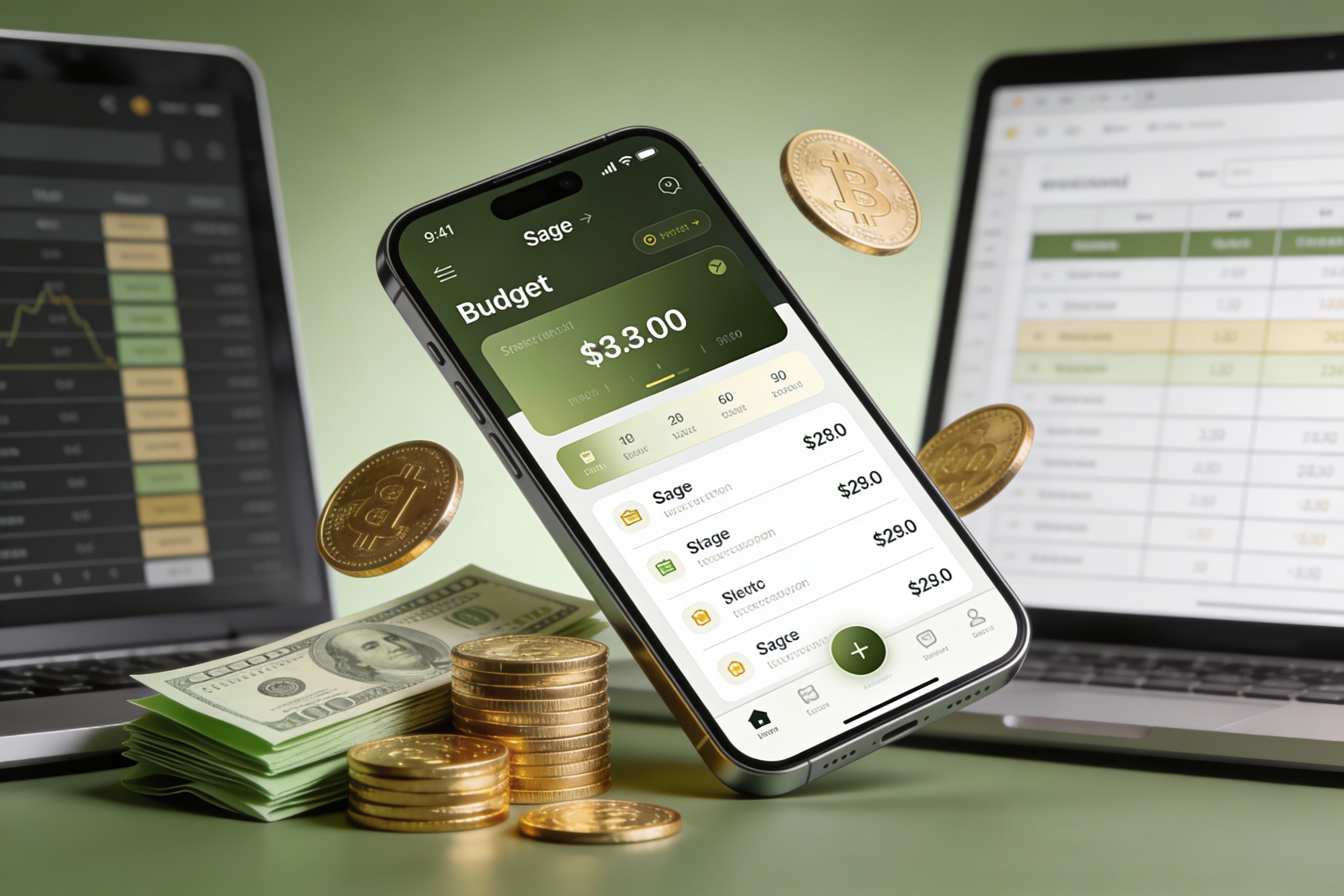
You know that moment when you pull out a wad of cash at a coffee shop and the barista looks at you like you’ve time-traveled from 1995? Cash is officially the vinyl record of budgeting—nostalgic, tactile, but is it actually better than digital tools? Let’s settle the debate: digital vs. cash budgeting, and which one actually helps you save money without losing your sanity.
The Case for Cash: Tangible and Terrifying

There’s something brutally honest about cash. When your wallet empties, you *feel* it—no abstract numbers on a screen, just the cold reality of being broke. This is why the “cash envelope system” still has die-hard fans:
- Psychological impact: Handing over physical money hurts more than swiping a card, so you spend less.
- No overdraft fees: You can’t spend what you don’t have. Simple.
- Privacy: No bank tracking your late-night pizza orders.
But let’s be real—cash isn’t exactly convenient. Ever tried splitting a dinner bill with three friends when you’re all carrying exact change? Exactly.
The Downsides: Cash Ain’t King Anymore
Cash budgeting works until life happens:
– You lose an envelope. Congrats, your grocery money is now a mystery.
– Online bills exist. Good luck paying your Netflix subscription with a $20 bill.
– Emergencies happen. If your car breaks down, good luck finding an ATM at 2 AM.
Cash forces discipline, but it’s like budgeting on hard mode.
Digital Budgeting: Convenience vs. Temptation
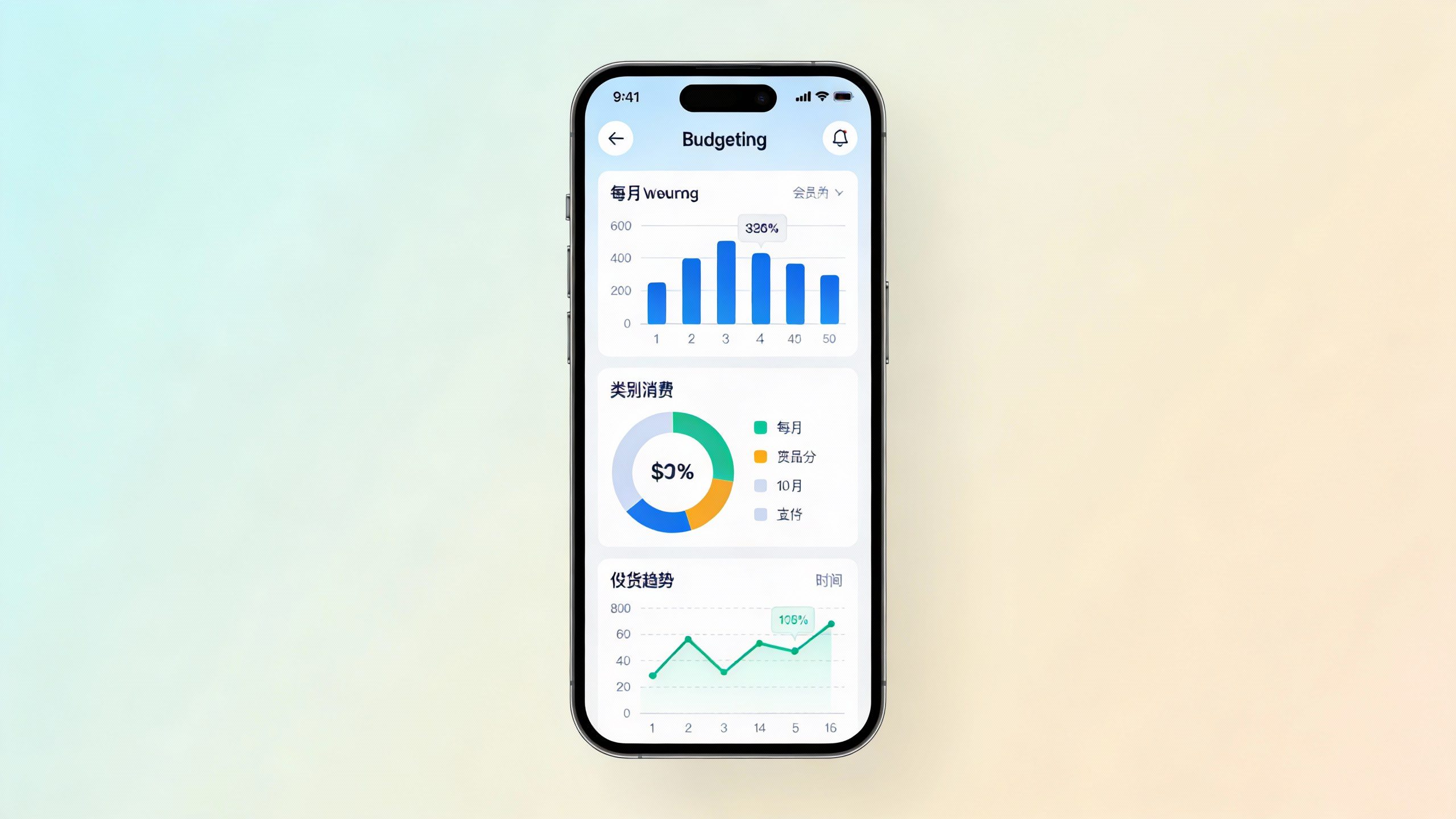
Digital tools (apps, spreadsheets, banking features) are the shiny new toys of budgeting. They automate the boring stuff, track every penny, and—let’s face it—make you feel like a finance guru. Here’s why they win for most people:
- Real-time tracking: Your phone yells at you when you overspend. No surprises.
- Automation: Set it and forget it. Bills, savings, even investments can run on autopilot.
- Data nerdery: Charts! Graphs! Monthly reports! If you love analytics, digital is your jam.
But digital budgeting has a dark side: out of sight, out of mind. Swiping a card doesn’t sting like handing over cash, and subscription creep is real.
When Digital Budgeting Backfires
– App fatigue: Downloading 10 budgeting apps doesn’t magically make you frugal.
– Over-reliance on tech: If the app crashes, so does your financial awareness.
– Security risks: Hackers love digital trails. Hope you enjoy changing passwords every six months.
Digital tools are powerful, but they require *actual effort* to use well.
Hybrid Budgeting: The Best of Both Worlds?

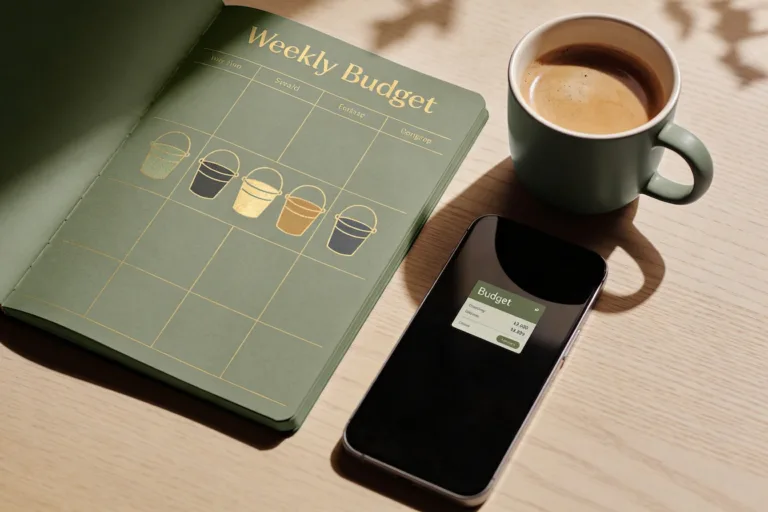
Why choose? A hybrid approach lets you use cash for spending categories where you struggle (looking at you, impulse Amazon buys) and digital for everything else. Example:
- Cash for “problem” spending: Fun money, dining out, shopping.
- Digital for fixed costs: Rent, utilities, savings goals.
This way, you get the discipline of cash *and* the convenience of digital. IMO, it’s the smartest play for most people.
Which Method Actually Saves You More Money?
Studies show cash users spend 12–18% less than card users—thanks to the “pain of paying.” But digital users save more long-term because they’re better at tracking trends and setting goals.
The real answer? Whichever one you’ll stick to. A perfect system you abandon in two weeks is useless.
FAQ: Your Burning Budgeting Questions
Is cash budgeting safer than digital?
Not really. Cash can be stolen, lost, or set on fire (accidentally, hopefully). Digital has risks, but fraud protection exists.
What’s the easiest digital budgeting app?
For beginners, try Mint or YNAB (You Need A Budget). For spreadsheet nerds, Google Sheets + templates FTW.
Does cash budgeting help with debt?
If overspending is your issue, yes. But for paying off existing debt, digital tools automate payments better.
Can I use cash in a cashless society?
Technically yes, but good luck. Some places already refuse cash. The future is digital, whether we like it or not.
How do I stop forgetting my cash envelopes?
Leave them at home and only carry what you need. Or, you know, duct-tape them to your body.
Conclusion: Stop Overthinking and Pick One
Cash forces discipline, digital offers convenience, and hybrids give you both. The “best” method is the one you’ll actually use. So stop reading this, pick a system, and go budget like the financially responsible adult you pretend to be on LinkedIn. You’ve got this.