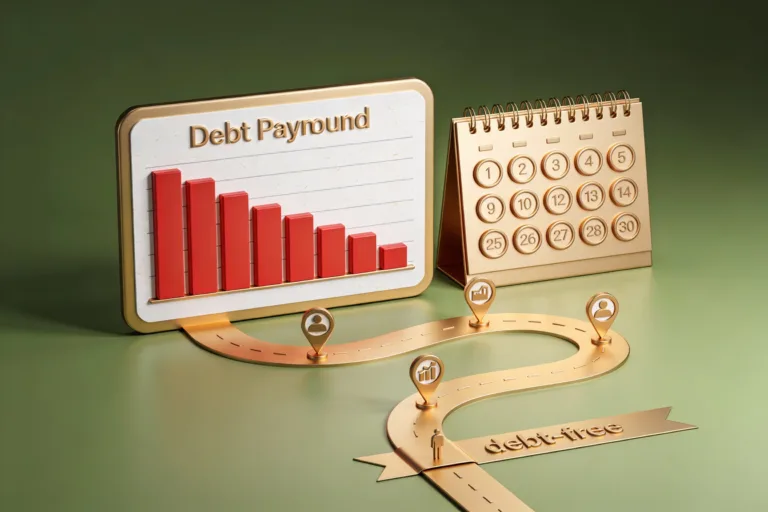

Debt Snowball Method Explained for Beginners
Got a pile of debt that’s stressing you out? The debt snowball method might be your new best friend. Imagine paying off your smallest debt first, then rolling that payment into the next one—like a snowball gaining momentum as it rolls downhill. It’s simple, motivating, and doesn’t require a finance degree to master. Let’s break it down.
What Exactly Is the Debt Snowball Method?

The debt snowball method is a strategy where you focus on paying off your smallest debts first while making minimum payments on the rest. Once you knock out the smallest debt, you take the money you were putting toward it and add it to the next smallest debt’s payment. Repeat until you’re debt-free.
Think of it like clearing levels in a video game. You tackle the easiest boss first, then use the power-ups (extra cash) to take down the bigger ones. It’s not necessarily the most *mathematically* optimal method (we’ll get to that later), but it’s psychologically powerful because you get quick wins.
How It Differs From the Debt Avalanche Method
The debt avalanche method, its nerdy cousin, focuses on paying off debts with the highest interest rates first to save money long-term. It’s technically more efficient, but here’s the thing: humans aren’t spreadsheets. The snowball method keeps you motivated by giving you early victories, which is why so many people swear by it.
Why the Debt Snowball Works (Even If It’s Not Perfect)

Ever tried dieting and quit because the scale didn’t budge after two weeks? Debt payoff works the same way. If you’re staring at a massive student loan while barely making a dent, you’re more likely to give up. The snowball method hacks your brain’s reward system by:
- Giving you quick wins (bye-bye, $500 medical bill!)
- Freeing up cash faster to tackle bigger debts
- Keeping you motivated because progress feels tangible
Sure, you might pay a bit more in interest over time compared to the avalanche method, but sticking to a plan beats abandoning it because it’s too depressing.
Step-by-Step: How to Crush Debt With the Snowball Method

Ready to start? Here’s your battle plan:
- List all your debts from smallest to largest (ignore interest rates for now).
- Pay the minimum on everything except the smallest debt.
- Throw every extra dollar at that smallest debt until it’s gone.
- Celebrate! (Seriously, do a little dance.)
- Roll that payment into the next smallest debt.
- Repeat until you’re debt-free and feeling smug.
Example Time: Meet Sarah’s Debt Snowball
Sarah owes:
- $500 medical bill (minimum: $25)
- $2,000 credit card (minimum: $50)
- $10,000 car loan (minimum: $200)
She has an extra $300/month to attack debt. Here’s how it plays out:
1. Month 1: Pays $325 ($25 min + $300 extra) to the medical bill. *Poof!* Gone in two months.
2. Now she takes that $325 and adds it to the credit card payment ($50 min + $325 = $375 total). The card’s toast in ~5 months.
3. Finally, she throws $575 ($200 min + $375) at the car loan. Debt-free in under two years.
See how the payments grow like a snowball? That’s the magic.
When the Debt Snowball *Isn’t* the Best Choice

Look, I love the snowball method, but it’s not a one-size-fits-all solution. Avoid it if:
- You have sky-high interest debt (like a 25% APR credit card). In that case, avalanche might save you more.
- You’re super disciplined and don’t need quick wins to stay motivated.
- Your smallest debt is insanely large (e.g., a $50,000 personal loan). You might need a hybrid approach.
Pro Tips to Supercharge Your Snowball
Want to speed things up? Try these tricks:
- Side hustle for extra cash: Deliver pizzas, sell old gadgets, or freelance. Every extra $100 helps.
- Slash expenses (temporarily): Ditch subscriptions, eat out less, or negotiate bills. Redirect those savings to debt.
- Use windfalls wisely: Tax refund? Bonus? Birthday money? Throw it at your current target.
FAQ: Your Burning Debt Snowball Questions
Does the snowball method work for all types of debt?
Yep! Credit cards, medical bills, personal loans—it doesn’t matter. The key is ordering them by balance, not type.
What if I have two debts with the same balance?
Flip a coin. Just kidding. Pay the one with the higher interest rate first, then roll the payment to the next.
Should I save while paying off debt?
IMO, build a tiny emergency fund first ($1,000-ish), then go all-in on debt. Otherwise, one flat tire could derail you.
Can I use this if I have student loans?
Absolutely! But FYI, federal loans have more flexibility if you hit financial trouble. Private loans? Not so much.
What if my spouse isn’t on board?
Show them the math—or bribe them with the promise of a debt-free vacation. Teamwork makes the dream work.
How do I stay motivated?
Track progress visually (a chart or coloring page), join a debt-free community, or reward yourself at milestones (with something free, like a hike).
Go Forth and Snowball
The debt snowball method isn’t about being *perfect*—it’s about being consistent. Small wins lead to big momentum, and before you know it, you’ll be rolling over debt like a boss. So grab your smallest bill, throw some extra cash at it, and get ready to celebrate. Your future debt-free self will high-five you.