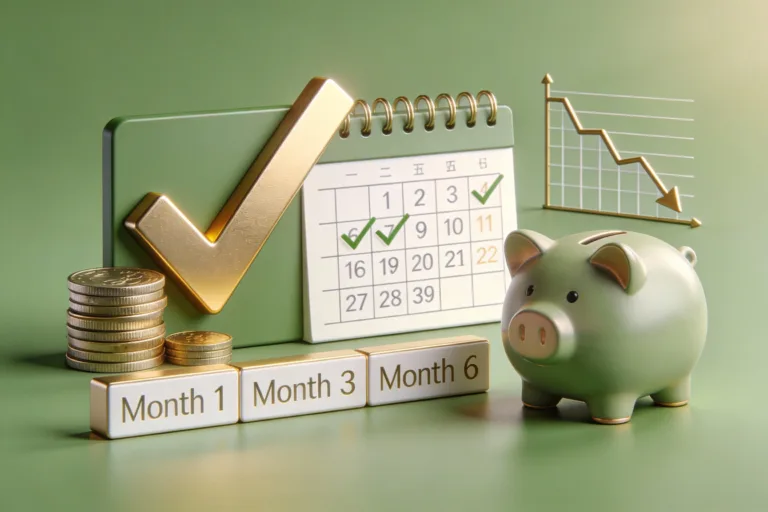
Your Simple Debt Payoff Timeline (Even on a Tight Budget)
Debt hanging over your head? Let’s give it a calendar date to disappear. A clear debt payoff timeline turns vague stress into a plan you can actually follow. I’ll walk you through how to build one that fits your life, not just a spreadsheet. No fluff, no shame—just steps that work and a little cheering along the way.
Get Your Full Debt Picture (Yes, All of It)
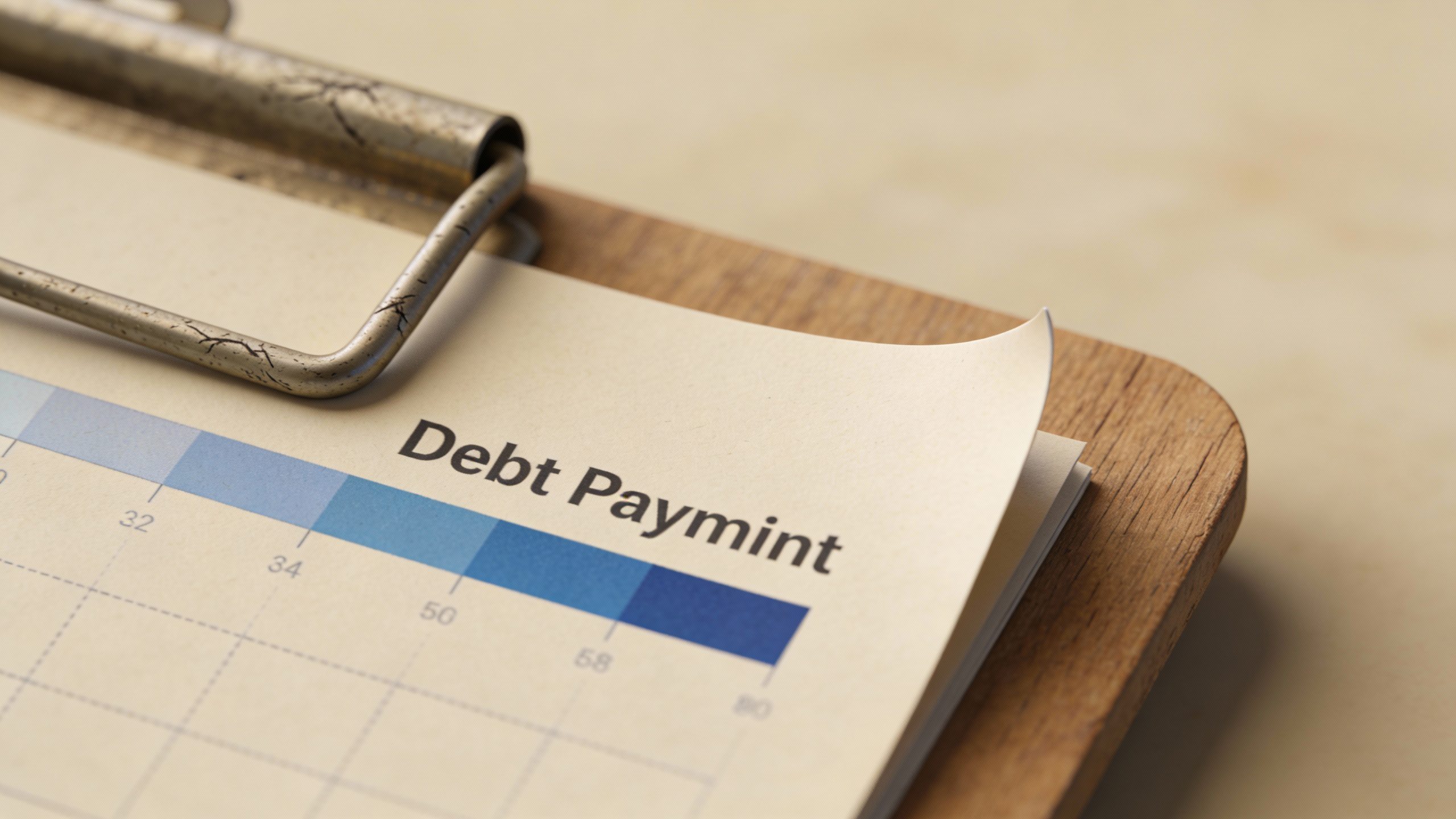
You can’t build a timeline if you’re guessing. Pull every balance, APR, and minimum payment into one place. Credit cards, student loans, car notes, the rogue store card from that one Black Friday—add them all.
- List each debt: lender, current balance, interest rate (APR), and minimum payment.
- Note special rules: teaser rates, variable APRs, payoff penalties, or hardship options.
- Check your credit report: make sure nothing sneaky hides in collections. FYI, you get free annual reports.
Pro tip: Put everything in a simple sheet. If you can’t see it, you can’t fix it.
Set a Realistic Payoff Target Date
Pick a target date that motivates you without breaking your budget. Aggressive timelines look cool on TikTok but you still need groceries and, you know, joy.
- Choose a date range: e.g., “Debt-free by December 2027.”
- Define your monthly payoff amount: minimums + extra you can throw at debt.
- Run a quick test: if the math says your date needs $1,200/month but you only have $500, adjust the date—not your rent.
How Much Extra Should You Pay?
Start with your basic budget. Then automate an “extra debt” line item like any other bill. Even $50-$100 extra per month can shave months (or years) off your timeline. IMO, automatic transfers help future-you stay on track when motivation dips.
Pick Your Payoff Strategy: Avalanche vs. Snowball
You have two proven options. Both work; choose the one you’ll stick with without rage-quitting.
- Avalanche: Pay extra on the highest interest rate debt first. This saves the most money over time.
- Snowball: Pay extra on the smallest balance first. This gives quick wins and momentum.
Which One Should You Use?
– If you love efficiency charts and hate interest, go avalanche.
– If motivation matters and you want fast wins, go snowball.
– Not sure? Start snowball for 2-3 months to build confidence, then switch to avalanche. Hybrid plans exist, and yes, you can be both practical and dramatic.
Build the Actual Timeline
![sticky note reading “Debt-Free by [Date]” on wall, closeup](https://mybudgetedit.com/wp-content/uploads/2026/01/temp_1768756676309.jpg)
You’ve got the data and the method. Now convert it into dates you can circle on a calendar.
- Order your debts based on your chosen strategy.
- Allocate money: Pay minimums on everything. Put all extra toward the top-priority debt.
- Forecast months to payoff for that top debt. Then roll that entire payment into the next debt (the “debt snowball” effect, even if you chose avalanche).
- Create milestone dates: “Card A gone by May,” “Car paid off by next March,” etc.
Quick Math Without Fancy Tools
– For credit cards, assume interest compounds monthly.
– A rough formula: if you pay more than the monthly interest, the balance shrinks fast. If not, it crawls.
– Use a payoff calculator (plenty online) to get your dates. It’ll keep you from doing algebra you never wanted.
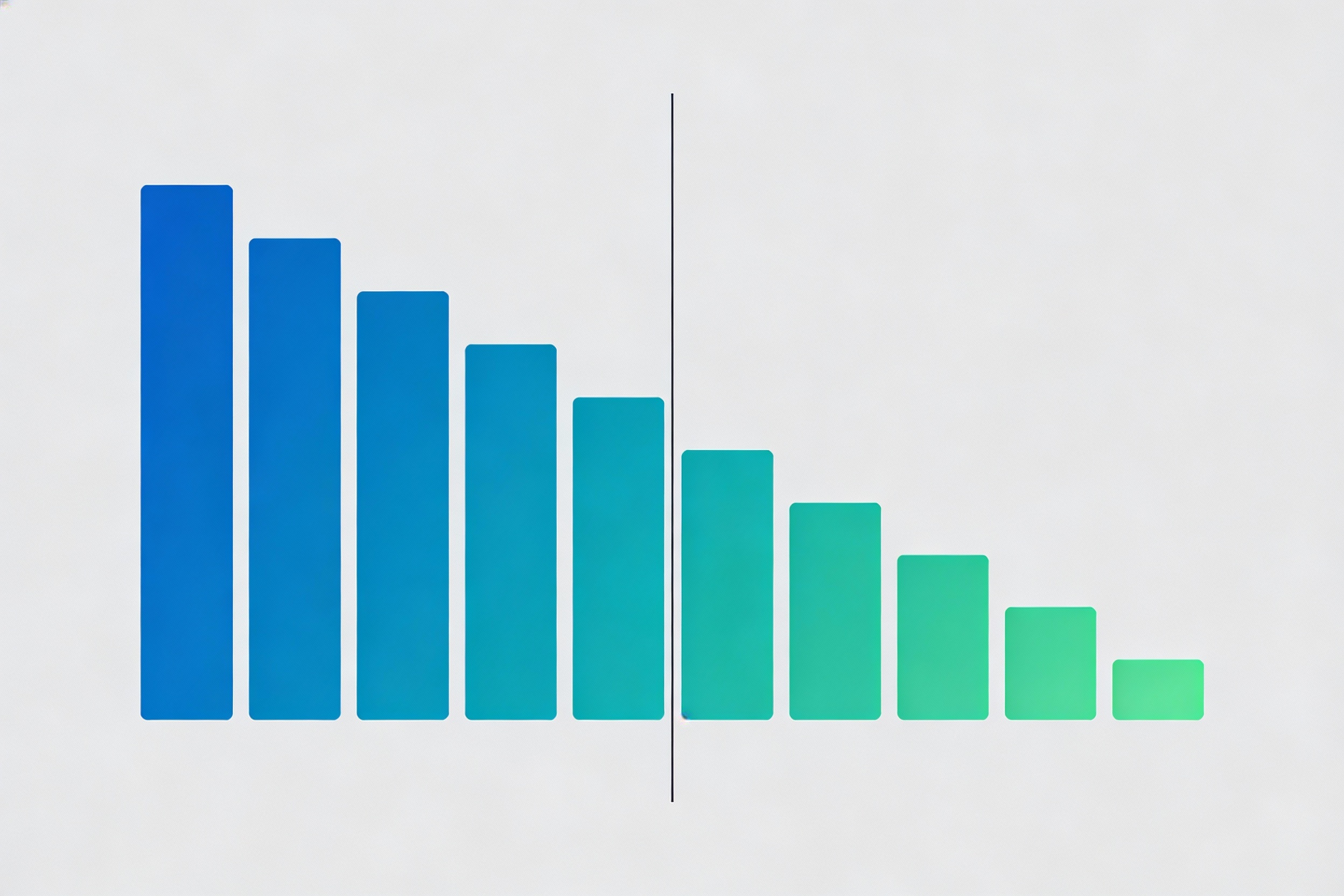
Make it visual: a simple timeline bar or checklist on your fridge or phone works wonders.
Lock in Your Budget and Automations
You planned the timeline; now make it automatic so your willpower can relax.
- Automate minimums for every debt to avoid late fees.
- Automate your extra payment to your top-priority debt right after payday.
- Set alerts for due dates, fraud, and balance changes.
Cut a Few Costs (Without Hating Life)
Look for painless cuts that add up:
- Renegotiate insurance, internet, or phone plans.
- Cancel duplicate subscriptions (you don’t need four music apps).
- Redirect windfalls: tax refunds, bonuses, or side-hustle money go straight to the current target debt.
Boundaries help: Give yourself a small fun budget so you don’t rebel and buy a kayak you’ll use twice.
Plan for Curveballs
Debt timelines die when emergencies hit. Build a tiny buffer so your plan survives real life.
- Emergency fund starter: aim for $500–$1,500 first. You can grow it later.
- Irregular expenses: car maintenance, annual fees, gifts—budget a monthly “sinking fund.”
- Rate changes: if you carry variable APRs, watch for increases and adjust the timeline when needed.
Consider Refinancing or Consolidation
– Balance transfer cards: 0% promo APR can help, but pay it off before the promo ends. Watch transfer fees.
– Debt consolidation loan: one fixed payment may lower rates and simplify life. Only helpful if you stop using the old cards.
– Refi student or auto loans: can reduce interest, but confirm you won’t lose important protections on student loans.
FYI: consolidation is a tool, not a magic spell. Run the numbers first.
Track Progress and Celebrate Milestones
You need wins to stay in the game. Make your progress obvious and fun.
- Monthly check-in: update balances, confirm automations, and adjust your timeline if anything changed.
- Visual trackers: a debt thermometer, spreadsheet chart, or app widgets.
- Celebrate smart: small, budgeted rewards when you kill a debt. Burrito? Hike? Movie night? Yes please.
When to Adjust Your Plan
– You get a raise or side income? Increase your extra payment and move the finish line closer.
– You hit a rough patch? Reduce extra for a month or two, protect your emergency fund, and resume.
– New debt popped up? No shame. Rebuild the timeline and keep going. Persistence beats perfection, IMO.
FAQ
How do I choose between avalanche and snowball if I’m torn?
Pick the one you’ll actually follow. If you need motivation fast, go snowball for the quick wins. If interest costs make your eye twitch, avalanche it is. You can always switch later—your plan serves you, not the other way around.
Should I pay off debt or build savings first?
Start with a small emergency fund ($500–$1,500) so you don’t swipe a card when life happens. Then prioritize debt payoff while maintaining that buffer. After high-interest debt is gone, ramp up savings hard.
What if my budget doesn’t allow any extra payments?
Look for small wins: renegotiate bills, pause subscriptions, sell a few items, or add a tiny side income. Even $25–$50/month changes the timeline. Meanwhile, protect on-time minimums to avoid fees and credit dings.
Are biweekly payments helpful?
Yes, especially on installment loans. Biweekly schedules create an extra full payment each year and can cut interest. Just confirm your lender applies payments immediately, not holding them until month-end.
Is consolidation always a good idea?
No. It helps if it lowers your interest and you stop using the old credit lines. If fees are high or the rate barely improves, it might just stretch debt longer. Run the math and consider your habits.
How often should I update my timeline?
Monthly works for most people. Update balances, check for rate changes, and confirm automations. Quarterly, revisit your target date and adjust based on real progress.
Bottom Line: Make the Plan, Then Make It Automatic
A debt payoff timeline isn’t a punishment—it’s a way to buy back your freedom on a schedule. Map the debts, choose your method, automate payments, and track milestones like a nerd with excellent taste. You don’t need perfection; you need consistency. Stick with it, tweak when life happens, and watch those balances drop for good.