Debt Payoff Motivation That Actually Works
Let me guess—you started your debt payoff journey super fired up, swore you’d crush those balances, and then… life happened 😅. Suddenly the motivation dipped, the credit card stared back at you, and that zero balance felt like a fantasy. I’ve been there. Debt payoff motivation sounds exciting at first, but sticking with it? That’s the real boss fight.
So let’s talk honestly—friend to friend—about what actually keeps you motivated to pay off debt in the real world. No guru nonsense. No “just stop buying coffee” lectures. Just practical, human strategies that work even when motivation feels flaky.
Why Debt Payoff Motivation Fades (And Why That’s Normal)
Before we fix motivation, let’s clear something up.
Motivation Isn’t Broken—It’s Human
Motivation fades because debt payoff takes time. Your brain loves instant wins, not 36 monthly payments. You don’t lack discipline. You just react like a normal human with a nervous system.
Ever notice how motivation feels high right after you make a plan? Then week three hits and you think, “Why am I even doing this?” Yep. Totally normal.
Debt Feels Emotional, Not Logical
Debt hits more than your wallet. It pokes at stress, shame, and anxiety. Numbers on a screen turn into feelings real fast. That emotional weight drains motivation faster than math ever could.
Key truth: You don’t need constant motivation. You need systems that work without it.
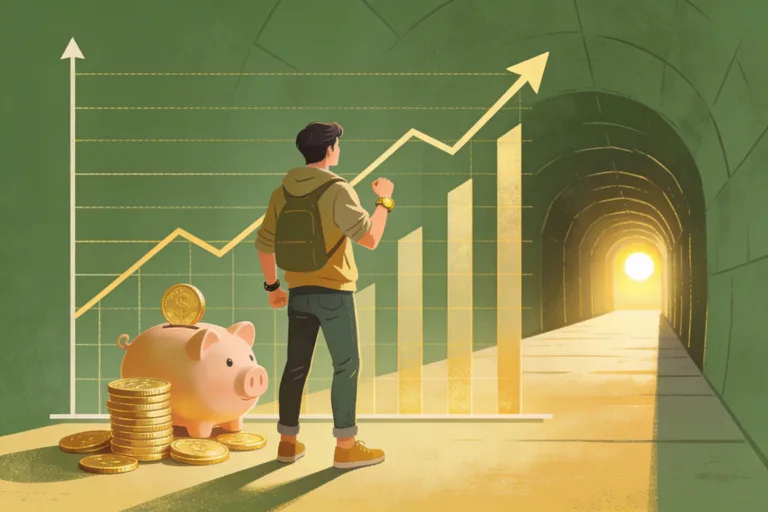
Shift From “Get Out of Debt” to “Build Momentum”
Here’s a mindset shift that changed everything for me.
Stop Obsessing Over the Finish Line
If you stare at your total debt every day, you’ll burn out. A $27,000 balance doesn’t exactly scream “fun challenge.”
Instead, focus on momentum, not perfection.
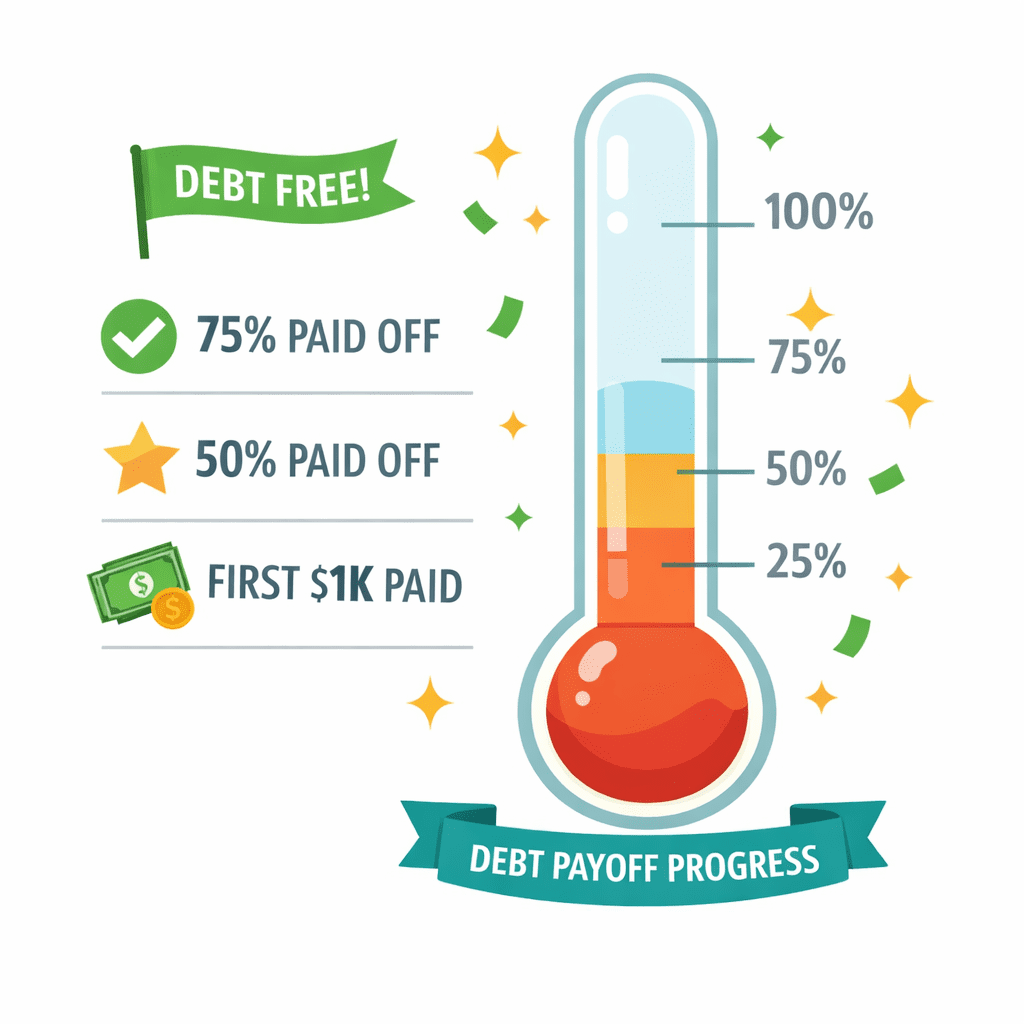
Track Progress Visually (Yes, It Matters)
I love visuals. My brain loves visuals. Your brain probably does too.
Try:
- Coloring a debt payoff thermometer
- Crossing off balances on paper
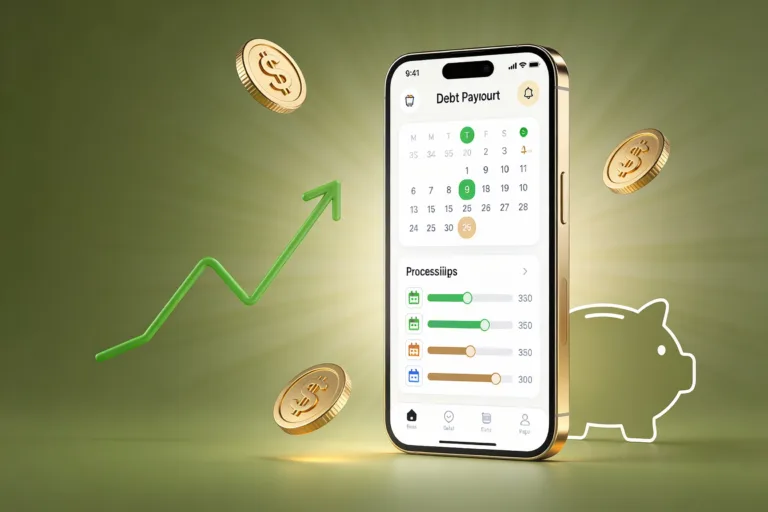
- Watching a progress bar shrink monthly
Seeing progress creates motivation, even when the numbers feel slow.
FYI—apps help, but pen-and-paper hits different.
Use Small Wins to Hack Your Brain
Small wins keep motivation alive longer than willpower ever will.
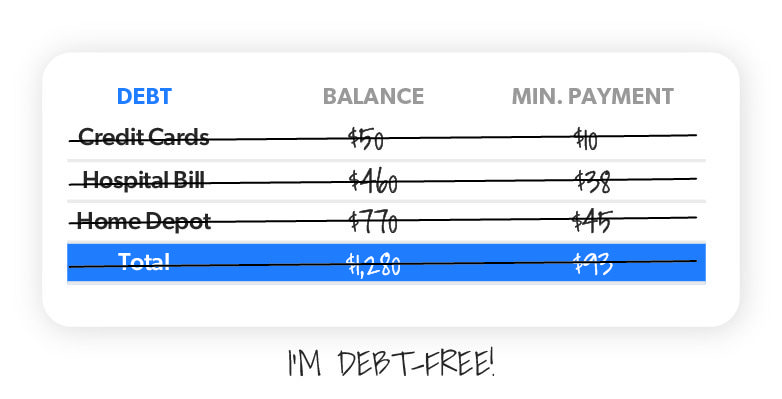
Pay Off Something Small First (No Guilt Allowed)
Yes, the avalanche method saves more interest. Yes, math people love it. But motivation people? We love wins.
Paying off a tiny balance:
- Feels amazing
- Builds confidence
- Makes you want to keep going
IMO, motivation beats optimization every time.
Celebrate Without Sabotage
Celebrate progress—but don’t blow $300 after paying off $500. That’s emotional whiplash.
Try rewards like:
- A movie night
- A fancy coffee at home
- A guilt-free afternoon off
Celebrate effort, not spending.
Tie Debt Payoff to a Bigger “Why”
Numbers don’t motivate long-term. Meaning does.
Ask Yourself the Uncomfortable Questions
Why do you want to be debt-free?
Freedom? Less stress? More choices? Better sleep?
I wanted peace. I wanted my money to stop yelling at me every month.
Write Your “Why” Where You’ll See It
Put your reason:
- On your phone lock screen
- Inside your budget notebook
- On a sticky note near your desk
When motivation dips, your “why” pulls you forward.
Ever noticed how powerful reminders feel at the right moment? Yeah—use that.
Automate Decisions So Motivation Doesn’t Matter
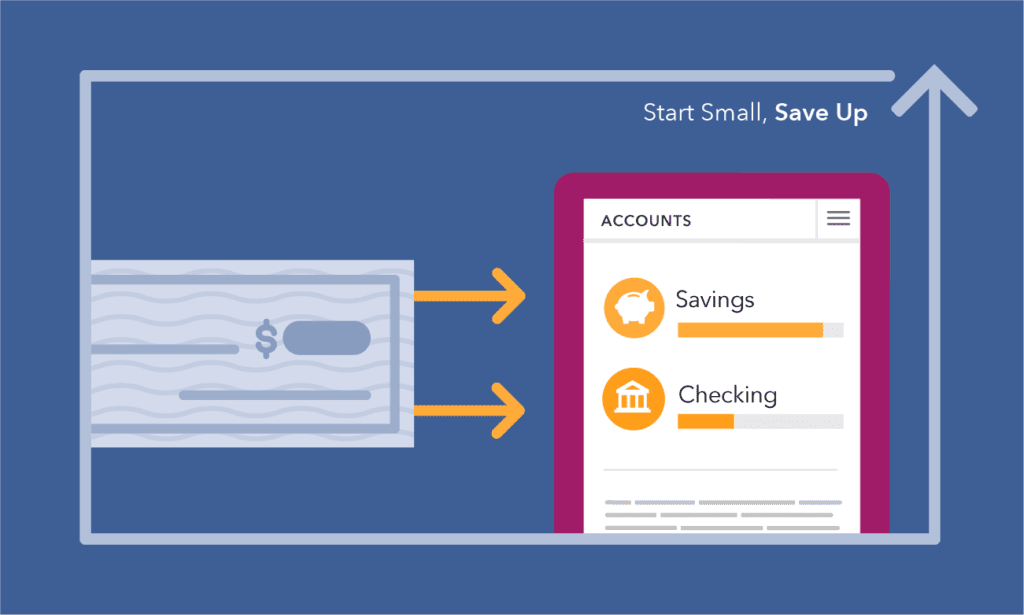
Here’s a hard truth: motivated people don’t win—consistent systems do.
Set Debt Payments on Autopilot
When payments happen automatically:
- You avoid decision fatigue
- You remove temptation
- You stay consistent even on bad days
Motivation becomes optional. That’s the goal.
Use “Pay Yourself First” Logic for Debt
Treat debt payments like rent. Non-negotiable. No emotions. Just done.
Automation keeps you moving forward even when you feel “meh” about money.
Make Your Environment Support Debt Payoff
Motivation thrives in the right environment.
Reduce Temptation Without Willpower
You don’t need more self-control. You need fewer triggers.
Try this:
- Remove saved cards from shopping apps
- Unsubscribe from sales emails
- Keep credit cards physically out of reach
Out of sight actually helps.
Surround Yourself With Debt-Free Energy
Follow people who talk honestly about money. Not flashy influencers—real humans.
When debt payoff feels normal, you stop feeling weird for choosing progress over impulse.
Use Accountability (Even If It Feels Awkward)
Let’s be real—accountability works.
Tell One Person Your Goal
Just one. A friend. A partner. A sibling.
When someone knows your plan, quitting feels harder—and that’s a good thing.
Track Progress Publicly (If You’re Brave)
Some people post updates online. Some text a friend monthly. Some use spreadsheets religiously.
Pick what feels safe, not stressful.
Accountability turns intention into action.
Expect Motivation to Dip—And Plan for It
Here’s the secret nobody says out loud.
Motivation Will Drop. That’s Fine.
You don’t need to feel excited every month. You need to show up anyway.
When motivation dips:
- Reduce friction
- Revisit your “why”
- Focus on the next small win
Progress loves consistency, not hype.
Ever pushed through something hard without motivation? Same energy here.
Use Visual Milestones to Stay Engaged
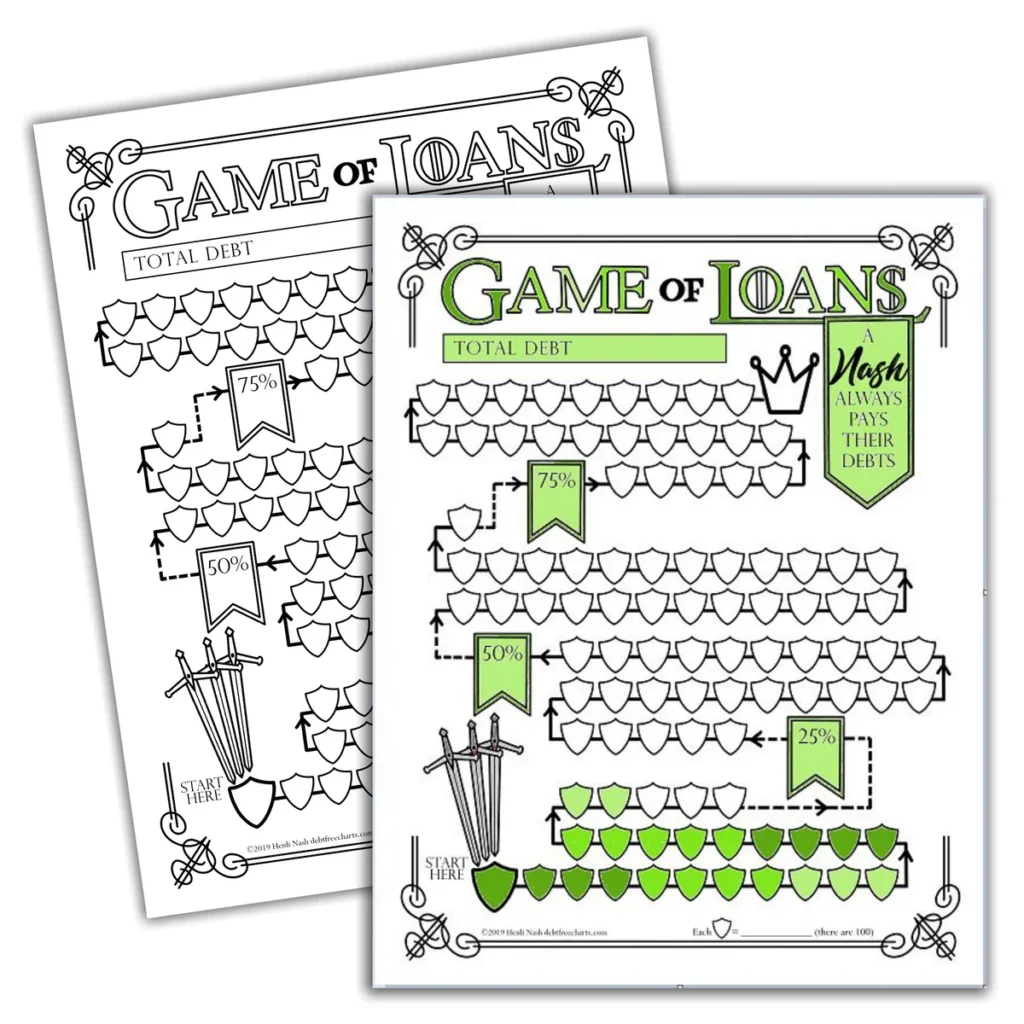
Milestones give your brain something to chase.
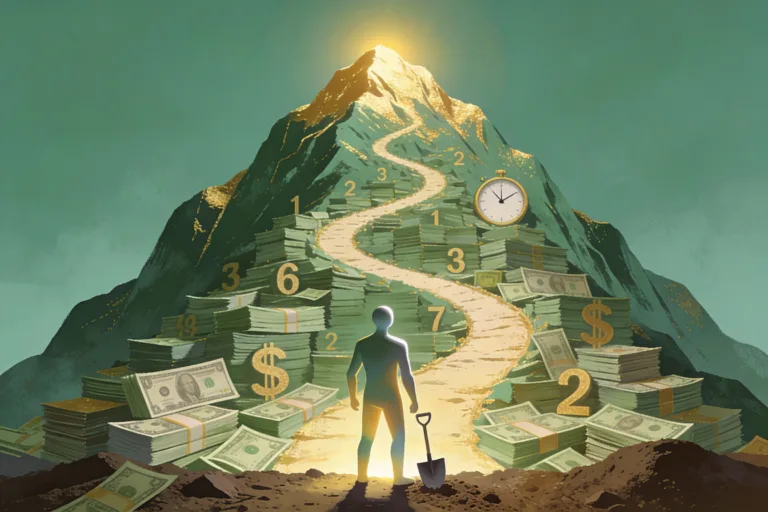
Break Big Debt Into Smaller Targets
Instead of “pay off $30,000,” aim for:
- First $1,000 gone
- First card paid off
- 25% debt-free mark
Each milestone resets motivation.
Gamify the Process
Turn debt payoff into a challenge:
- Countdown charts
- Monthly goals
- Progress trackers
Games keep things interesting. Boring kills motivation.
Talk to Yourself Like a Teammate, Not a Drill Sergeant

This one matters more than you think.
Drop the Shame Narrative
Debt doesn’t make you bad. It makes you human in a system built on borrowing.
Shame drains motivation. Compassion fuels progress.
Encourage Yourself Out Loud
Say things like:
- “I’m doing better than last month.”
- “This is hard, and I’m still showing up.”
- “Progress counts, even when it’s slow.”
Yes, it feels weird. Yes, it works 🙂
When Motivation Still Feels Gone, Do This One Thing
If everything feels heavy, don’t quit.
Just Take the Next Action
Not the whole plan. Not the entire budget.
Just:
- Make one payment
- Review balances for five minutes
- Adjust one expense
Action creates motivation—not the other way around.
That trick saved me more times than I can count.
Debt Payoff Motivation Comes From Progress, Not Pressure
Let’s wrap this up honestly.
Debt payoff motivation works best when you:
- Focus on momentum, not perfection
- Build systems that don’t rely on willpower
- Celebrate small wins
- Tie progress to a meaningful “why”
- Speak to yourself with patience
You don’t need to feel inspired every day. You need to keep moving, even when motivation naps on the couch.
So take the next step—small, imperfect, and real. Your future self already thanks you 😉