
Debt Payoff Checklist to Get Out of Debt Faster
Got debt? Of course you do—you’re human. Maybe it’s a credit card balance that’s been creeping up like a bad houseguest, or student loans that make you question every life choice since kindergarten. Whatever it is, you’re not doomed. You just need a plan. Here’s a no-BS, beginner-friendly checklist to tackle debt without losing your mind.
Step 1: Face the Music (AKA Know What You Owe)
Before you can slay the debt dragon, you gotta know how many heads it has. Spoiler: Ignoring statements won’t make them disappear.
Here’s how to rip off the Band-Aid:
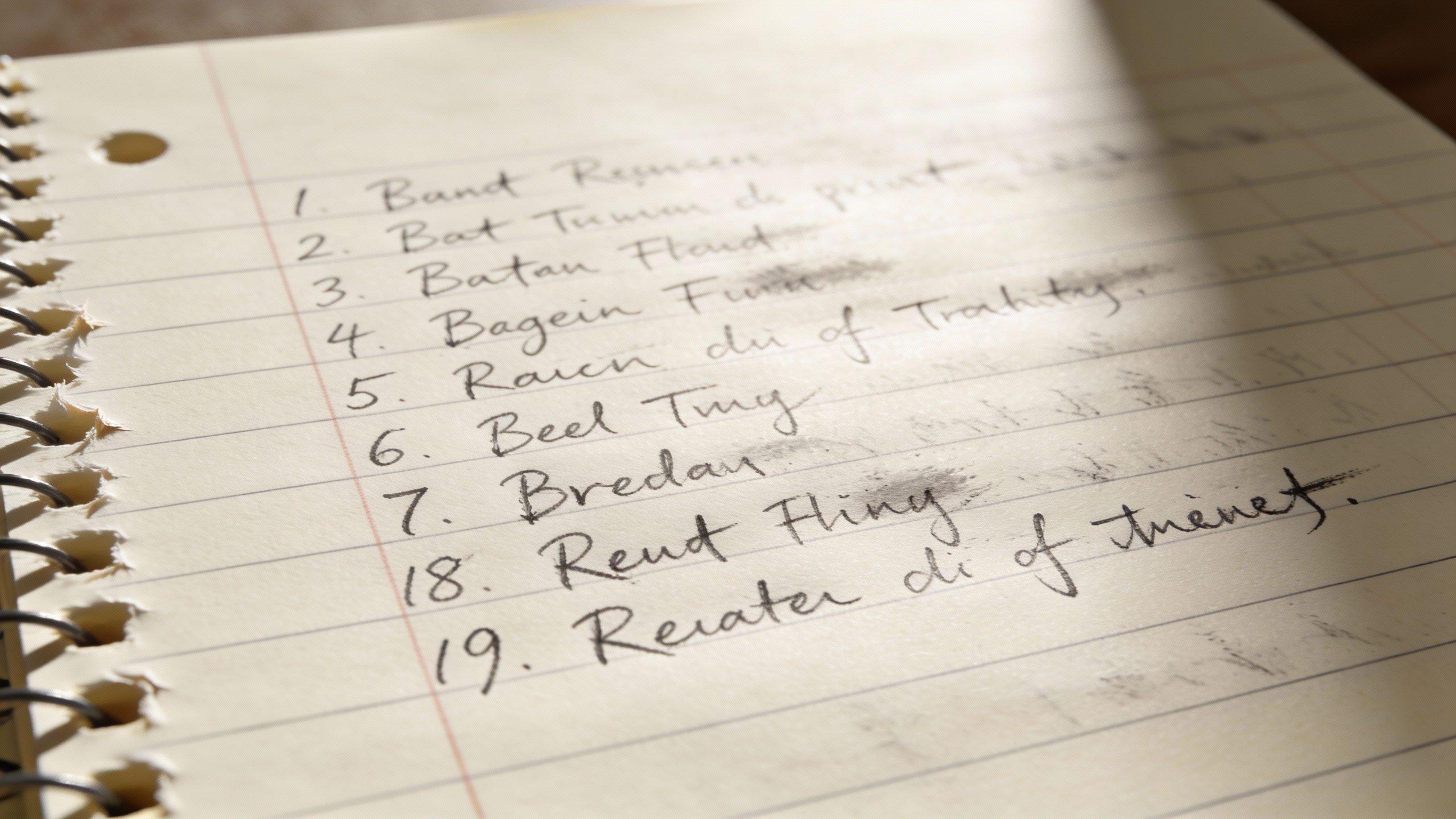
- List every debt: Credit cards, student loans, car payments, that $20 you borrowed from your cousin in 2017—write it all down.
- Note the details: Balance, interest rate, minimum payment. Yes, the high-interest ones are the ones plotting against you.
- Use a tracker: Spreadsheets, apps (Mint, YNAB), or a napkin—whatever works. IMO, seeing it all in one place is half the battle.
Pro Tip: The “Oh Crap” Moment Is Normal
Feeling overwhelmed? Good. That means you’re paying attention. Debt isn’t abstract anymore—it’s a spreadsheet with your name on it. Now you can actually *do* something about it.
Step 2: Pick Your Payoff Strategy (Snowball vs. Avalanche)

There are two main ways to attack debt, and both work—just differently. Choose your fighter:
- The Snowball Method: Pay off the smallest balances first. Quick wins keep you motivated. Perfect if you need dopamine hits to stay on track.
- The Avalanche Method: Target the highest-interest debt first. Saves you more money long-term. Best for the ruthlessly logical.
FYI, personal finance nerds love arguing over this. But the real answer? Whichever one you’ll stick with. Paying *something* aggressively is better than debating strategy forever.
Step 3: Stop Digging the Hole (Seriously, Put Down the Shovel)

You can’t fill a leaky bucket. While paying off debt:
- Freeze your credit cards. Literally. Stick them in a block of ice if you have to.
- Switch to cash/debit. Yeah, it’s less convenient. That’s the point.
- Cancel subscriptions you don’t use. That gym membership you haven’t touched since January? Gone.
But What If I *Need* to Use Credit?
Fine, keep *one* card for emergencies—but define “emergency” strictly. No, a 50%-off sale at your favorite store doesn’t count.
Step 4: Throw Every Extra Dollar at Debt
Here’s where the magic happens. You’ve got two levers to pull:
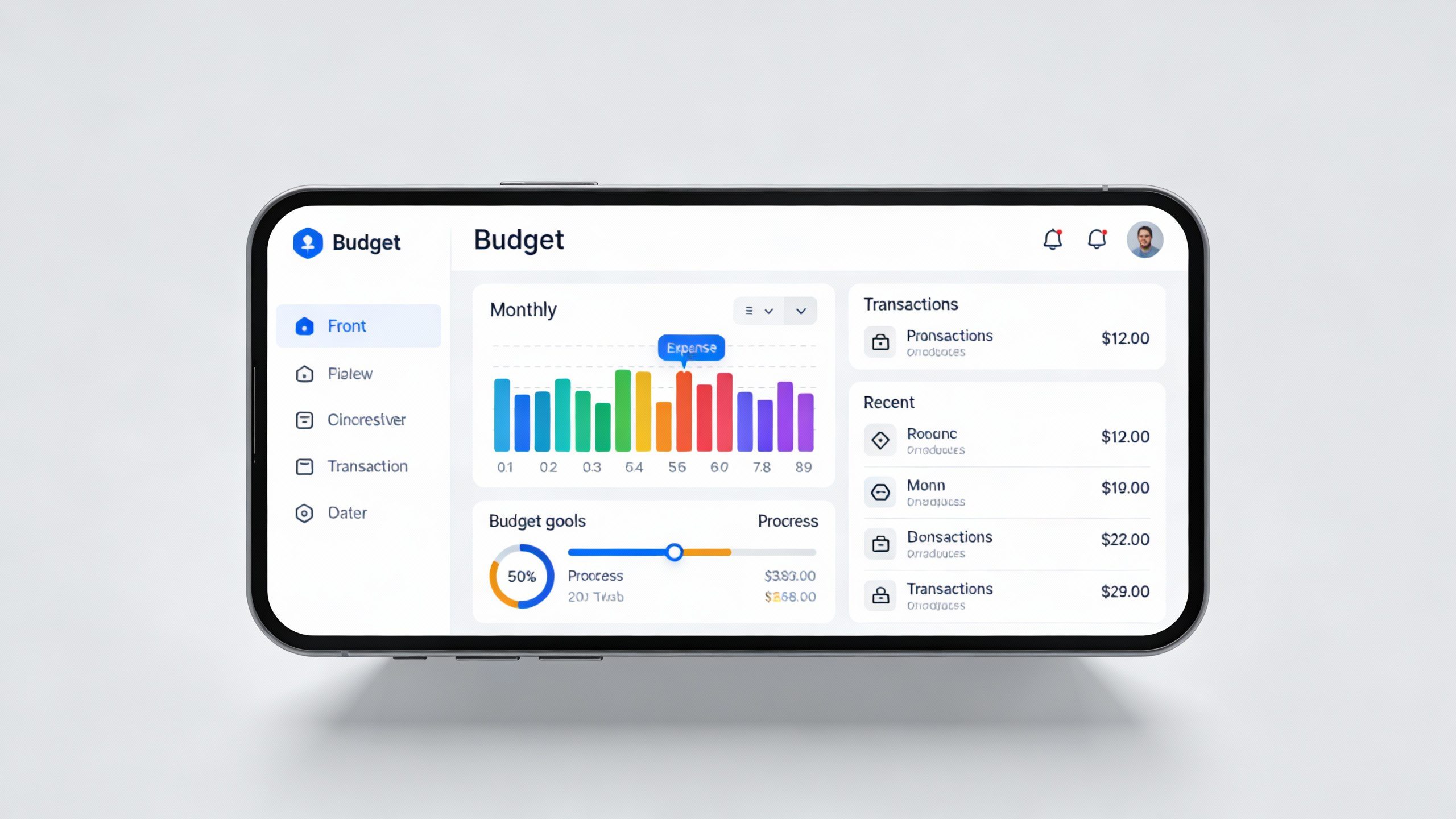
- Make more money: Side hustles, selling stuff, or (gasp) asking for a raise.
- Spend less: Meal prep, negotiate bills, or embrace the joy of not buying things you don’t need.
Even small amounts add up. Found $50 in your couch cushions? Debt payment. Got a birthday check from Grandma? Debt payment. Your future self will high-five you.
Step 5: Automate & Celebrate (Yes, Really)
Humans are forgetful creatures. Set up automatic payments for at least the minimums—missed payments wreck your credit and cost fees.
But here’s the fun part: Celebrate wins. Paid off a card? Do a victory dance. Knocked out a loan? Treat yourself (cheaply). This stuff is hard; acknowledge progress.
FAQ: Because You’ve Got Questions
Should I save while paying off debt?
Yes, but keep it minimal. Stash $1,000 for emergencies first (so you don’t rely on credit), then go all-in on debt.
What if I can’t even afford the minimums?
Call your lenders ASAP. Many have hardship programs. Ignoring it only makes things worse—trust me.
Does debt consolidation work?
Sometimes. It can lower interest rates, but don’t use it as an excuse to take on *more* debt. Tread carefully.
How long will this take?
Depends on your debt and how aggressive you are. Could be months, could be years. But time will pass anyway—may as well be debt-free at the end.
Will this ruin my credit score?
Short-term, maybe (closing accounts can ding it). Long-term, being debt-free *helps* your credit. Priorities, people.
What’s the biggest mistake beginners make?
Quitting because it’s hard. Debt payoff isn’t linear. Some months you’ll crush it; others, you’ll barely scrape by. Keep going.
You’ve Got This
Debt feels like a life sentence, but it’s just math. One payment at a time, one less balance to worry about, until one day—poof—you’re free. No magic tricks, no secrets. Just persistence. So grab your checklist, pick a strategy, and start. Future you is already cheering.