
How to Avoid Burnout During Debt Payoff Without the Burnout
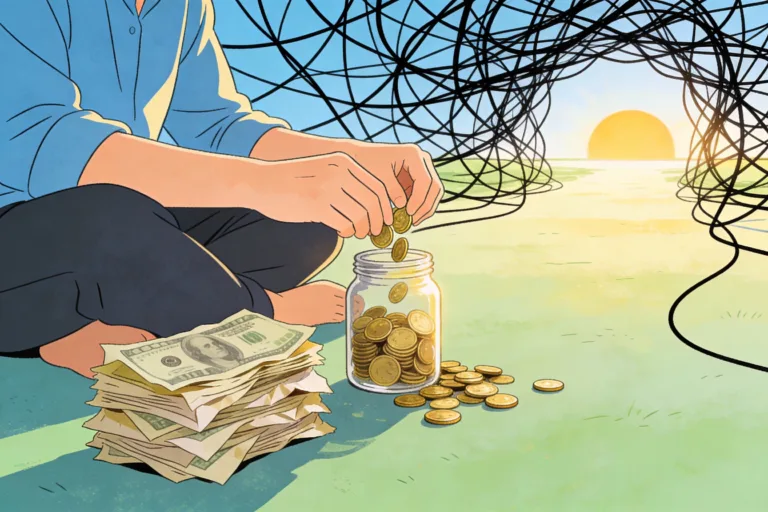
I get it. Debt is loud, relentless, and exhausting. Burnout sneaks up when your budget squeaks and your adrenaline is spent chasing every due date. Let’s dial down the chaos and keep your energy intact while you pay off what you owe. You don’t need a magic wand—just a practical plan and a few small moves you can actually stick to.
Set the vibe, not just the budget
When debt feels like a treadmill with a bad cameo from stress, your environment matters. Create a micro-habit zone that signals “we’re in payoff mode.” This isn’t medieval fasting; it’s a small, friendly routine.
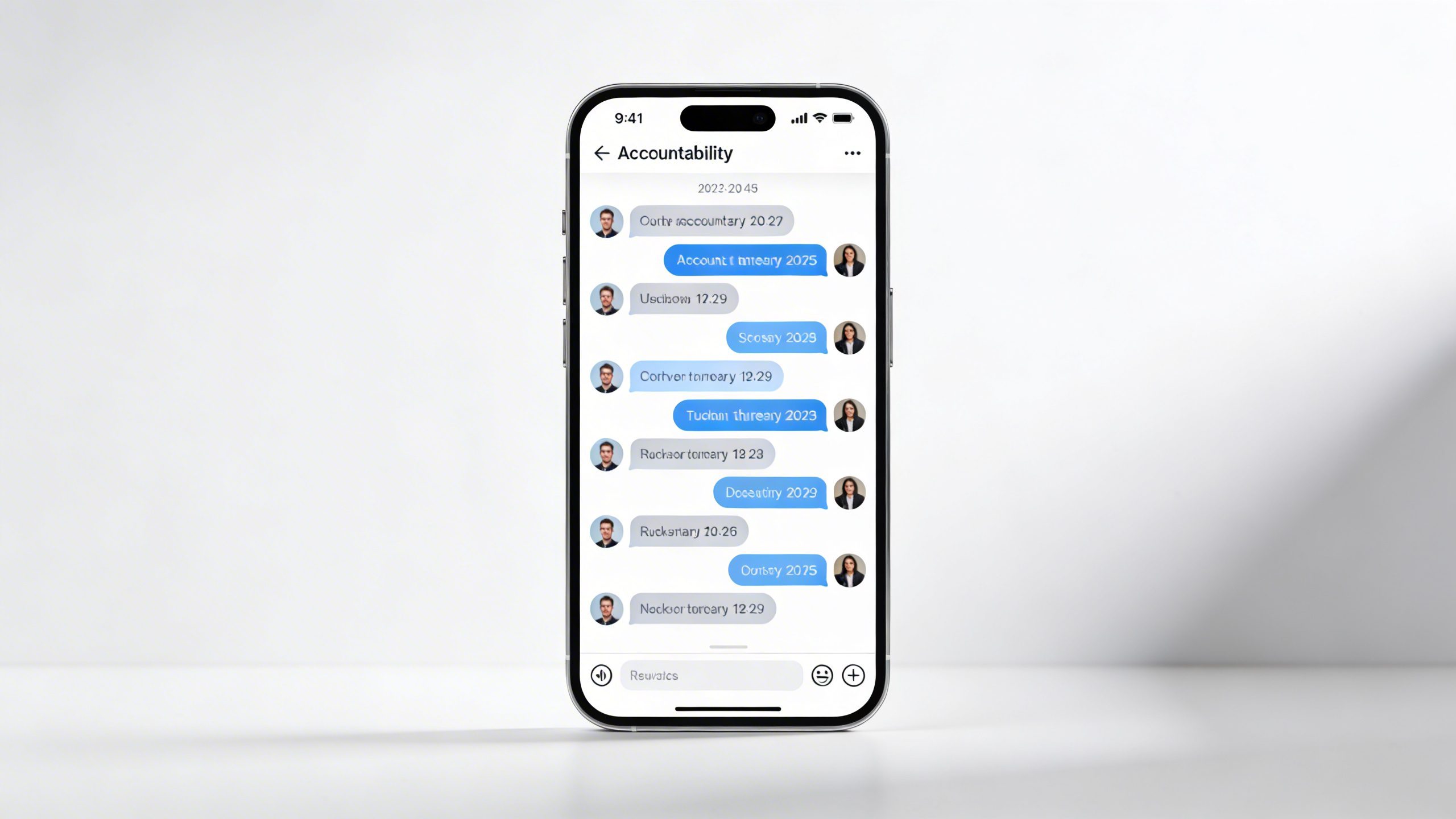
– Pick a payoff buddy or accountability text thread. Seeing someone else rooting for you turns “I can’t” into “I won’t quit.”
– Establish a weekly 15-minute money check-in. No doomscrolling, just quick wins and next steps.
– Rename the debt game in your head. Call it a checkpoint, not a punishment. FYI, mindset matters more than you think.
Prioritize with intention, not guilt

Debt payoff isn’t a moral test. It’s a plan with clear wins. Start by understanding what to tackle first without turning your life into a spreadsheet prison.
Two smart prioritization rules
- Snowball method: List debts from smallest balance to largest. Pay minimums on all but the smallest, then throw whatever you can at that tiny debt. When it melts, roll its payment to the next one. Momentum, baby.
- High-interest first: If the interest rate is wrecking your total, tackle the highest rate debt first. This saves money in the long run, even if it feels slower in the moment.
– Mix and match: Start with a small win to build confidence, then switch to the high-interest tactic if it makes more sense for your situation.
– Don’t ignore essentials. You can’t starve health or safety for the sake of a payoff. Keep basics covered.
Protect your energy with practical boundaries
Debt payoff is a marathon, not a sprint. You’ll burn out if you sprint for weeks straight. Build guardrails that keep you moving without torching your happiness.
Boundaries that actually stick
- Automatic payments on autopilot for essential debts to avoid late fees. If you’re forgetful, automation is your best friend.
- Spending limits: Give yourself a “fun budget” each week. You’ll crave the cupcake of freedom less if you know you’ve earned it elsewhere.
- Debt-free zone hours: No new debt during a chosen window (e.g., Sundays, or paydays). It sounds silly, but it helps reset impulses.
– Remember: boundaries aren’t barriers; they’re rails that keep you steady.
– If you slip, forgive yourself quickly and reengage. The point is to stay in the game, not win every round.
Automate, track, and celebrate tiny wins

Automation is boringly brilliant. It keeps you in the game when motivation dips. Tracking is the pep rally your brain always wanted but forgot to invite.
Tools that actually help
- Automatic transfers from checking to debt payoff accounts on payday.
- Spending tracker simple app or a notebook—whatever you’ll actually use. The goal is awareness, not perfection.
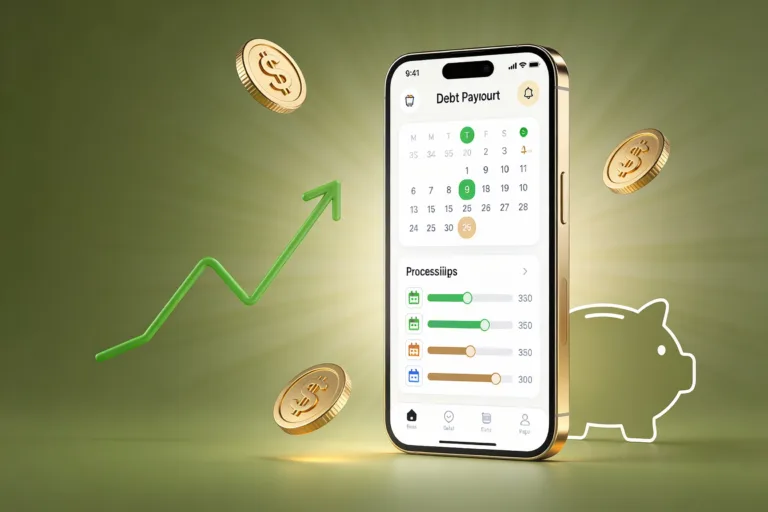
- Debt payoff calculator to visualize how much time you save by paying extra now. Seeing the numbers light up can be surprisingly motivating.
– Celebrate micro-wins. Paid off a small balance? Treat yourself to a small non-monetary victory, like a guilt-free movie night.
– FYI: consistency beats intensity. A little progress daily compounds into real relief over time.
Cut the drama with a flexible plan
Life isn’t a straight line, and debt payoff shouldn’t pretend to be one. Your plan should bend with life’s curveballs while keeping your eyes on the prize.
How to stay adaptable
- Quarterly tune-ups: Reassess your budget every 90 days. If you got a raise, bump up the payoff. If you hit a medical bill, adjust without quitting.
- Emergency buffer: Build a tiny cushion before you slam more money at debt. A $500-ish starter fund reduces the odds you’ll derail the payoff plan for small emergencies.
- Alternate income streams if possible. A side gig or selling unused stuff funds the payoff pile without stealing from your sanity.
– Ask yourself: what’s the smallest change that will keep you moving next week?
– Keep a “no-judgment” mentality. If you need a pause, take it. You’ll come back stronger.
Nobody pays debt alone: leverage support
Debt payoff can feel isolating, but you don’t have to go it solo. The right support makes a big difference in staying sane.
Who to bring into your corner
- Your partner or household members: align on goals and boundaries so you don’t trip over competing priorities.
- A financial coach or advisor: not a guilt-trip artist, but someone who helps you see options you might miss.
- Friends with similar goals: swap tips, share templates, and commiserate without judgment.
– If you’re solo, consider a weekly accountability call with a friend. It’s amazing how a 15-minute chat can reset your week.
– Remember: you’re not asking for permission to live; you’re asking for someone to ride shotgun while you steer toward financial stability.
Mind the mental load: staying sharp without burning out
Debt payoff isn’t just math; it’s psychology in disguise. Manage the mental load so you can keep your focus without spiraling.
Mindset shifts that help
- Frames over guilt: reframe mistakes as data, not character flaws. What did you learn, and what will you do differently?
- Focus on control: you can choose how much to pay, when, and where. You control the inputs; the outputs take care of themselves.
- Be honest about burnout: if you’re fried, pause. Pushing through fatigue isn’t heroic—it’s a recipe for a setback.
– Use a quick mental check: Are you making progress, or is the pressure turning you numb? If the answer is the latter, adjust course.
– IMO, a little humor helps. If debt had a personality, it would be that one friend who shows up uninvited, eats your snacks, and never leaves. Don’t let it win.
Common pitfalls and quick fixes
You don’t have to reinvent the wheel. Here are frequent rookie mistakes and how to dodge them.
- Pitting debt payoff against essential life goals: Kill the false dichotomy. Pay debt, save a little, and still have a life.
- Over-optimizing the budget: If your plan is too tight, you’ll abandon it. Build a plan you can live with, not a fantasy you can’t afford.
- Ignoring minimums: Always cover minimum payments; missing them hurts your credit and your momentum.
– Quick fix for inconsistency: set three non-negotiable actions per week (e.g., automatic transfer, monthly budget review, one debt payment above minimum). If you hit them, you’re winning.
FAQ
Is it worth paying off small debts first or go after big ones?
Yes, it depends on your psychology and math. The snowball method builds momentum with quick wins, which can keep you motivated. If you’re motivated by minimizing interest, tackle high-rate debts first. Do what keeps you engaged.
What if I can’t meet the minimums this month?
Communicate early with creditors. Most lenders prefer a heads-up to a default. You can request a payment plan or hardship option. Small, honest steps now beat a meltdown later.
How much should I automate vs. manually handle?
Automate essential payments to avoid fees. Manual handling works well for tracking and adjusting plans. The sweet spot is automation for consistency and human review for strategy tweaks.
Will debt payoff ruin my savings goals?
Not if you balance it. Build a tiny emergency fund first, then allocate extra funds toward payoff. A little savings cushion reduces future risk and stress.
How do I stay motivated over a long payoff period?
Celebrate milestones, visualize progress, and keep a support system. Short weekly wins beat long stretches of vague progress. FYI, the payoff journey should feel like steady climbing, not a cliff dive.
Conclusion
Paying off debt without burning out isn’t theoretical magic—it’s smart habits, honest boundaries, and a plan you can actually live with. Start with a clear target, build a sustainable rhythm, and recruit a crew to cheer you on. You don’t have to go fast; you just have to keep going. And when the days feel heavy, remember: you’re not chasing perfection, you’re building a safer, freer future—one small, doable step at a time.