Simple Daily Habits That Save Money Automatically: Effortless Cash Wins
You don’t need a fancy budget app or a math degree to save money every day. You just need simple, repeatable habits that work in real life. This article lays out easy daily moves that quietly trim waste, add up fast, and feel almost effortless. Ready to save without feeling deprived? Let’s dive in.
Turn Small Habits into Big Savings
We all know the big hacks: cutting groceries, negotiating bills, buying used gear. But the real magic happens when you automate tiny daily choices. Think of your money like a slow-but-steady stream: every small action compounds over time. Do a few tiny things consistently, and you’ll notice a surprisingly big difference by the end of the month.
1. Automate Your Savings—Before You See It
If you ever forget to save, this one is for you. Put a plan in place that moves money to savings before you see it in your checking account.
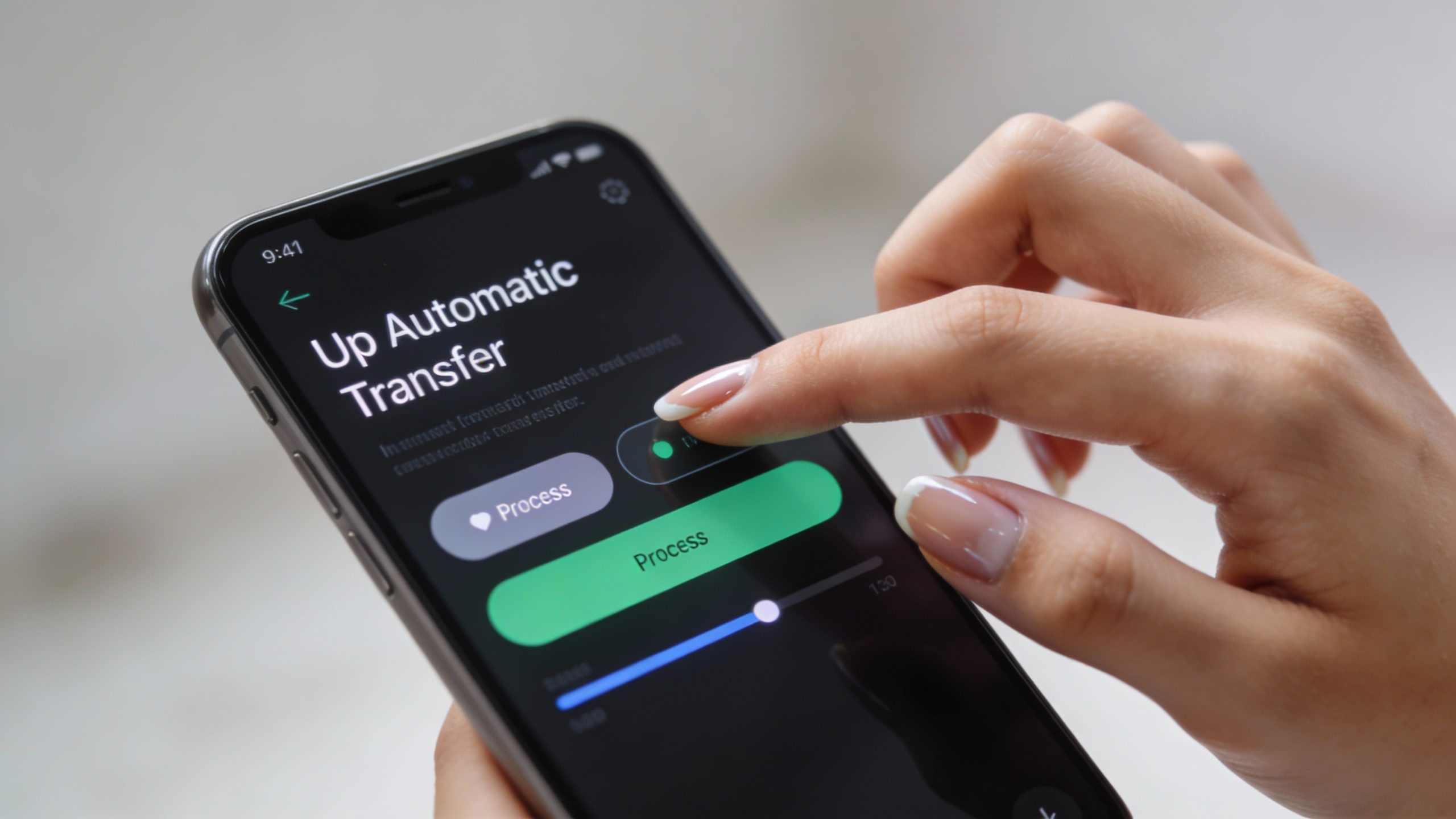
- Set it and forget it: Use automatic transfers to a savings account on payday. Even tiny amounts add up.
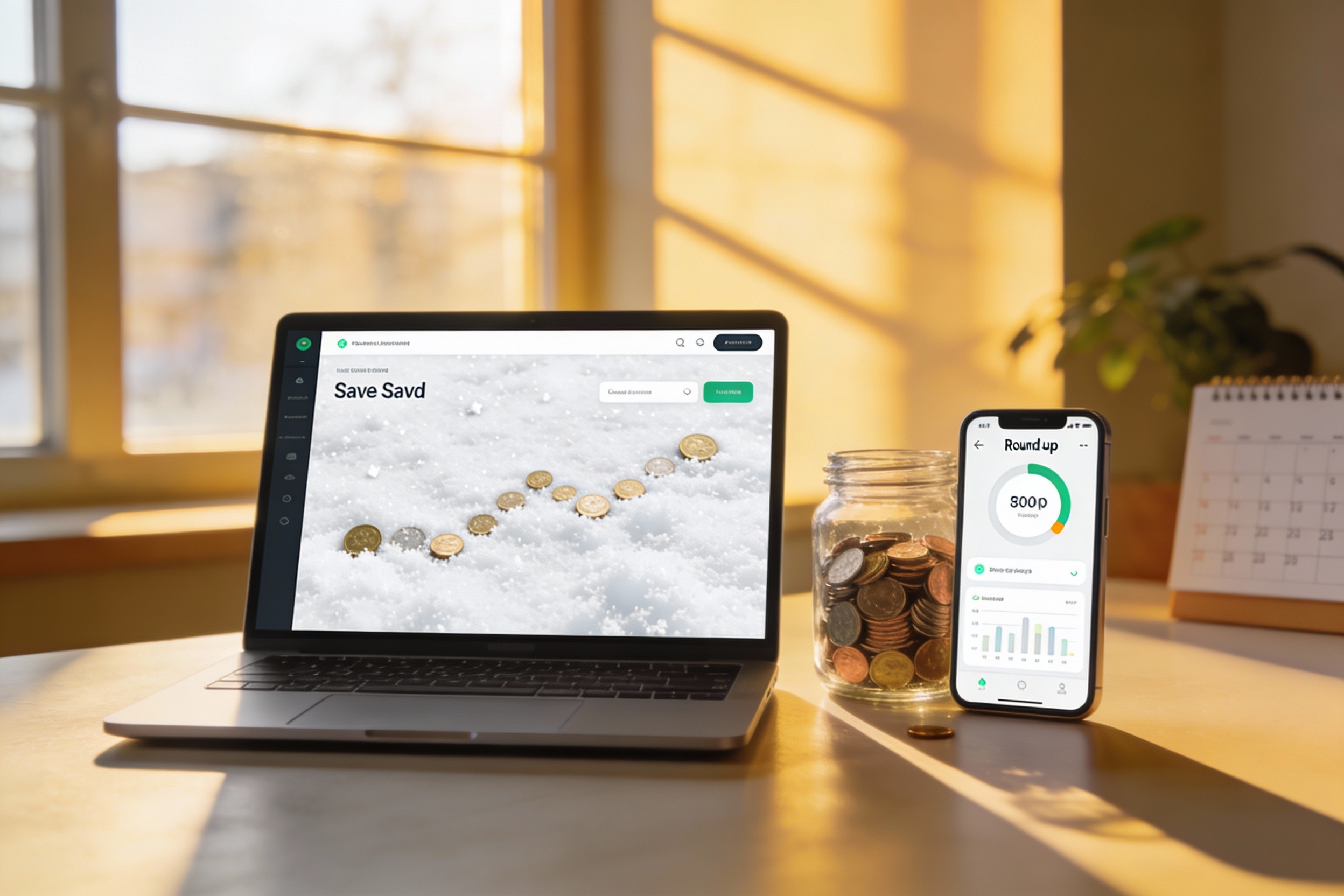
- Round-up rules: Link your card to a round-up feature that pennies up every purchase. That spare change alarmingly becomes a tidy stash.
- Categorize and automate: Create separate buckets (emergency fund, travel, hobby fund) and automate transfers to each on a schedule.
Why it works
Automatic saving removes the temptation to spend first. You’ll feel the “there’s money in there” vibe without lifting a finger after setup. FYI, you’ll probably forget about it until you check the balance—in a good way.
2. Make Groceries Work Overtime for Your Wallet
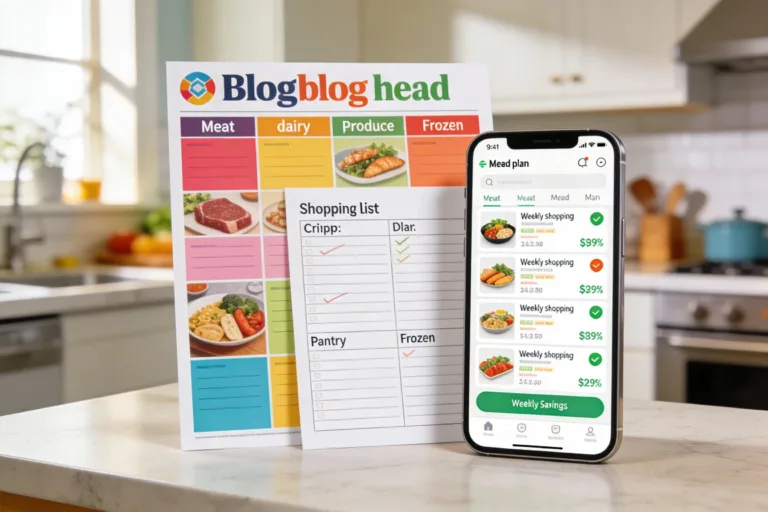
Food is the usual money sink, but you can flip the script with a few steady habits.
- Plan, shop, and prep: A 15-minute weekly plan reduces impulse buys. Make a simple menu and list only what you need.
- Shop with a list and a budget: Stick to the list like a dog to a bone. Don’t snag stuff just because it’s on sale if you didn’t need it.
- Shop the perimeter: Most whole foods live on the outside aisles. Save the middle-for-good deals for occasional splurges.
- Cook once, eat twice: Batch meals and repurpose leftovers. Your future self will thank you during busy evenings.
Smart shortcuts that don’t taste like deprivation
– Buy store brands. They’re usually just as good and significantly cheaper.
– Use loyalty programs, but only if you’ll actually use the rewards. No point collecting points you’ll never redeem.
– Freeze meals in portioned containers. No more expensive takeout on a hectic day.
3. Slash Bills with a Friendly Audit
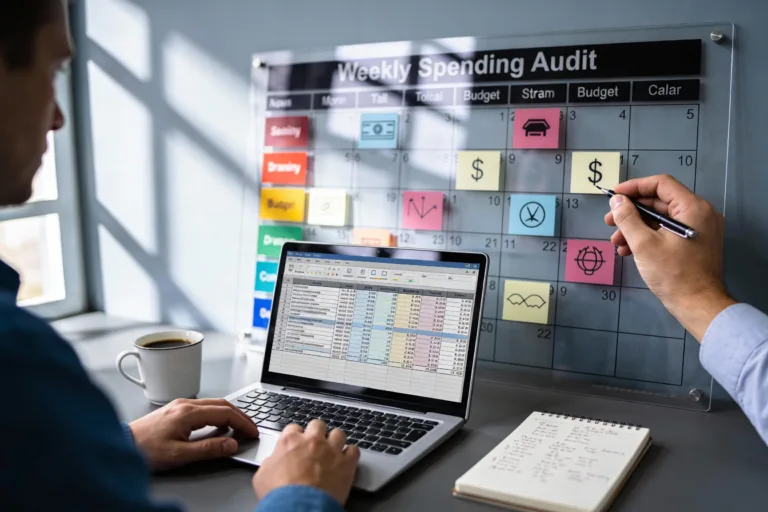
Most people tolerate their monthly bills as if they’re part of the furniture. You don’t have to. A light audit can unlock real savings without sacrificing comfort.
- Phone and internet plans: Compare providers every 12 months. You’ll likely find a cheaper plan or a promo that makes your current one look silly.
- Subscriptions: Cancel what you don’t use. Do you really need ten streaming services you barely touch? Probably not.
- Insurance check: Raise deductibles a bit if you’re symptom-free, or shop around if your current policy feels overpriced.
How to run a quick bill audit
– List all recurring payments for the last 90 days.
– Mark what you actually use and what you don’t.
– Call or switch to a cheaper option and set reminders to review next year.
4. Automate Quality over Quantity
The impulse to buy more stuff is loud. Your goal is to automate better quality purchases that last, rather than more cheap junk that breaks.
- Make a short wish list: When you want something, wait 48 hours. If you still want it then, consider it with intention.
- Invest in durability: If you’re choosing between two options, pick the one with stronger reviews and longer life. It saves money in the long run.
- Shop smarter, not more often: Buy once, cry once—wait, don’t cry. Buy once, smile later because you didn’t waste money.
5. Build a No-Spend Routine (Without Feeling Deprived)
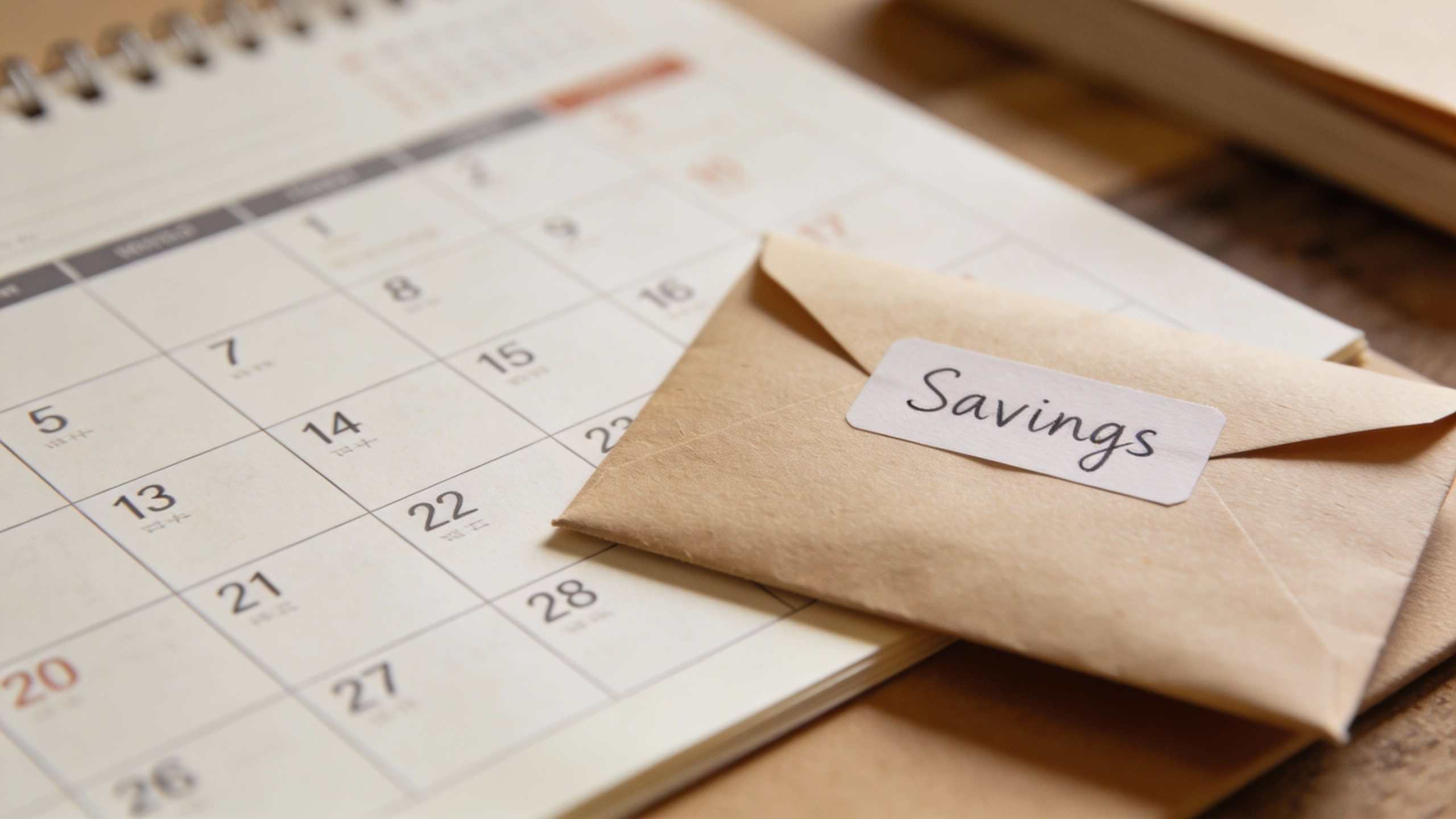
No-spend days aren’t about deprivation; they’re about reclaiming your autonomy from consumer momentum.
- Set realistic no-spend windows: Pick two or three days a week where you only buy essentials like groceries or transit passes.
- Plan fun without spending: Host a movie night, outdoor walk, or free community event. Entertainment doesn’t have to cost a fortune.
- Track the wins: Log each no-spend day. A small daily tally becomes a momentum builder.
When a no-spend streak backfires
If you start feeling resentful, loosen up a bit. Your goal is sustainable habits, not misery. Balance is key—don’t freak out if you slip once a week; just get back on track.
6. Build Friction Into Your Shopping Habits
Friction sounds like a bad thing, but in money terms it’s your friend. The more steps between impulse and purchase, the more likely you are to pause.
- Use a waiting period: Add a 24-hour or 72-hour rule for non-essential purchases. If you still want it after the delay, buy it with a plan.
- Hold cash for discretionary buys: Withdraw a fixed amount for weekend spends. Once it’s gone, it’s gone.
- Review wish lists weekly: If a big-ticket item starts nagging, write down why you want it. Sometimes it’s pure novelty, and you can skip it.
7. Embrace “Good Enough” Tech and Tools
You don’t need the shiniest gadget to save money. You need reliable, simple tools that actually get the job done.
- Simple budgeting apps: Choose one that matches your vibe and stick with it. The best app is the one you’ll actually open every week.
- Digital reminders: Set monthly reminders to check balances, review subscriptions, and compare prices.
- Energy and water trackers: Small sensors or simple meter reads help you spot leaks and waste quickly.
Favorite no-friction tools
– A basic budgeting app with offline export.
– A shared family spreadsheet for household expenses.
– A smart thermostat or simple energy monitor to curb weekend energy spikes.
8. Maximize Your Time, Not Just Your Money

Time is money, and saving time often translates to saving money too.
- Batch errands: Do all your small chores in one trip to avoid multiple trips that waste fuel and patience.
- Cook once, eat all week: If you hate cooking daily, batch-cook and freeze portions. Your future self will thank you with extra hours each week.
- Learn to repair: A quick fix beats replacement. A dab of glue, a new gasket, or a spare part can save big bucks.
9. The Psychology of Saving: Make It Enjoyable
Saving money doesn’t have to feel like punishment. Make the process enjoyable so you want to keep it going.
- Celebrate small wins: Treat yourself to a tiny non-spendy reward when you hit a savings milestone.
- Share progress with a friend: Accountability is a powerful motivator. Swap tips, wins, and hacks.
- Frame the money you save as a goal: Visual charts or a jar of coins you’re filling up can be surprisingly satisfying.
FAQ
Is it really possible to save money with simple daily habits?
Yes. Tiny, consistent actions compound over time. Small savings on groceries, bills, and discretionary spending add up to real money by the end of the month and year. The key is automation, intention, and a little patience.
What if I slip up and overspend?
That happens. Don’t spin out. Acknowledge it, adjust your plan, and get back on track. Build a forgiving system: a short grace period, revised goals, and a fresh round of automation to keep momentum.
How do I start if I’m busy and exhausted after work?
Start with one or two tiny changes that require almost no extra time, like setting up automatic transfers and using a roundup feature. Gradually add another habit when you feel ready. Tiny progress beats grand plans that never take off.
Can I really automate savings without feeling deprived?
Absolutely. Automating savings creates a mental boundary that protects your spending. You won’t miss what you don’t see, and you’ll still have room for the things you enjoy.
What’s the best first habit to adopt?
Automate a portion of your income to savings on payday. It’s the foundation that makes all other habits easier. Once you see savings growing, you’ll want to tune up other areas too.
Conclusion
Saving money doesn’t require heroic willpower or a secret savings club. It requires small, steady actions woven into your daily routine. Automate the boring stuff, trim the frills, and recycle your energy into smarter choices. Before you know it, you’ll be watching your balance climb while you sleep, not while you dread every bill.
FYI, the most powerful part is consistency. Pick a couple of habits you actually enjoy, automate them, and give it a month. If you’ve earned even a modest cushion, you’ll feel more confident and a little smug in the best possible way. You’ve got this.