
The Ultimate Customizable Budget Planner (Editable & Easy)
Let’s be real—budgeting sucks. But not budgeting sucks even more. The good news? You don’t have to start from scratch. Budget planner templates exist, and the best ones let you tweak them until they fit your life like a perfectly worn-in pair of jeans. No spreadsheets from the Stone Age here, just customizable tools that won’t make you want to nap instead.
Why Customizable Budget Templates Are a Game-Changer
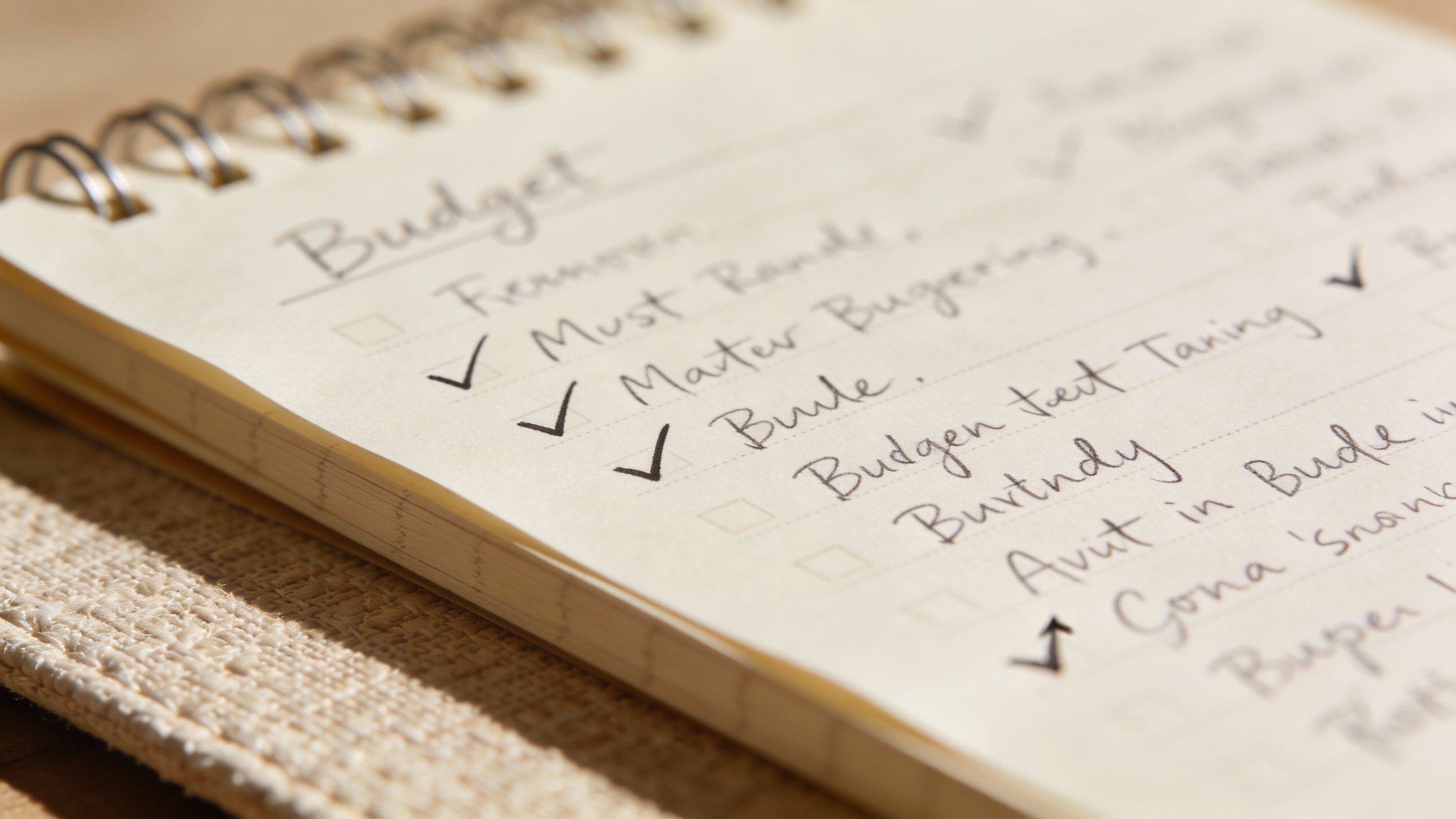
Generic budgets are like one-size-fits-all hats—they never actually fit. Maybe you’re a freelancer with unpredictable income, or you just really need a line item for “emergency tacos.” A rigid template won’t cut it.
Customizable templates let you:
- Adjust categories (because “miscellaneous” is code for “I forgot”)
- Scale complexity—from bare bones to forensic accountant mode
- Automate the boring stuff, like recurring bills
- Track goals without ugly pie charts from 2003
You’re not lazy—you’re efficient. Templates do the heavy lifting so you can focus on the fun part: watching your savings grow (or at least stop shrinking).
5 Types of Budget Templates Worth Trying
Not all budgets are created equal. Here are the MVPs of the template world:
1. The Zero-Based Budget
Every dollar gets a job, even if that job is “sit in savings and look pretty.” Great for control freaks and people who’ve ever said, “Wait, where did my paycheck go?”
2. The 50/30/20 Budget
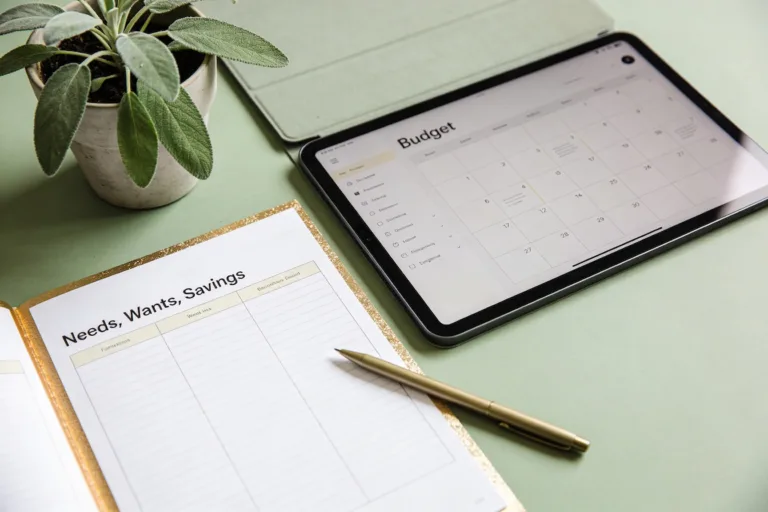
Simple math: 50% needs, 30% wants, 20% savings. Perfect for folks who hate micromanaging but still want structure. (And yes, Netflix counts as a “want.”)
3. The Envelope System (Digital Edition)
Old-school cash envelopes, but without the risk of losing $200 in a couch cushion. Apps like Goodbudget digitize this—virtual envelopes for the win.
4. The Irregular Income Budget
Freelancers, gig workers, and anyone who doesn’t get a predictable paycheck: this one’s your lifeline. It smooths out feast-or-famine cycles.
5. The “Just Tell Me What to Do” Budget
For the overwhelmed. Pre-filled categories, gentle reminders, and minimal math. Sometimes you just need training wheels.
Where to Find the Best Templates

No need to reinvent the wheel—or pay for it. Here’s where to score free (or cheap) templates that won’t make you cringe:
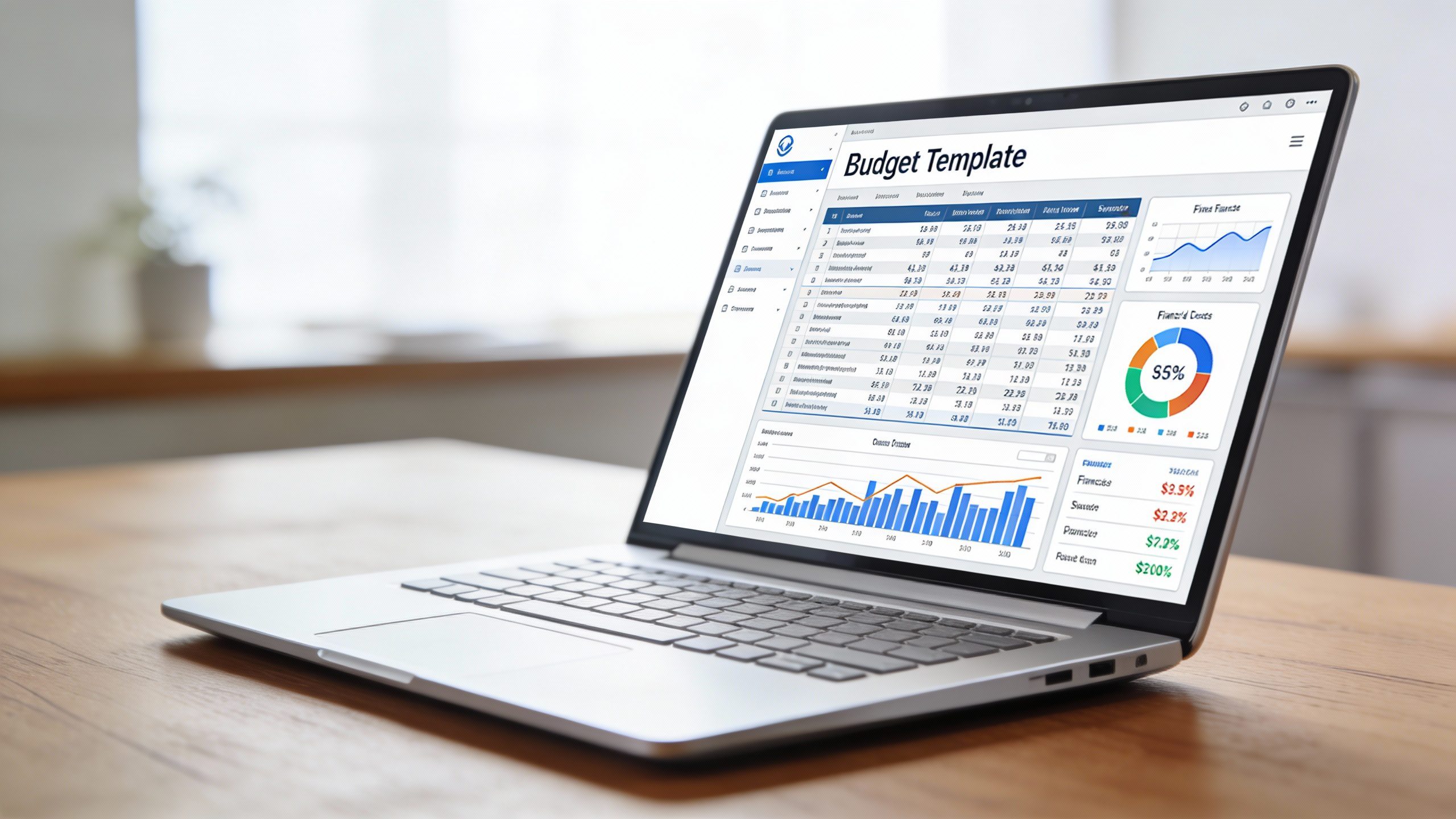
- Google Sheets/Excel: Search for “budget template”—thousands exist. Pro tip: Filter by “last updated” to avoid relics.
- Notion: If you love aesthetics and functionality, Notion’s templates are *chef’s kiss*.
- Budgeting Apps (YNAB, EveryDollar): Their built-in templates sync with your accounts. Lazy budgeting at its finest.
- Etsy: Surprisingly great for pretty, printable templates. Worth $5 if cute fonts motivate you.
How to Customize Without Losing Your Mind
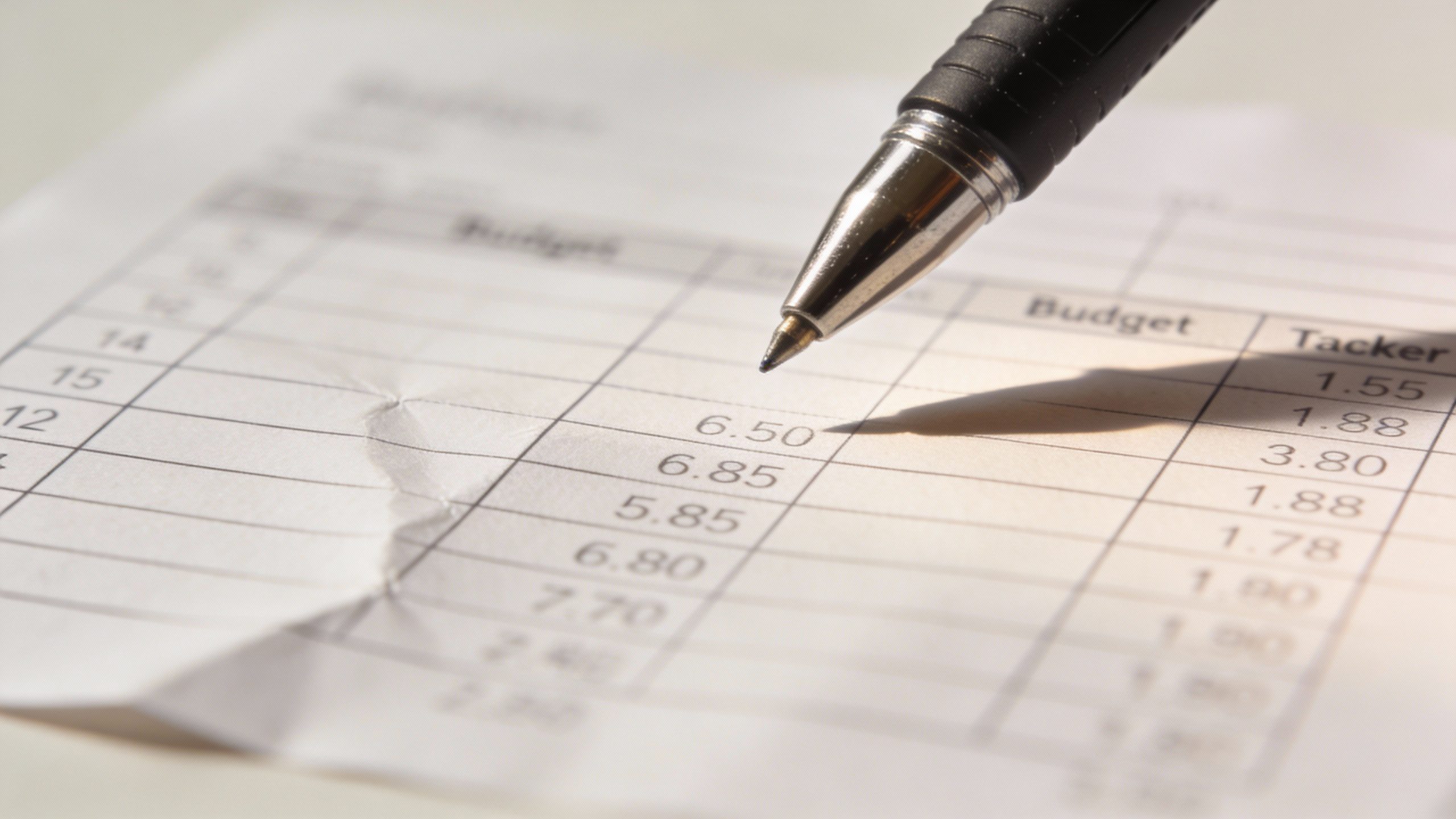
Here’s the secret: your budget should bend to your life, not the other way around. Follow these steps to make a template actually work for you:
- Rename categories—call it “self-care” instead of “guilt spending.”
- Delete useless tabs (looking at you, “vehicle maintenance” when you don’t own a car).
- Color-code because adulting feels better with highlighters.
- Set up auto-calculations—no one has time to manually sum columns.
FYI, if a template requires a PhD to operate, ditch it. Budgeting shouldn’t feel like homework.
Common Mistakes (and How to Dodge Them)
Even with a killer template, people mess up. Here’s what to avoid:
Overcomplicating It
Tracking every penny sounds noble until you quit after three days. Start broad, then drill down if needed.
Ignoring Irregular Expenses
That annual Amazon Prime fee will hit. Budget for non-monthly costs upfront.
Being Too Optimistic
“I’ll only spend $50 on coffee this month.” Sure, Jan. Be realistic or you’ll bail.
FAQ: Budget Templates Unfiltered
Are free templates actually good?
Most are fine—just check reviews or download counts. IMO, test a few before committing.
Do I need an app or will spreadsheets work?
Apps automate updates, but spreadsheets work if you don’t mind manual entry. Pick your poison.
How often should I update my budget?
Weekly is ideal, but even a monthly check-in beats nothing. Set a calendar reminder (with a fun reward after).
What if my income changes constantly?
Use an irregular income template and base budgets on your lowest expected month. Safety first.
Go Forth and Budget (Minimally)
Budgeting doesn’t have to be a chore—especially when you’ve got a template doing the grunt work. Find one, tweak it, and stick with it long enough to see progress. And if you “forget” to log that impulse purchase? Hey, there’s always next month.