
Cheap Grocery Shopping Tips That Save Hundreds for Your Wallet
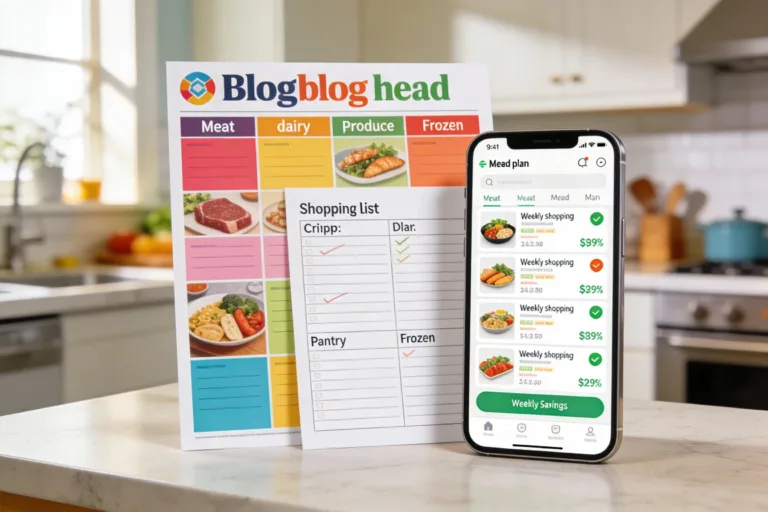
Starting to grocery shop without breaking the bank shouldn’t feel like a full-time job. It can be simple, repeatable, and oddly satisfying when you crack the code. Let’s cut the clutter, save hundreds, and still eat well.
Plan before you shop: the smart, no-drama approach
You don’t need a degree in economics to outsmart the checkout line. You just need a plan you actually stick to. Do a quick inventory, write a rough list, and set a budget. Easy, right? Not if you wander the store like a lemons-snatching raccoon. Let’s keep it focused.
- Check what you already have in the fridge and pantry. Go in with the intention to use what you buy.
- Allocate a realistic weekly budget. If you’re saving for something bigger, set a specific target and time frame.
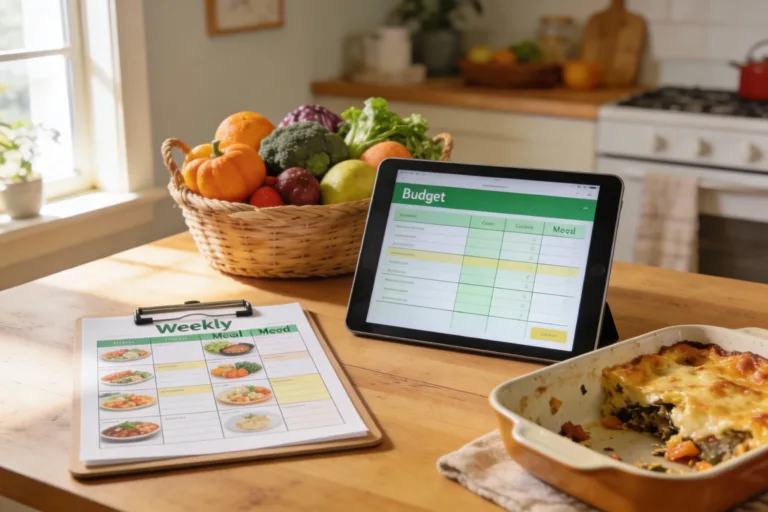
- Make a simple meal plan for 3–4 days. No need to overdo it—just enough to avoid impulse buys.
Shop the perimeter first, then hit the middle aisles with a mission
Grocery stores are set up to push you to spend more in the center. The fresh produce, dairy, and meats live on the edges. Start there, then only venture into the middle aisles for what you actually need.
- Fill half your cart with produce, proteins, and dairy you’ll actually use this week.
- Compare fruit when possible—some brands or varieties go on sale while others stay the same price.
- Reserve the center aisles for staple items you’ll use anyway, like canned goods or grains, if they’re on sale.
Turn weekly ads into your personal savings playbook
If you’re not chasing weekly ads, you’re letting money slip away. The trick is not to memorize every sale, but to know when good deals align with your plan.
How to spot real value
Do a quick price check against the unit price (per ounce, per gram, per each). A lower unit price usually means savings in the long run, especially for non-perishables.
Best days to shop for discounts
Shop midweek when stores restock and markdowns happen. Some stores also push weekend bonuses, so know your local schedule. FYI, timing can be everything.
Buy in bulk wisely: big bags, bigger savings
Bulk can be a goldmine or a trap. It’s amazing for grains, beans, nuts, and spices—if you actually use them before they go rancid or stale.
- Focus on shelf-stable items with a long life and high utility in your meals.
- Avoid bulk deals for things you’ll waste quickly (fancy greens, soft fruits, perishable dairy).
- Share bulk buys with friends or family to cut waste and split savings.
Bulk wins and misses: a quick guide
- Win: rice, oats, lentils, beans, flour
- Win: canned tomatoes, coconut milk, tomato paste
- Miss: leafy greens, berries, fresh herbs in bulk if you’d toss half
Choose store brands and thrifty substitutions
Store brands aren’t a personality trait; they’re another tool to save money without compromising taste or quality. In many cases, they’re the exact same product with a different label.
- Start with staples: bread, dairy, pantry basics, and protein powders or canned fish if you use them.
- Compare ingredients and nutrition labels—don’t assume store brand is identical, but often it is.
- Try a few items at a time. If it’s a hit, stock up when on sale.
Smart protein and meal prep that stretch your dollar
Protein can feel like a budget buster, but you’ve got options that keep taste and texture intact.
Cheap protein tricks
- Alternate proteins: chicken thighs, canned tuna, eggs, beans, lentils. They’re cheaper and just as satisfying when cooked well.
- Use plant-based proteins a few times a week to save big. Beans and lentils are fantastic in stews, tacos, and salads.
- Make larger batches and freeze portions. You’ll thank yourself on the busy nights.
Smart produce picks: affordable, fresh, and flavorful
Produce can eat a big chunk of your budget if you’re not careful. Here’s how to stay fresh without overspending.
- Shop by the week’s sale cycle for produce that’s in-season and on discount.
- Choose tougher greens or sturdier vegetables that last longer (carrots, cabbage, broccoli) instead of delicate greens that wilting happens fast.
- Buy in smaller quantities more often if it helps you avoid waste. It might feel slower, but it saves money.
Storage hacks to keep food fresh and waste-free
The best way to save is not to lose what you bought. Proper storage can extend shelf life and protect flavors.
- Invest in airtight containers and clear storage bins. When you see what you have, you’ll actually use it.
- Label and date leftovers and opened items. A simple habit saves many “snack-for-lunch” moments.
- Use the freezer for odds and ends: bread, berries, cooked rice, soups, and leftovers can live happily there for months.
Meal planning that sticks: simple, realistic, repeatable
Meal planning isn’t about perfection; it’s about consistency. Plan around what’s on sale and what you already have.
- Draft a 3–4 day plan that reuses ingredients to minimize waste.
- Use a rotating set of go-to recipes so you don’t burn out on boring meals.
- Leave room for a flexible “leftovers night” when improvisation saves money and reduces waste.
Frugal shopping mindset: the habits that compound savings
Your mindset matters almost as much as your wallet. Small daily choices compound into big savings over time.
- Shop with a list and commit to it. Impulse buys negate all the hard work you did planning.
- Use coupons and loyalty programs, but only if they align with your plan. Don’t buy something just because it’s discounted.
- Don’t shop when you’re hungry. You’ll buy more, and you’ll regret it when you’re unpacking.
FAQ
Is shopping on sale the best way to save, or should I wait for clearance?
Sales are great, but don’t rely on them alone. Build a plan around staples you’ll actually use and buy in bulk when it makes sense. Clearance items can be risky if you don’t know what you’ll do with them or if they’ll expire before you can use them.
How do I cut alcohol and snack costs without feeling deprived?
Limit impulse buys by setting a fixed weekly budget for snacks and drinks. Choose cheaper, satisfying options like popcorn, homemade treats, or bulk nuts in controlled portions. FYI, you don’t need to go cold turkey to save a lot.
What should I do with leftovers to minimize waste?
Plan a dedicated leftovers night, freeze portions, or repurpose into other meals (stir-fries, wraps, soups). Label everything with dates so you don’t lose track. It’s amazing how much waste disappears when you have a plan.
Are there stores that consistently beat others in price?
Yes, some chains focus on low prices and frequent promotions. Local options vary, so it’s worth testing a few nearby stores and keeping a note of who has the best unit prices on your staples. IMO, you’ll find a favorite that fits your routine.
Can I really save hundreds, or is that clickbait?
You absolutely can, but it happens with consistency, not a one-time windfall. If you combine planning, smart substitutions, bulk buys for non-perishables, and careful storage, you’ll see a real drop in your monthly grocery bill. It’s the compound interest of groceries.
Conclusion
If you walk into the store with a plan, you’ll walk out with a full cart and a lighter wallet. The savings aren’t gimmicks; they’re a blend of smart strategy, a touch of discipline, and a willingness to try a few new habits. FYI, the real magic happens when you make these steps part of your routine rather than a quarterly experiment. You’ve got this—your wallet and your future self will thank you.