
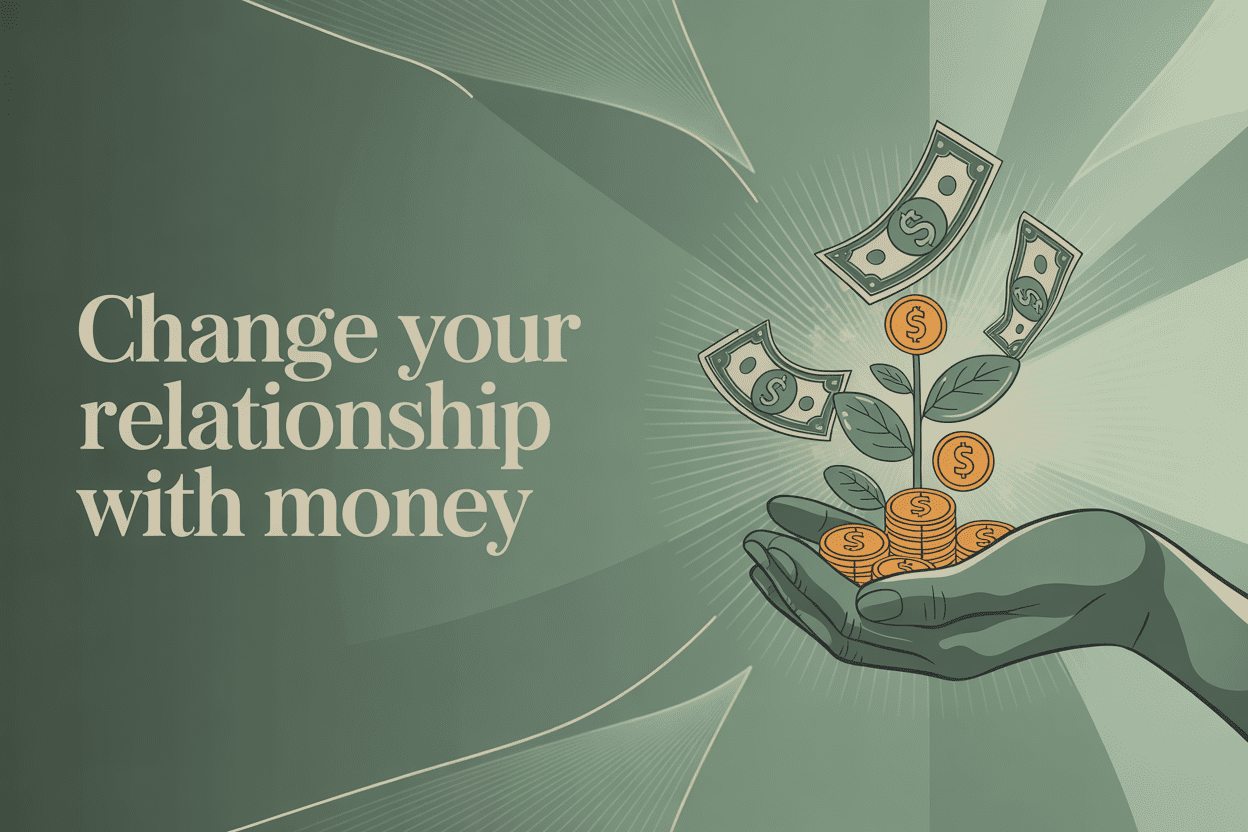
How to Change Your Relationship with Money and Stop Financial Stress
Money. We love it, we stress about it, and sometimes we avoid thinking about it altogether. But here’s the thing: your relationship with money isn’t fixed—it’s a mindset you can change. Whether you’re drowning in debt or just tired of feeling anxious every time you check your bank account, shifting how you view money can be life-changing. Let’s dig in.
Stop Treating Money Like a Mystery

Too many of us treat money like some cryptic puzzle we’re not smart enough to solve. Spoiler: it’s not. Money is just a tool, not a measure of your worth. The sooner you demystify it, the sooner you’ll stop feeling overwhelmed.
Get Comfortable with the Basics
You don’t need a finance degree to understand budgeting or compound interest. Start small:
- Track your spending (yes, even that daily latte).
- Learn what a 401(k) actually is (hint: it’s not a robot).
- Read one personal finance book or follow a money-focused Instagram account.
Knowledge kills fear. And FYI, Google is free.
Ditch the Scarcity Mindset

If you constantly think, “I’ll never have enough,” guess what? You won’t. Scarcity mindsets keep you stuck in panic mode, making bad decisions (like impulse buys or avoiding investments). Instead, try shifting to an abundance mindset—not by pretending money grows on trees, but by focusing on opportunities.
How to Flip the Script
- Celebrate small wins (like saving $20 this week).
- Remind yourself money is renewable—you can always earn more.
- Stop comparing your finances to others (their highlight reel ≠ reality).
Easier said than done? Sure. But worth it.
Talk About Money—Without the Shame
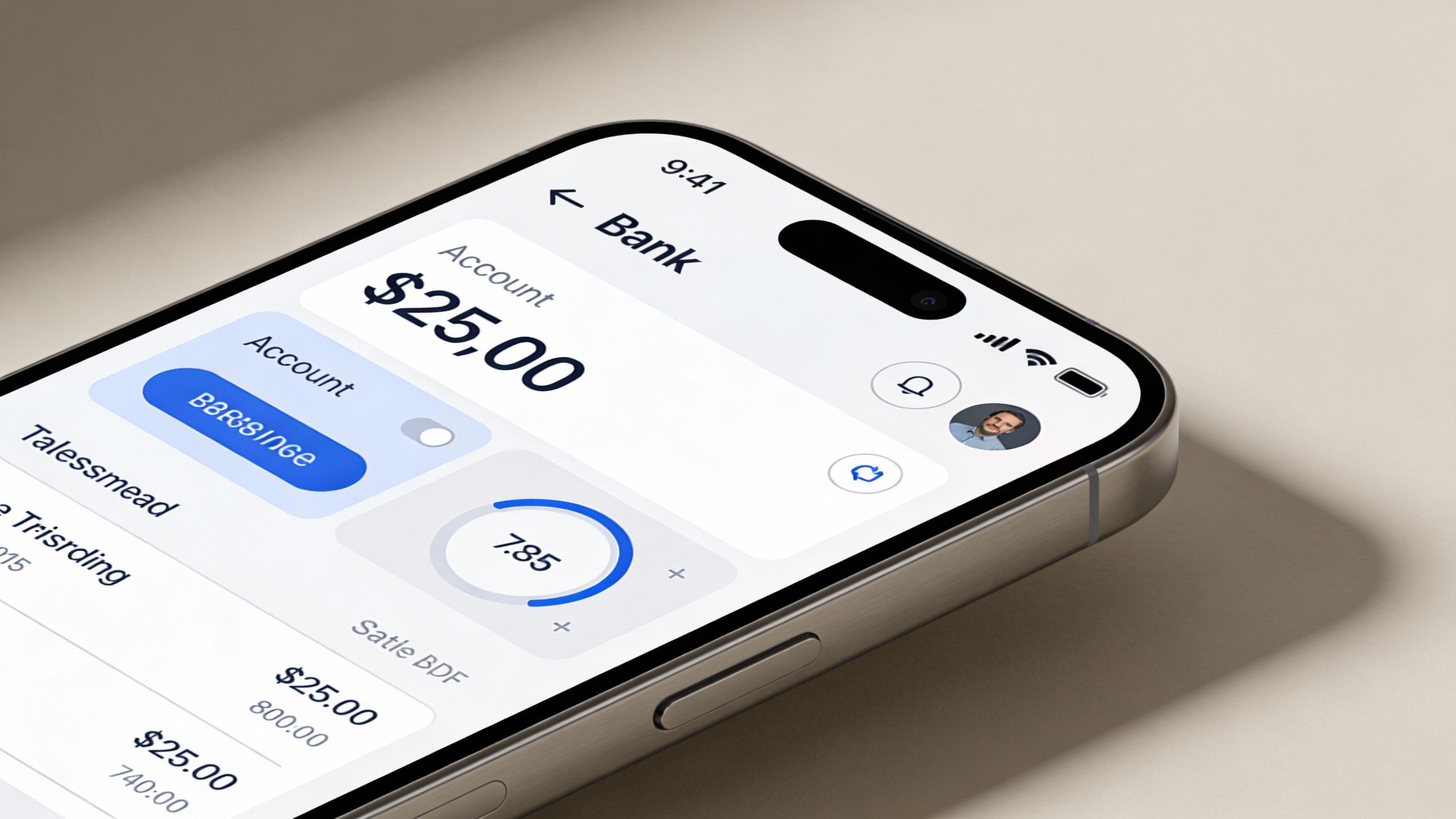
Money is weirdly taboo, which only makes it scarier. Normalize chatting about salaries, debt, and savings with friends (or therapists). You’ll realize you’re not alone, and hey, you might pick up a few tips.
Pro tip: If someone judges you for struggling financially, they’re probably insecure about their own money drama. Block out the noise.
Automate Your Way to Financial Zen

Willpower is overrated. Set up automatic transfers for savings, bills, and investments so you don’t have to white-knuckle your way through decisions every month. Outsmart your future lazy self.
- Pay yourself first: Even $50/month into savings adds up.
- Use apps that round up purchases and stash the change.
- Schedule bill payments so you never miss a due date.
Spend on What Actually Matters to You
Budgeting isn’t about deprivation—it’s about spending intentionally. Love travel? Cool, prioritize that over a closet full of clothes you never wear. Hate fancy restaurants? Stop forcing yourself to go “just because.” Your money should reflect your values, not societal pressure.
The “Hell Yes or No” Rule
Before buying something nonessential, ask: “Does this bring me joy or add real value?” If it’s not a hell yes, it’s a no. Simple.
FAQ: Quick Answers to Money Mindset Questions
How do I stop feeling guilty about spending?
Guilt usually means you’re spending against your priorities. If you align purchases with what matters to you (and budget for them), guilt fades. Also, remember: money is meant to be used, not hoarded like a dragon’s treasure.
What if I’m buried in debt?
First, breathe. Debt isn’t a moral failing—it’s a math problem. Start with the snowball method (pay off smallest debts first for quick wins) or the avalanche method (tackle high-interest debt first). Pick one and attack it.
Can I enjoy life while saving money?
Absolutely. Deprivation backfires. Budget for fun—whether it’s a Netflix subscription or weekend brunches—so you don’t burn out and binge-spend later.
How often should I check my finances?
IMO, weekly check-ins keep you engaged without obsessing. Review bills, track spending, and adjust as needed. Ignoring your finances won’t make them better—trust me.
Final Thought: Money Is a Relationship, Not a Scorecard
Changing your money mindset isn’t about becoming a spreadsheet wizard overnight. It’s about treating money as a tool to build the life you want—not a source of shame or stress. Start small, stay curious, and cut yourself some slack. You’ve got this.