Cash Envelope Budget Planner Printable: Your Simple Savings Boost
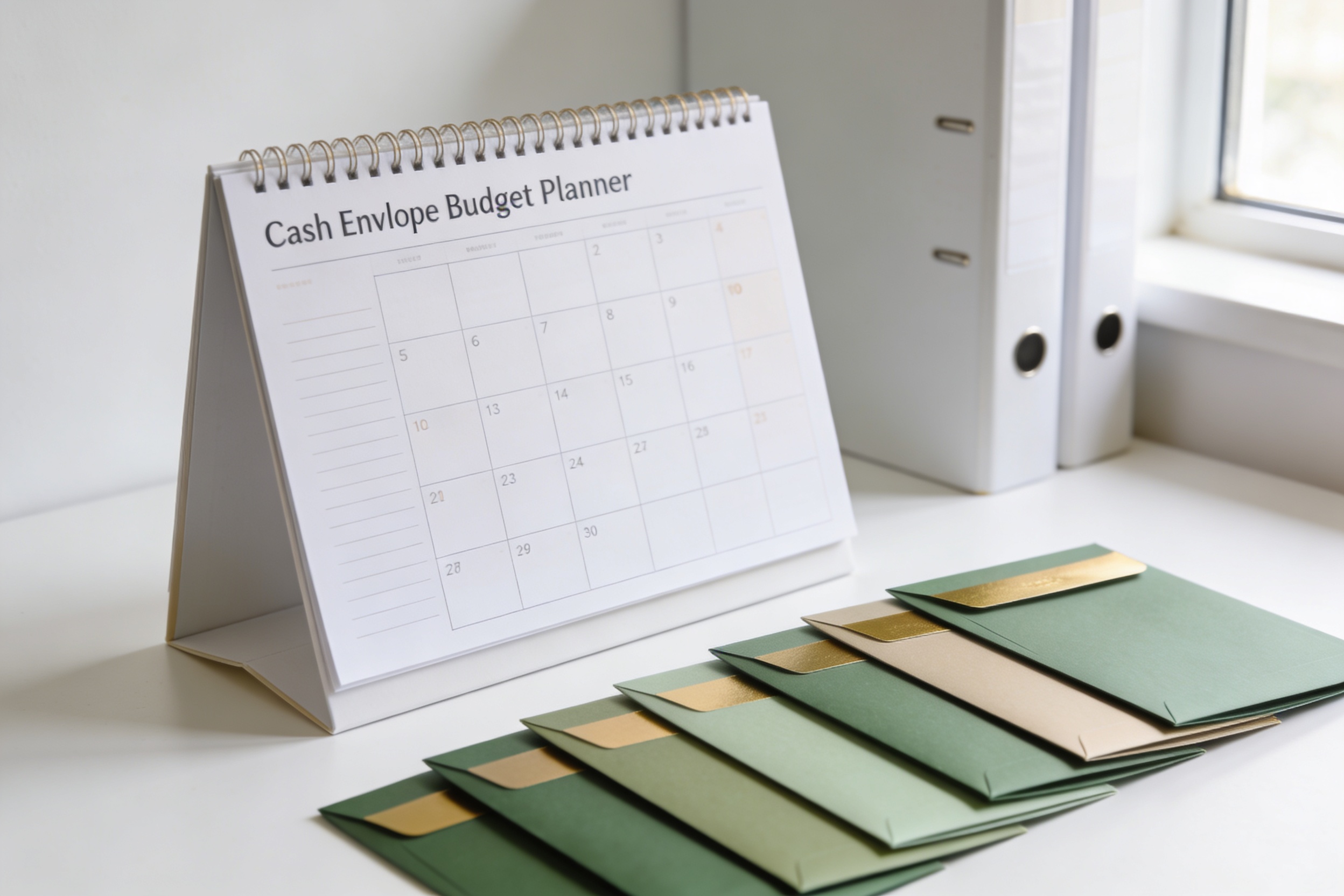
Imagine money in color-coded envelopes, each one labeled for groceries, gas, or that guilty-pleasure coffee. Now imagine you can print that system at home and see your spending visually shrink before your eyes. That’s the magic of a cash envelope budget planner printable. It’s simple, tactile, and oddly satisfying—like crossing things off a to-do list with a sharpie.
So yeah, we’re diving into the printable world. You’ll get practical setup tricks, design vibes, and real-talk on why this approach actually sticks. No fluff, just a plan you can hold in your hands and your wallet will thank you for.
Why a Cash Envelope Budget Planner Printable?
Let’s start with the basics. A cash envelope system means you give every dollar a job before you spend it. You stuff envelopes with set amounts for each category and only spend what’s inside. No sneaky credit card swipes or “just this once” impulse buys. The printable version just makes that discipline a little more tangible.
– Visibility: You can see, in black and white, exactly how much you have left.
– Portability: Print a compact set you can carry in a binder or folder.
– Personalization: Choose colors, categories, and fonts that actually make you smile.
– Backups: If your printer dies, you can still recreate envelopes by hand—this is the budget version of backup plan.
FYI, the beauty of printables is the tiny nudges they give you to stay on track without turning budgeting into a full-time job. If you hate sticker shock at the end of the month, this could be your new best friend.
What to look for in a printable budget planner

Not all printables are created equal. Here’s a quick map so you don’t waste time on something you’ll abandon after a week.
– Clear category layout: Groceries, dining out, entertainment, transportation, savings, debt payoff. If your heart rate spikes just thinking about too many categories, you’re not alone.
– Flexible amounts: Some printables come with fixed envelopes; others let you customize. Pick what fits your life.
– Easy refillability: Can you print more pages or duplicate envelopes as needed? You’ll thank yourself later.
– Aesthetics that inspire: Do you like bold colors, minimal chic, or retro vibes? The look matters—if it’s pretty, you’ll use it.
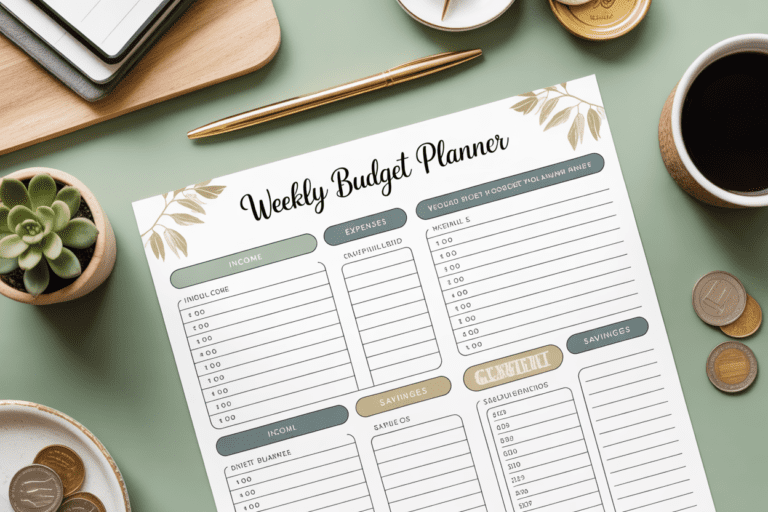
– Practical tracking: Space to log each envelope’s starting amount, spent amount, and remaining balance.
A note on tone: a calendar-esque layout can feel clinical. If you’re a creative soul, go for hand-dritten vibes or a watercolor design. The point is to make budget tracking enjoyable, not a chore.
How to set up your printable cash envelope system
The setup is boring in the best way—like the first few minutes of a gym routine. Do it once, and you’ll glide through months with less guesswork and more control.
- Choose your categories: Start with 6–8 core areas. Common picks are groceries, dining out, gas, transportation, personal care, entertainment, sinking funds, and debt payments.
- Decide amounts: Look at your last 2–3 months of spending. Allocate a realistic monthly cap per category. Be generous in areas that bring joy, frugal in others.
- Print and cut: Print the main envelope sheet and any backup sheets. Cut out the envelopes if your design uses separate tabs or sections.
- Label envelopes: Write or print category names. You can color-code with highlighters or stickers for quick recognition.
- Load funds: At the start of the month, fill each envelope with the allotted cash. Keep a small “overflow” envelope for surprises if you’re feeling extra cautious.
- Track as you go: Each time you spend, log it. It’s like a tiny confession, but you’ll love the clarity.
If you’re a minimalist, you can even use a binder with zipped pouches instead of physical envelopes. Still printable, still satisfying.
Design tips to boost adherence
The best printables aren’t just functional; they’re motivation machines. Here are some design tweaks to help you actually use them.
- Color psychology: Assign a color to each category. Red for groceries can feel urgent, while green for savings feels hopeful. Pick what vibes with you.
- Writable surfaces: Leave space for notes like “splurged on coffee this week” or “reward for meeting goal.” Small wins fuel consistency.
- Progress indicators: Add a weekly or monthly progress bar. Seeing inches of progress is oddly satisfying.
- Printable durability: Use thicker paper or laminate the sheets. You’ll thank yourself when you don’t tear up every time you flip a page.
- Compact versions: Some months are easier than others. Have a mini version for travel or special events.
If you’re curious, FYI, the more you customize, the more you’ll use it. It sounds counterintuitive, but personalization is budget magic.
Common pitfalls (and how to dodge them)
No budgeting method is flawless out of the gate. Here are the traps and the simple fixes.
Overstuffed envelopes
It’s tempting to over-correct and stuff every envelope to the brim. Don’t. If you consistently come up short, revisit your category amounts. Start smaller and adjust.
Skipping logging
If you’re not writing down expenses, you lose the whole point. Put a reminder in your phone or a sticky note on the fridge. Tiny nudges beat big guilt trips.
Relying on cash only too strictly
Life happens—salon appointments, apothecary runs, and the occasional spontaneous purchase. Keep a small “flex” fund or a credit card for emergencies, but use it sparingly and track it in your sheet.
Not updating monthly
Budgeting is dynamic. Revisit categories and amounts every month or after any big life change. Don’t let the numbers get dusty.
Printable formats and where to get them

The internet is full of options, but you can tailor a printable to your vibe without losing function. Here are routes you can take.
– Free templates: Great for testing the waters. You’ll usually get a handful of envelopes and basic trackers.
– Premium bundles: Expect more color schemes, fonts, and extra pages like debt trackers or sinking funds sheets.
– Customizable PDFs: Some vendors offer editable PDFs where you can type amounts directly on-screen before printing.
– DIY with your favorite software: If you’re a Canva person or a fan of Microsoft Word, you can mock up your own layout and print. This keeps you deeply invested.
If you’re overwhelmed by options, start with a simple, clearly labeled template and add flair later. The core habit is more important than custom clip art.
Beyond the basics: adding sinking funds and goals
A lot of people use envelopes for immediate spending. But you can and should bake in goals, too. Sinking funds are savings envelopes for predictable future costs.
– Auto-maintenance: Car repairs sneak up on you. Save a little each month to avoid the dreaded “do I pay rent or fix the brakes?” dilemma.
– Holidays and gifts: Start early. A little every month means you won’t crash-budget in November.
– Big-ticket items: Ready to upgrade your laptop or buy a bike? A sinking fund helps you avoid debt traps and payday loans.
Add a dedicated sinking fund section to your printable. It reduces decision fatigue and makes big-ticket purchases feel deliberate rather than painful.
- Pick 4–6 sinking funds to start with.
- Assign realistic monthly targets.
- Track progress weekly and celebrate small wins.
Real talk: does the cash envelope system actually work?
Yes, it does—when you commit to it. The tactile nature creates a friction that digital budgets sometimes lack. You can literally see money disappearing from a cash envelope, which makes the discipline real in a way a balance sheet never does.
That said, it’s not magic. You’ll still need to:
– Check in regularly: 2–3 times a week is plenty.
– Be honest about your spending: No excuses if you’re already over budget.
– Adjust as life changes: A new job, relocation, or a cost-of-living shift means recalibration.
If you’re skeptical, give it a 90-day trial. You’ll likely learn a ton about your patterns—like how many times you’re tempted by a mid-month coffee run or impulse pizza nights.
FAQ
Is a cash envelope system suitable for all income levels?
It works best when you have predictable expenses and money you want to direct toward specific goals. People with variable income can still benefit by setting flexible envelopes and a cushion fund. Start with a baseline that feels doable and scale up as you gain confidence.
Do I need cash to use the envelopes?
You don’t have to carry cash if you’re not comfortable with it. You can use a digital envelope system with card-style limits or a budget app that mirrors the envelope concept. The core idea is allocating funds to categories and sticking to them.
How many envelopes should I start with?
Six to eight envelopes cover most people’s essentials—groceries, dining out, gas, transportation, personal care, entertainment, and savings. If you’re tackling debt, add a debt-paydown envelope. You can always add more as you refine your plan.
What if I overspend in one category?
That’s where the monthly review helps. Transfer funds from another envelope if you can or temporarily pause discretionary spending. The goal is accountability, not punishment.
Can I use a printable envelope system with debt repayment?
Absolutely. You can create an envelope specifically for debt payments, ensuring you allocate a fixed amount that goes toward reducing interest. It’s an effective nudge to stay consistent.
Conclusion
A cash envelope budget planner printable isn’t a magic wand, but it’s a practical, hands-on way to wrest control of your money. It turns abstract numbers into something tangible you can touch, count, and physically manage. If you’re tired of budget spreadsheets that feel more like homework than help, give a printable system a whirl.
Start simple: pick your core categories, print a clean template, and fill in your amounts. Then stuff your envelopes and track what you spend together. You’ll probably find you’re spending less on impulse and more on purpose. IMO, that’s the sweet spot—where money stops controlling you and starts serving your goals.
So, are you ready to print, stuff, and conquer your budget? FYI, the first month might feel a little awkward, but stick with it. You’ll thank yourself later.