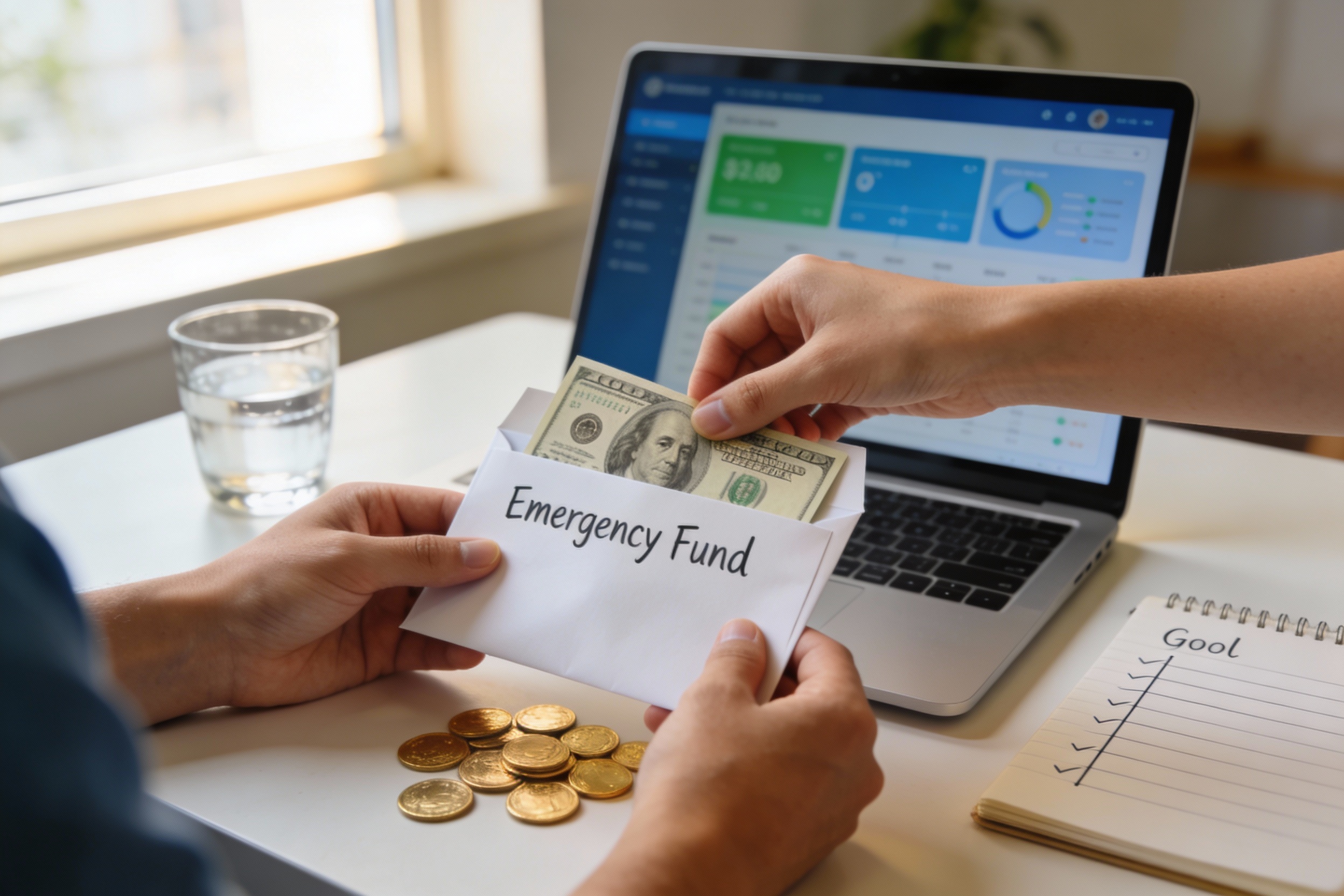
How to Build an Emergency Fund Fast and Easy Wins
If you’re reading this, you’re probably staring at your bank balance and thinking, “There has to be a faster way to build an emergency fund.” Spoiler: there is. You don’t need to win the lottery or sell your plasma to stash away money for a rainy day. You just need a plan that sticks, a bit of discipline, and a dash of creativity.
Let’s cut to the chase. Here’s how to build an emergency fund fast without turning your life into a spreadsheet hell.
Know Your Target and Your Why
What does “emergency fund” even mean to you? Most people aim for 3–6 months of living expenses. That’s a solid baseline, but the right number for you depends on your situation. Do you freelance? Do you have a partner’s income to lean on? Do you carry a lot of debt? Answering these questions helps you set a realistic target.
– Start with essentials: housing, food, health, transportation.
– Crunch the numbers: monthly essential costs × 3–6 months.
– Add a personal why: “I want peace of mind,” “I want to dodge high-interest debt,” or “I want to quit a safe job and take a risk someday.”
If you don’t know the exact number yet, pick a ballpark and adjust later. FYI, you can always re-run the math as your life changes.
Set Up a Separate, Accessible Fund

Your emergency fund should live somewhere that’s easy to access but not so easy you’ll blow it on impulse buys. The usual suspects:
– A high-yield savings account (HYSA) at a reputable bank
– A money market account (MMAs can be good for accessibility)
– A short-term CD ladder if you’re okay with a bit of lockup
Why not check the vibes on a checking account? No—don’t do that. The goal is to earn a little interest while staying liquid. Avoid investing—stocks and crypto can blow up when you need the money most.
– Name it something obvious: “Emergency Fund” (no mystery funds here)
– Automate a regular transfer on payday
– Start with a small, doable amount and scale up
Bootstrap Fast: Quick Wins to Kickstart Your Fund
Here are practical, fast ways to add money without turning your life upside down.
1) Automate Small, Consistent Contributions
If you don’t see the money, you won’t miss it. Automate a tiny weekly transfer or a monthly siphon right after your paycheck hits. Even $5–$20 per week compounds into something respectable over a few months.
– Set it and forget it
– Increase amounts after good months
– Reassess every quarter
2) Use a 24-Hour Rule on New Purchases
Before you pull the trigger on something you didn’t plan, give yourself 24 hours. If you still want it after a day, it’s a real want; if not, you’ve saved money.
– Helps curb impulse buys
– Feels like a personal victory every time you skip a useless gadget
– Small habit, big payoff
3) Windfall Strategy: Channel Unexpected Money
Tax refunds, work bonuses, birthday cash, or a successful side gig—put a big chunk into the fund. It’s not glamorous, but it moves the needle fast.
– Decide a fixed percentage to save
– Treat windfalls like a rescue rope, not extra freedom
– Celebrate the win, not the splurge
4) Slash Your Variable Expenses for a Month
Pick a month and aggressively cut back on non-essentials. Cancel streaming services you barely use, cook at home, and barter for services. The goal is to show what you can save with a little hustle.
– Track every dollar
– Compare this month to a normal month
– Reinvest the savings straight into the fund
Smart Savings Tactics that Don’t Feel Sacrificial
Saving isn’t about misery; it’s about clever, sustainable habits. Here are tactics that feel doable and actually work.
1) Optimize, Don’t Sacrifice, Your Essentials
Revisit your regular bills and look for savings that don’t ruin your life quality.
– Switch to a cheaper cell plan
– Refinance a loan if you have decent credit
– Bundle insurance or services for discounts
Think of each saved dollar as a tiny victory. It adds up faster than you’d expect.
2) Cash-Back and Rewards, But With Boundaries
If you’re disciplined, rewards can fund part of your fund. Use cash-back apps for groceries and everyday purchases, then move the earnings into the emergency fund.
– Use rewards for essentials, not luxuries
– Set a cap so you don’t chase points into debt
– Reinvest the earned cash into the fund
3) Side Hustle Smart, Not Exhausting
A side gig can be a game changer, but don’t burn out. Pick something flexible, like freelance gigs, tutoring, or selling handmade stuff online.
– Choose tasks with consistent demand
– Protect your downtime; burnout is expensive
– Dedicate a predictable number of hours per week
4) Employer Perks and Programs
Some workplaces offer commuter stipends, wellness programs, or retirement match programs that can indirectly free up cash for your fund.
– Revisit benefits and what you’re missing
– Use pre-tax savings when it makes sense
– Don’t leave free money on the table
Make the Fund Irresistible to Maintain
Saving money needs to feel easy enough to keep going, not a chore you drop after a month.
1) Visual Progress That Feels Real
Use a simple progress bar or a chart. Seeing the fund grow creates a positive feedback loop.
– Update it monthly
– Celebrate milestones (3 months, 6 months)
– Share your progress with a trusted friend for accountability
2) Revisit Your Target Regularly
Life changes, and so should your fund. If you land a higher-paying job, you might boost the target. If you switch back to part-time, scale down a bit.
– Review quarterly or after big life events
– Adjust contributions accordingly
– Keep the core principle: liquidity first, growth second
Common Pitfalls (And How to Avoid Them)
Let’s preempt the mistakes that derail even the best plans.
– Not actually keeping the money liquid: If you can’t access it quickly, you’ll be forced to borrow or go into debt.
– Treating the fund as a savings bucket with high risk: It’s not for growth; it’s for safety.
– Over-optimizing the budget: If you cut too much, you won’t stick with it. Balance is key.
– Waiting for perfect timing: The best time to start is now. Tiny progress beats grand plans that never leave the page.
FAQ
How long does it take to build an emergency fund?
Most people reach a 3-month cushion within 6–12 months with consistent contributions. If you go aggressive—say, a 50% increase in monthly savings—watch those milestones slide forward faster. It’s all about momentum, not perfection.
Where should I keep my emergency fund for quick access?
A high-yield savings account in a reputable bank is a solid default. It offers easy transfers, decent interest, and reliability. If you want slightly higher liquidity with a bit of safety, a money market account can work too. The key is not locking it up in long-term investments.
Can I pull from the emergency fund for non-emergencies?
Yes, but with a plan to replace it quickly. The fund should be reserved for true emergencies. Treat non-essentials withdrawals as temporary loans from your future self that you commit to paying back.
What if I have debt with high interest?
Tackling high-interest debt often makes more sense than an emergency fund in the short term, because the interest is eating your wealth. If you’re not in a situation that forces debt, start the fund while maintaining minimum debt payments. If debt is crushing you, prioritize paying it down, then build the fund.
Is it okay to use a retirement account for emergencies?
Nope. Retirement accounts are long-term vehicles with penalties and tax implications for early withdrawals. Save the emergency fund in liquid accounts as described here.
Conclusion
Building an emergency fund fast isn’t about drastic moves or miracle luck. It’s about consistent, smart choices that fit your life. Start with a clear target, park the money in a reachable place, and automate as much as you can. Use small wins to build momentum, and don’t let perfect be the enemy of good.
If you stay patient and repeat the process, you’ll watch that fund grow from a tiny seed into a sturdy financial safety net. FYI, the peace of mind you gain is worth more than any fancy gadget you could have bought with the money you saved. So pick a starting number, set up the automation, and get moving. You’ve got this.