
How to Budget When Prices Keep Rising: Smart Tweaks
The price hosepipe is on full blast, and your wallet is feeling every drop. Budgeting when prices keep rising isn’t glamorous, but it’s doable—maybe even interesting if you do it with a little swagger. Let’s roll up our sleeves and make your money work smarter, not harder.
Why your budget needs a remix (fast and practical)
Prices are up, and that’s not a buyer’s myth. It’s a reality check with a sale tag on it. The good news: you can outsmart inflation without turning your life into a spreadsheet sacrifice ritual.
– Your goal isn’t to be perfect; it’s to be flexible. Adjust as you go.
– Small, steady tweaks beat big, drastic overhauls. Think micro-habits, not magic tricks.
– Your budget should reflect what you actually do, not what you wish you did.
Have you noticed how a little freedom in one category can free up a lot in another? That’s the magic of modular budgeting. FYI, you don’t need to cut every fun thing—just move the needle where it hurts less.
Audit first: where your money actually goes

Before you start slashing, you’ve got to know where the money vanishes. Spoiler: it’s usually not in the obvious spots.
Track for two weeks, then cut
– Write down every purchase, no matter how small. Yes, even that sparkling water bottle.
– Group by category: groceries, utilities, dining out, transportation, and entertainment.
– Look for patterns: “I buy coffee every morning,” “I buy lunch out twice a week,” or “I renew apps I barely use.”
After two weeks, you’ll see where the leaks are. Then you can decide what to patch first.
Identify your non-negotiables vs nice-to-haves
Non-negotiables are the things you simply must have to function: rent, utilities, basic groceries, maybe a ride to work.
Nice-to-haves are the discretionary frills: streaming services, fancy coffee, that gym membership you actually use once a month. When prices rise, you cut the niceties first, not the basics. It’s not callous—it’s strategic.
Shrink the big tickets without shedding your sanity
Large expenses sneak up on you and stretch your budget thin. Here are practical ways to tame them.
Housing: negotiate, optimize, and side-hustle smart
– If you rent: ask for a small rent reduction or request improvements that reduce costs (better insulation, new windows). It costs you nothing to ask.
– Consider refinancing or negotiating a better rate if you own a home with a mortgage. Even a small drop saves long-term.
– Save on utilities: programmable thermostat, LED lighting, weatherstripping. Small upgrades, big payoff.
Food: make meals at home a delight, not a punishment
– Plan meals for the week and shop with a list. It cuts impulse buys by a mile.
– Batch cooking saves time and money. Freeze portions for days you’d otherwise order in.
– Use store brands and rotate between cost-effective staples. FYI, “gourmet” taste at home can be achieved with clever seasonings.
Transportation: cheaper ways to get there
– If possible, carpool, use public transit, or bike. Gas prices are merciless; any reduction helps.
– Maintain your car regularly to avoid expensive repairs later.
– If you need a new ride, compare total ownership costs, not just sticker price.
Build a flexible, inflation-friendly budget framework
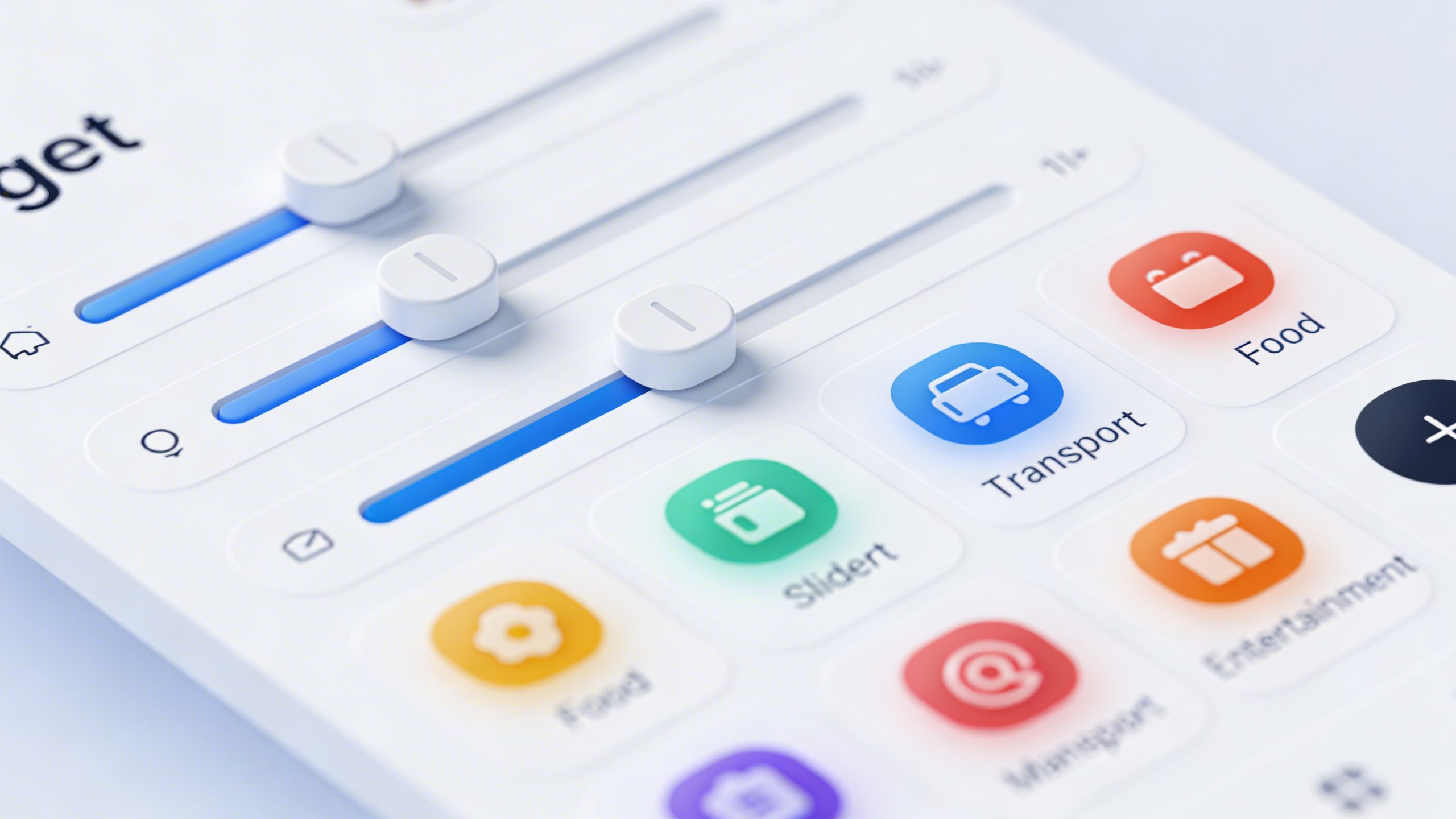
A budget isn’t a jail sentence; it’s a living document that bends with the weather. Here’s a framework that can flex with rising prices.
Core categories first
– Housing and utilities
– Groceries
– Transportation
– Insurance and health
– Debt payments (minimums first, then extra if possible)
– Emergency fund contributions
Keep these essential buckets non-negotiables. Everything else gets a variable label.
Variable spending that adapts
– Dining out
– Entertainment
– Shopping and hobbies
– Subscriptions
Each month, decide which variable categories get a haircut if prices spike. It feels less painful when you’re in control rather than reacting to a new bill.
Historical rate tracking
– Keep a simple chart of price changes in your major categories month over month.
– If groceries jump 8% and gas jumps 12%, you know exactly where to adjust first.
– Use percentages, not dollar amounts, to gauge impact across your income. It helps you see the real pressure.
Create a practical “inflation cushion” fund
An emergency fund isn’t a boring vanity project; it’s your shield against the sticker shock of life. Build a cushion that absorbs price shocks without forcing you into bad decisions.
– Start with a tiny, doable goal: $500, then $1,000, then aim for 3–6 months of essential expenses.
– Automate contributions so you don’t forget or skip it.
– If you’re in a pinch, temporarily pause optional subscriptions and funnel those savings into your cushion.
Pro tip: treat the cushion as a protected fund. If you need money, you’re allowed to tap into it—but commit to replenishing it first.
Smart shopping: how to get more bang for your buck
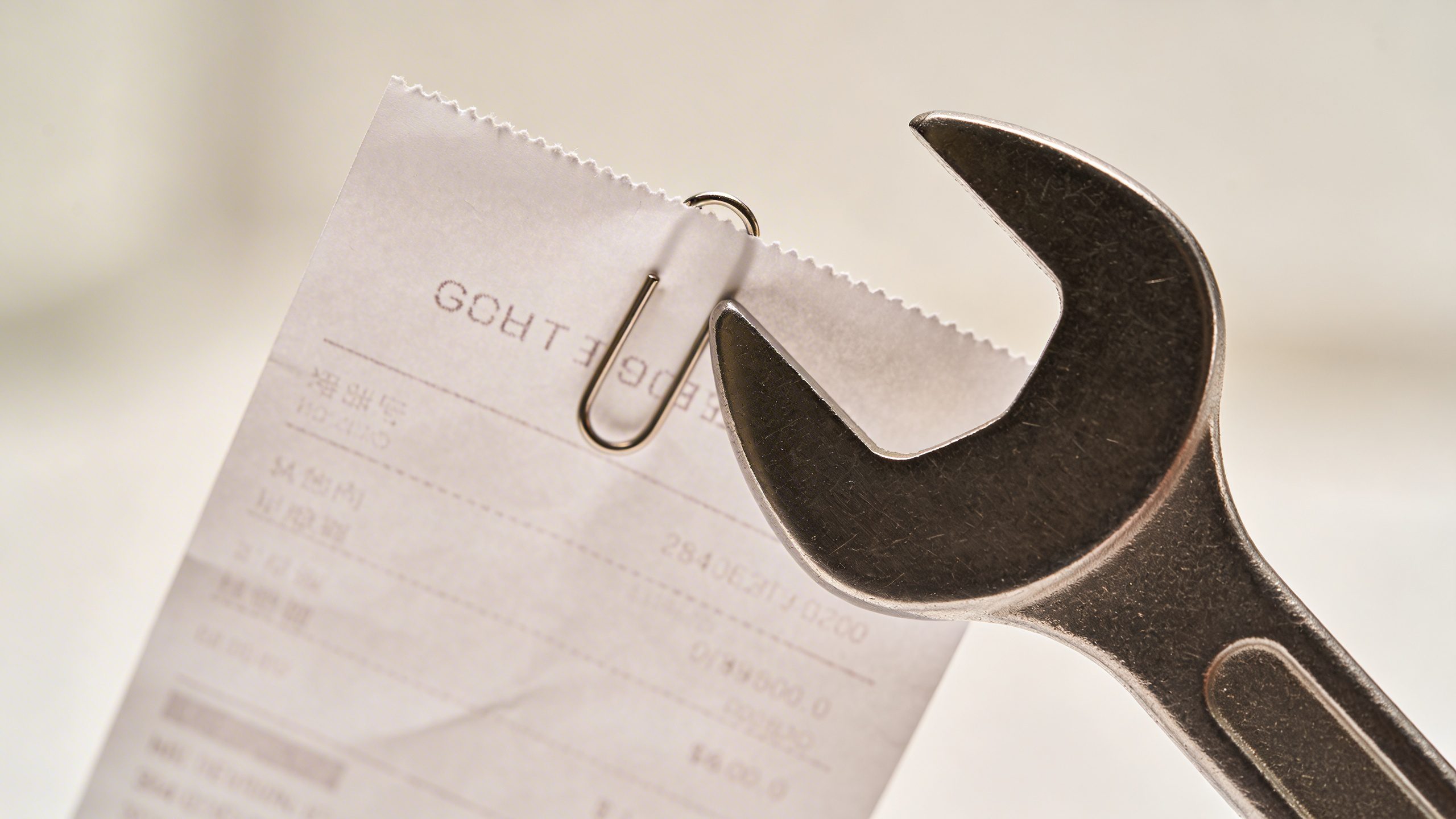
Shopping smarter helps you stretch every dollar without feeling like a scavenger.
Shop tactics that actually work
– Plan meals, then shop only with a list. No detours for impulse buys.
– Compare unit prices, not just sticker prices. Sometimes the store-brand item is cheaper per ounce.
– Use coupons and apps, but don’t buy something you wouldn’t otherwise want just for a discount.
– Buy in bulk for staples you actually use and store them properly.
Seasonal and local wins
– Buy produce in season; it’s tastier and cheaper. Local farmers’ markets often have good deals near peak season.
– Rotate proteins based on what’s on sale. A little flexibility here saves big.
DIY where it makes sense
– Household items, cleaning supplies, and basic repairs can be DIY-quick wins.
– Learn a few staple recipes that use inexpensive ingredients but taste great. IMO, a well-seasoned stir-fry is a budget superhero.
Living with substitutes: when you swap out, you win
Not everything can stay the same when prices rise. The trick is to swap with style instead of suffering.
Subscriptions and memberships: trim without drama
– Review every subscription: streaming, apps, gym, meal kits. If you’re not using it, cancel or pause.
– Consider annual plans if you’re confident you’ll use them; the upfront cost can be lower per month.
Brand vs. generic: the great supermarket face-off
– In many cases, store brands rival name brands in quality. Do a side-by-side taste test or feature comparison.
– Keep a “good enough” mindset. Sometimes the slight difference isn’t worth the extra few dollars.
Mindset: how to stay sane when prices swing
Your attitude drives your budget as much as your receipts do. A calm plan beats a panic-driven scramble.
– Ask yourself: does this purchase align with my goals? If yes, proceed; if no, pause.
– Use a “10-minute rule” for impulse buys: wait a bit, then decide. If you still want it, buy it with a plan.
– Celebrate micro-wins. Small savings add up and keep motivation high.
Dealing with the emotional sticker shock
– Acknowledge the frustration. It’s valid and real.
– Replace “I can’t” with “I can, but differently.” It changes the energy of the decision.
– Share progress with a friend or partner. Accountability helps you stay on track.
Frequently asked questions
How do I start budgeting if I’ve never done it before?
Start simple. Track three weeks of spending, identify your non-negotiables, and set one achievable target for the next month (like cooking at home two extra nights per week). Build from there.
What if inflation keeps going up faster than my income?
Prioritize flexibility. Cut non-essentials first, look for side gigs or freelancing opportunities, and renegotiate recurring payments. Small, consistent adjustments beat dramatic swings.
Is it worth using a budgeting app?
Yes, if you actually use it. Apps can automate tracking and offer alerts. Choose one with a clean interface, that doesn’t overwhelm you, and that syncs with your bank. FYI, don’t turn it into a digital scavenger hunt for every transaction.
How do I handle price increases in essential items?
Create a plan: switch to cheaper alternatives, buy in bulk where safe, adjust meal plans, and negotiate where possible (utilities, rent). An inflation cushion helps, too.
What’s the fastest way to rebalance my budget after a big expense spike?
Reassess within 24–48 hours. Reallocate funds from non-essentials, pause long-term commitments temporarily, and lean on your cushion to weather the shock. Then rebuild gradually.
Conclusion
Budgeting when prices rise isn’t about deprivation; it’s about control. You’ll improve the parts you can control, and the parts you can’t will hit you with less sting. Build a plan that adjusts with you, not against you. The goal isn’t perfection—it’s resilience, with a dash of pragmatism and a pinch of humor. So grab your calculator, your favorite snacks, and tackle the next month like you own the place. You’ve got this.