Budget With Irregular Income Without Constant Stress
Living paycheck to paycheck is stressful enough—but when your income swings like a pendulum, budgeting feels like trying to tame a feral cat. One month you’re flush with cash; the next, you’re Googling “how to survive on instant ramen.” Been there, done that, bought the sad-looking discount T-shirt.
The good news? Irregular income doesn’t mean financial chaos. With some smart moves (and a little flexibility), you can make your money behave—even when it refuses to show up on a predictable schedule.
Embrace the “Pay Yourself First” Mindset
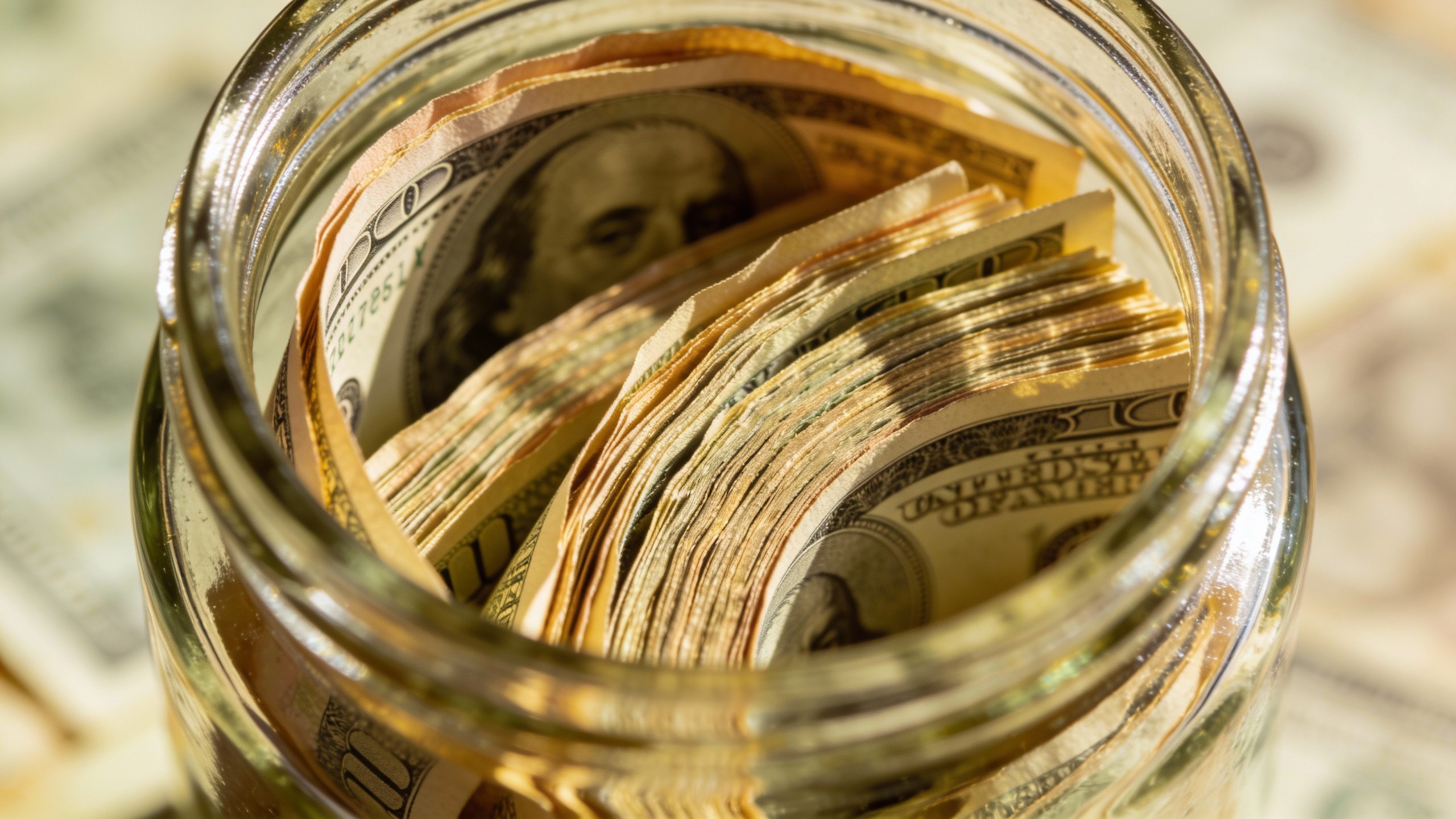
When cash lands in your account, your first instinct might be to celebrate (or panic-pay bills). Instead, pay yourself first—meaning stash money for essentials *before* you spend a dime on non-essentials. Here’s how:
- Emergency fund: Aim for 3-6 months of bare-bones living expenses. Even $20 per deposit adds up.
- Fixed costs: Rent, utilities, debt payments—these get priority. Calculate the monthly total and set it aside immediately.
- Future You fund: Taxes (if freelance), retirement, or occasional expenses like car repairs. Pretend this money doesn’t exist.
Why This Works
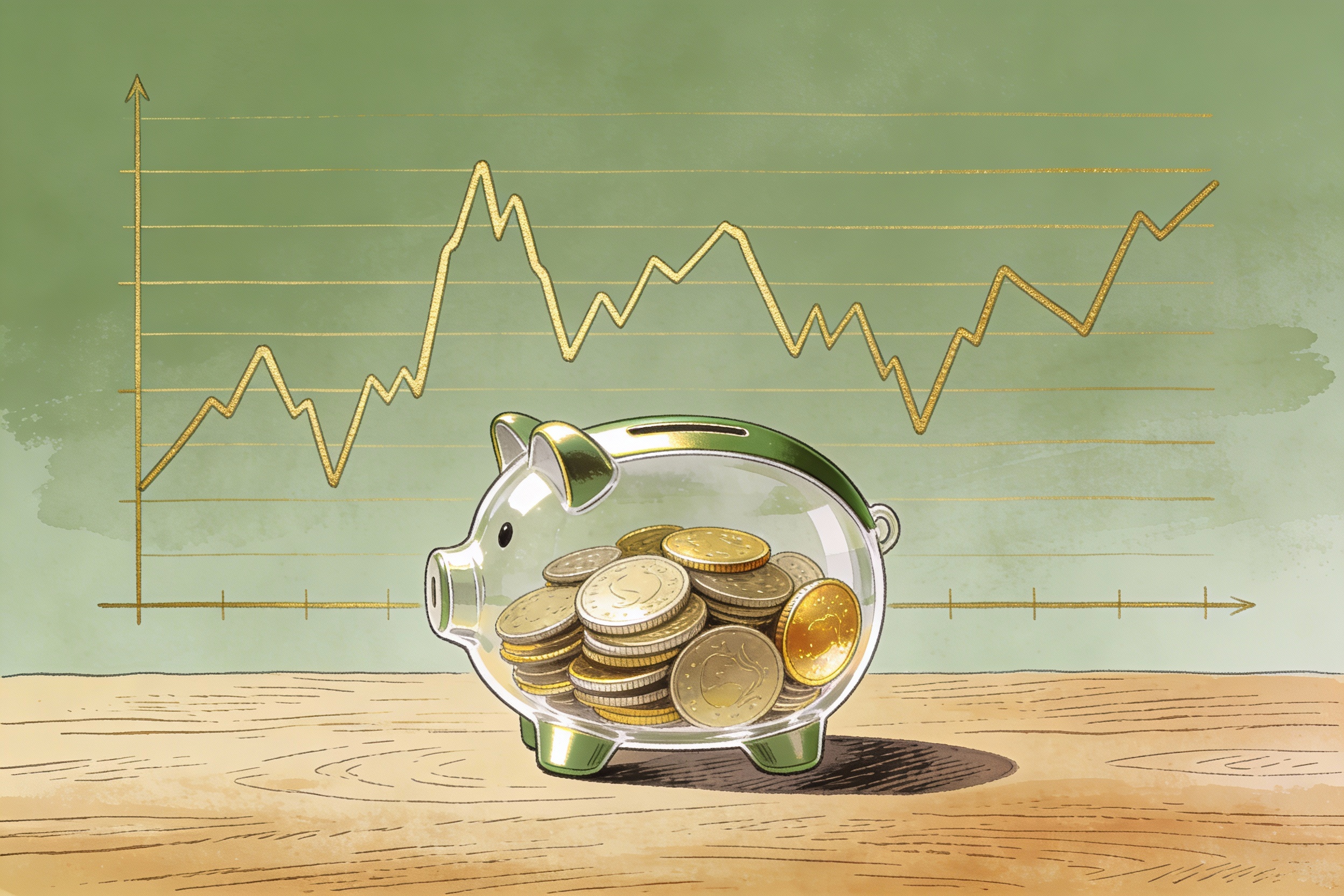
Irregular earners often fall into the “feast or famine” trap. By prioritizing savings and bills, you smooth out the bumps. Think of it like portioning cake at a kid’s party: if you eat it all now, you’ll hate yourself later.
Calculate Your “Minimum Survival Budget”

Forget traditional budgets that assume steady paychecks. Start by figuring out the absolute least you need to survive each month. This includes:
- Housing (rent/mortgage)
- Utilities (electric, water, internet—yes, internet counts as a utility now)
- Groceries (not takeout, *groceries*)
- Transportation (gas, bus fare, or a bike repair fund)
- Minimum debt payments
Once you know this number, you’ll always know what to cover first when money arrives. Anything extra? That’s your “fun” or “savings” buffer.
Use the “Two-Account System” to Avoid Temptation
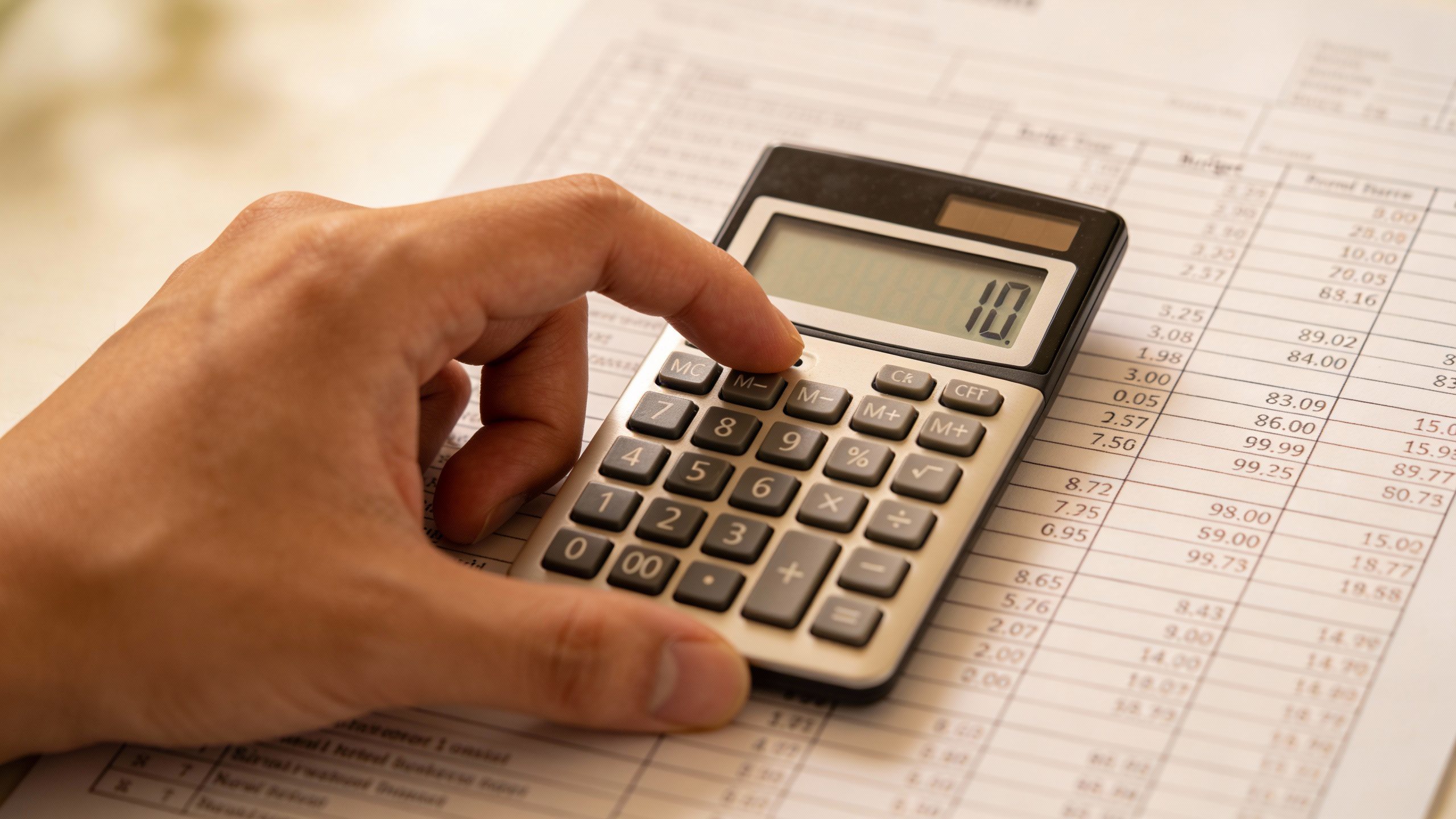
One account for bills, one for spending—this is the way. Here’s the playbook:
- When income hits, immediately transfer your “minimum survival budget” to a separate account (or envelope, if you’re old-school).
- Use *only* this account for fixed expenses. No dipping into it for spontaneous Amazon purchases.
- What’s left goes into your spending account. This is for variable costs (entertainment, coffee, that weirdly specific Etsy purchase).
Bonus Pro Tip
Open a high-yield savings account for your emergency fund. It’s harder to impulsively spend money when it’s not in your checking account—and hey, free interest.
Average Your Income Over Time

If your income fluctuates but averages out over months, calculate a baseline. Add up your last 6-12 months of earnings, divide by the number of months, and use that as your “salary.”
Example:
- Month 1: $3,000
- Month 2: $1,500
- Month 3: $4,200
Average = ($3,000 + $1,500 + $4,200) ÷ 3 = $2,900/month
Budget based on that average, not the highs or lows. Lean months? Dip into savings. Boom months? Replenish savings.
Build a “Slush Fund” for Lean Times
A slush fund is a mini emergency fund specifically for income gaps. Aim for 1-2 months of expenses. It’s your financial airbag when work dries up unexpectedly.
How to fill it:
- Set aside 10% of every paycheck until you hit your target.
- Sell stuff you don’t need (that guitar you never learned to play, anyone?).
- Use windfalls (tax refunds, birthday money) to boost it.
FAQ: Your Burning Questions, Answered
How do I budget when I have no idea what I’ll earn next month?
Start with your minimum survival budget. If you earn more, great—allocate the extra to savings or debt. If you earn less, lean on your slush fund.
Should I use credit cards with irregular income?
IMO, only if you pay them off *immediately*. Otherwise, they’re debt traps. Debit cards or cash force you to live within your means.
What if my “average income” isn’t enough to cover basics?
Time to either cut expenses (roommate, cheaper phone plan) or hustle for higher-paying gigs. FYI, side gigs like tutoring or dog-walking can bridge gaps.
How often should I reassess my budget?
Every 3 months. Income patterns change, and so do your expenses (looking at you, sudden dental bill).
Is it okay to have months where I spend more?
Sure—if you’ve already covered your basics and savings. Just don’t make it a habit. Your future self will thank you.
What’s the biggest mistake irregular earners make?
Living like they’re rich during good months, then panicking during dry spells. Consistency > splurging.
Wrap-Up: Budget Like a Pragmatic Optimist
Irregular income doesn’t have to mean financial whiplash. Pay yourself first, know your survival number, and smooth out the peaks and valleys. And remember: even if your income is unpredictable, your spending doesn’t have to be.
Now go forth and budget like the chaotic, brilliant money wizard you are. Just maybe skip the ramen diet this time.