How to Create a Budget That Actually Works for You
I know budgets aren’t sexy, but they’re the adult version of a cheat code for your money. You want control, not chaos, and you deserve a plan that doesn’t feel like a math problem from a bad textbook. Let’s build a budget that actually works—without the vibes of deprivation or guilt trips.
Your budget should feel like a roadmap, not a jail cell
Budgeting isn’t about pinching every penny and crying over every latte. It’s about aligning your spending with what matters most to you. If you’ve ever started a budget and abandoned it by Tuesday, you’re not broken—your method was. Let’s fix that with a plan that sticks.
Start with the essentials: know your numbers

You can’t budget if you don’t know what you’re working with. This step is boring but crucial.
- Track your income for a month. Include everything: salary, side gigs, passive income, refunds, anything that lands in your account. FYI, don’t forget irregular checks.
- List your fixed expenses—rent/mortgage, utilities, loan payments, insurance. These stay pretty steady, so you can plan around them.
- Estimate variable expenses—groceries, gas, dining out, entertainment. These wobble, so you’ll want some cushion.
- Identify non-negotiables and goals. Do you want to pay off a credit card, save for a vacation, or build an emergency fund? Name them clearly.
Quick-check: what’s your monthly burn?
Take last month’s statements and total everything you actually spent. If you’re embarrassed by the number, you’re normal. The goal isn’t perfection; it’s honesty. From here, you can trim the fat or reallocate it to your goals.
Choose a budget style that fits your vibe
There isn’t one perfect method. Pick what feels sustainable, then customize like you’re decorating a tiny, very stubborn apartment.
- Envelope method for variable spending. Put cash in labeled envelopes (Groceries, Fun, Gas). When an envelope is empty, you pause spending in that category. Simple, tactile, a little old-school.
- 50/30/20, simplified or a similar rule. 50% needs, 30% wants, 20% savings/debt. It’s flexible and quick to implement.
- Zero-based budget. Every dollar gets a job, even if it’s “I’m saving $5 for a rainy day.” It minimizes waste and forces intention.
- Rolling budget. You adjust monthly based on actuals. If you under-spend on groceries, you can reallocate to debt payoff or fun later. It’s dynamic and forgiving.
Try a hybrid if you’re indecisive
Combine methods: use 50/30/20 for the big buckets, then zero-out the surplus for debt or savings, and switch to envelopes for groceries and discretionary spending. It’s like mixing playlists to keep things interesting.
Put your goals front and center
If you don’t have a reason to save, you’ll bail out at the first shiny distraction. Make goals tangible.
- Emergency fund first. Aiming for 1–3 months of expenses is a solid start. It’s your “don’t panic” cushion.
- Debt payoff plan. Snowball or avalanche—pick the method that keeps you motivated. Quick wins fuel momentum.
- Savings for big wins. Vacation, home improvement, or investments. Name the amount and deadline. It’s less fantasy, more roadmap.
Make goals trackable
Set micro-milestones. Instead of “save $5,000 this year,” say “save $417 this month.” Small, achievable chunks beat big, intimidating targets.
Build in flexibility without chaos
Life happens. Your budget should bend without breaking.
- Automate where you can. Automate bill payments and transfers to savings so you don’t rely on willpower alone.
- Buffer your variable categories. Add a 5–10% cushion to groceries or dining out so you don’t derail the plan when prices spike or you’re tired.
- Plan for surprises. A “blow money” line or a “miscellaneous” category can absorb the unexpected without wrecking the month.
What to do when the budget goes off the rails
Take a breath, not a guilt spiral. Reconcile where you went wrong, adjust the next month, and keep moving. Momentum matters more than perfection.
Make it a habit, not a chore

A budget works when it becomes part of your routine, not a one-off project.
- Weekly check-ins. Quick 15-minute review to compare actuals vs. plan. If you’re off, reallocate for the rest of the month.
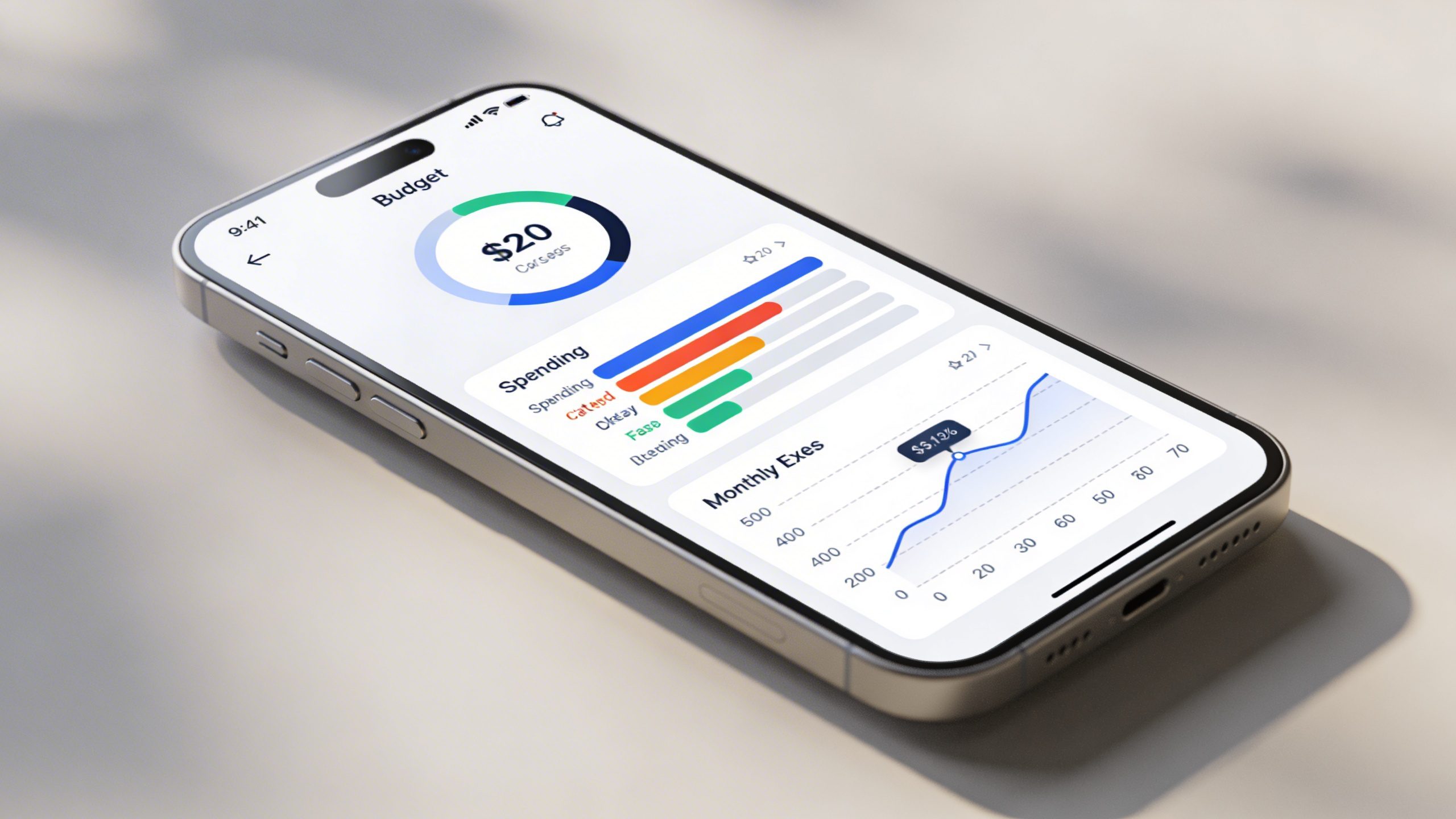
- Use the right tools. A simple budget app, a spreadsheet, or even a notebook can do the trick. Pick what you’ll actually open every week.
- Involve your partner or housemate. Align on goals and share progress. Motivation is easier when you’re not in this alone.
If you’re solo, create accountability somehow
Share a monthly win with a friend or post a discreet status update. Small accountability nudges help you stay honest with yourself.
Turn discipline into daily money wins
This is where the rubber meets the road. Tiny daily decisions compound into real dollars saved.
- Mindful spending. Before you click “buy,” ask: Do I value this more than my goal or debt payoff?
- Shop smarter. Make a grocery list, compare unit prices, and avoid impulse buys at checkout. The little wins add up.
- Meal planning. Cooking at home reduces costs and boosts mood. Plus, leftovers are deliciously underrated.
Smart hacks you’ll actually use
– Batch cook and freeze. – Use cashback apps for groceries. – Set a monthly “fun budget” to satisfy impulses without blowing the whole plan.
Track what matters: the metrics that actually help
Not all numbers deserve your attention. Focus on a few that predict success.
- Net income after savings. What’s left after you sock away savings and debt payments? That’s what you actually have to spend.
- Debt payoff pace. Are you reducing balances steadily? If not, tweak the plan.
- Emergency fund progress. See how close you are to your cushion. Motivation loves a progress bar.
Metered praise: celebrate tiny wins
Bought a month without overdrafts? Paid down a card by a noticeable amount? Throw yourself a tiny celebration. You earned it, and your future self will thank you.
FAQ
What if my income fluctuates each month?
If your income is irregular, build a base budget on your lowest monthly income and use the rest for savings or debt when money comes in. Create a separate “income buffer” fund to smooth chasing months with big spikes. Automation can still help—treat it like a sinking fund that fills gaps.
Is the envelope method practical in 2026?
Envelope budgeting works best for controllable expenses. If you don’t want cash, use digital envelopes or category caps in your bank app. The psychology of “seeing money leave a category” is the point—helps you pause before splurging.
How do I stay motivated to stick with a budget long-term?
Link the budget to real-life rewards. Set micro-goals and celebrate when you hit them. Use a visual progress tracker and remind yourself why you started. FYI, small social accountability helps, too.
What if I have high-interest debt?
Attack it with a plan you actually enjoy following. The avalanche method targets high-interest debt first, but the snowball method keeps momentum. Pick what keeps you moving. Combine with a savings buffer to avoid derailment.
Can I relax the budget for a vacation or special occasion?
Yes. Build a dedicated “vacation fund” and earmark months for it. When the trip is funded, adjust the rest of the month to dial back spending elsewhere. You get the joy without the guilt trip.
Conclusion
A budget that actually works isn’t about deprivation or following a boring template. It’s a living plan you can bend, adapt, and enjoy. Start with a clear snapshot of your money, pick a style that fits your vibe, and keep your goals in focus. Make regular check-ins easy, automate what you can, and give yourself permission to adjust. If you approach budgeting with curiosity, not punishment, you’ll find that money becomes less mysterious and a lot more helpful.
Strong finish: your future self will thank you for the small, consistent steps you take today. And if you ever feel stuck, revisit your goals, tweak your plan, and remember: you’re aiming for control, not perfection.