Best Budget Printables for Beginners: Quick Wins
If you’re new to printables and not sure where to start, you’re in the right aisle. You want something that works, doesn’t cost a fortune, and doesn’t require a degree in graphic design. Good news: there are plenty of budget-friendly printables that are beginner-friendly and actually useful. Let’s dive in and get you printing with confidence.
Why budget printables are your new best friend
First off, printables save you time, money, and sanity. You get a polished look without hiring a designer. They’re ready to go, usually in multiple formats, and you can customize later if you want. FYI, the best part is that you can test-drive a few options before committing to a whole habit—no commitment-phobia required.
Where to find reliable, affordable options
– Reputable marketplaces: Look for seller ratings, reviews, and “instant download” files. Start with a handful of trusted creators and rotate.
– Free samples first: Many designers offer free pages or mini packs. Use them to gauge quality and compatibility with your printer.
– Niche communities: Bloggers, YouTubers, and planning communities often curate lists of budget-friendly printables. IMO, you’ll discover gems you wouldn’t find by searching broadly.
Best beginner-friendly printable categories
Planners and organization kits
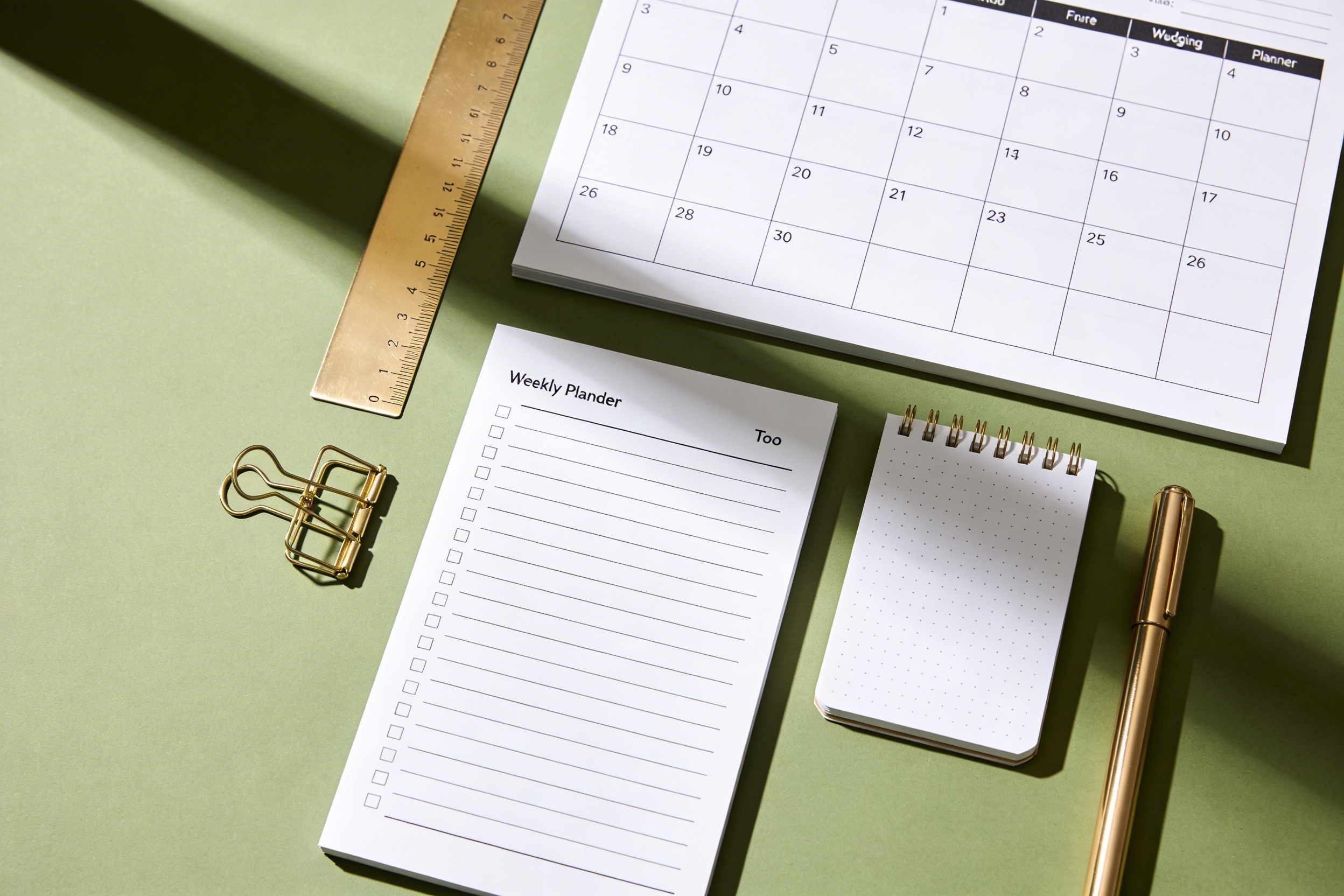
You don’t need fancy software to stay organized. A simple weekly planner printable can transform your chaos into something manageable.
– Why they’re great: They set a routine, break tasks into bite-sized chunks, and make it easy to track habits.
– What to look for: Monthly calendars, weekly spreads, and to-do lists in clean layouts.
- Weekly spreads with to-dos
- Habit trackers to build consistency
- Space for notes and goals
Budget-friendly meal planners
If you’re tired of last-minute dinners, these help you save money and calories.
– Why they’re great: Plan meals, shop once, avoid waste.
– What to look for: Grocery lists, 4-week rotation, and recipe cards.
- 1-page weekly meal plan
- Shopping list that groups by aisle
- Meal prep checklist
Simple wall art and printable posters
Decor doesn’t have to break the bank. Printable art is a quick way to refresh a room.
– Why they’re great: Instant mood boost, easy color pairing, zero frame commitment.
– What to look for: A4 or US Letter size, high-resolution PNG/JPG, and color variations.
- Motivational quotes
- Minimalist art for small spaces
- Seasonal prints you can rotate
Study helpers for students and lifelong learners
If you’re hitting the books or learning a hobby, these printables keep study time sane.
– Why they’re great: Visual organizers beat chaos; you’ll actually remember stuff.
– What to look for: flashcards, mind maps, and note-taking templates.
- Flashcards for vocab or terms
- Note-taking templates
- Mind map sheets for topics
Finance and goal-tracking sheets
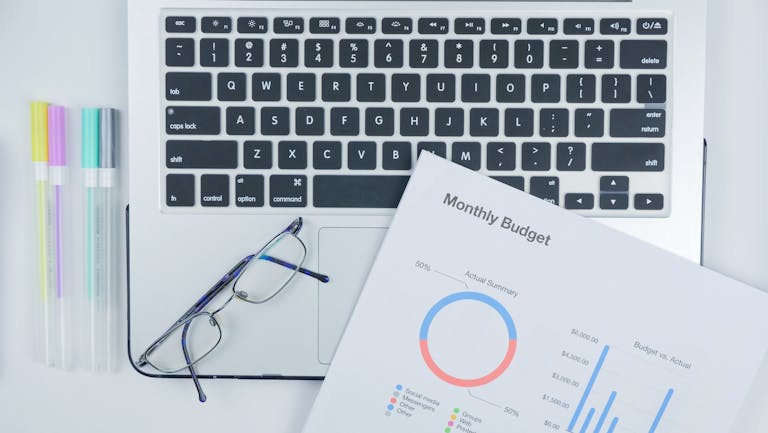
Getting a handle on money doesn’t require a big spreadsheet overhaul. Printable finance sheets are friendly and actionable.
– Why they’re great: Clear visuals reveal patterns you would miss in raw data.
– What to look for: Monthly budgets, debt trackers, savings goals.
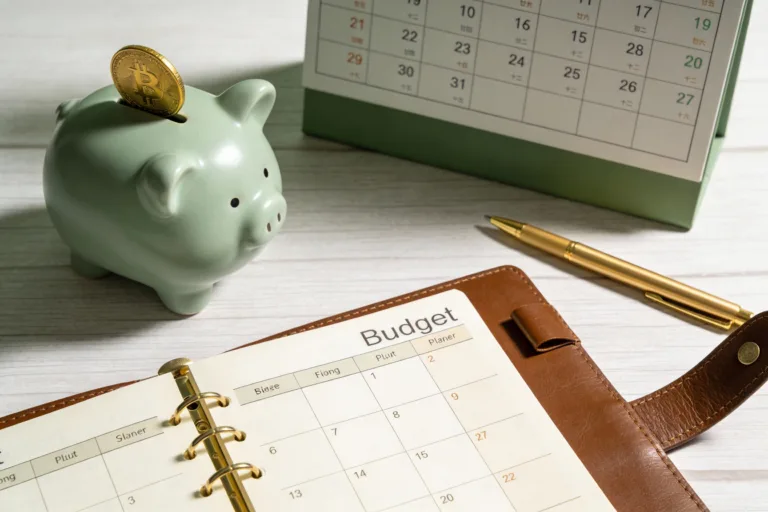
- Monthly budget planner
- Debt payoff tracker
- Savings goals dashboard
How to print and assemble without breaking the bank
Printing on a budget is easier than you think. Here are tricks to stretch every sheet.
– Paper matters: Standard 20-28 lb printer paper is fine for routine planners. For wall art, consider slightly thicker stock if you want more durability.
– Color vs. black and white: If you’re saving ink, start with black-and-white versions. Most designs offer a grayscale alternative.
– Printer settings: Use “photo” or “best quality” if you’re printing art; otherwise, “normal” is usually sufficient for planners and worksheets.
– Inking and margins: Check margins before printing in case the design crops. Some PDFs have crop marks; ignore them unless you know what you’re doing.
– Binding options: Three-ring binders, clipboards, or simple folders work. If you want a desk-friendly setup, a compact binder with dividers makes a big difference.
– DIY finishing: Laminating popular for wall art or reusable checklists. FYI, you don’t need a laminator—many shops offer affordable laminating.
Tips to customize printables without starting from scratch
Color and layout tweaks
Most printable packs are designed with neutral palettes, but you can punch them up.
– Swap colors: Use your printer’s color management to shift hues toward your room palette.
– Resize: If you want larger calendars or smaller notes, adjust the scale in your PDF viewer or printing settings.
– Font swaps: If you’re brave, replace header fonts with ones you prefer using a simple editing tool, but keep readability in mind.
Fill-in templates for a personal touch
Add your details to templates so they feel uniquely yours.
– Quick-fill idea: drop your name, week dates, or goals right onto the sheet.
– Consistency wins: Keep a small, fixed spot for your daily to-dos so you consistently get a sense of progress.
Organization shortcuts
Make each printable work harder for you by creating a system.
– Create a “master shelf”: Keep all your printable categories (planners, meal plans, finances) in one binder.
– Use color-coding: Assign colors to categories for quick recognition.
– Set weekly rituals: Schedule a 15-minute print-and-plan session on Sundays to prep the week.
Common beginner pitfalls (and how to avoid them)
– Overbuying: It’s tempting to grab every pretty pack. Start with 2-3 packs you actually need, then expand.
– Unreadable layouts: If text is too small or cluttered, pass on that pack. Clarity beats style when you’re starting.
– Poor print alignment: Always print a test page first to catch margins or alignment issues.
– Overcomplicating your system: Keep it simple. If your plan feels like a full-time job, you won’t stick with it.
FAQ
What file formats should I look for in budget printables?
Most beginner-friendly printables come in PDF because they preserve layout and are widely compatible. Some packs also include JPG or PNG versions for art prints. If you want edits, look for editable PDFs or PowerPoint/Canva-friendly formats, but be prepared to DIY a bit.
Do I need special software to use these printables?
Not at all. A PDF reader is enough for most packs. If you want to customize, free tools like Canva or Google Docs can handle basic edits, but keep in mind you might need a premium version for certain features.
Is it worth paying for printables as a beginner?
Yes, when you find packs that fit your routine. They save time and mental energy, which is priceless when you’re starting from scratch. Start with a few thoughtfully chosen packs and upgrade as your needs evolve.
How often should I print new sections or updates?
That depends on your routine. If you use a weekly planner, print a new weekly spread every Sunday. If you’re tinkering with meal plans, refresh monthly or biweekly. The key is consistency, not frequency.
Can I reuse printable materials long-term?
Yes. Reuse is a big win: print a month’s worth of planning pages and then reprint when you need a fresh start. Art prints can be swapped seasonally; keep a small rotating set to keep things fresh without buying more frequently.
Real talk: what I actually use and love
I’m not sponsored to say this, but I’m obsessed with the idea that a few well-chosen printables can transform your routine. I started with a basic weekly planner and a simple grocery sheet. Now I rotate in a monthly budget sheet and a habit tracker. Nothing fancy, but it’s made a tangible difference.
– The weekly planner keeps my Monday-from-hell tasks under control.
– The meal planner cuts down on those “what’s for dinner” debates between work and life.
– The habit tracker nudges me to keep small promises to myself.
If you’re on the fence, try that: one planner, one grocery sheet, one habit tracker. See how they fit your life before you go all-in on a dozen packs.
How to pick your first budget printable bundle
– Start with purpose: Do you want structure, decor, or study help? A clear goal keeps you focused and saves money.
– Check the layout: Is it too busy? Will you actually use it? If you can’t imagine filling it out, skip it.
– Look for variations: Some packs offer multiple color schemes or page styles. It’s nice to have options without buying more.
– Price point: Start under $10 for a starter pack. If you love it, you’ll know to invest more. IMO, good things are worth paying for, but you don’t need to break the bank.
Conclusion
Budget printables are a doorway to simpler, cooler routines without wrecking your wallet. Start small, pick purposeful packs, and print with intention. Remember: you don’t have to be perfect to get value. It’s about creating tiny rituals that add up.
If you’re curious, start with a basic weekly planner and a grocery list printable. See how they fit your schedule, adjust, and then expand. FYI, the more you use them, the more you’ll tweak what you buy next time around.