Budget Planner with Savings Tracker That Actually Works
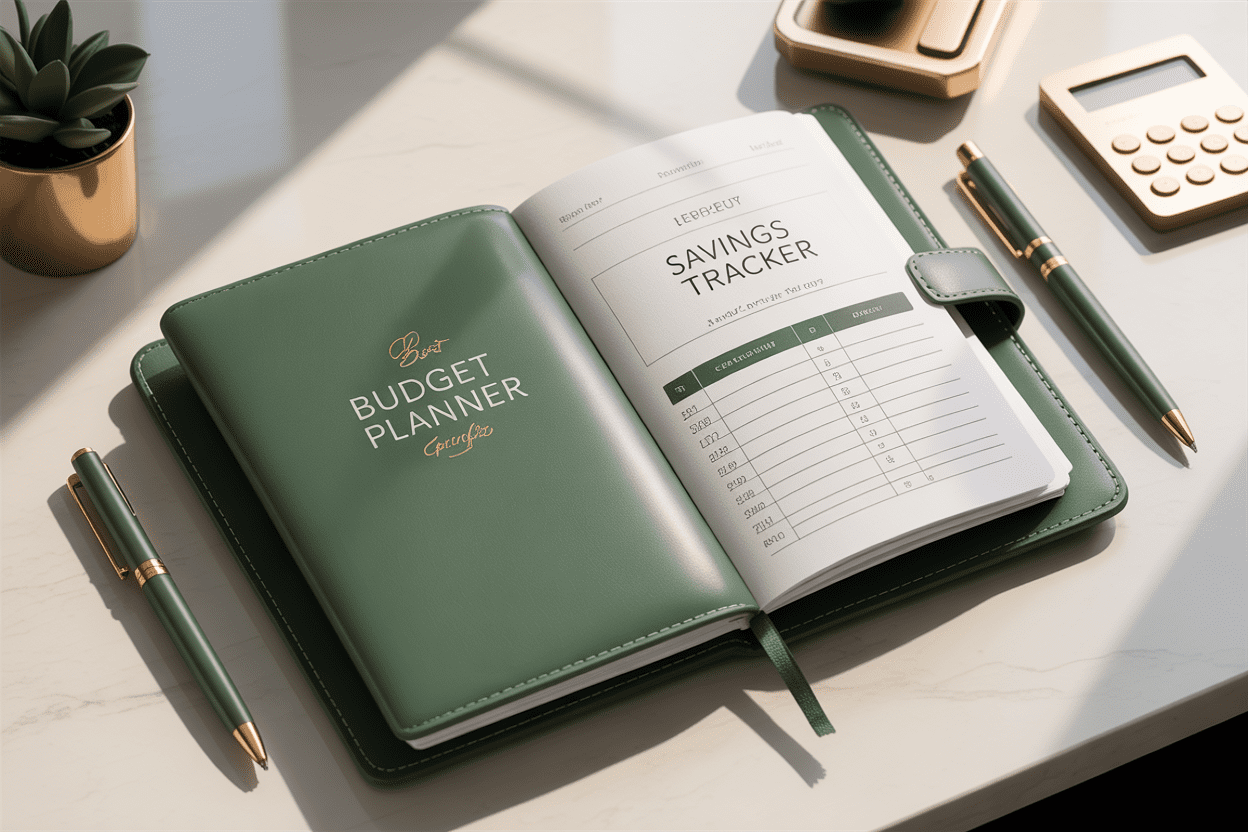
Budgeting feels annoying because money loves to wander. But what if your budget behaved like a GPS for your cash and your savings tracker acted like the destination pin? That’s the combo we’re building here. A budget planner with a savings tracker helps you tell every dollar where to go—and shows you exactly how close you are to what you want. No fluff, no guilt, just clarity and momentum.
Why Combine a Budget Planner with a Savings Tracker?
You can budget like a champ and still wonder where your savings went. That’s the problem. A savings tracker keeps your big goals front and center while your budget handles the day-to-day decisions.
When you connect the two, you get two big wins:
- Immediate control: You see what you can afford this week without guessing.
- Long-term progress: You watch your savings grow for vacations, emergencies, or that espresso machine you’ve been stalking.
FYI: This combo also kills the classic “I’ll save whatever’s left over” approach. Because spoiler: nothing is ever left over.
Start with Your Money Map
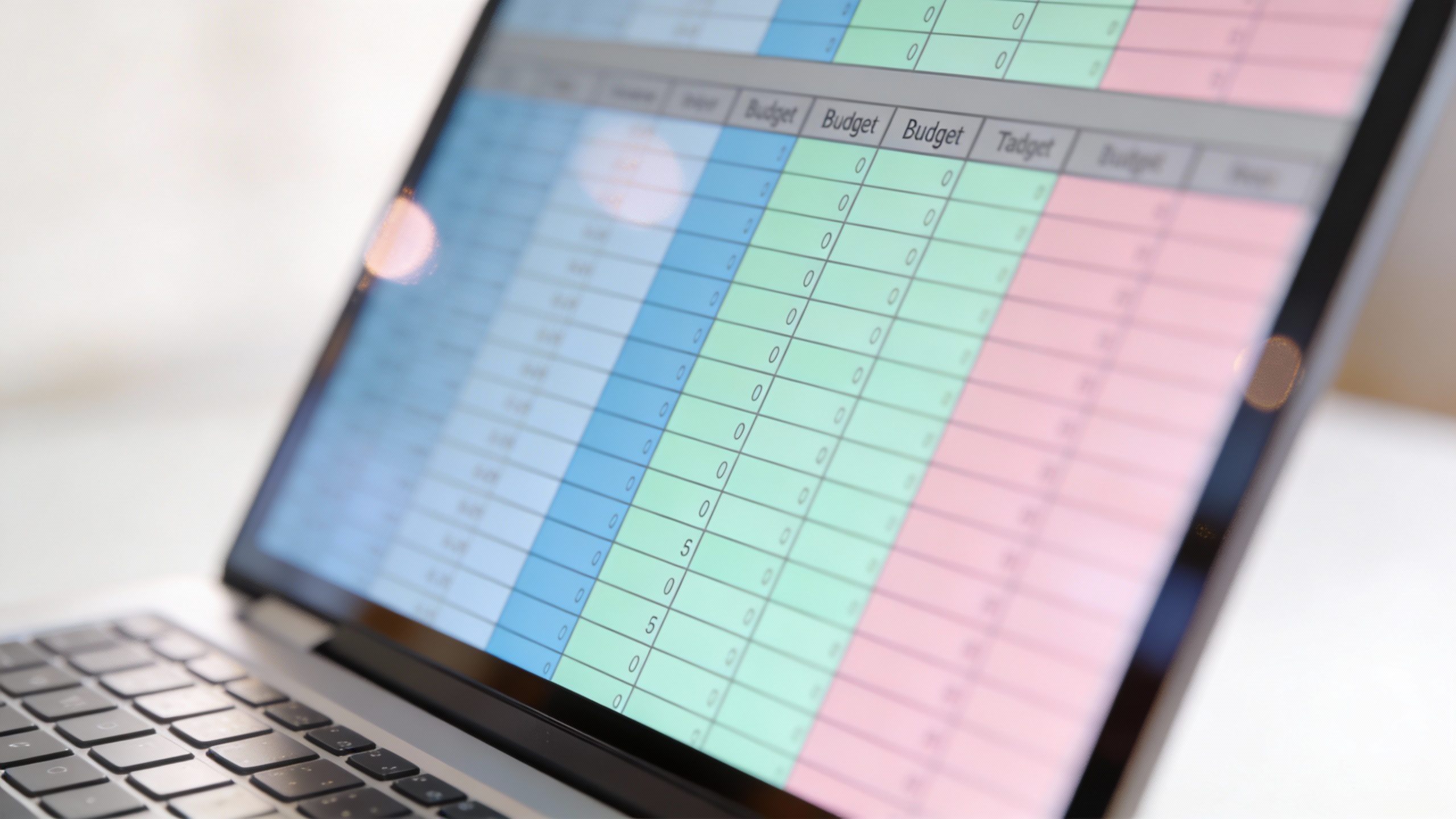
Before you track anything, map your cash flow. You want to know where money comes from and where it tries to sneak off to.
- Income: List net income (after taxes). Include side gigs if they’re consistent.
- Fixed bills: Rent, utilities, debt payments, subscriptions.
- Variables: Groceries, gas, fun stuff, random “I deserved this” purchases.
You don’t need perfect data to start. You just need honest estimates. We’ll refine as you go.
Pro Tip: Use the 80/20 Overview
Track the few categories that drive most of your spending:
- Housing + utilities
- Groceries
- Transportation
- Debt payments
- Discretionary (the everything-else bucket)
If you nail those, you control 80% of the chaos. IMO, that’s where beginners should focus.
Set Savings Goals That Actually Motivate You
Your savings tracker should feel like a progress bar you desperately want to fill. So pick goals that matter, and be specific.
- Emergency fund: Start with $1,000. Then 3–6 months of expenses if you want hard mode.
- Short-term: Trips, holidays, new phone, furniture.
- Medium-term: Car down payment, certifications, moving costs.
- Long-term: Home down payment, investments, financial freedom (yes please).
Make Goals Ultra Clear
Turn “save for vacation” into:
- Target: $1,800 by October 1
- Monthly: $300
- Savings account nickname: “Beach Mode”
That level of detail removes wiggle room. Your brain can’t negotiate with a deadline and a number.
The Pay-Yourself-First Game Plan

Here’s the move: you fund your savings goals first, then budget the rest. It sounds backward, but it works because you remove temptation up front.
- Set automatic transfers on payday: emergency fund, vacation, debt snowball.
- Split by bucket instead of one giant pot. Multiple savings accounts or a single account with sub-buckets both work.
- Use round-ups or micro-transfers if you like low-effort wins.
If your cash is tight, start tiny. Even $25/week builds momentum. Consistency beats perfection every time.
How Much Should You Save?
Try these simple targets:
- Starter: 10% of take-home pay
- Confident: 15–20% of take-home pay
- Big goals mode: 25%+ (short bursts while you chase something specific)
Not there yet? No worries. Increase 1% each month. It’s painless, and it adds up fast.
Build a Budget You’ll Actually Use
Your budget shouldn’t feel like detention. Make it flexible and simple.
- Use broad categories so you don’t spend 40 minutes labeling a latte.
- Give yourself fun money as a legit line item. You need joy in the budget or you’ll mutiny.
- Use weekly caps for variable categories (groceries, dining out). Weekly rhythm = fewer oops moments.
The Weekly Reset Ritual
Once a week:
- Check your balances and spending in 5 minutes.
- Move any leftover “fun” cash to a target goal. Tiny flex, big morale boost.
- Adjust next week’s caps if life happened (because life always happens).
Make it a 10-minute Friday routine with coffee. Or tea. I don’t judge.
Track Savings Like a Gamer
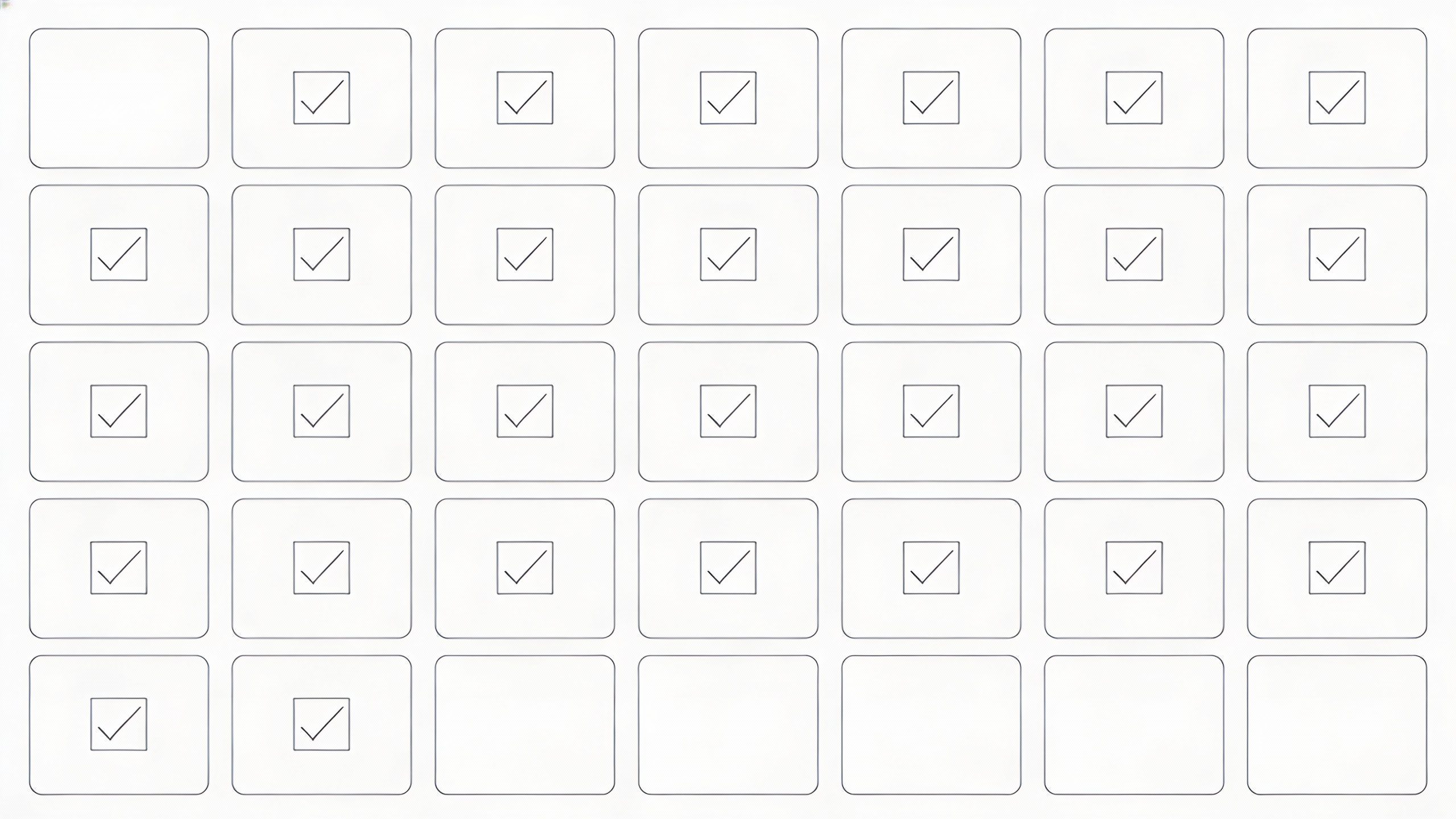
You’ll stick with tracking if it feels rewarding. So make it visual and satisfying.
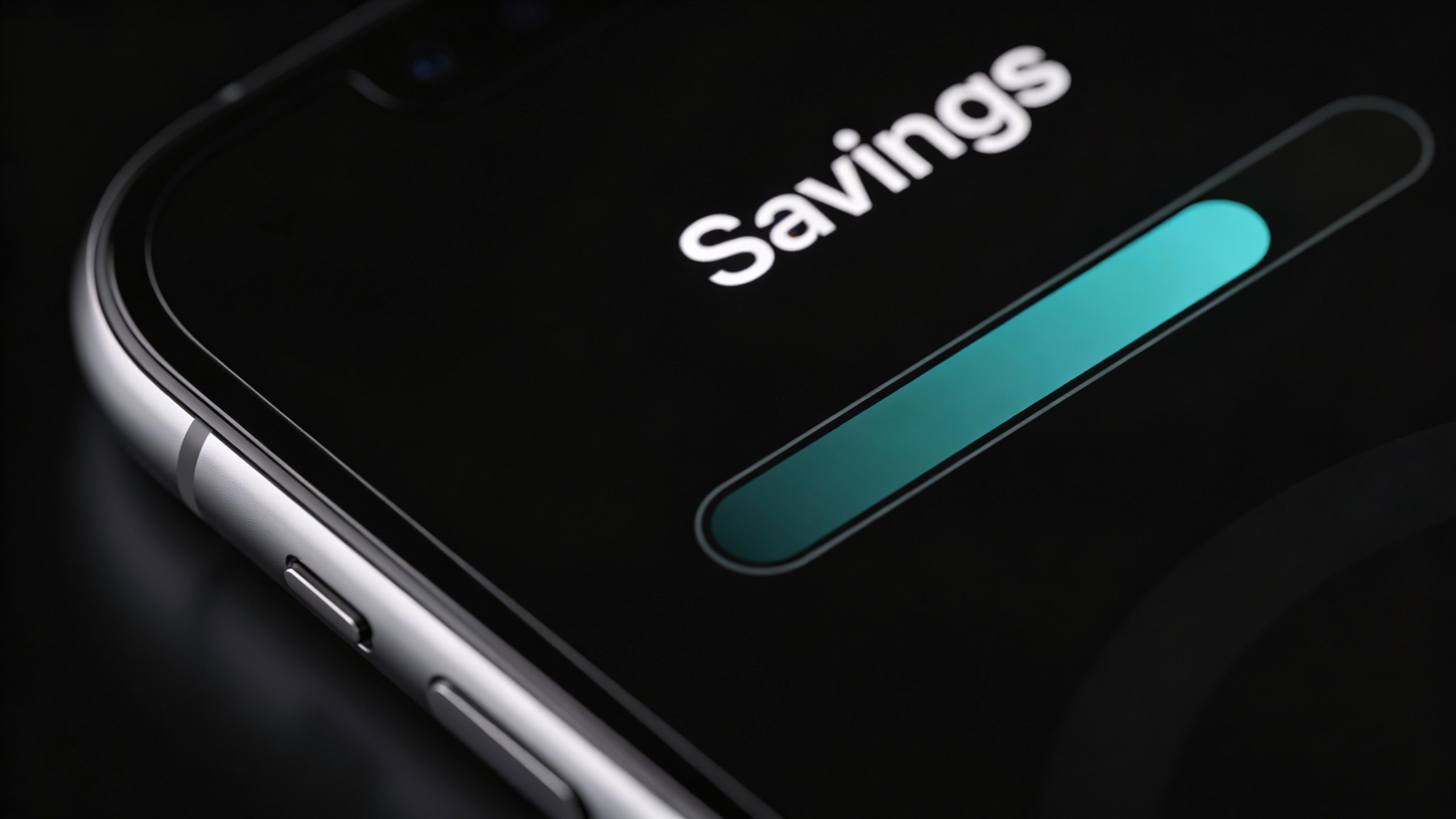
- Progress bars: One for each goal. Fill it every payday.
- Milestones: Celebrate 25%, 50%, 75%, and goal. Yes, you’re allowed to celebrate saving money.
- Streaks: Count how many paydays in a row you contributed. Don’t break the chain.
Simple Savings Tracker Layout
Create a tracker with:
- Goal name, target amount, deadline
- Current balance and remaining amount
- Monthly target and actual saved
- Notes for curveballs (e.g., “Car battery died. Boo.”)
Keep it visible—phone widget, whiteboard, or a pinned note. Out of sight means out of budget.
Using Envelopes, Buckets, and Sinking Funds
Sinking funds are the secret sauce. They’re mini savings pools for irregular expenses. Annoying annual bills and seasonal costs stop wrecking your budget when you plan for them.
Common sinking funds:
- Car maintenance
- Gifts and holidays
- Medical/dental
- Clothes and shoes (yes, you’ll need new sneakers at some point)
How to set each one:
- Estimate yearly cost (e.g., gifts $600).
- Divide by 12 ($50/month).
- Auto-transfer every month into a “Sinking Funds” bucket or separate sub-accounts.
Now when the bill hits, you shrug and pay it. No credit card panic. IMO, this step alone can transform your money life.
Debt and Savings: Balance Like a Pro
Yes, save and pay off debt at the same time. You avoid emergencies sending you back into more debt. Here’s a simple formula:
- Starter emergency fund: $1,000 first.
- Aggressive debt payoff: Focus on high-interest debt next (avalanche method).
- Minimum ongoing savings: Keep 5–10% going to savings/sinking funds to avoid setbacks.
Debt Payoff Methods
Pick a method you’ll stick with:
- Avalanche: Highest interest first = mathematically optimal.
- Snowball: Smallest balance first = motivational boost.
Motivation beats math if it keeps you consistent. Choose your fighter.
Tools That Make This Ridiculously Easy
You don’t need fancy apps, but they help. Pick your vibe.
- Spreadsheet lovers: Build a simple template with categories, weekly caps, and goal bars. Conditional formatting = instant dopamine.
- Bank features: Use multiple savings “vaults,” account nicknames, auto-transfers, and alerts.
- Budget apps: Look for envelope-style options, goal tracking, and transaction syncing.
Must-have features IMO:
- Separate savings buckets
- Weekly budget view
- Progress bars for goals
- Automations (rules, round-ups, transfers)
Automation Rules That Slap
Set and forget:
- On payday, send $X to each goal bucket.
- Round up purchases to nearest $1 or $5 into “Extra Savings.”
- When checking hits $Y, sweep $Z into savings (protects you from yourself).
Troubleshooting: When the Plan Goes Sideways
Life happens. Budgets bend. That’s normal. Fix the issue, don’t set the whole plan on fire.
- Overspent? Reduce next week’s category or pause a non-urgent goal for one cycle.
- Income changed? Re-size your savings amounts proportionally, not to zero.
- Unexpected bill? Use the emergency fund. Then refill it before resuming aggressive goals.
Red Flags to Watch
If you see these, tweak the plan:
- Constantly raiding savings for everyday spending
- Spending spikes every weekend
- “Forgotten” subscriptions eating your lunch
Solutions: tighter weekly caps, calendar reminders, and a monthly subscription audit. Unsubscribe like a boss.
Motivation: Keep the Energy High
You don’t need to love budgeting. You just need to love what it gets you. So make it rewarding.
- Visuals: Use trackers you enjoy updating. Fill those bars.
- Mini rewards: Each milestone gets a small, budgeted treat.
- Accountability: Share goals with a friend or partner. Money talk doesn’t have to be awkward.
Mindset Tweaks That Help
Try these reframes:
- “I can’t afford it” → “It’s not in this month’s plan.”
- “I’m bad with money” → “I’m building a system that works.”
- “Budgeting is restrictive” → “Budgeting gives me choices.”
Also, let your plan evolve. Your budget should adapt as your life changes. Static budgets are museum pieces, not tools.
FAQs
How many savings goals should I track at once?
Focus on 2–4 at a time. Keep an emergency fund plus one or two near-term goals. If you spread yourself across eight goals, you’ll feel like nothing moves. Finish one, then roll that contribution into the next goal for momentum.
Should I keep savings in separate accounts?
If your bank offers sub-accounts or “vaults,” use them. Clear buckets prevent accidental spending and keep motivation high. If you can’t split accounts, use a single high-yield savings and track “buckets” in a spreadsheet. Labeling matters more than perfection.
How do I handle irregular income?
Base your plan on your lowest reliable monthly income. Fund essentials and minimum savings from that number. When you earn more, move the extra to goals or a buffer. Also keep a “month-ahead” fund so you pay next month’s bills with money you already have. Irregular income loves buffers.
What if my budget always feels too tight?
Two levers: cut costs or raise income. Short-term, trim the top 3 categories by 10% and pause non-essential goals. Long-term, consider a small side hustle or negotiating bills (insurance, phone, internet). Even an extra $150/month turns a painful plan into a doable one.
Do I need an emergency fund if I have a credit card?
Yes. Credit cards charge interest and add stress. An emergency fund buys time and options. Start with $1,000. Then grow it to 3–6 months of expenses based on job stability and dependents. Your future self will send a thank-you card.
How often should I update my savings tracker?
Update it on payday at minimum. Weekly works best if you like momentum. The more frequently you see progress, the more likely you’ll stick with it, FYI. Quick check-ins beat quarterly “money audits” every time.
Conclusion
A budget planner shows you where your money should go. A savings tracker shows you why it matters. Put them together and you get everyday control plus visible progress toward the good stuff. Start simple, automate what you can, and celebrate milestones. Keep the system light, flexible, and a little fun—because money behaves better when you actually enjoy managing it.