
Budget Planner That Works Without Math: Simple Wins
You know you don’t need a math degree to budget like a boss. You just need a plan that keeps you honest without turning every Tuesday into a hospital-grade spreadsheet session. Welcome to the Budget Planner That Works Without Math. Yes, it’s possible—and yes, it’s actually fun.
What a “Budget Plan” Actually Means (Without the Zahlen-Overload)
Let’s cut to the chase: a budget plan is a map, not a complicated calculus problem. It tells you where money should go, not where it must go because some app says so. Think of it as a friendly game of financial chores—pay the essentials first, then reward yourself for hitting tiny wins.
– You decide the priorities: rent, utilities, groceries, and a little fun.
– You track a few big numbers, not every penny.
– The budget grows with you, not against you.
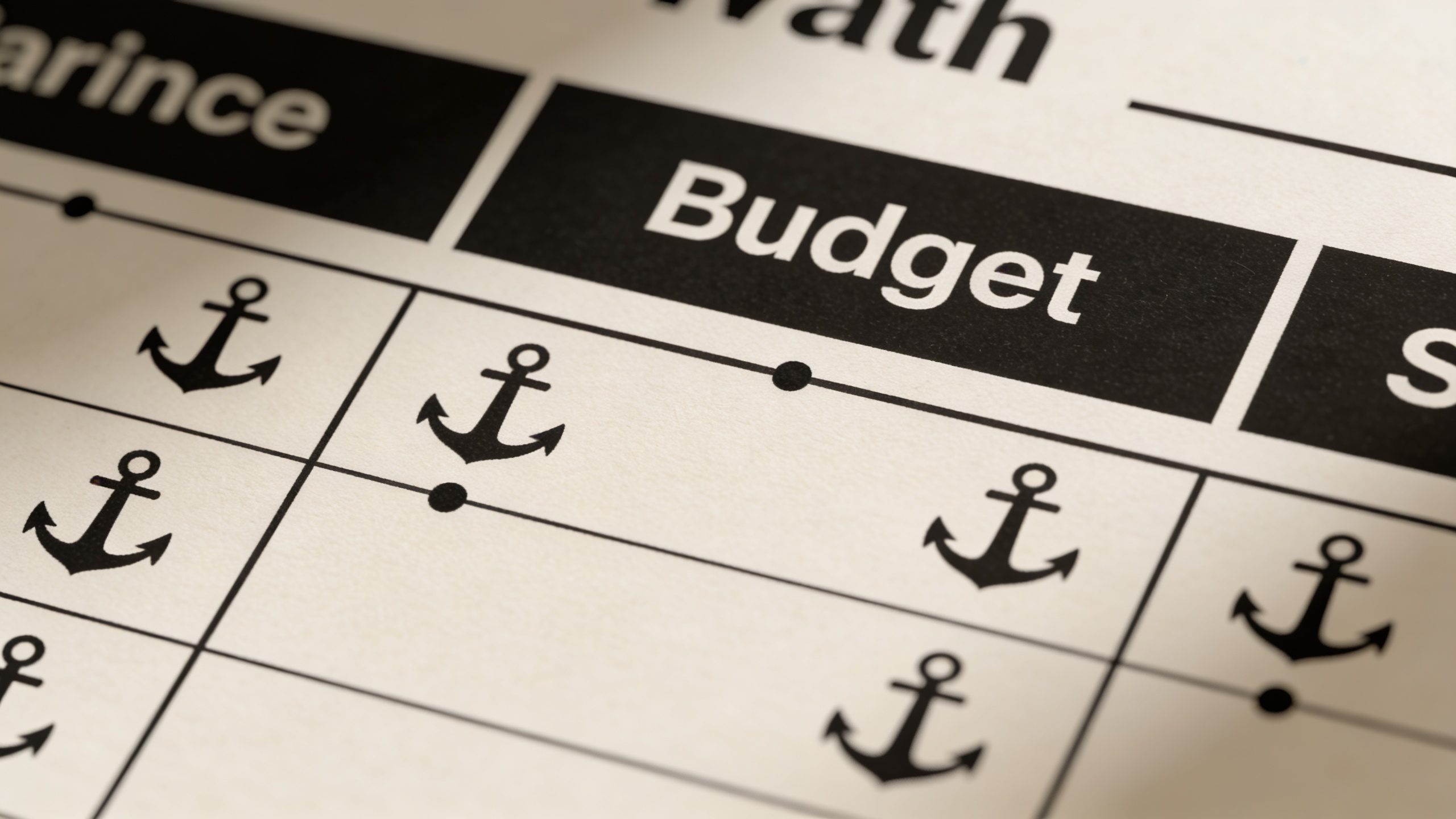
- Identify your anchors: non-negotiables like rent and debt payments.
- Shape flexible categories: groceries, entertainment, and “emergency” funds.
- Set simple targets: monthly dollar amounts, not percentages you need a calculator to understand.
Why this works: it’s human-friendly. Your brain likes concrete targets more than abstract percentages. FYI, a plan that respects your real life beats a perfect spreadsheet that never gets opened.
Find Your Simple System: The Budget Planner That Feels Free-Range
You don’t need fancy software to stay sane. A simple system works wonders when it’s designed to be used, not admired.
– Choose one tracking method: a notebook, a notes app, or a tiny spreadsheet with 3 columns (category, planned, actual).
– Use “envelope vibes” without actual envelopes: assign a number to each category and pretend the money lives there.
– Do a weekly check-in: 5 minutes, no guilt, just honesty.
- Plan once, adjust weekly.
- Keep it lightweight: 6–8 categories max.
- Reserve a “fun fund” so you don’t ditch savings for a snack binge.
This approach avoids the mathy trap: you’re not chasing perfect math; you’re chasing a workable rhythm. If it feels like a chore, you’re doing it wrong. Make it feel like a small, doable habit.
Categories That Don’tn’t Scare You (And How to Label Them)
Categories are your budget’s personality. When they’re friendly and obvious, you actually use them.
– Essentials: rent/mortgage, utilities, work stuff, groceries.
– Flex: dining out, streaming, small shopping sprees.
– Goals: savings, debt payoff, jacket money for a future vacation.
– Buffer: a little cushion for surprises, because life loves a curveball.
Tip: keep a “catch-all” category for the stuff you forget to budget. You’ll thank yourself later.
Suggested Sub-Categories for Clarity
– Groceries: plan meals, make a list, and respect it.
– Utilities: set a rough ceiling, but don’t stress every month if you’re chilly.
– Transportation: gas, maintenance, rideshares—all in one place.
– Fun and treats: tiny rewards keep you motivated.
- Label clearly so you don’t have to decode abbreviations later.
- Limit the number of categories to stay sane.
- Revisit and rename every now and then, like you would with a playlist.
Quick note: If you’re fighting urge to overspend, consider a 48-hour rule for impulse buys over a certain amount. IMO it saves a lot of heartbreak and a few credit card fees.
Automation Without the Anxiety: Tools That Help, Not Hinder

You don’t have to go full robot to keep the budget honest. The goal is frictionless tracking.
– Use a single dashboard: one place to glance and know if you’re on track.
– Auto-categorize where possible: many apps can do this for you. If not, a quick manual nudge once a week works.
– Sync with goals: savings and debt payoff should feel connected to your daily life.
- Pick one or two tools you actually enjoy using.
- Enable gentle reminders, not nagging alarms.
- Don’t chase every notification—keep calm and budget on.
FYI, automation is a friend, not a tyrant. The trick is to set it up so you don’t have to relearn your budget every month.
Debt, Savings, and the “Good Balance” You Can Actually Achieve
Debt and savings usually feel like a tug-of-war across a raging river. This budget approach invites a calmer river crossing.
– Prioritize high-interest debt with a steady, small extra payment each month.
– Automate a small savings transfer first, then budget the rest.
– Keep an emergency fund lightweight at first, like 1–2 months of essential expenses.
Remember: you don’t need to become a money monk to win at this. Small, consistent wins compound.
Tiny Actions That Move the Needle
– Round up: pay round numbers when you can (e.g., pay $49.50 instead of $50—feels like extra progress).
– Treat windfalls as opportunities: tax refunds, gifts, or bonuses go to savings or debt first.
– Schedule a monthly “financial date” to review progress with no guilt.
- Debt payoff avalanche vs. snowball—which vibe fits you? Pick one and own it.
- Increase the savings rate by 1% every 2–3 months if possible.
- Celebrate small milestones; you deserve it.
Sticky Situations and How to Survive Them

Budgeting isn’t a straight line. It’s more like a winding path with potholes and the occasional rainbow.
– Irregular income: treat it like a rollercoaster. Base the budget on a conservative monthly average.
– Seasonal expenses: car registration, holidays, school fees—pay ahead when you can, or dedicate a sinking fund.
– Unexpected bills: a mini emergency fund or a dedicated buffer category that absorbs the shock.
- Build flexibility into your categories so you don’t panic when life happens.
- Use a “no-questions-asked” fund for surprises.
- Revisit goals when income drops or spikes; adaptability > rigidity.
Mindset Made Simple: Habits That Keep Budgets Alive
Budgeting isn’t only about numbers; it’s about behavior. The right mindset turns a spreadsheet into a helpful friend.
– Start with a why: why do you want to budget? Freedom? Less stress? A vacation you’ll actually take?
– Embrace imperfection: you won’t hit every target every month, and that’s okay.
– Keep it human: you’re building a system that respects your life, not a system that rules you.
FYI, your future self will thank you for showing up, even if you falter now and then.
Monthly Rhythm That Feels Good
– Week 1: set intentions, adjust categories if needed.
– Week 2: review actuals briefly, move funds if necessary.
– Week 3: check debt and savings progress; celebrate small wins.
– Week 4: prepare the next month’s plan with any tweaks.
- Consistency > perfection.
- Use small, repeatable steps you won’t dread.
- Keep a savings “slot” open for fun goals—yes, you can have both.
FAQ
Do I really need a fancy budget to succeed?
Nope. A simple plan that you actually use beats a shiny spreadsheet you ignore. The key is clarity, not complexity. Start with 3–5 categories, a clear target for each, and a quick weekly check-in.
What if my expenses vary wildly month to month?
That’s normal. Use a conservative baseline for essential costs, and keep a flexible “flex” category. If a month runs high, shift from non-essentials or use your buffer. The goal is to stay afloat, not to chase perfect arithmetic.
How much should I save each month?
Aim for something you can sustain. A common starter target is 5–10% of income, but even moving $20–$50 regularly into savings adds up. Increase as you feel more secure. It’s about momentum, not fasting-level restraint.
Is debt payoff worth the extra effort?
Yes, especially high-interest debt. A small additional payment each month can shave years off a loan and save serious interest. Pick a plan you can maintain, whether it’s snowball (smallest debt first) or avalanche (highest interest first).
What tools do you recommend?
Start with what you already use: a notebook, a simple spreadsheet, or a notes app. If you want automation, look for one that automatically categorizes transactions and lets you set monthly targets. The best tool is the one you actually open.
How do I stay motivated long-term?
Link budgeting to real rewards and life goals. Celebrate milestones, not just numbers. Build a budget that leaves room for small joys, because a joyful plan sticks around longer.
Conclusion
Budgeting doesn’t have to feel like a math detention. With a simple, friendly system, you guide your money instead of letting it drive you crazy. Start with a few clear categories, a practical tracking method, and a weekly check-in that takes under 10 minutes. You’ll find that budget freedom isn’t a myth—it’s a habit you can actually enjoy.
If you want a quick starter template, I can whip one up for your exact income and expenses. IMO, nothing sticks better than something you customized for your life. So go ahead: pick your categories, set your goals, and give yourself permission to budget without math guilt. You’ve got this.