
Budget Planner for Debt and Savings: Your Simple Money Gps
If you’re drowning in subscription services, credit card offers, and a stubborn debt sneaking up on payday, you’re not alone. Let’s cut through the noise with a budget planner that actually helps you save and pay down debt without turning life into a spreadsheets-dominated purgatory. FYI: this isn’t a lecture. It’s a toolkit you’ll actually want to use.
What a Budget Planner Really Does for Debt and Savings
You don’t need a miracle; you need a plan you can follow. A budget planner maps out where every dollar goes, shows you how to tackle debt smartly, and carves out a real space for savings — even if your income is variable or you’ve got a big financial hill to climb.
– It turns fuzzy money feelings into concrete numbers you can act on.
– It helps you see how small changes add up over weeks and months.
– It keeps debt payoff momentum by setting realistic targets.
Think of it as a GPS for your money. You’ll still get annoyed at red lights (or, you know, a big medical bill), but you’ll know exactly which route to take next.
Get the Lay of the Land: Your Money Map
Before you do any fancy budgeting, you need to know what you’re dealing with. Gather these basics and you’ll have a realistic map to follow.
Track every dollar for a week
– List all income sources and when you get paid.
– Track every expense, no matter how tiny (yes, that latte counts).
– Note irregular expenses (car insurance, vacation days, birthdays).
This isn’t about judgment; it’s about honesty. The goal is visibility, not perfection.
Separate debt from daily living
– Debt: credit cards, student loans, personal loans, medical bills.
– Living expenses: rent, utilities, groceries, transport.
– Savings targets: emergency fund, big purchases, retirement.
Having this separation makes it easier to decide what you can pay toward debt and what you must save for peace of mind.
Set Clear Goals: Debt Payoff and Savings Milestones
Goals give your budget a backbone. Without them, you’ll wander and wonder where the money went.
- Debt payoff target: pick a number you can actually reach in 12–24 months. The trick is to choose a stretch, not a fantasy.
- Emergency fund: aim for 1–3 months of essential expenses. Start with $500 or $1,000 if you’re new to this, then grow it.
- Mini-savings goals: a $50 cushion for small tech fixes, a $100 for birthday gifts, stuff that keeps you motivated.
– Break big goals into bite-sized chunks. If you want to pay off $6,000 in 12 months, that’s $500 per month toward debt. Can you do it? If not, adjust the timeframe or the amount.
Make it trackable
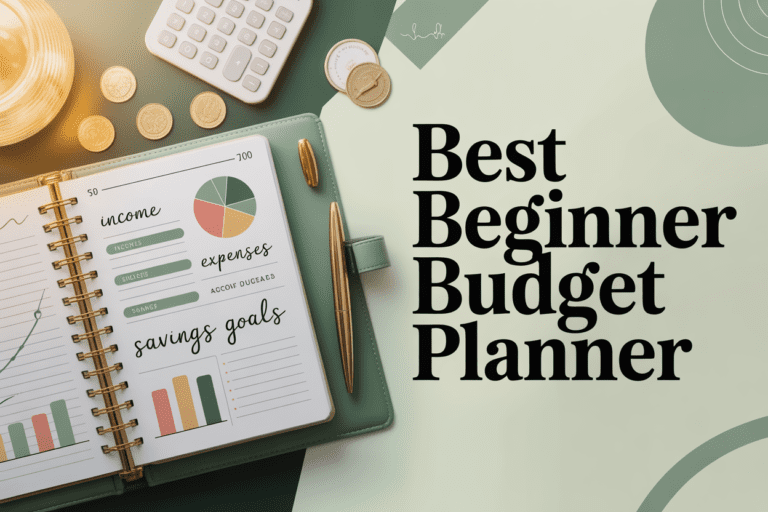
– Use a simple chart or a spreadsheet with columns for month, income, expenses, debt payments, and savings.
– Color-code sections: red for debt, green for savings, blue for essentials.
– Review weekly. If you’re not checking in, you’ll drift.
Create Your Budget: The 3-Pillar Approach
A solid budget rests on three pillars: income reality, expense control, and automatic mechanics. Here’s how to set it up without the drama.
Pillar 1: Income reality
– List all sources: salary, side gigs, passive income, gifts.
– Use after-tax numbers. Taxes aren’t your friend here; they’re reality.
– If you have irregular income, base your plan on a conservative average and pad with savings.
Pillar 2: Expense control
– Essentials first: housing, food, utilities, transport.
– Discretionary bits: dining out, streaming services, impulse buys.
– Fixed vs. variable: fixed stays steady; variable grows or shrinks with your choices.
Tips to trim without feeling broke:
– Batch cook and grocery shop with a list.
– Negotiate bills where you can (phone, internet, insurance).
– Cancel one unnecessary service or switch to a cheaper plan.
Pillar 3: The automation advantage
Automation isn’t cheating; it’s sanity. Set it up so the money moves by itself.
– Automate debt payments the day after payday.
– Automate transfers to savings (even small amounts count).
– Automate bill payments to avoid late fees.
Automation lets you forget the paycheck juggling and focus on momentum.
Debt-First or Savings-First? A Pragmatic Decision
People ask: should I tackle debt first or stash cash? The honest answer: it depends on your situation, but you can often blend both.
– High-interest debt (credit cards) often benefits from paying it down first because the interest compounds fast.
– A small emergency fund (< $1,000) usually beats zero, because a $100 car repair can crash your plan if you’re not prepared.
– If your employer offers a 401(k) match, you might want to contribute enough to get the full match while paying down high-interest debt on the side. It’s like getting free money.
– If you’re facing a minimum-payment trap, focus on getting out of that cycle first. It’s a confidence booster.
Smart Tactics for Paying Down Debt Faster

Yes, you can pay off debt faster than you think with a few practical moves. Here’s how.
- Debt avalanche: pay the minimums on all debts, plus extra toward the highest-interest debt first. Once that’s gone, roll its payment to the next one.
- Debt snowball: pay off the smallest balance first to build wins and confidence, then tackle the bigger debts. If motivation is your friend, snowball might be your ride.
- Balance transfer trick (careful): move high-interest debt to a 0% intro APR card if you can pay it off before the intro period ends. Read the fine print on fees and terms.
- Snowball with a twist: combine a small monthly savings habit (like $25) that you specifically earmark for the next debt payoff. Small wins keep you going.
– Bonus: renegotiate interest rates where possible. A quick call can shave a surprising amount off a bill.
Build an Emergency Fund Without Hating Your Life
Emergency fund is your financial sunscreen. It protects you from the chaos of life and prevents debt from reappearing when the unexpected hits.
How to start fast
– Start with a tiny target: $500 or $1,000. It’s not glamorous, but it’s practical.
– Set a tiny automatic transfer every week or every payday, even $5 or $10.
– Use a dedicated savings account to avoid the “I’ll just borrow from it” temptation.
Where to keep it
– A basic high-yield savings account or a money market fund works fine. You want liquidity with a little extra interest, not a locked-in emergency fund that takes a year to access.
Make Saving Feel Real: Fun, Not Torture
Budgeting can feel like gym time for your wallet. Here’s how to keep it sustainable and maybe even fun.
- Celebrate small wins: paid off a card? Treat yourself to a small, inexpensive reward that doesn’t derail your plan.
- Gamify it: use streaks, badges, or a simple progress bar in your spreadsheet. FYI, humans love progress visuals.
- Pair savings with a goal you love: saving for a trip, a gadget, or a home improvement gives your money a narrative.
– Don’t shame yourself for slip-ups. Adjust the plan, not your motivation.
DIY Budget Planner: Simple Templates That Work
You don’t need a fancy app to get moving. A simple, honest template often does the trick.
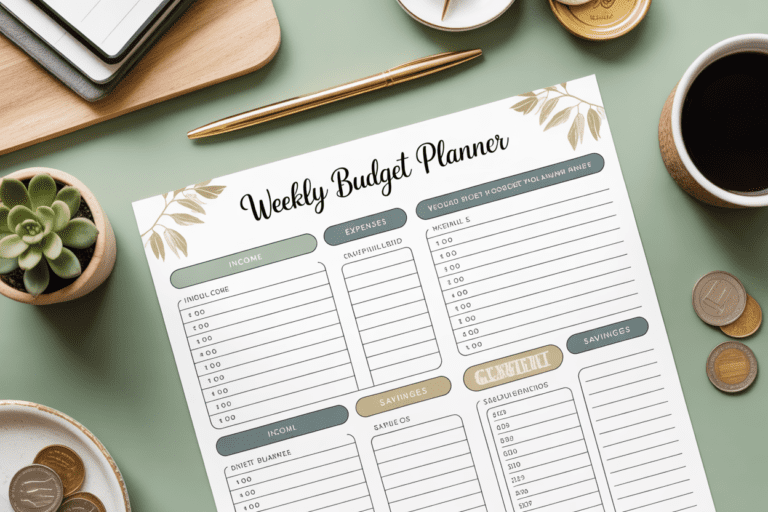
A basic monthly template you can start today
- Income: take-home pay from all sources.
- Fixed expenses: rent, insurance, debt minimums, utilities.
- Variable expenses: groceries, transport, dining out, entertainment.
- Debt payments: list each debt and the monthly amount toward principal.
- Savings: emergency fund contributions and other goals.
- Buffer: a small amount for the “just-in-case” category.
– Use a simple spreadsheeter or a notebook. The key is consistency, not complexity.
Sample weekly budget tweak
– If you notice you overspend on dining out, cut back this week by 25% and redirect the difference to debt payoff.
– If a bill spikes, adjust grocery or transport budgets accordingly, not your debt plan.
Tech Help Without the FOMO
If you like apps, you can still keep it human and simple.
- Budgeting apps: choose one that emphasizes envelopes or categories and allows you to set debt and savings goals. Use it for accountability, not guilt.
- Spreadsheets: a clean Google Sheet or Excel file with tabs for Income, Expenses, Debt, and Savings works wonders.
- Alerts: set reminders for bill due dates and target dates for debt milestones. FYI, automation helps you forgive yourself for forgetfulness.
– Remember: tools are only as good as your use. Pick one you’ll actually open.
Sticking With It: How to Stay Motivated
Motivation fades fast if you don’t build routine around it. Here’s how to keep your momentum.
– Schedule a weekly money date. Freeze a time, grab a coffee, and review the numbers.
– Build a simple accountability loop—tell a friend or post a quarterly update to yourself.
– Reassess every 3 months. If you’ve hit milestones, celebrate. If not, adjust the plan, not the dream.
– If you’re tempted to give up because of a setback, remember: progress isn’t linear. IMO, small consistent steps beat big, sporadic efforts every time.
When life throws a wrench
– If you lose income, drop discretionary expenses first and pause nonessential savings contributions temporarily.
– If you have an unexpected medical bill, negotiate aggressively and prioritize minimum debt payments while preserving emergency funds.
FAQ
How much should I save before aggressively paying down debt?
Yes, you should aim to build a small emergency fund first (around $500–$1,000) to avoid new debt from small surprises. Then shift focus to debt payoff, starting with the highest-interest or smallest balance depending on what keeps you motivated. It’s about balancing stability with progress.
Is it better to use the debt avalanche or debt snowball method?
If you want to maximize interest savings, go avalanche. If you crave quick wins to stay motivated, snowball can spark momentum. You can even blend them: clear a few small debts first to gain confidence, then switch to avalanche.
What about variable income or irregular paydays?
Base your budget on a conservative average of your income and keep a larger emergency fund if possible. Automate essentials first, and keep debt and savings flexible so you can adjust as paydays wobble.
Can I really automate everything without feeling chained to my finances?
Automation helps reduce decision fatigue, not constraint. You can still adjust goals, change contribution amounts, or pause automation if you need a reset. The goal is freedom from money chaos, not robotic rigidity.
What if I slip up and go into more debt?
Analyze why it happened, not just the numbers. Did an expense spike? Did you miss a payment? Then adjust the plan, perhaps with smaller targets or a temporary reduction in nonessential spending. You’re human; the plan is the compass, not a whip.
Conclusion
You don’t need a perfect budget to start getting results. You need a practical, repeatable system that balances debt payoff with saving for the future. Start by mapping your money, set clear goals, and build habits that stick. FYI, momentum compounds faster than you think, especially when you pair a tiny emergency fund with a disciplined debt payoff plan.
If you’re ready to take the reins, card in hand and numbers in front of you, you’ll discover budgeting isn’t about deprivation. It’s about orientation—getting your money to work for you instead of the other way around. Let’s do this, one deliberate dollar at a time.