How to Budget Paycheck to Paycheck (Even When Money Feels Tight)
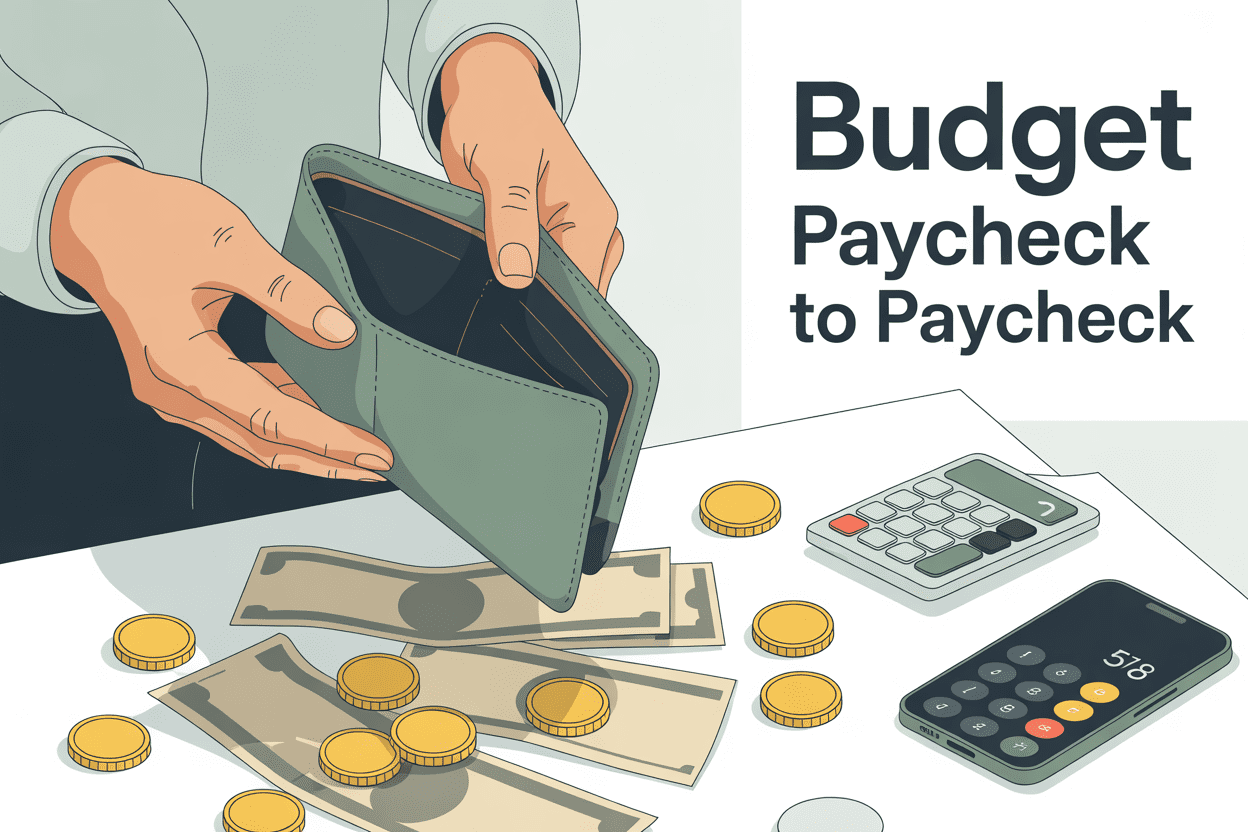
Paycheck hits. Bills pounce. Rinse, repeat. If that loop feels familiar, you’re not bad with money—you’re just playing on “hard mode.” The good news? You can absolutely budget on a tight income without living on instant noodles or selling your soul to your landlord. Let’s set up a plan that actually works when every dollar counts.
Start With a Reality Check (Not Shame)
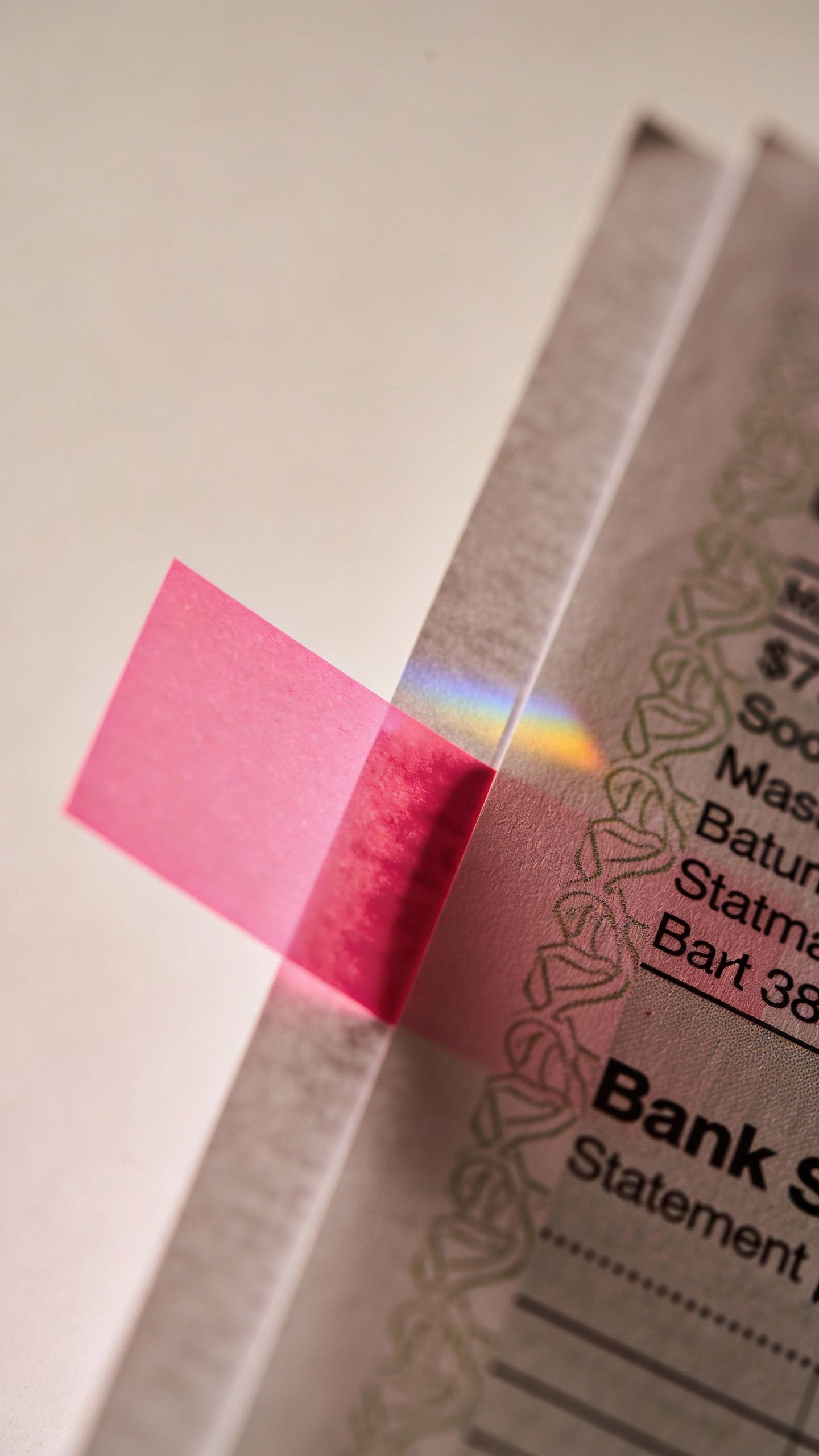
You can’t budget vibes. You need numbers. Grab your last two months of bank statements and list what you earn and where it goes—no judgment, just facts.
Focus on three buckets:
- Non-negotiables: Rent, utilities, groceries, minimum debt payments, transport.
- Flexibles: Dining out, streaming, random Amazon “emergencies.”
- Irregulars: Quarterly insurance, annual fees, car maintenance.
Your goal here? See the leaks. Do you spend $180 a month on delivery fees? You’re not alone. But now you know where to squeeze without pain.
Use a Zero-Based Budget (Even if It’s Ugly)
Zero-based means every dollar gets a job before the month starts. Income minus expenses equals zero. Yes, that includes fun money. Yes, fun money matters.
Set it up like this:
- List your income: Paychecks, tips, side gigs. Be conservative. Use your lowest typical month.
- Cover the basics first: Housing, utilities, food, transport. These always get paid.
- Assign dollars to priorities: Minimum debt payments, small emergency buffer, phones, internet.
- Give yourself a tiny “allowance”: $10–$30 a week can keep you from exploding later.
Will it feel tight? Yep. But you’ll see exactly what’s possible, and that beats guesswork every time.
Weekly Planning Beats Monthly Guessing
If monthly feels too big, budget weekly. Align your bills to paydays when possible. Many companies let you shift due dates—ask nicely and you’ll be surprised.
Automate What You Can, Visualize What You Can’t
Automation keeps you from “forgetting” to save or pay a bill. But when money is tight, you can’t automate everything without risking overdrafts.
- Automate the essentials that hit right after payday: rent, utilities, minimum debts.
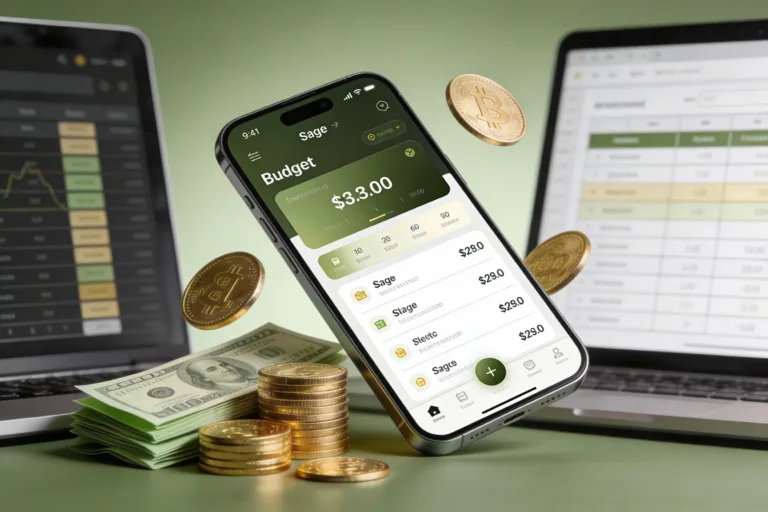
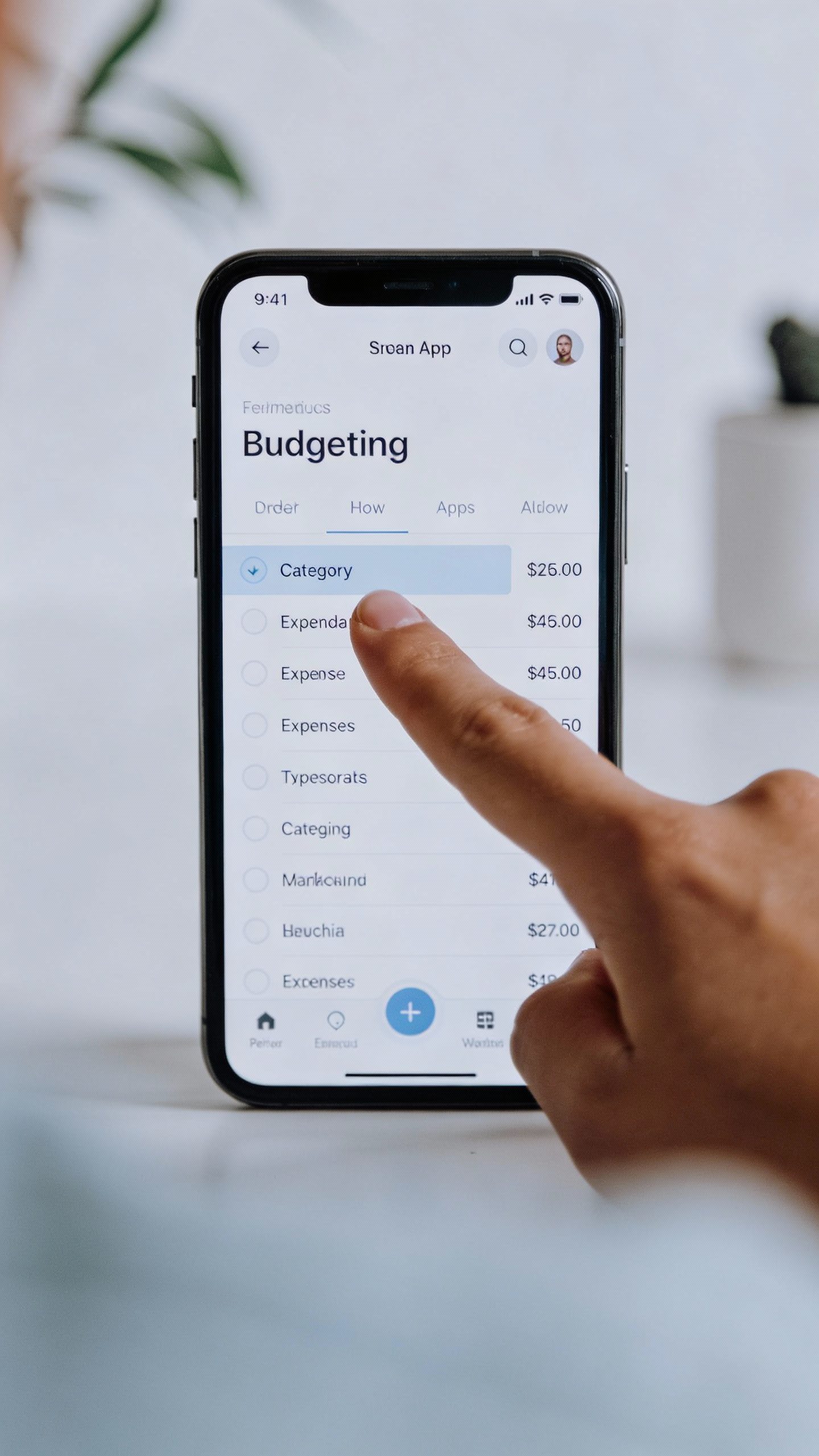
- Use visual money trackers for variable spending. Cash envelopes, separate debit cards, or app-based “buckets.”
- Name your accounts if your bank allows it: “Groceries,” “Gas,” “Emergency Lite.” It sounds silly. It works.
IMO, combining automation with a visual system stops your brain from pretending the balance is “spare money.”
Build a Tiny Emergency Buffer (Yes, Tiny Counts)
Waiting to “save later” keeps you stuck. Start with a $100–$300 buffer. That’s one busted tire, one copay, one crisis that doesn’t wreck your month.
Where to find the first $300
- Pause extras for one month: Keep one streaming service, cut the rest. Bring lunch 3 days a week.
- Sell one or two things: Old tech, gamer gear, furniture. You’re not married to clutter.
- Short-term side shot: One weekend gig (deliveries, tutoring, babysitting). Quick cash beats long-term suffering.
Put this buffer in a separate account so you don’t “accidentally” spend it. FYI, your future self will hug you.
Food: The Fastest Win
Food spending can go from “fine” to “how did I spend $600?” fast. You don’t need a chef’s hat—just a plan that avoids panic orders.
Three cheap meal strategies:
- Anchor meals: Pick 3–4 cheap, repeatable meals you can make half-asleep (tacos, stir-fry, pasta + protein, roasted chicken + frozen veg).
- Batch cook once: Cook on Sunday, eat until Wednesday. Add variety with sauces, not whole new meals.
- Grocery rules: Shop with a list, buy store brands, and don’t grocery shop hungry. You know why.
Smart Splurges That Save Money
A $15 spice set or an $18 rice cooker can reduce takeout spending drastically. Spend small now to avoid big later.
Debt Triage Without the Guilt Spiral

You can’t pay everything extra right now, and that’s okay. Keep all debts current with minimums, then attack one balance with any extra.
Pick your attack target:
- Smallest balance first (snowball): Wins fast, keeps you motivated.
- Highest interest first (avalanche): Saves the most money long-term.
Can’t decide? Choose the one that annoys you most. Emotion counts. Also, call lenders and ask for hardship programs, lower APRs, or payment shifts. You’re not begging—you’re a customer.
What if I’m already behind?
List debts, confirm due dates, and call before accounts go to collections. Offer what you can pay reliably. Get everything in writing. More honesty now, fewer headaches later.
Side Income That Doesn’t Burn You Out
Extra income moves you from “surviving” to “breathing.” But don’t torch your sanity.
Low-friction ideas:
- One weekend a month for gig work = buffer money.
- Freelance your existing skills (design, writing, admin) via trusted platforms.
- Ask for extra shifts or overtime first—usually pays more and feels simpler.
Set a goal: “I’ll earn $200 this month to finish the emergency fund.” Targets keep momentum. After that, let the extra hit debt or a cushion.
Make Irregular Bills Boring

Annual or quarterly bills feel like ambushes. Don’t give them the satisfaction.
Break them into monthly chunks:
- $600 car insurance twice a year? Save $50 a month in a labeled sub-account.
- $300 car maintenance yearly? Save $25 a month.
- Holiday gifts? Decide your number now and divide by months left.
When the bill hits, you just pay it. No drama, no interest, no panic texts.
Track Progress in 10 Minutes a Week
You don’t need a finance PhD. You need a quick check-in.
Weekly checklist:
- Open your banking app.
- Confirm bills paid and balances in your categories.
- Adjust if something changed (hello, surprise school fee).
- Celebrate a small win: “I stayed under grocery budget.”
IMO, money success is 80% consistency, 20% spreadsheets. Keep it light, but keep showing up.
FAQ
What if my income changes every month?
Base your budget on your lowest typical month, not your best. Cover the essentials first. When you earn more, assign the extra to variable spending, the emergency buffer, or debt. Use a priority list so you don’t impulse-upgrade your lifestyle each time.
Should I save or pay off debt first?
Do both, just in stages. Build a tiny emergency buffer first ($100–$300). Then pay minimums on all debts and push any extra to your chosen target debt. After that, slowly grow the buffer to one month of expenses if you can. Without a buffer, one problem sends you right back to the credit card.
How do I budget when I’m already overdrafting?
Stop all auto-transfers to savings temporarily. Ask your bank to remove overdraft “protection” that charges fees. Switch to a “cash” or separate debit card system for flexible categories like food and gas. Then prioritize covering upcoming essentials while you reset.
Is cash envelope budgeting still a thing?
Yes, because it works. But you can do digital envelopes with banks that offer sub-accounts or prepaid cards. The key is separation. If your “groceries” money lives in its own pocket, you won’t accidentally eat your electric bill.
What’s a realistic grocery budget for one person?
Varies by location, but a lean target is $50–$70 per week if you cook simple meals and use store brands. Add more if you have dietary restrictions or live in a high-cost area. Track for a month, then adjust to reality instead of fantasy.
How do I stay motivated when progress feels slow?
Make wins visible. Track debt balances dropping, and rename your accounts to the goal they support. Build tiny rewards for milestones (coffee after a no-spend week, a movie night after paying off a card). You’re changing habits, not auditioning for a finance Olympics.
Conclusion
Budgeting on a tight income isn’t a magical spreadsheet—it’s a routine. Give every dollar a job, automate the essentials, keep food simple, and build a tiny buffer that saves your butt when life happens. You’ll feel control return one week at a time. And hey, when your paycheck finally stops running from your bills, you’ll know exactly where to send it—on purpose.