
How to Budget for Savings and Fun Money Without the Guilt
I’m not here to selling you some shiny magic pill. I’m here to help you budget for savings and fun money in a way that actually sticks. Yes, you can have both security and surprises in your life—without sacrificing your sanity or your credit score.
Why This Stuff Actually Works
Saving money isn’t about depriving yourself; it’s about directing your dollars toward what matters. If you’ve ever felt like you’re chasing a moving target—income up, expenses up, then boom—savings zero, you’re not alone. The trick is structure, not willpower. When you have a plan you can trust, you stop guessing and start growing.
– Cut the chaos by naming your goals clearly.
– Automate so money moves without you nagging yourself.
– Separate your “fun money” from essential spending so you never feel deprived.
Fancy? Not really. Practical? Absolutely. You in?
Start with Your Big Picture: What Do You Want to Do With Savings?

This isn’t a boring worksheet. It’s a map. Your map. Spend 5 minutes writing down your big goals. Then we’ll break them into bite-sized steps.
- Emergency fund: What number would give you peace of mind for 3–6 months of living expenses?
- Big purchases: Car replacement, tech setup, or a vacation home away from your day-to-day life?
- Future-proofing: Retirement, college for kids, or starting a small business?
- Experiences: A dream honeymoon, concerts, or a cross-country road trip?
If you’re not sure, great. Start with the first two goals that feel urgent. You can always adjust later. The point is to stop thinking in vibes and start thinking in numbers you can actually track.
Budgeting 101: The 50/30/20-ish Way (Without the Guilt)
Let’s get practical. The classic 50/30/20 rule is a solid starter, but you can tweak it to fit your vibe. The goal is balance—spend moderately, save consistently, and give yourself some fun.
– 50% needs: Rent, utilities, groceries, transportation.
– 30% wants: Everything that sparks joy—yes, that includes occasional splurges.
– 20% savings: Emergency fund, retirement, debt payoff.
Here’s how to adapt it:
– If your wants feel chaotic, shift more toward needs or savings for a month.
– If you’re debt-heavy, you might bump savings by 5% and put the rest toward debt payoff.
– If you’re early in your career, you can compress wants and put extra into savings until you hit your emergency fund target.
Automate Like a Pro: Why Your Future Self Will Thank You

Automation is the secret sauce. If you leave decisions to your willpower, you’ll lose to Taco Tuesday and ‘one more episode’ every time. Automate everything you can.
– Set up automatic transfers to a savings account on payday.
– Create separate accounts for each goal: emergency fund, big purchases, retirement, and fun money.
– Use a debt repayment automation if you’re carrying balances.
– Schedule automatic transfers for your fun money, too, so it never runs dry.
If you’re worried you’ll forget, set calendar reminders for quarterly check-ins to ensure goals are still aligned with reality.
Fun Money: The Make-It-Feel-Special Fund
Yes, you can budget for fun without feeling like you’re living in a boring spreadsheet. The trick is to treat fun money as a genuine line item—no guilt, no sneaking purchases.
– Decide how much you’re comfortable allocating per month.
– Use a separate debit card or digital wallet for this fund to avoid cross-spending.
– Create micro-goals like “this month I’ll buy one small thing I’ve wanted for a while.”
– Track what you actually spend so you learn what truly brings joy.
- Micro-joys: A coffee with a fancy latte art, a new playlist, a mini gaming session.
- Experiential joys: A museum visit, a short trip, a weekend hike.
- Knowledge joys: A course, an e-book, a workshop.
Remember: Fun money should feel liberating, not like a secret vice.
Debt, If You Have It: Taming the Beast Without Killing Momentum

Debt can feel like a soggy sandwich you keep forcing yourself to eat. Here’s a sane way to handle it without ruining your life.
- List all debts from highest interest to lowest.
- Pay minimums on everything except the highest-interest debt.
- Add a little extra to the highest-interest debt every month until it’s gone.
- Roll the freed-up payment to the next debt and rinse and repeat.
You don’t have to go full Dave Ramsey with a harsh plan. Find a middle ground: aggressive enough to move, gentle enough to stay sane. And yes, you can still fund some fun money while you tackle debt.
“What If I Earn Less This Month?”: Flex Your Budget, Not Your Dreams
Income fluctuations happen. Weather changes, side gigs, layoffs—life loves curveballs. The key is resilience and a little nimbleness.
– Build a tiny buffer in your main checking so a few lean weeks don’t derail everything.
– Use a rolling average for your savings goals. If one month dips, don’t panic; adjust and keep going.
– Have a mini-adjustment plan: reduce wants by a small amount, defer a big purchase, or extend a payment plan on big buys.
Are you ready to pivot? Do you have a “rainy day” plan that doesn’t feel scolding? If not, let’s craft one in 10 minutes.
Mid-Game Check-Ins: When to Rebalance Your Plan
Your budget isn’t a sermon on a wall. It’s a living document. Revisit it every few months.
– Review actual spending vs. plan. Where did you go off the rails? Adjust.
– Re-check your goals. Have you hit any milestones? Celebrate them, then set the next target.
– Rebalance the fun money. If you’re burning through it, dial it back a notch or reward yourself with a different kind of joy.
– Check the emergency fund target. If you’ve reached it, you can reallocate some cash toward bigger dreams.
If you hate paperwork, keep your check-ins casual: a five-minute glance in a notes app, a quick spreadsheet line, or a glance at your app dashboard.
Smart Tools That Actually Help (No Snobbery Required)
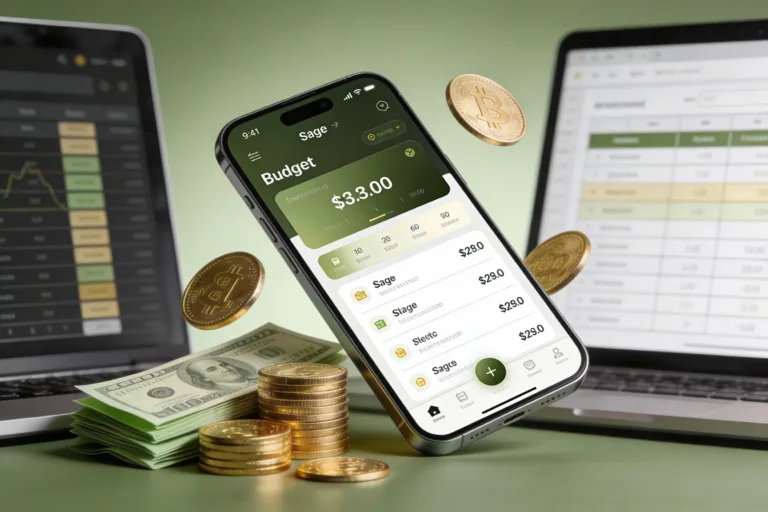
You don’t need a fancy financial advisor to budget like a pro. You need tools that fit your style.
– Budget apps with simple dashboards and automatic categorization.
– Savings apps that round up purchases and tuck the change away.
– Bank rules for automatic transfers and spending alerts.
– Spreadsheets if you love DIY control and can tolerate a little nerdiness.
If you’re overwhelmed, start with one tool you can actually stick with. The best tool is the one you’ll use consistently, not the one that has every feature known to mankind.
Common Pitfalls (And How to Avoid Them)
No plan is perfect. Here are the usual suspects and how to dodge them.
– Underestimating quarterly drift: Your expenses drift upward. Revisit every 3 months.
– Ignoring fun money: If you cut it too hard, you’ll ditch the plan out of boredom. Keep a slice of joy.
– Overcomplicating goals: Simple is sustainable. If your plan feels like a maze, simplify.
– Chasing big wins: Consistency beats sporadic big wins. Build the habit, not the miracle.
Putting It All Together: A Sample Month You Can Follow
Here’s a realistic example to illustrate how this plays out in real life.
– Take-home pay after taxes: $4,000
– Emergency fund goal: $12,000
– Monthly budget targets: Needs $1,900, Wants $1,200, Savings $900
– Automatic transfers on payday: $1,000 to emergency fund, $300 to vacation fund, $300 to retirement, $400 for fun money
– Put $1,900 in needs via checking account bill payments and groceries
– Fun money gets spent on small joys: coffee, a movie night, a new app, etc.
If a month looks tight, you adjust wants downward to preserve savings and emergency targets. If a month is great, you can push a little extra into retirement or a larger fun purchase you’ve had your eye on.
FAQ
How much should I really save each month?
Saving is personal. A safe starting point is 10–20% of take-home pay, but give yourself permission to adjust. If you’re paying toward debt, you might save less initially and ramp up once debt is under control. The important part is consistency, not a perfect percentage.
Is it okay to cut back on fun money if I’m behind on goals?
Yes, but do it consciously. Reduce the amount rather than cutting it off entirely. The goal is to keep momentum on your long-term goals while preserving a small, controllable slice of joy. Then reintroduce the cut piece as soon as possible.
What if I have fluctuating income month to month?
Treat the average as your baseline: determine your needs and savings based on a conservative estimate of your typical income. If a month is higher, allocate extra toward savings or a bigger fun splurge. If lower, rely on your buffer and adjust wants temporarily.
How can I stay motivated without feeling guilty?
Make the plan visible and celebrate small wins. Track progress, share goals with a friend, and reward yourself when you hit milestones. FYI, small steady wins beat big, sporadic ones for most people.
Is there a better method than the 50/30/20 rule?
Yes, some people use zero-based budgeting, where every dollar has a job. Others love paycheck-to-paycheck variables. Start with something simple like 50/30/20, then evolve into a method that matches your life. The right system is the one you actually use.
What’s the most important mental shift for budgeting success?
Treat savings as a non-negotiable expense, not a leftover. If you automate and separate funds, you remove the emotional tug-of-war. You’ll stop asking, “Can I save more?” and start asking, “Where can I allocate this extra money next month?”
Conclusion
Budgeting for savings and fun money isn’t about martyring yourself or chasing impossible perfection. It’s about clarity, momentum, and a little humor sprinkled in. Start with a clear picture of what you want, automate what you can, and keep a dedicated lane for joy. Your future self will thank you for showing up consistently, even if you skip a fancy coffee this week. With the right structure, you can build a life that feels both secure and deliciously satisfying. So go ahead—build the version of your finances that actually works for real life, not just on paper.