
How to Pay Off Debt Using a Budget Plan That Works
I’m not here to sugarcoat it: debt stinks. But a solid budget plan can turn that debt game around faster than you think. Let’s map out a practical path that actually fits your life—no guilt trips, just doable steps and a bit of real talk.
Know Your Numbers Before You Start swinging a budget knife
When you’re staring at a pile of bills, it’s easy to panic. Do this instead: pull up your latest statements and list every debt you owe. Include balance, interest rate, minimum payment, and due date. Yes, all of it. Knowledge is your money superpower here.
– Why this matters: high-interest debts burn cash and stall progress. Knowing where you stand helps you prioritize.
– Quick win: identify a few small tweaks you can make today—unneeded subscriptions, streaming adds, or that $4.99 coffee you pretend isn’t habit.
- Track your income: every dollar gets a job, even the ones from side hustles or odd gigs.
- Track your expenses for a month: you’ll spot leaks in your budget, fast.
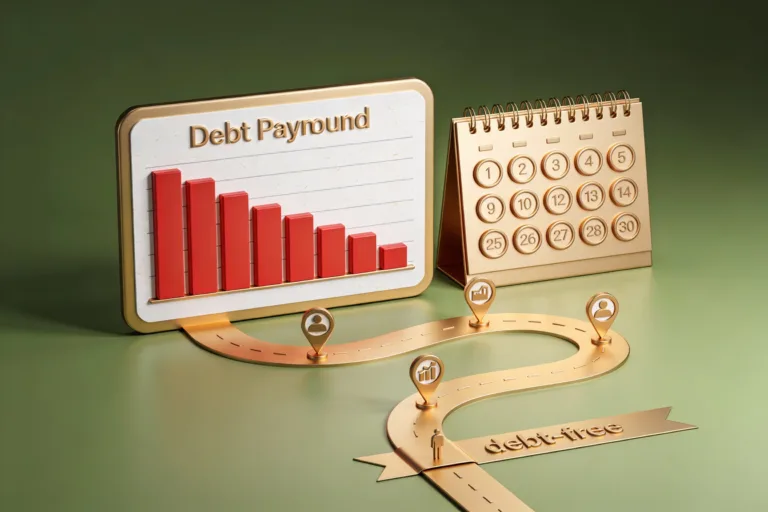
- Set a target debt-payoff timeline: a rough date keeps you motivated and accountable.
Tip: Create a “hell yeah” debt payoff goal
Make the plan feel exciting, not brutal. Pick a payoff date that actually fits your life and celebrate small milestones along the way. FYI, tiny wins compound into big momentum.
Design a Budget That Supports Payoff, Not Punishment
A budget isn’t a diet; it’s a promise you make to yourself to steward money well. Build one that prioritizes debt payments while still leaving room for living.
– Start with essentials: housing, groceries, utilities, transportation. If something feels optional, cut it or postpone it.
– Allocate debt pay, then savings: yes, you can save while paying debt. Start with a small emergency fund (like $1,000) to dodge future debt spirals.
– Give every dollar a job: tell money where to go before you see it in your bank account.
What to include in a debt-focused budget
– Minimum payments: don’t miss these or you’ll incur penalties.
– Extra payments: any amount above the minimum that goes toward debt.
– Interest awareness: note which debts have the highest rates and tackle those first.
– Fun fund (optional): a tiny buffer for groceries that feel like a splurge or a small treat when you hit a milestone.
Snowball or Avalanche: Pick Your Payoff Strategy
Two tried-and-true methods, both legit, both itch-scratchingly satisfying when you see balances shrink.
Debt Snowball: Quick Wins That Boost Motivation
Pay off the smallest balance first, then roll that payment into the next one. It’s like a chain reaction of “I did it!” moments.
– Pros: fast emotional wins, momentum, easier to stay motivated.
– Cons: could take longer and cost a bit more in interest.
Debt Avalanche: Save as Much as Possible on Interest
Target the highest-interest debt first, then move down the list. You’ll save money in the long run.
– Pros: minimizes total interest, often faster money-wise.
– Cons: fewer early wins can feel less exciting.
Which one should you pick?
Ask yourself: do you need quick wins to stay motivated, or do you want to minimize total cost? IMO, either is fine—just commit to the plan and stick to it. If you’re the kind of person who loves spreadsheets, go avalanche. If you’re more inspired by micro-milestones, snowball could be your jam.
Automate and Optimize: Take the Work Out of It

Automation is your best friend when budgets get busy. Set it and forget it to avoid late payments and missed opportunities.
– Auto-pay minimums or full amounts: keep your accounts current and reduce interest late fees.
– Auto-transfer debt funds: set aside a fixed amount each payday to go toward debt.
– Round-up tricks: use rounding purchases to add a little extra toward debt without feeling a pinch.
Simple automation setup
– Link your checking to a goal-specific savings account for your emergency fund.
– Create a separate debt payoff account and auto-transfer to it on paydays.
– Schedule monthly reviews to adjust as income or expenses change.
Make It Live: Practical Moves You Can Do This Week
Budgeting isn’t a sermon; it’s a toolkit. Here are quick actions that actually move the needle.
– Cut one non-essential expense: cancel that gym membership you barely use or pause a streaming service for a few months.
– Earn a little more: pick up a side gig, sell unused stuff, or monetize a hobby.
– Negotiate bills: call your internet or cellphone provider and ask for a better plan or promos.
– Find cheaper housing or transport options: if you’re overextending, this one move can free up big cash.
Small habit upgrades that compound
– Meal planning: saves big on groceries and eating out.
– Weekly “money date”: spend 20 minutes reviewing bills, then celebrate progress with something small.
– No-spend days: pick two days a week where you don’t spend at all unless it’s essential.
When Life Throws a Curveball: Handling Irregular Income and Setbacks

No two people have perfectly steady money. Kids get sick, car breaks, job changes happen. Your budget should bend, not break.
– Build a lean backup plan: a small buffer lets you ride out a rough month without derailing payoff plans.
– Reallocate quickly: if you lose income, pause or slow down extra debt payments and keep minimums paid.
– Stay flexible: adjust targets, but don’t abandon the plan. Resilience beats guilt.
Handling irregular income
If you’re freelance or commission-based, base your budget on a conservative average, then use good months to pile more toward debt. Your “extra” goes toward future lean times or accelerated payoff.
Tracking Progress Without Turning It Into a Sermon
Numbers are great, but they’re only useful if they keep you moving. Create a simple progress tracker that’s actually encouraging.
– Visuals that work: a chart or graph that shows debt balance shrinking over time.
– Celebrate milestones: tiny celebrations when you hit a payoff or a certain balance reduced.
– Keep a debt diary: jot down what helped that month—cuts you made, side gigs you picked up, or a negotiation win.
FAQ: Your Debt Budget Questions Answered
Is it possible to pay off debt quickly without cutting everything fun out?
Absolutely. It’s about balance. You can cut a few big-impact expenses and redirect the savings toward debt, while still leaving room for small pleasures. The key is consistency and a plan you actually stick to. IMO, consistency beats crunches of self-denial.
How much emergency fund should I start with when I’m paying off debt?
Start with a small starter fund, like $1,000. It gives you a buffer to avoid new debt if something unexpected pops up. Once your debts are under control, you can build toward three to six months of essential expenses.
What if my interest rates are all over the place?
Focus on the highest rate first if you’re using the avalanche method. If the emotional payoff matters more to you, snowball can still work. Either way, you’re paying down principal and reducing total interest over time.
Can I negotiate with lenders for better terms?
Yes. Call or write and ask for lower interest rates, reduced fees, or a payment plan. It happens more often than you think. Be polite, be clear about your plan, and don’t threaten default—assess your options and choose a path that keeps you moving forward.
What if my income is unpredictable?
Base your budget on a conservative average and set aside any windfalls for debt payoff. Use flexible categories so you can slow or speed up payoff as income flows in. FYI, you might find you actually have more control than you expect.
Conclusion: Your Path, Your Pace, Your Payday
Debt relief isn’t a mythological quest; it’s a practical plan you can execute. Start with the numbers, design a budget that supports payoff, pick a strategy you can live with, automate what you can, and stay flexible when life throws a curveball. The payoff isn’t just financial—it’s the relief of breathing easier, knowing you’re in control again. So, what’s your next step? Pick one action you’ll commit to this week and go do it. You’ve got this.