
Best Way to Pay Off Debt Step by Step
Let me guess—you’re tired of debt sitting in the background of your life like that annoying app notification you keep ignoring 📱. I’ve been there. I remember checking my bank app, sighing dramatically, and promising myself I’d “start next month.” Sound familiar?
Here’s the good news: the best way to pay off debt doesn’t require magic, a massive salary, or monk-level discipline. You just need a clear plan, a little consistency, and a mindset shift that actually sticks. Let’s walk through this together, step by step, like two friends figuring it out over coffee ☕.
Step 1: Face the Numbers (Yes, All of Them)
I know, I know—this part feels about as fun as cleaning your email inbox from 2016. But trust me, clarity beats anxiety every single time.

List Every Single Debt
Grab a notebook or spreadsheet and write down:
- Who you owe
- Total balance
- Interest rate
- Minimum payment
No skipping the “small” ones. Small debts love attention, IMO 😅.
Why This Step Works
When I first did this, I felt instant relief. Seeing everything in one place made the problem feel finite, not endless. Ever noticed how vague money stress feels heavier than real numbers?
Bold truth: You can’t fix what you refuse to see.
Step 2: Stop Adding New Debt (Temporary Pain, Long-Term Gain)
This step doesn’t get enough hype, but it matters a lot.

Pause the Damage
You don’t need to cut up your credit cards dramatically (unless that motivates you). Just:
- Leave cards at home
- Remove saved cards from apps
- Switch to cash or debit for daily spending
Why This Step Matters
Paying off debt while creating new debt feels like bailing water out of a sinking boat with a spoon. Ever tried that? Yeah…not great.
Key takeaway: You don’t need perfection—just a pause.
Step 3: Build a Tiny Emergency Fund (Before Going Hard on Debt)
Wait—save money before paying off debt? Yep. Stay with me.
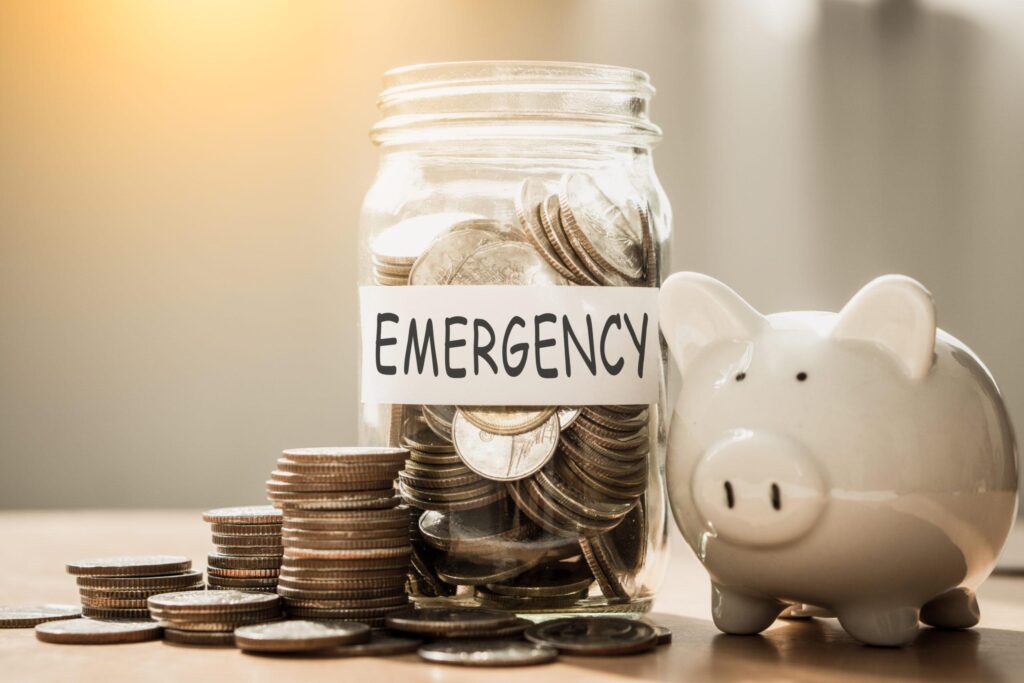
Aim for ₹10,000–₹25,000 (or $500–$1,000)
This small buffer protects you from:
- Unexpected repairs
- Medical bills
- “Oops” life moments
Why This Actually Speeds Things Up
Before I had an emergency fund, every surprise expense sent me straight back to my credit card. That cycle felt brutal. Once I built a buffer, I stopped backsliding.
Bold reminder: An emergency fund keeps debt from sneaking back in through the side door.
Step 4: Choose Your Debt Payoff Method (Snowball vs Avalanche)
Here’s where strategy kicks in. And yes, people love arguing about this one 😄.
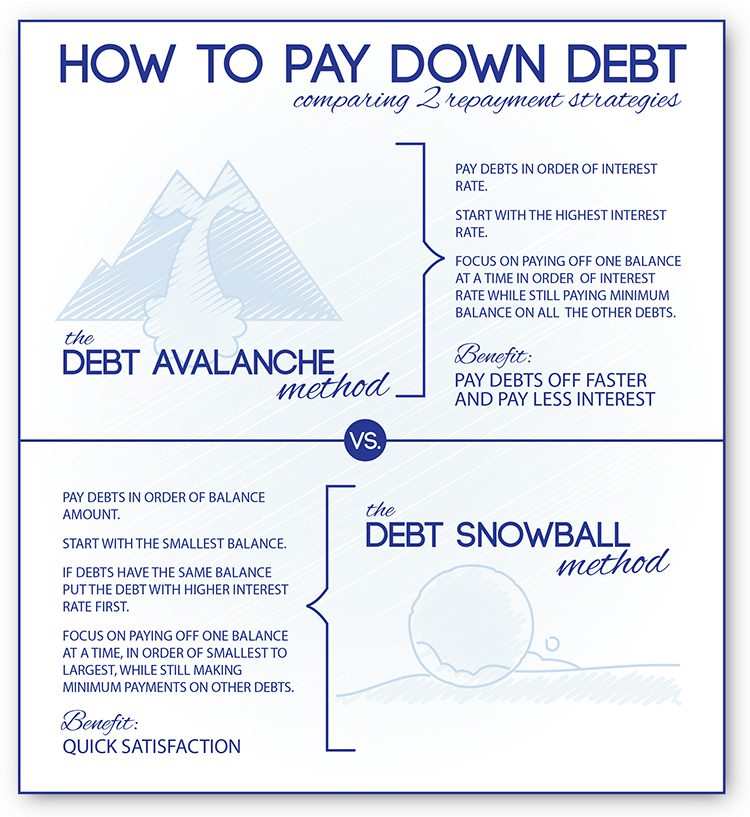
Option 1: Debt Snowball
You pay off debts from smallest to largest balance, ignoring interest rates at first.
Why people love it:
- Quick wins
- Motivation skyrockets
- Momentum feels addictive
Option 2: Debt Avalanche
You focus on debts with the highest interest rate first.
Why it works:
- You save more money long-term
- Interest stops bleeding your wallet
Which Is the Best Way to Pay Off Debt?
Honestly? The method you’ll stick with. I started with snowball because I needed emotional wins. Math didn’t motivate me—progress did. Ever felt that rush after checking something off a list?
FYI: Both methods work. Consistency matters more than perfection.
Step 5: Find Extra Money Without Feeling Miserable
You don’t need a second job that steals your soul. You just need small wins.

Quick Ways to Free Up Cash
- Cancel unused subscriptions (yes, even that one :/)
- Negotiate bills like internet or phone
- Sell stuff you don’t use anymore
- Redirect bonuses or refunds to debt
My Personal Rule
If I didn’t miss the money before, I won’t miss it now. That mindset helped me throw extra cash at debt without resentment.
Bold truth: You don’t need more income—you need intention.
Step 6: Automate Minimum Payments (Then Add Extra Manually)
Automation keeps you consistent when motivation dips.
How to Do It Right
- Automate minimum payments for all debts
- Manually add extra money to your target debt
This combo prevents missed payments while letting you stay flexible.
Why This Reduces Stress
I stopped worrying about due dates the moment I automated. Fewer mental tabs open = more peace. Who doesn’t want that?
Key benefit: Automation protects progress even on bad days.
Step 7: Track Progress Like a Slightly Obsessed Human
Tracking progress feels oddly satisfying. Don’t fight it—embrace it.
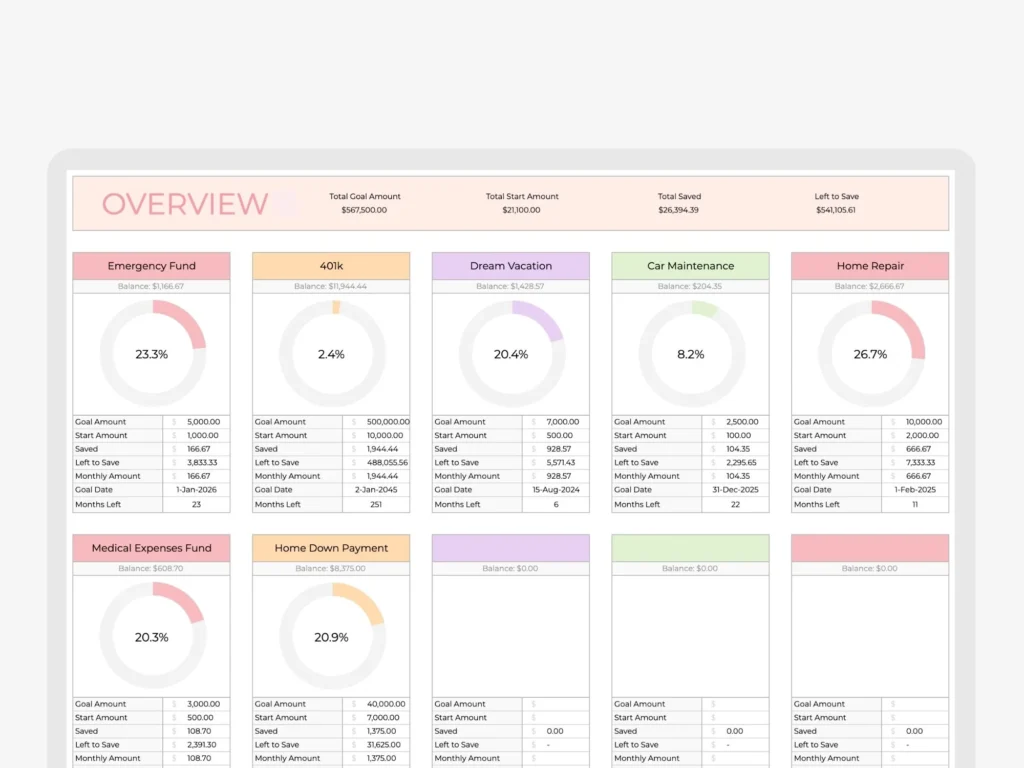
Simple Tracking Ideas
- Color in a debt thermometer
- Use a spreadsheet
- Write balances monthly in a notebook
Why This Keeps You Going
Watching balances drop reminds you that effort works. Every update tells your brain, “Hey, this isn’t pointless.”
Bold reminder: Progress fuels motivation—not the other way around.
Step 8: Adjust Your Budget Without Hating Your Life
Budgets get a bad rep, but they don’t need to feel restrictive.
Keep It Real
Your budget should include:
- Fun money (yes, seriously)
- Realistic food spending
- Guilt-free rest days
When I tried extreme budgeting, I quit fast. When I allowed flexibility, I stayed consistent.
Rhetorical check: Would you rather move slowly or quit entirely?
Step 9: Use Windfalls Wisely (But Don’t Be a Robot)
Tax refunds, bonuses, gifts—they help a lot.
My Favorite Rule
Use 70–80% for debt, and enjoy the rest. Balance matters.
This approach kept me sane while still making serious progress.
Bold takeaway: You can be responsible and human 🙂
Step 10: Prepare for Life After Debt (Yes, It Exists)
Debt payoff isn’t the finish line—it’s the launchpad.

What Comes Next
- Build a bigger emergency fund
- Start investing
- Set long-term money goals
Thinking ahead kept me motivated during the final stretch. Ever noticed how clear the future feels when debt stops blocking the view?
Key mindset shift: Paying off debt creates options, not restrictions.
Common Mistakes That Slow Everything Down
Let’s save you some frustration.
Avoid These Traps
- Trying to be “perfect”
- Comparing your journey to others
- Ignoring burnout signs
- Quitting after one bad month
I messed up plenty of times. I still finished strong. You can too.
Bold reminder: Consistency beats intensity every time.
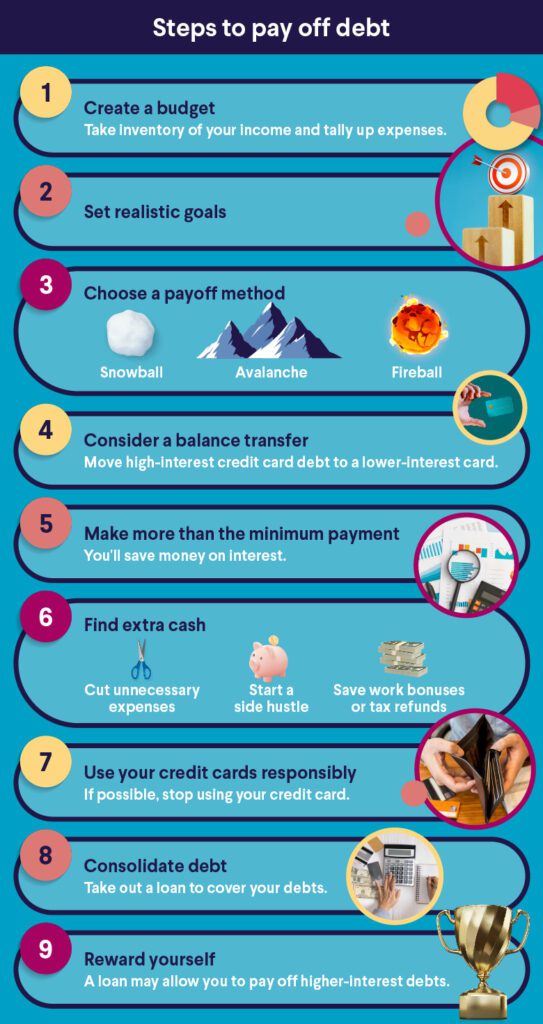
Why This Really Is the Best Way to Pay Off Debt
This step-by-step approach works because it:
- Builds confidence early
- Protects you from setbacks
- Adapts to real life
- Keeps motivation alive
Debt payoff isn’t just math—it’s emotional. When your plan respects that, results follow.
Final Thoughts: You’ve Got This (Seriously)
If debt feels overwhelming right now, take a breath. You don’t need to do everything today. You just need to start with one step.
Write the list. Build the buffer. Pick a method. Repeat tomorrow.
I’ve walked this road, stumbled plenty, and still crossed the finish line 🎯. And if I can do it, you absolutely can.
So…what’s your first step going to be?