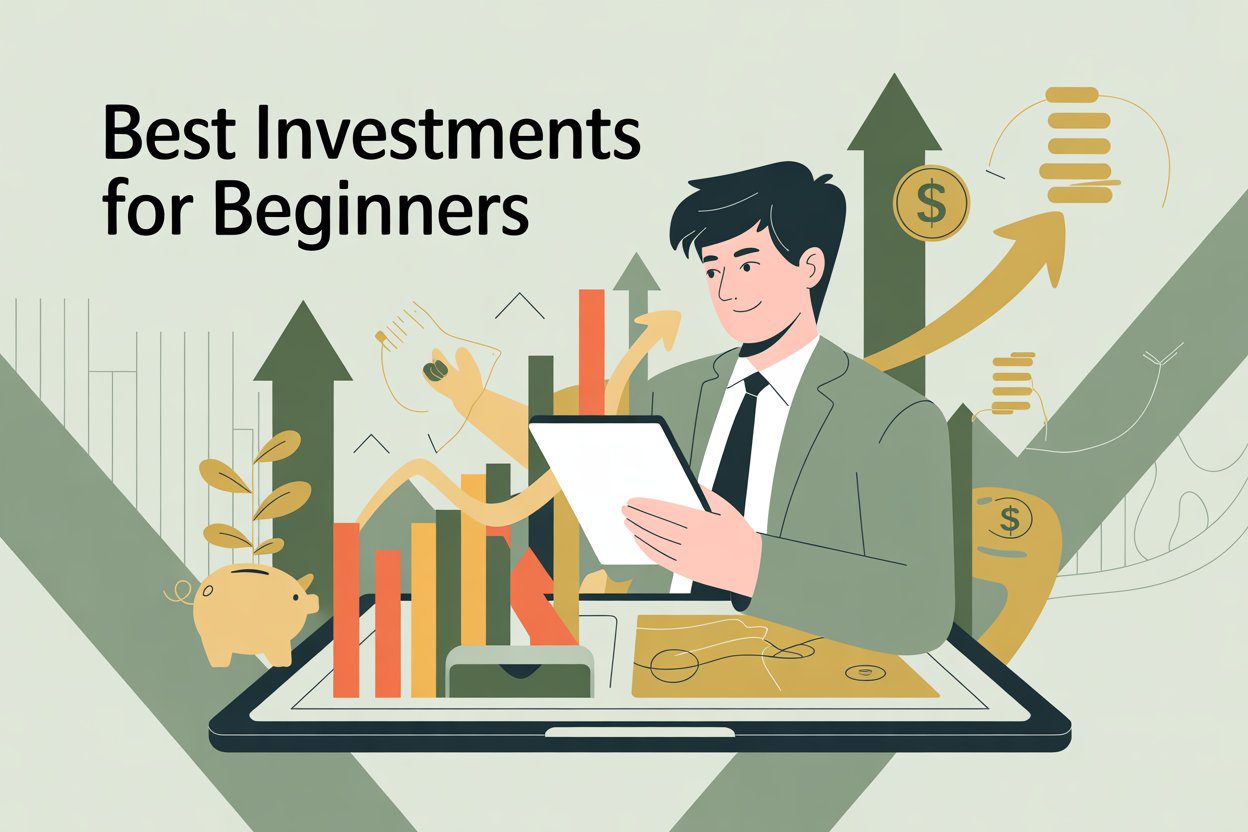
Best Investments for Beginners: Simple Ways to Grow Your Money Without Stress
Let me guess—you’ve saved a little cash, you’re tired of seeing it just sit there, and you’re wondering what the best investments for beginners actually are. Yep, I’ve been there. I remember staring at my bank balance thinking, “This money could work harder… but please don’t disappear.” 😅
The good news? Investing doesn’t require a finance degree, a crystal ball, or nerves of steel. You just need simple options, smart habits, and a tiny bit of patience. That’s it.
So grab a coffee, relax, and let’s talk like two friends figuring this out together. Sound good?
Why Beginners Should Keep Investing Simple (Seriously)
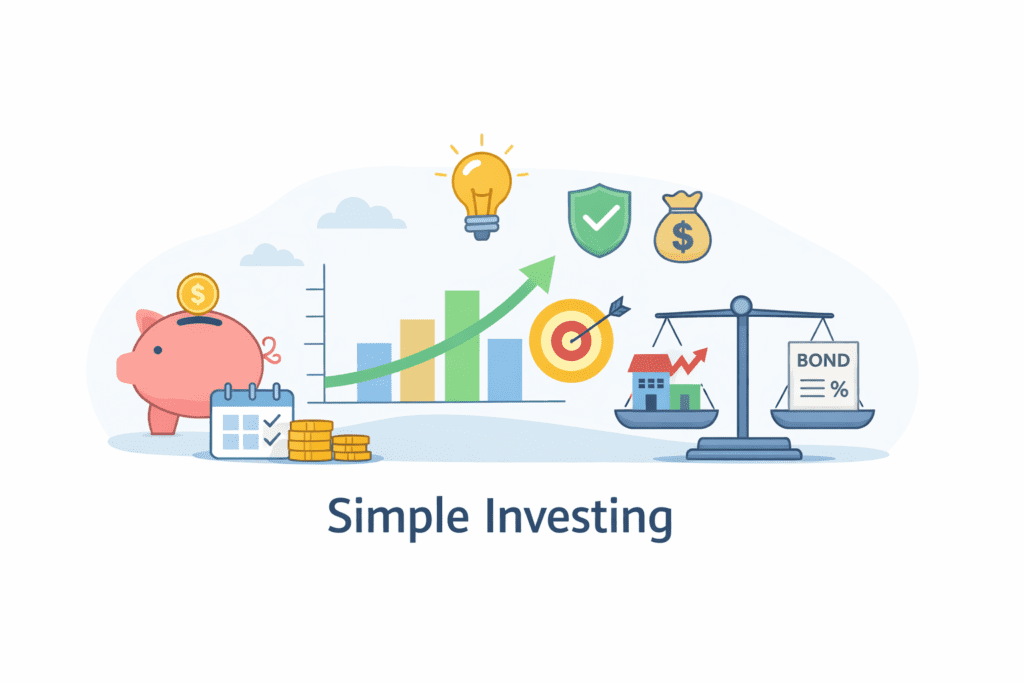
Here’s a hard truth I learned early: complicated investing usually hurts beginners. Fancy strategies sound cool, but they often drain money faster than they grow it.
When you’re just starting out, your goal stays simple:
- Protect your money
- Grow it steadily
- Sleep well at night
Ever notice how experienced investors preach boring strategies? That’s not because they lack creativity. It’s because boring works.
IMO, the best investments for beginners feel almost too simple—and that’s a good thing.
Stock Market Basics (Without the Headache)
Before picking investments, you need a quick mindset shift. You don’t “trade” as a beginner. You own pieces of real businesses.
Think about it like this:
Would you buy a small part of Apple or Amazon and panic every time the price wiggles? Probably not.
Once I stopped checking prices every five minutes, investing got way less stressful. FYI, that habit alone saved my sanity 🙂
Index Funds: The Beginner’s Best Friend
Why Index Funds Work So Well
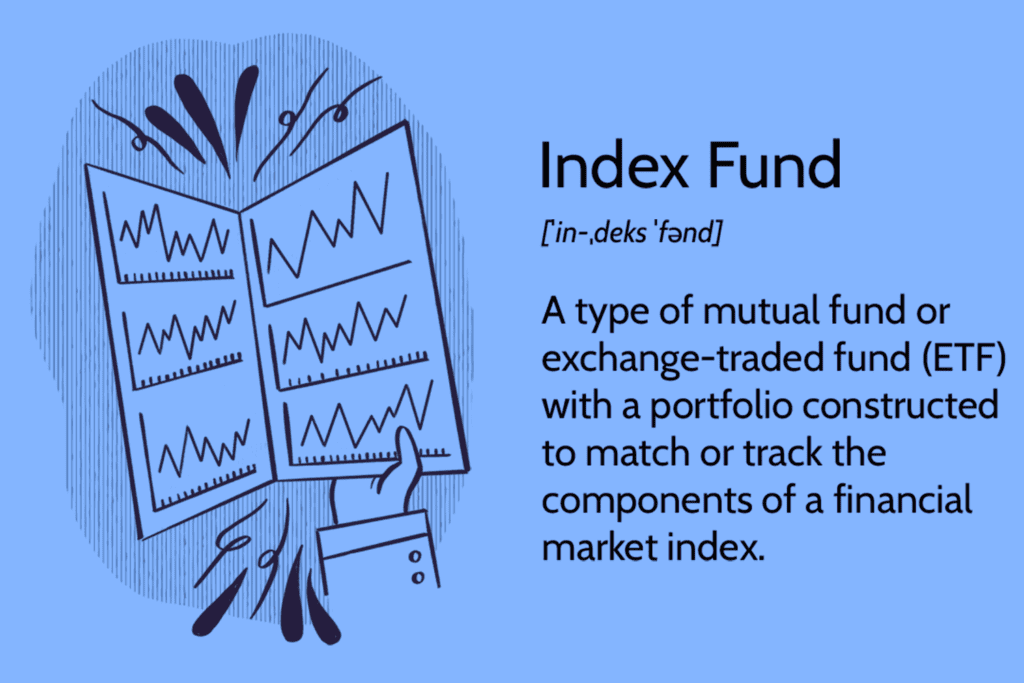
If someone forced me to name the best investment for beginners, I’d say index funds without blinking.
Index funds:
- Track the overall stock market
- Spread your money across hundreds of companies
- Don’t rely on “perfect timing”
Instead of guessing which company wins, you bet on the entire market. And historically? The market loves patience.
Why I Personally Like Them
I started with index funds because I didn’t trust my stock-picking skills (wise choice). Over time, I watched steady growth without drama. No constant stress. No wild guessing.
Key benefits:
- Low fees (fees quietly eat returns—sneaky villains)
- Instant diversification
- Beginner-proof simplicity
Ever wondered why long-term investors swear by these? Yep, now you know.
ETFs: Index Funds With Flexibility
What Makes ETFs Beginner-Friendly?
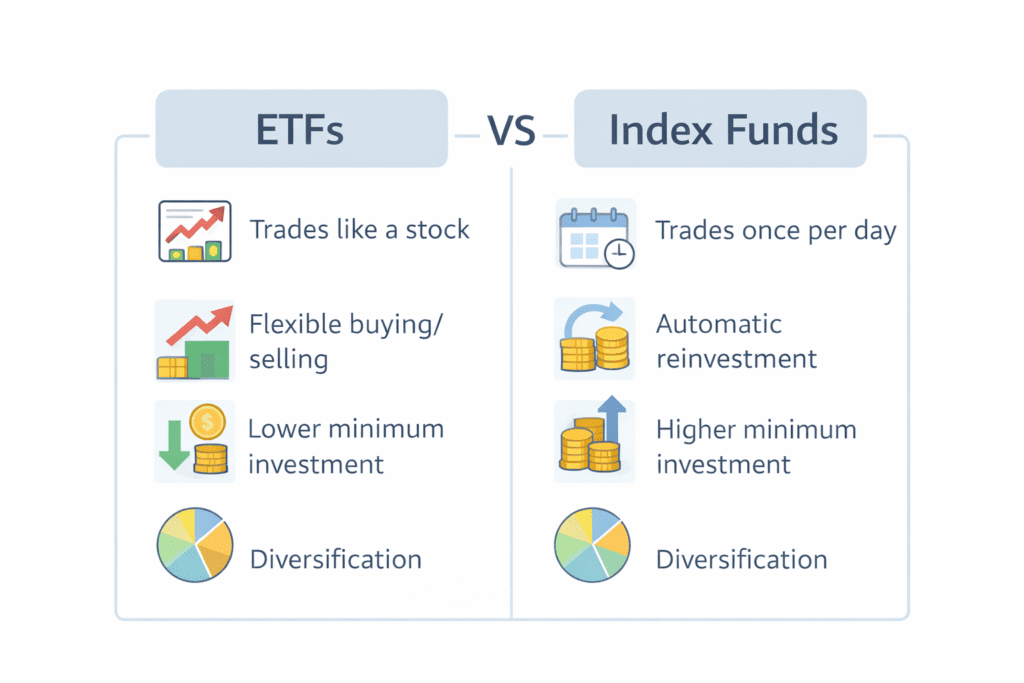
ETFs (Exchange-Traded Funds) work like index funds but trade like stocks. That sounds fancy, but here’s the simple version:
They give you diversification + flexibility in one neat package.
Why beginners like ETFs:
- Buy and sell anytime during market hours
- Lower minimum investment than mutual funds
- Tons of options (stocks, bonds, real estate)
My Take on ETFs
I like ETFs because they let you start small. When I invested my first $100, ETFs made me feel like a “real investor” without real risk-taking.
If index funds feel too “hands-off,” ETFs give you control without chaos.
High-Yield Savings Accounts: The Chill Option
Yes, This Counts as Investing
Some people turn their noses up at savings accounts. That’s a mistake. High-yield savings accounts play a huge role for beginners.
They offer:
- Safety
- Liquidity
- Predictable returns
I keep emergency money here because peace of mind beats chasing returns any day.
When to Use Them
Use high-yield savings accounts for:
- Emergency funds
- Short-term goals
- “I need this money soon” situations
No drama. No risk. Just steady interest and calm vibes.
Bonds: The Stability Anchor
Why Bonds Matter for Beginners
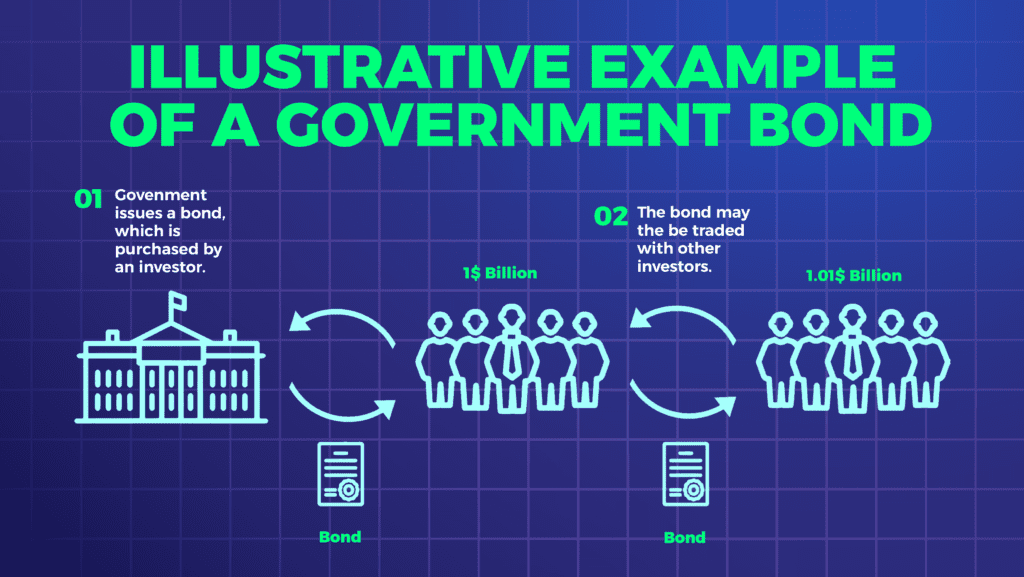
Bonds don’t get enough love, but they should. They act like the seatbelt in your investment car.
Bonds help by:
- Reducing volatility
- Providing steady income
- Balancing stock-heavy portfolios
When markets dip (and they will), bonds help you stay sane.
How I Use Bonds
I didn’t appreciate bonds until my first market drop. Watching stocks fall hurts less when bonds soften the blow. Lesson learned.
Robo-Advisors: Investing on Autopilot
Why Beginners Love Robo-Advisors
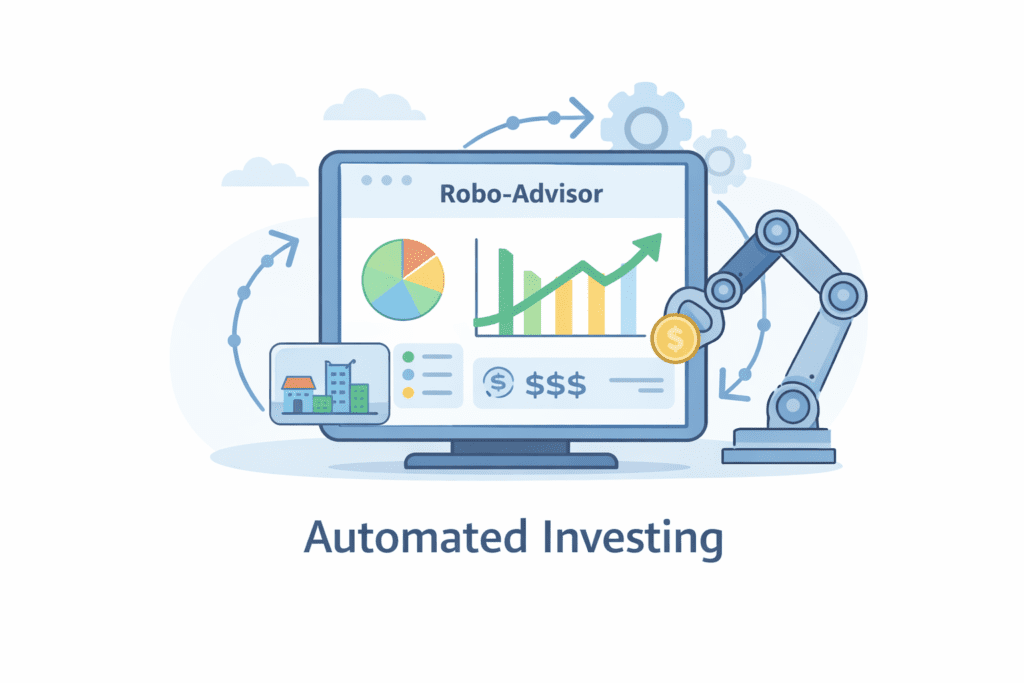
Robo-advisors handle everything for you:
- Asset allocation
- Rebalancing
- Risk management
You answer a few questions, and boom—you’re invested.
Honest Opinion
If you hate decision-making or overthink everything, robo-advisors feel like a gift. They remove emotion from investing, which helps more than people admit.
Just don’t expect magic. They follow solid, boring strategies—again, boring wins.
Dividend Stocks: Small Wins That Add Up
Why Dividends Feel Good
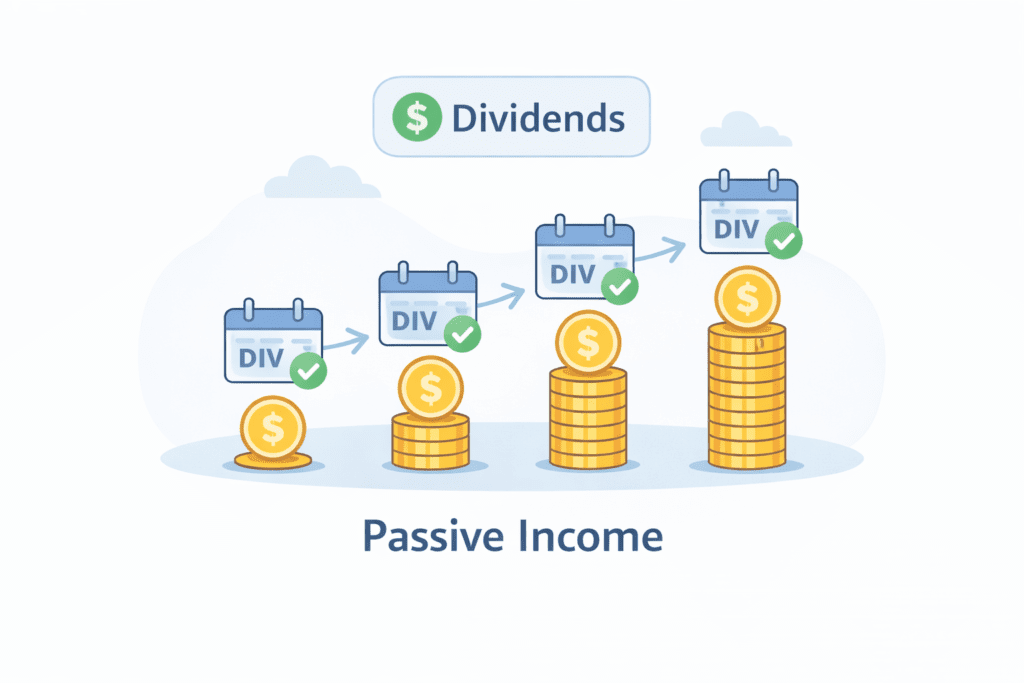
Dividend stocks pay you cash just for holding them. That feels nice, right?
For beginners, dividends:
- Create passive income
- Encourage long-term holding
- Reduce emotional selling
I still remember my first dividend payment. It wasn’t huge, but it felt like proof that investing actually works.
Don’t Chase High Dividends
Big mistake alert 🚨
Chasing high yields often leads to bad companies. Focus on consistent, reliable dividends instead.
Real Estate Investment Trusts (REITs)
Real Estate Without the Headache
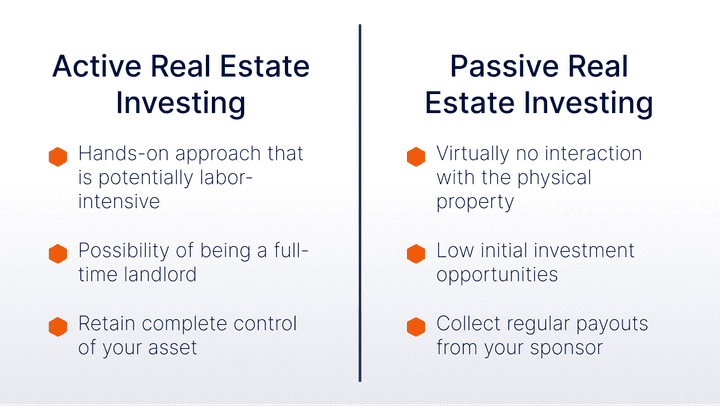
REITs let you invest in real estate without fixing toilets or dealing with tenants. That alone makes them appealing.
Why beginners like REITs:
- Regular income
- Portfolio diversification
- Easy buying and selling
My Experience
I like REITs because they add real estate exposure without commitment. No mortgages. No maintenance. Just income.
Investments Beginners Should Avoid (Learn From My Mistakes)
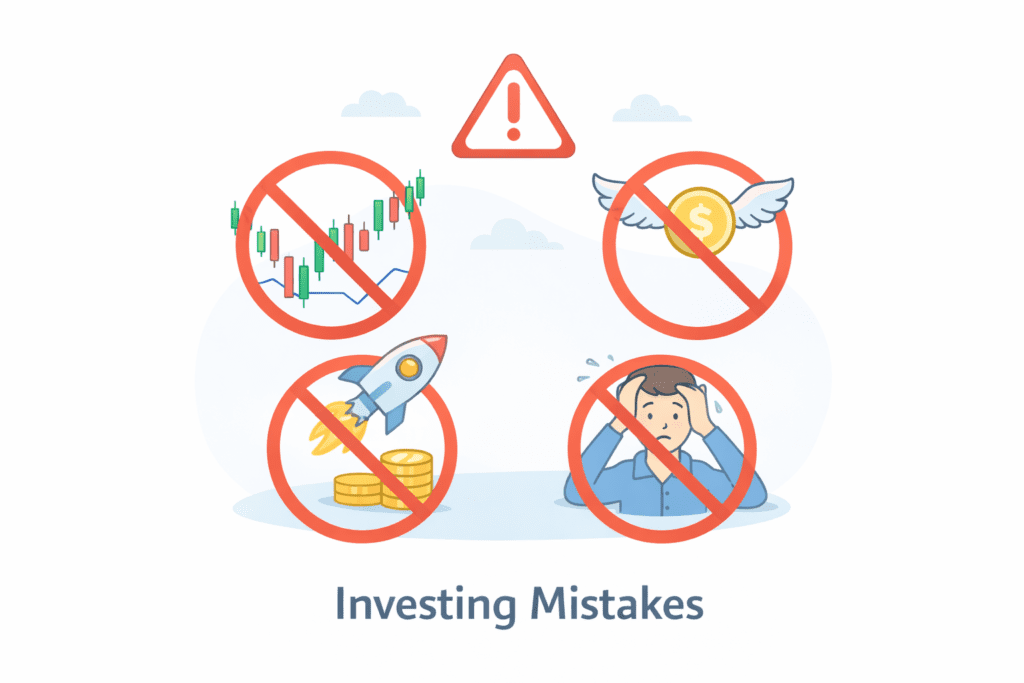
Let’s talk about what not to do. Trust me, I’ve tried some of these 🙃
Avoid:
- Day trading (stressful and expensive)
- Get-rich-quick schemes (they don’t exist)
- Over-leveraging (debt magnifies losses)
- Meme stock hype (fun stories, painful results)
If something promises fast money with “no risk,” run.
How to Choose the Best Investments for Beginners
Here’s a simple checklist I use even today:
- What’s my time horizon?
- How much risk can I stomach?
- Do I need this money soon?
Your answers guide everything. There’s no universal “best” investment—only what fits you.
Simple Beginner Investment Strategy That Actually Works
If I had to start over, I’d do this:
- Build emergency savings
- Invest in index funds or ETFs
- Add bonds for stability
- Stay consistent
That’s it. No magic tricks. No stress.
Consistency beats intelligence every time. Ever noticed how average investors outperform smart ones? Yep, discipline wins.
Conclusion: Start Small, Stay Calm, Keep Going
If you take one thing from this guide, let it be this: the best investments for beginners reward patience, not perfection.
You don’t need huge money. You don’t need perfect timing. You just need to start—and keep going.
So ask yourself: What’s stopping me from investing my first $50 today? Probably nothing important.
Start simple. Stay consistent. And future-you will seriously thank you 😊