
Best Budget Planners for Beginners
Let me guess — you want to budget, but every time you open a spreadsheet, your brain quietly exits the room? 😅 Yeah, I’ve been there. Budgeting sounds simple until you actually sit down and try to track where your money goes. That’s exactly why finding the best budget planners for beginners matters so much.
I’ve tried messy notebooks, overly fancy apps, and even a spreadsheet that made me question my life choices. Over time, I learned one thing the hard way: the right planner makes budgeting feel doable instead of dreadful. So let’s talk like friends and figure out what actually works.
Why Budget Planners Matter (Especially for Beginners)
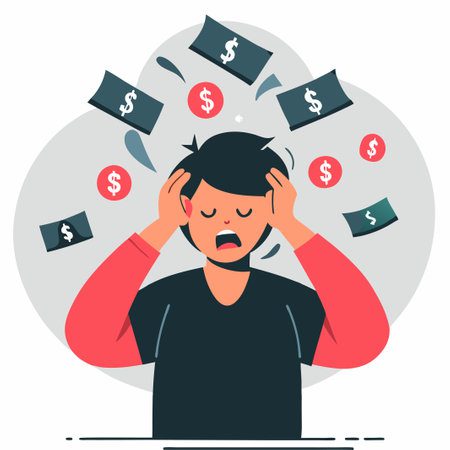
Budgeting doesn’t fail because people are bad with money. Budgeting fails because the system feels annoying, confusing, or too strict. Ever wonder why you give up after week two? Yep — the planner usually sucks.
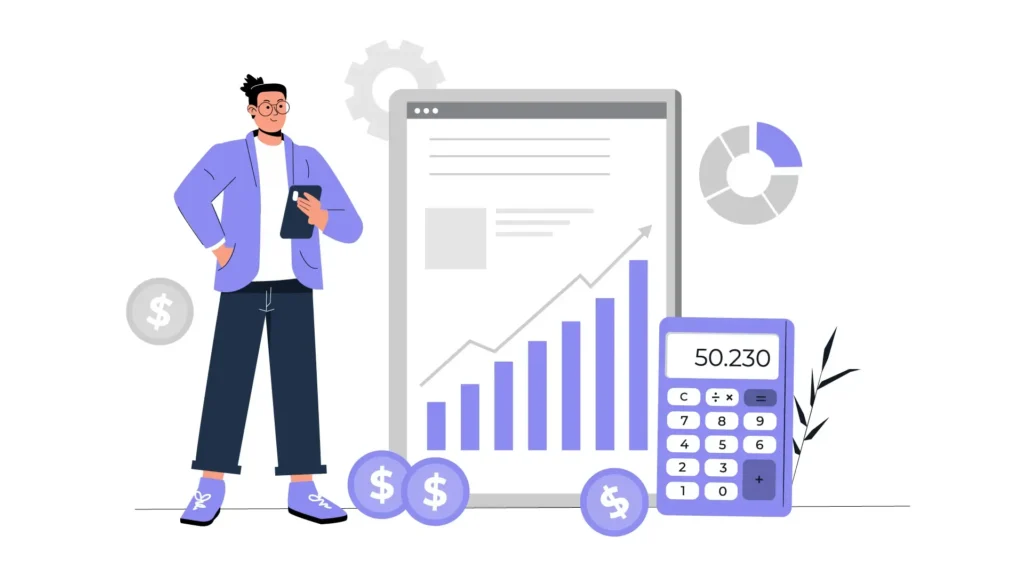
A beginner-friendly budget planner helps you:
- See where your dollars actually go
- Stay consistent without overthinking
- Build confidence instead of guilt
IMO, a good planner feels like a helpful guide, not a strict math teacher. FYI, that mindset shift alone makes budgeting stick longer 🙂
What Makes a Budget Planner Beginner-Friendly?
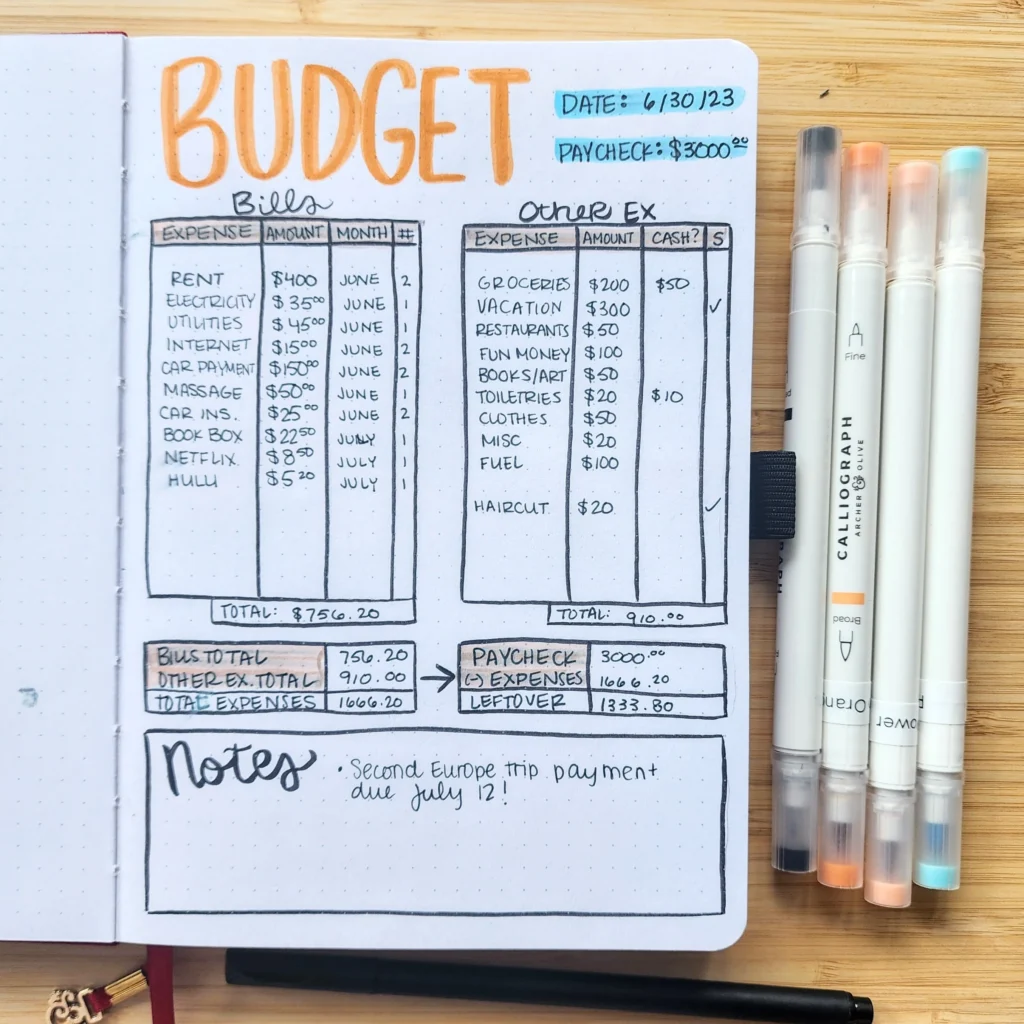
Not all planners deserve a spot on your desk. Some look pretty but overwhelm you by page three. Others feel so basic that you stop using them. The sweet spot exists, though.
Simple Layout (No Finance Degree Required)
If a planner needs instructions longer than a TikTok caption, skip it. Beginners need clear categories, clean pages, and zero clutter.
Look for:
- Monthly income and expense sections
- Fixed vs variable expense breakdowns
- Space for notes (because life happens)
Flexible Structure (Because Real Life Isn’t Perfect)
Rigid planners assume you never eat out unexpectedly or forget a bill. Real life laughs at that idea.
The best budget planners for beginners allow adjustments without making you feel like you “failed” the month.
Motivation Built In (Not Guilt)
I love planners that:
- Show progress visually
- Include savings trackers
- Encourage reflection instead of shame
Ever noticed how seeing progress makes you want to keep going? Exactly.
Types of Budget Planners for Beginners
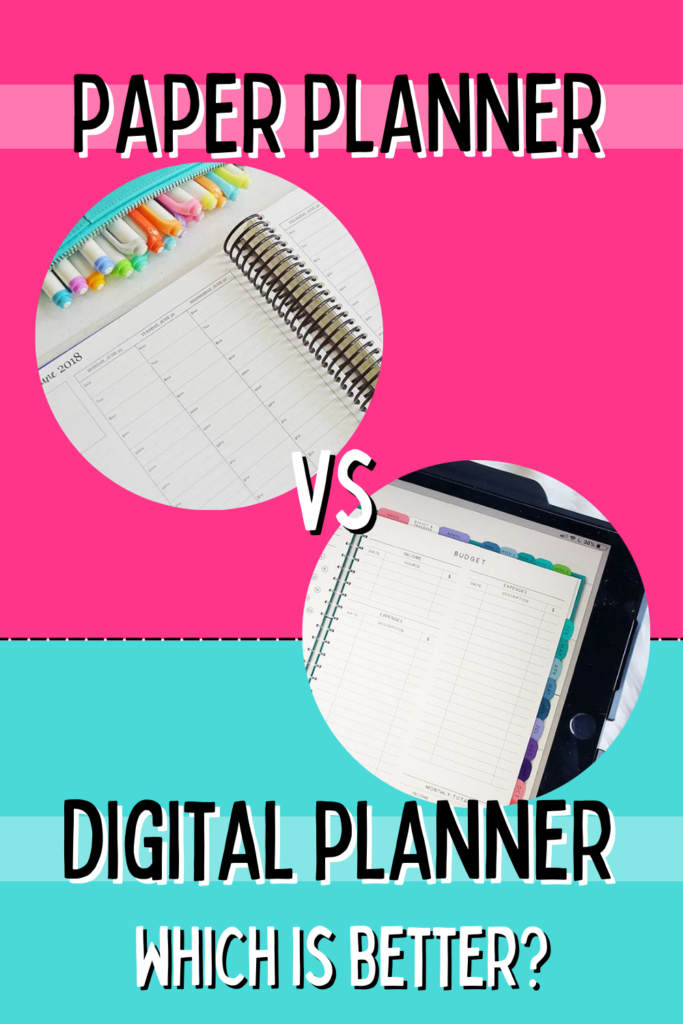
Not all planners work the same way, and that’s actually a good thing. Your personality matters here.
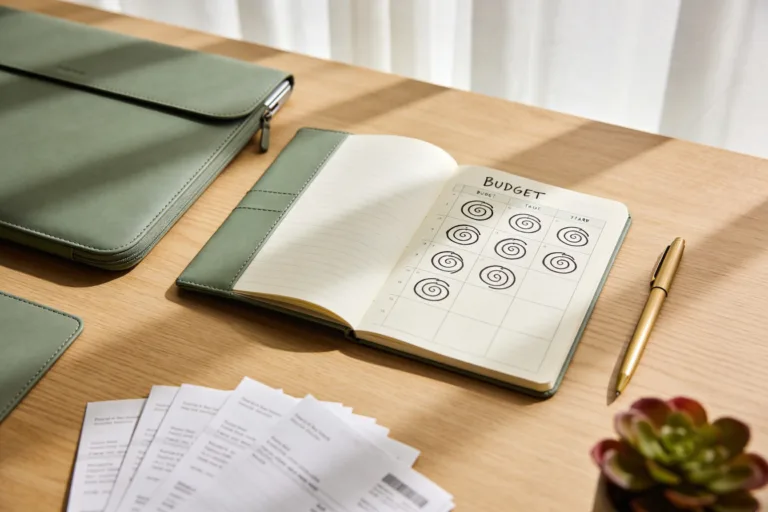
Paper Budget Planners
I started here, and honestly, writing numbers by hand made everything feel real.
Why paper planners work:
- You stay more mindful while writing
- You avoid digital distractions
- You build a consistent routine
They work great if you enjoy journaling or bullet planning.
Digital Budget Planners
These planners live on tablets or phones and feel more modern.
Why beginners like digital planners:
- Easy edits (no crossing out mistakes)
- Automatic calculations
- Always accessible
Just don’t let the tech overwhelm you. Simple digital > fancy digital.
Printable Budget Planners
Printables give you flexibility without commitment.
Best for:
- Testing different budgeting styles
- Mixing and matching pages
- Customizing month by month
If you hate commitment (no judgment), this option fits perfectly.
Best Budget Planner Styles for Beginners (That Actually Work)
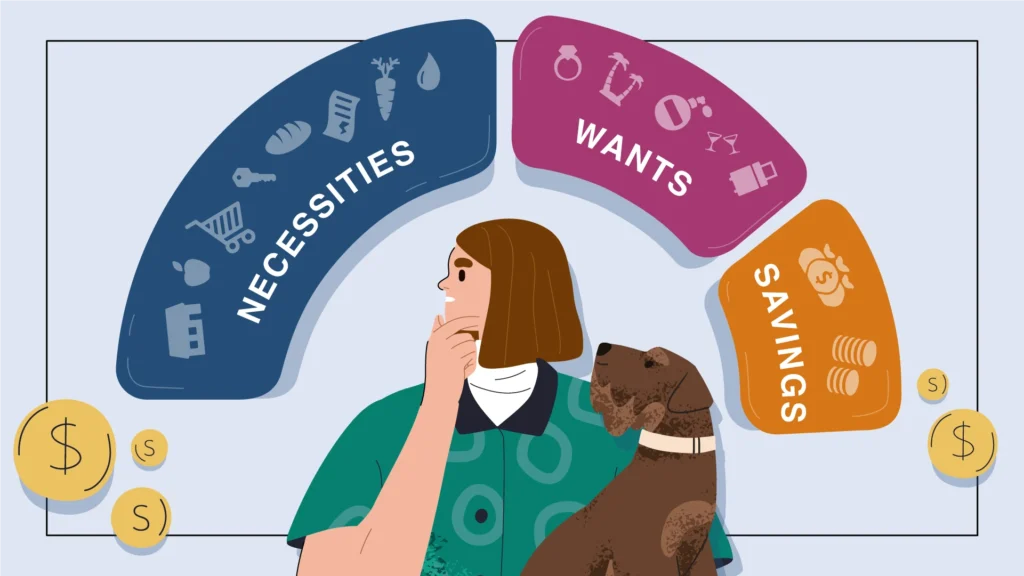
Let’s talk about budgeting styles that don’t make you miserable.
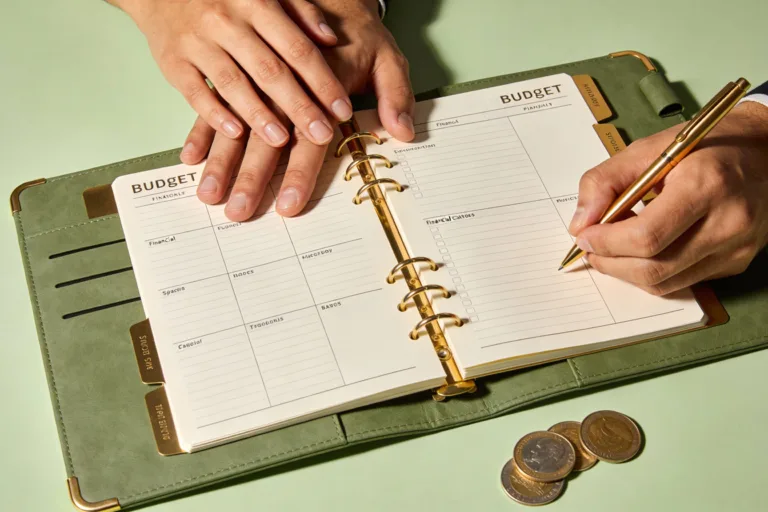
Monthly Budget Planners
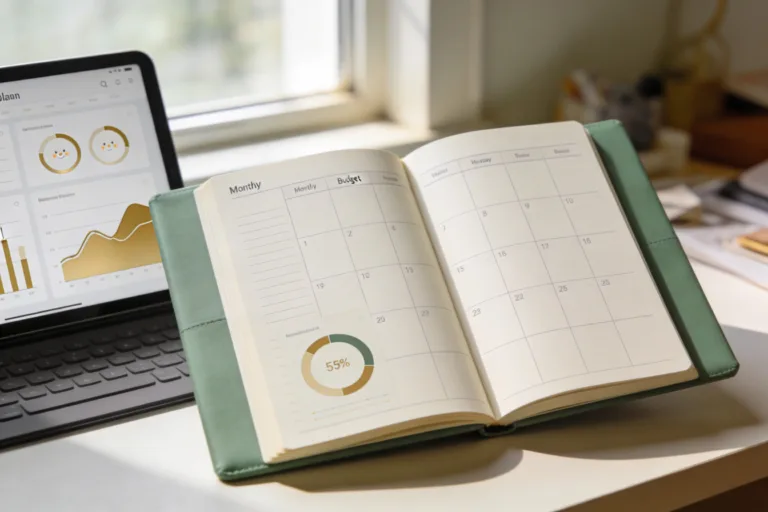
This style works best for beginners. You see your full month at a glance, which keeps things simple.
Why it works:
- Easy to understand
- Helps plan bills and savings
- Reduces daily tracking stress
Ever wonder why monthly planning feels less overwhelming? Because your brain loves big-picture views.
Zero-Based Budget Planners
Every dollar gets a job here. Sounds intense, but beginners love it once they try.
Why beginners like it:
- Clear purpose for each dollar
- Less “where did my money go?” moments
- Encourages intentional spending
I used this method when my spending felt chaotic, and wow — clarity hits fast.
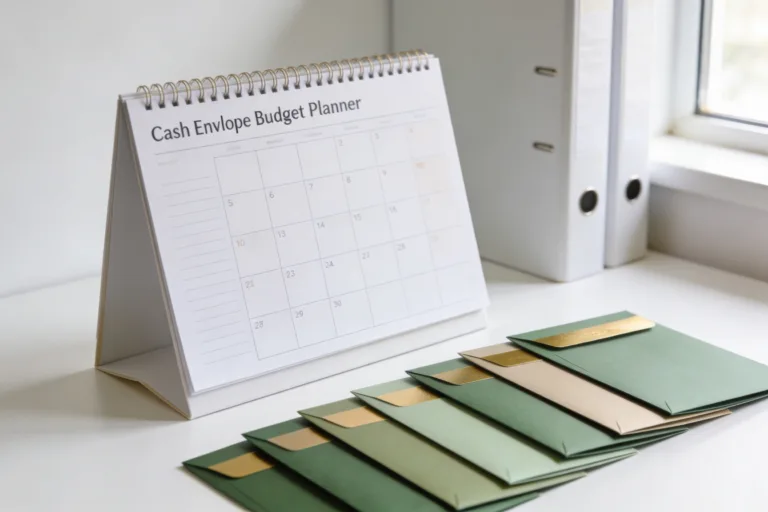
Cash Envelope Style Planners
Even if you don’t use actual cash, this system helps control spending.
Why it works:
- Visual spending limits
- Fewer impulse purchases
- Strong awareness of habits
Yes, it feels old-school. Yes, it still works.
Key Features to Look for in the Best Budget Planners for Beginners
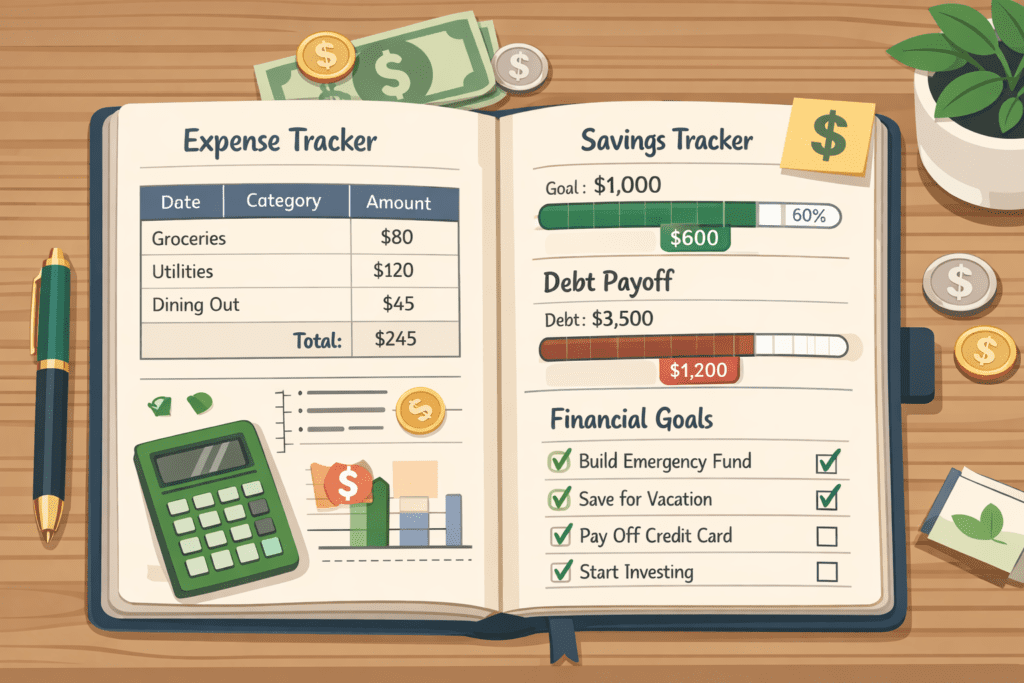
Not all planners deserve your money or time. These features matter.
Expense Tracking That Feels Easy
If tracking feels like homework, you’ll quit.
Look for:
- Pre-labeled categories
- Space for custom expenses
- Weekly or monthly summaries
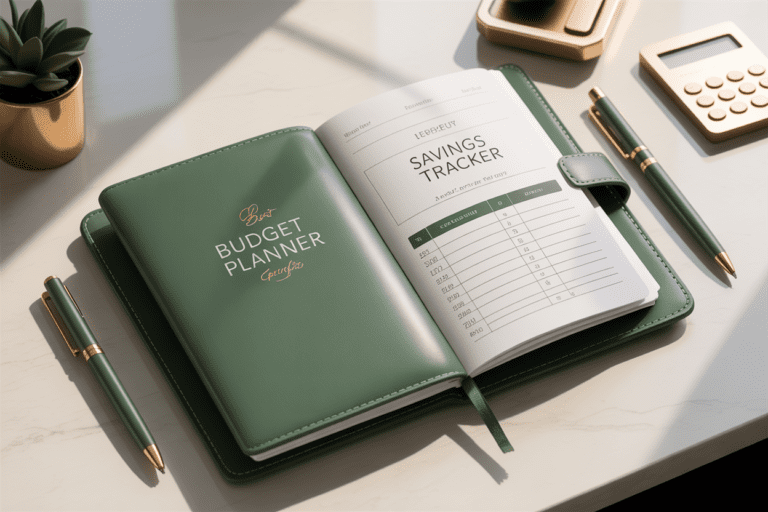
Built-In Savings Trackers
Watching your savings grow feels weirdly addictive.
Good planners include:
- Emergency fund trackers
- Sinking fund pages
- Visual progress bars
Seeing progress keeps motivation high.
Debt Payoff Sections (Even If You’re Just Starting)
Debt tracking doesn’t mean shame. It means clarity.
Beginner-friendly planners:
- Break debt into manageable chunks
- Track interest and progress
- Celebrate small wins
Paying off debt feels less scary when it’s visible.
Goal-Setting Pages
Budgeting without goals feels pointless.
Strong planners help you:
- Set realistic financial goals
- Track monthly progress
- Reflect on what worked
Goals give your budget a reason to exist.
Common Budget Planner Mistakes Beginners Make
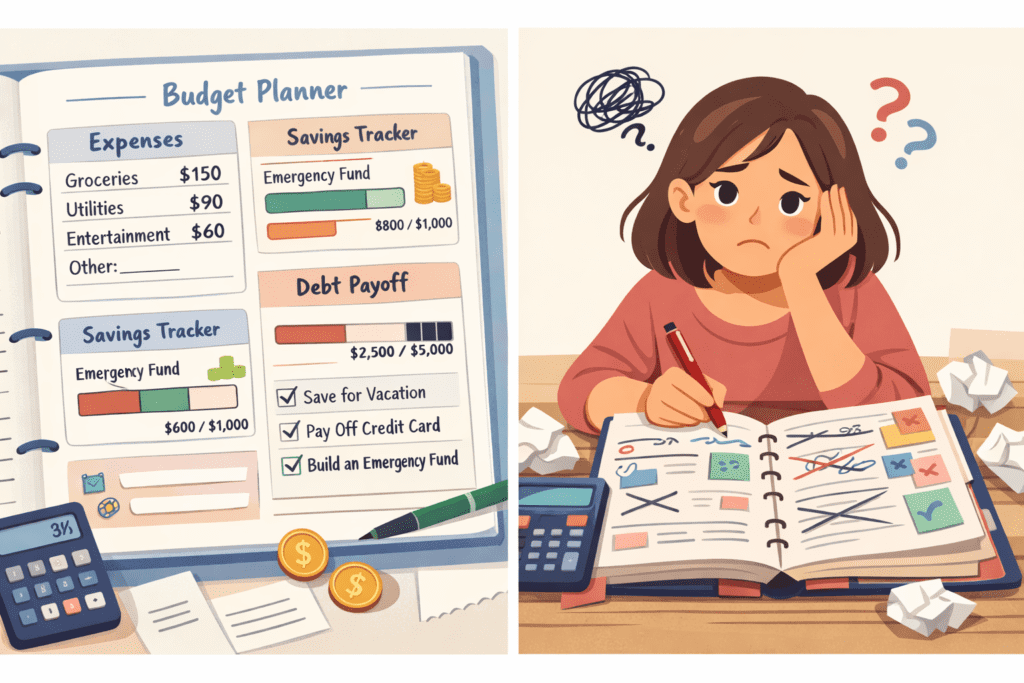
Let’s save you some frustration.
Choosing a Planner That’s Too Complicated
More pages ≠ better planner. Simple beats fancy every single time.
Expecting Perfection
You will mess up. I still do. That’s normal.
Budget planners work best when you use them consistently, not perfectly.
Giving Up Too Early
Budgeting feels awkward at first. That discomfort fades fast once habits form.
Ever notice how habits feel hard before they feel automatic? Same thing here.
How I’d Choose a Budget Planner If I Were Starting Today
If I could rewind and start fresh, I’d choose:
- A monthly layout
- Simple expense categories
- Built-in savings trackers
- Space for notes and reflections
I’d skip anything that feels overwhelming or “Pinterest-perfect.” Budgeting works best when it feels human, not Instagram-worthy :/
How to Stick With Your Budget Planner Long-Term

Buying a planner doesn’t change habits. Using it does.
Here’s what helped me stay consistent:
- Picking one day a week to update it
- Keeping it visible (desk > drawer)
- Treating it like a check-in, not a punishment
Budgeting works when it supports your life — not when it controls it.
Final Thoughts: The Best Budget Planner Is the One You’ll Actually Use
Let’s keep it real. The best budget planners for beginners aren’t the fanciest or trendiest. They’re the ones that feel simple, forgiving, and easy to return to after a messy week.
Start small. Stay consistent. Adjust as you go.
Your money doesn’t need perfection — it needs attention. And once budgeting clicks, you’ll wonder why you avoided it for so long. Ready to pick a planner and finally feel in control of your dollars? You’ve got this 💪