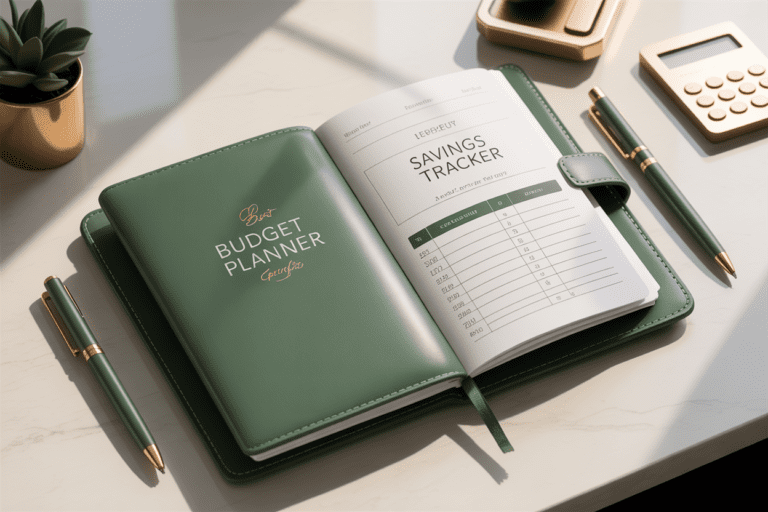
Best Budget Planner Printables for Beginners: Quick Wins
I know the drill: you want a clean, budget-friendly planner setup that actually sticks. No fluff, just practical picks you can print and start using this weekend. Let’s dive into the best budget planner printables for beginners and make planning feel doable, not overwhelming.
Why budget planner printables are your new best friend
Planning doesn’t have to mean buying a fancy system or signing up for a pricey coaching program. Printables let you mix and match until you find your groove. You can test layouts, colors, and trackers without sinking money into something permanent. FYI, a little upfront setup goes a long way later on when you actually use the thing.
What to look for in beginner-friendly printables
– Simple layouts that don’t require math degree levels of brainpower.
– Clear sections for goals, habits, and tasks, so you don’t drown in a sea of pages.
– One-page motion where possible, so you can print, hole-punch, and bind without a trip to the office supply aisle.
– Variety within a single pack—weekly spreads, daily pages, habit trackers, and monthly overviews.
– Budget-friendly pricing and the option to reuse parts month after month.
Your starter kit: the essential printables to grab
Here are the kinds of pages that beginners tend to fall in love with. You don’t need all of them—start with a few and expand as you get the hang of it.
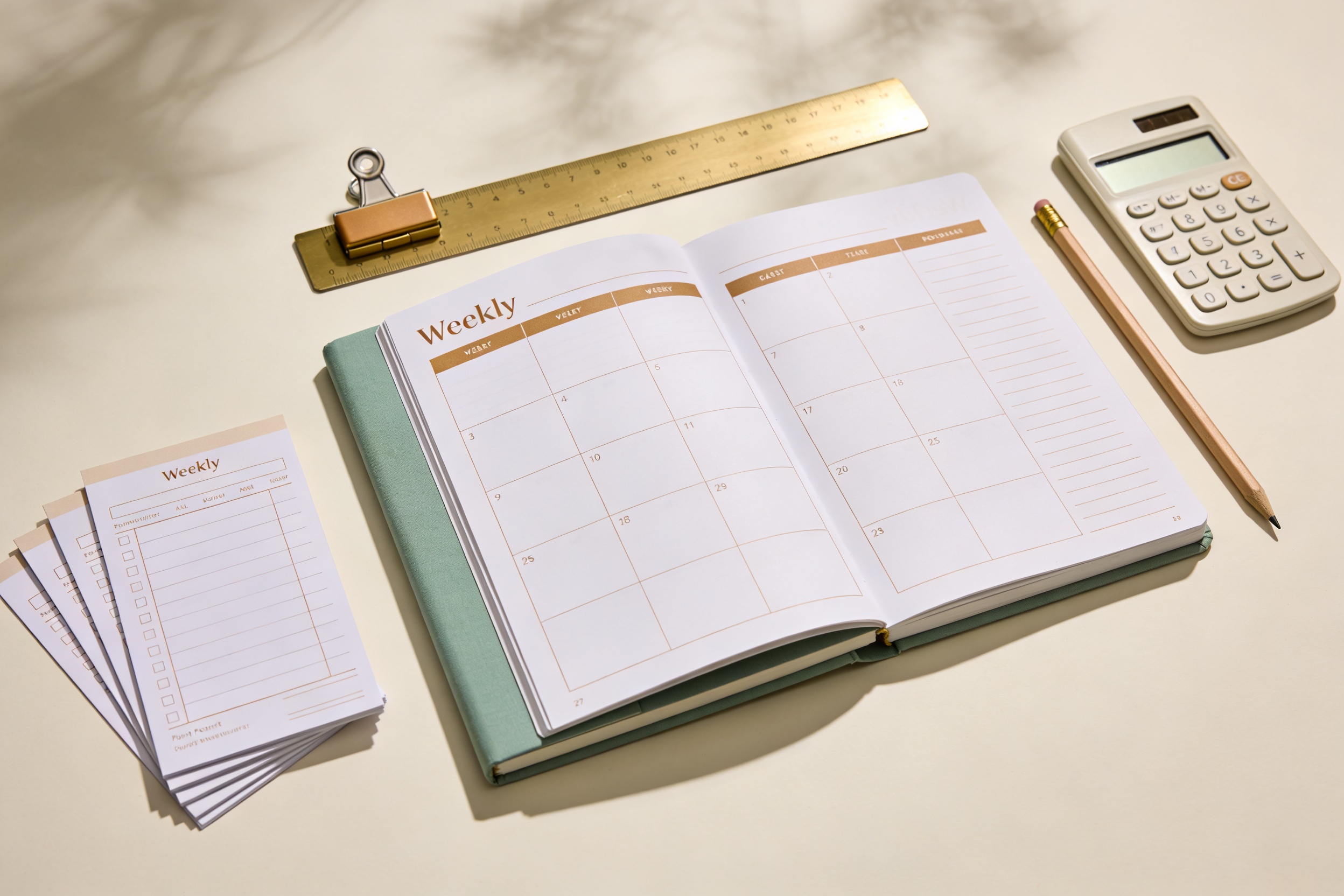
Weekly overview pages
– Quick glance at top 3 priorities for the week
– Space for appointments, to-dos, and notes
– A small habit tracker for the week
– Minimalist design to avoid clutter
Daily pages (optional)
– Date, top 3 tasks, and a gratitude line or mood check
– Time-blocked sections or simple to-dos
– End-of-day reflection to close the loop
Monthly calendar view
– At-a-glance month with major goals
– Key events and deadlines
– A tiny reflection box for what worked and what didn’t
Habit and goals trackers
– A compact grid to monitor daily habits
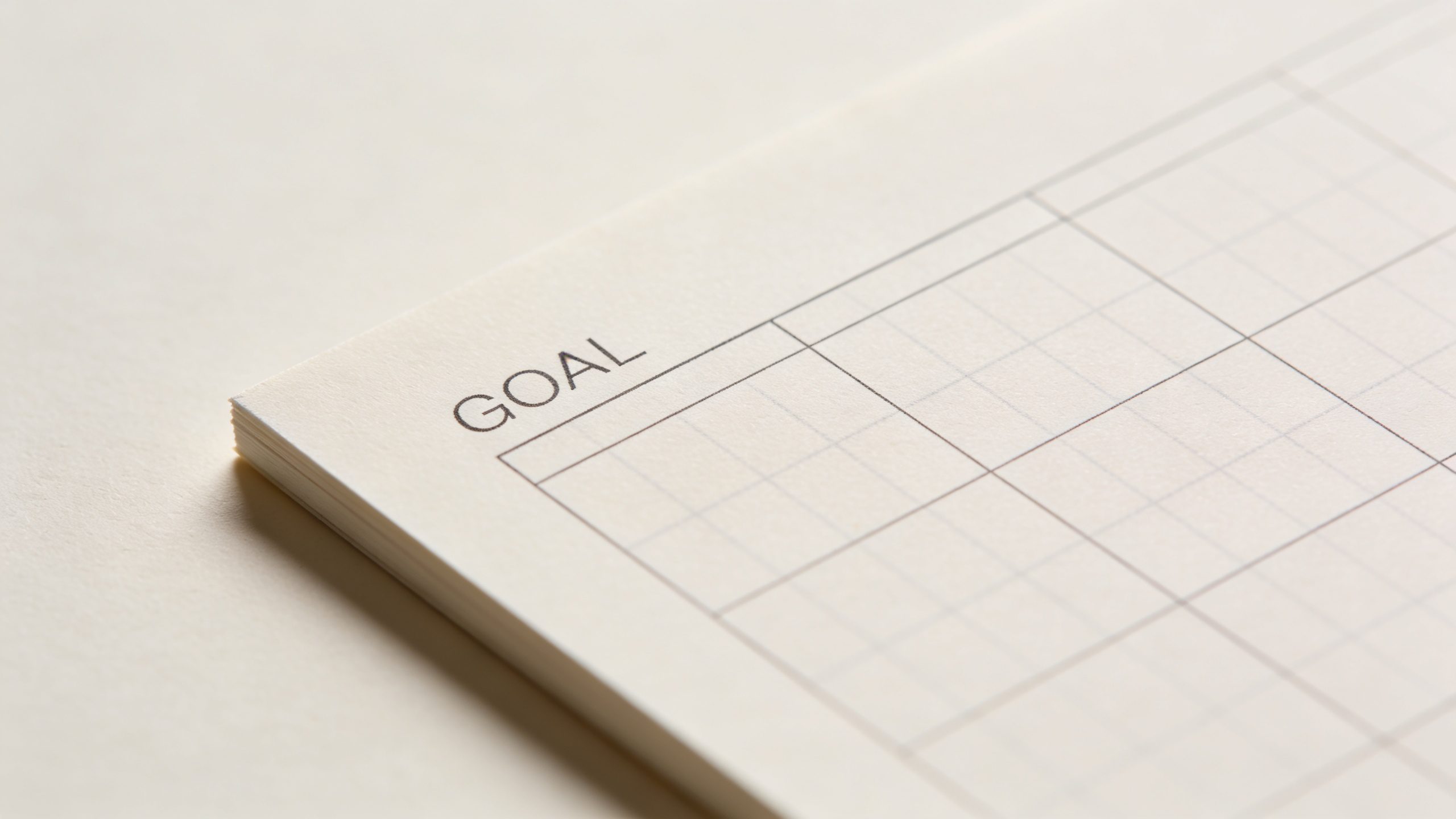
– A quick goals page to break big ambitions into bite-sized steps
– Check-ins to keep you accountable without nagging yourself
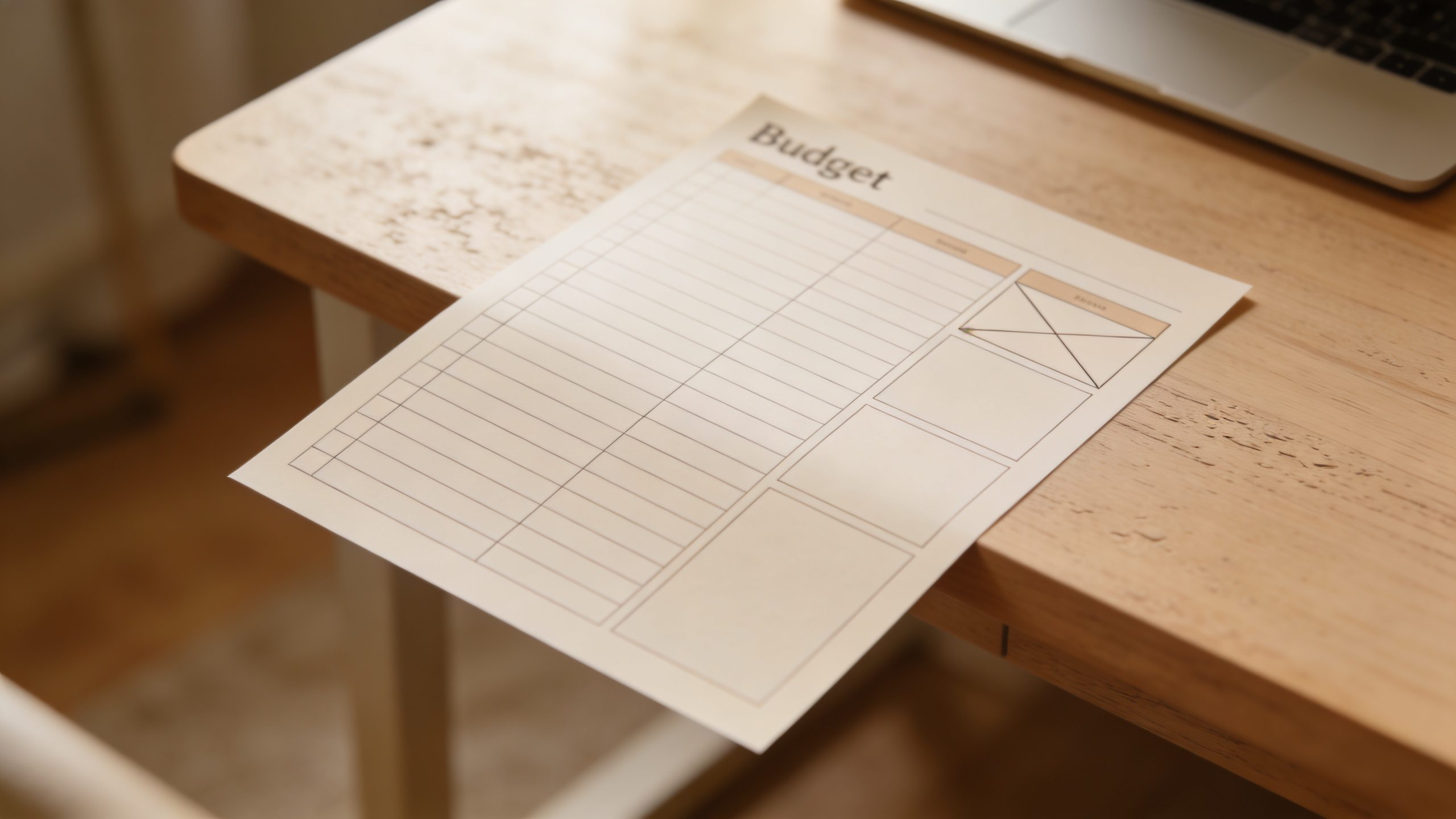
Budget and expense pages
– Simple expense log and a monthly budget
– Categories you actually use (coffee budget, groceries, transport)
– A tiny savings tracker to celebrate small wins
How to customize printables without chaos
Customization is where the magic happens, but it can also breed chaos if you go overboard. Here’s a sane approach.
– Start with a plan, not a purchase binge. Pick 2–3 page types to begin.
– Use a consistent color or font palette. Your brain loves predictability.
– Print a “starter spine” that includes name, year, and a quick index. This helps when you page-flip later.
– Don’t be afraid to delete or skip sections that don’t serve you. Your planner should work for you, not the other way around.
– Storytime: I got overwhelmed with 17 trackers until I realized I only needed one habit tracker and a simple weekly plan. Less is more, friend.
Layout tips that actually work
– Use vertical blocks for tasks. It’s easy to scan in a rush.
– Put the most important task (MIT) at the top of the page. Your future self will thank you.
– Leave a little margin for notes. You’ll thank yourself when you remember that coffee date or grocery list.
Printing tips for budget-minded folks
– Print on standard letter or A4 and punch holes yourself. No fancy printer required.
– Use light grid or dotted paper presets to make handwriting neater without special pens.
– Consider recycled paper for a tiny eco-friendly flex.
Where to find budget-friendly printables that still look cute
– Free resource hubs that offer a sampler of layouts before you buy. This is perfect for testing compatibility with your style.
– Budget-friendly creators who bundle a few monthly packs at a deep discount.
– Printable sets that allow you to pick and mix due to modular pages. You can literally assemble your own dream planner from tiny pieces.
– Hint: look for creators who offer instant downloads and PDF fillable options if you want to tweak on-screen before printing.
Smart buying tips
– Start with a “starter pack” that has weekly, monthly, and a couple of trackers. If you like it, you can expand later.
– Check licensing: some printables are for personal use only. Respect that so you don’t get into glory-hound trouble.
– Look for multi-format options (PDFs plus Canva files). Canva versions let you tweak colors, headings, or layouts without reprinting.
How to set up your first week with minimal effort
– Step 1: Pick 2–3 printable pages that feel intuitive to you.
– Step 2: Print, punch holes, and put in a binder or simple three-ring notebook.
– Step 3: Set your top 3 weekly priorities and one daily habit to track.
– Step 4: Leave room for a reflection note at the end of the week.
– Step 5: Celebrate small wins. You deserve it, and your brain will associate planning with positive vibes.
Common beginner mistakes (and how to avoid them)
– Too many trackers at once. Your brain cannot juggle five different trackers on day one. Start with one habit tracker and one task list, then add.
– Overly fancy layouts. If you can’t read it in two seconds, you won’t use it. Clarity beats complexity.
– Ignoring the monthly view. A quick glance at the calendar prevents misaligned weeks and missed deadlines.
– Not scheduling “planning time.” If you don’t allocate time for planning, it won’t happen. Block it like a meeting with yourself.
FAQ
Do I need a printer to use these printables?
Printables aren’t magical if you don’t have a printer, but you don’t need anything fancy. A basic home printer or even a print-and-shop option can do the job. If you don’t want to print, some creators offer digital fillable PDFs you can use on your tablet.
How many pages should I start with?
Start with 2–4 pages: a weekly view, a monthly overview, and a simple habit tracker. If you love it, add a daily page or a budget sheet. Don’t overwhelm yourself from the start.
Are printables flexible enough for long-term planning?
Yes. The beauty of printable systems is adaptability. If you outgrow one layout, swap it out for another page type within the same pack. You can redo the setup as your priorities evolve.
Is it worth paying for printables, or are free options just as good?
Free options are excellent for testing the waters. If you find a layout you genuinely like and will use weekly, investing in a paid pack often pays for itself in time saved and consistency gained.
What if I print and hate the color palette?
Look for packs that offer black-and-white versions or provide editable Canva files. You can switch colors without reprinting everything. FYI, black and white can look sleek and crisp if you keep the layout simple.
Conclusion
If you want a planning system that actually fits a beginner’s pace, budget printables are your best friend. They’re flexible, cost-effective, and incredibly customizable without turning into a project in itself. Start small, stay consistent, and tweak as you grow. You’ll be surprised how quickly a few simple pages can turn your chaotic week into something you control—without the drama. Ready to give it a try? Grab a starter pack, print a couple of pages, and let’s make planning feel easy and a little bit fun.