Best Budget Planner for Beginners Who Feel Overwhelmed: Simple Start
I know the feeling: you want to finally get a handle on your money, but a blank notebook and a complex spreadsheet glare back at you like a math professor. Enter the best budget planner for beginners who feel overwhelmed. It’s not about being perfect from day one—it’s about starting somewhere and sticking with it, even if you stumble a bit. Let’s find you a plan you can actually keep.
What makes a budget planner friendly for beginners?
If you’re scrolling for the holy grail of budget tools, you’re not alone. The right planner should feel intuitive, not like a part-time job. Here are the non-negotiables:
- Simple setup: A clean dashboard, clear categories, and minimal steps to log an expense.
- Low intimidation factor: No overwhelming math or excessive features you’ll never use.
- Visible progress: Quick wins matter—seeing a little debt shrink or a savings bump keeps motivation high.
- Flexibility: Your life changes; your planner should bend with you, not break.
FYI, you don’t need to dump your life into a spreadsheet to start. A smart planner can be as simple as a monthly budget with a couple of categories and a habit-tracking page.
Choosing the right format for your vibe
Budget planners come in many flavors. The best one for you depends on your personality, what you’ll actually use, and how you like to see numbers.
Paper vs. digital: how to pick
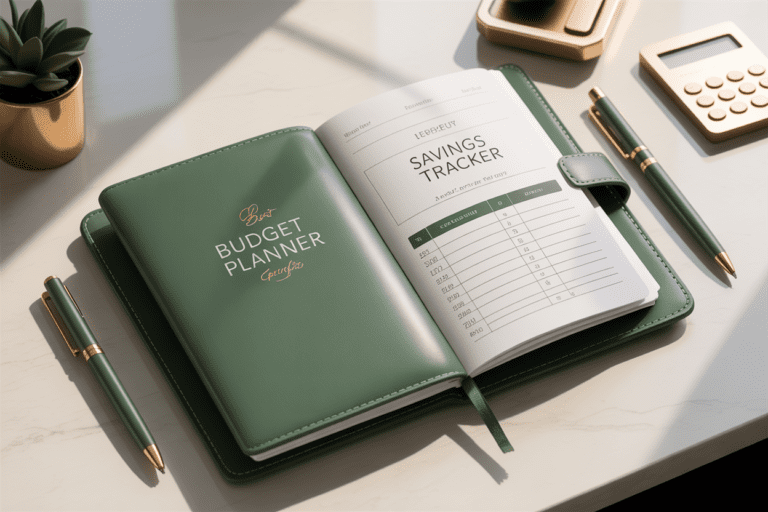
– Paper planners are tangible. They force you to slow down and write things down, which can actually reinforce habits. If you crave a ritual—pen click, highlighters, dots on a calendar—paper might be your soulmate.
– Digital planners are fast. They auto-sum, sync across devices, and remind you when bills are due. If you crave automation and reminders, go digital.
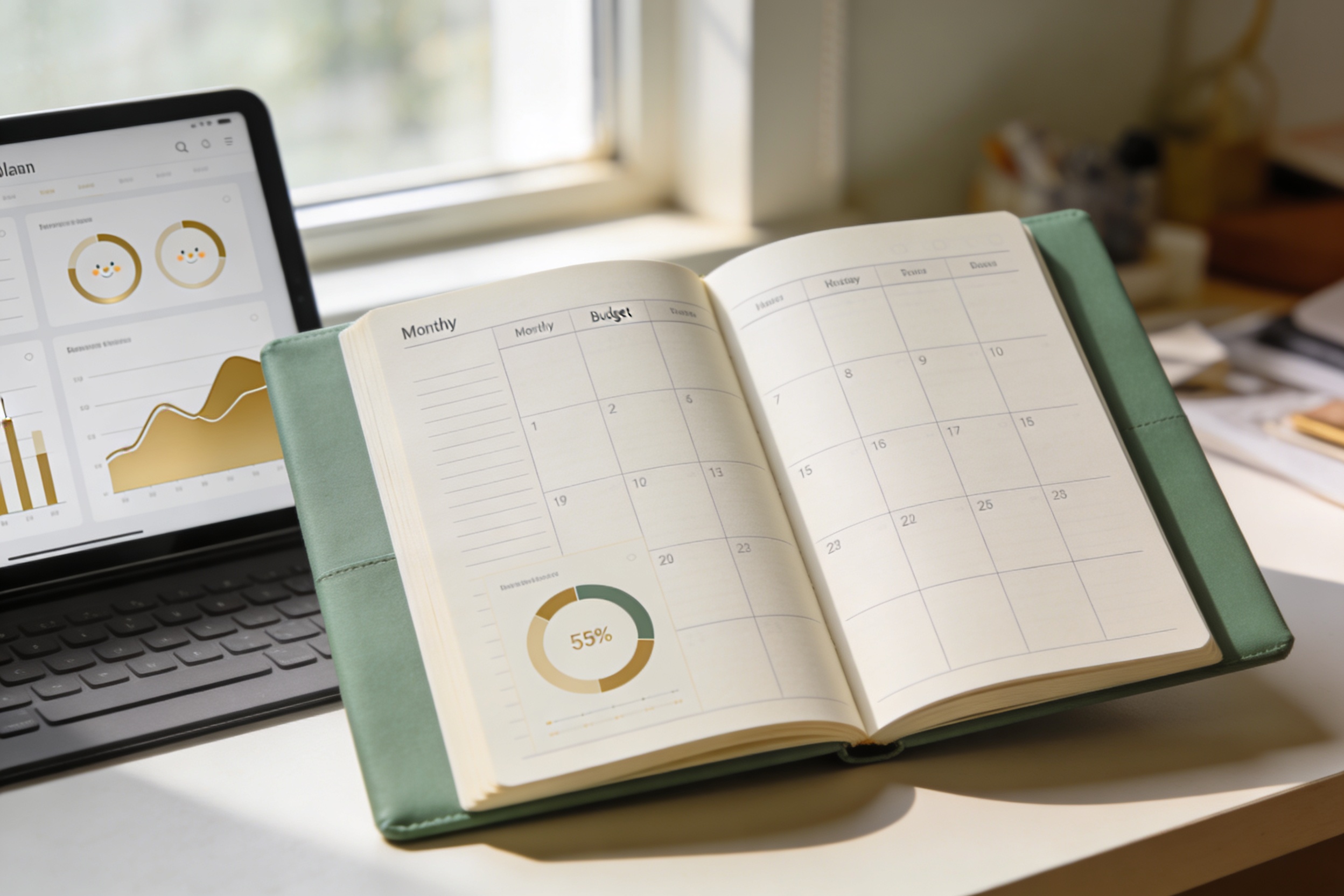
Tip: start with a hybrid. Use a simple paper budget for daily logging and a digital tool for summary and reminders. It’s like having the best of both worlds without turning budgeting into a full-time job.
Template vs. custom: ready-made or build-your-own
– Ready-made templates win for speed. They come with built-in categories and formulas you can tweak.
– Custom templates win for control. If you know you oscillate between “do it all” and “ghosting the bank,” customization helps you stay realistic.
If you’re overwhelmed, start with a reliable template and adjust categories as you learn what actually matters to you.
The best beginner-friendly budget planners to consider
Here are some solid options that balance simplicity with serious results. I’ll keep it real and steer you away from gimmicky tools that promise a miracle and deliver confusion.
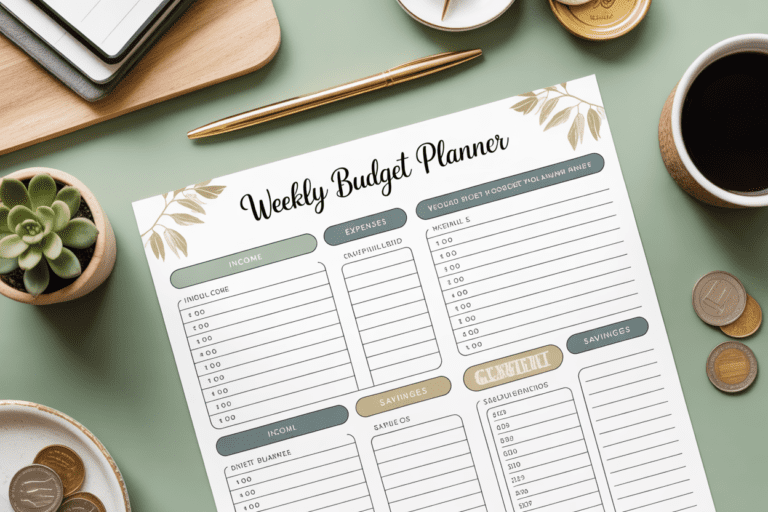
- Starter Budget Worksheet (digital or printable): A minimalist layout that covers income, fixed expenses, variable expenses, and a savings goal. No fluff, just the basics.
- Envelope-Style Planner: Great for cash budgets or if you need a tactile approach to spending. Put real money in envelopes and watch your behavior shift.
- Zero-Based Budget Template: Every dollar has a job. It’s precise, yes, but also incredibly effective for getting you to save more and spend deliberately.
- 50/30/20 Flex Template: A flexible framework—50% needs, 30% wants, 20% savings/debt payoff. Adjust the percentages as you learn what matters most to you.
- Debt Snowball Tracker: If debt is weighing you down, this focuses your energy on the smallest balances first to build momentum.
I’m not telling you to pick “the one.” Pick a direction you can actually use for at least a month. If it sticks, you can upgrade later.
Start small: a beginner’s setup that actually works

The secret to not feeling overwhelmed is chunking the task into tiny, repeatable steps.
Step 1: Define your money goals (short and sweet)
Ask yourself:
– What would make this month feel calmer?
– Do I want to build an emergency fund, pay off a specific debt, or just know where every dollar is going?
Write down 2–3 goals. Make them specific and time-bound. For example: “Save $300 for an emergency fund by the end of the month” or “Pay off $200 of credit card debt in 30 days.”
Step 2: List all sources of income
Include everything: main salary, side gigs, gifts, and any irregular payments. Don’t judge the totals; just write them.
Step 3: Capture your expenses without judgment
For the first month, log every expense, even the little ones. It’s not about shaming yourself; it’s about seeing the real picture.
– Fixed expenses: rent, utilities, insurance
– Variable expenses: groceries, gas, entertainment
– Irregular expenses: car maintenance, yearly subscriptions
Keeping it honest in this early stage helps you spot the big leaks later.
Step 4: Build your first tight budget
Pick a framework you like (50/30/20, zero-based, or envelope-style) and allocate dollars to each category. Leave a little buffer for surprises.
Tip: set up one savings line right away. Treat it like a weekly bill you must pay yourself.
Step 5: Track, review, adjust
At the end of the week, skim what you recorded. If you overspent in one category, adjust the rest or lower expectations in that area next week. This is not punishment; it’s a learning loop.
How to stay motivated when you feel overwhelmed
Overwhelm is the budget killer. Here are practical moves to keep you moving.
- Celebrate micro-wins: A small debt payment or a saved $5 in an unplanned category deserves a little cheer.
- Automate what you can: Set up automatic transfers to savings or debt payments. Automation reduces willpower fatigue.
- Use visuals: Color-coding, progress bars, or simple charts help you see progress at a glance.
- Limit your focus: Tackle one big goal at a time. Too many priorities are a fast track to paralysis.
FYI, you don’t have to be perfect. You just have to be consistent enough to move forward.
Tools and tricks to make budgeting less drab
Here are some practical maneuvers you can steal for your setup.
Habit stacking to budget consistency
Attach a budgeting habit to something you do daily. For example, after you finish a meal, you log expenses from the day. Small rituals compound into real budget stability.
Quick categories that actually matter
Focus on categories that move the dial:
– Housing (rent/mortgage, utilities)
– Food (groceries, dining out)
– Transportation (gas, maintenance)
– Debt payments
– Savings (emergency fund, sinking funds)
– Discretionary (fun money, hobbies)
If a category never changes, you can fold it into another one or tighten it later.
When to switch up your plan
Your budget should adapt as life does. Don’t cling to a setup that stopped serving you.
- If your income changes, revisit the numbers. Your goal should stay realistic, not inspirationally painful.
- If you accumulate debt, consider a debt-payoff tracker and a stricter plan to eliminate interest.
- If you’re tracking for a while and see little to no progress, simplify. Remove extra categories and focus on the basics.
Remember, sustainability beats intensity. A modest, repeatable routine will beat a heroic sprint that collapses after a week.
Frequently asked questions
What’s the easiest budget planner for absolute beginners?
For absolute beginners, a simple starter budget worksheet works wonders. Look for a one-page layout with income, a handful of essential expense categories, and a single savings line. Keep it solvable: you should be able to complete it in under 15 minutes a week.
Do I need to use a budget every day?
Nope. You’ll probably log expenses a few times a week or once a week. The key is consistency, not frequency. If daily logging sounds fun, go for it. If not, weekly reviews work just fine and keep your sanity intact.
Can a budget actually help me save money fast?
Yes, but it isn’t magic. A budget creates awareness, then nudges your behavior. Quick wins come from cutting tiny daily wastes (that coffee run, impulse buys) and redirecting that money toward a concrete goal. Slow and steady often wins the race here.
What if I fail one month—do I quit budgeting?
Absolutely not. Budgeting isn’t a test you pass or fail; it’s a practice. Learn from the slip: what caused the bump, and adjust next month. FYI, gradual improvement beats dramatic overhauls that burn you out.
Is digital budgeting better than paper for beginners?
Both have pros. Digital gives you automatic sums, reminders, and backup. Paper gives you a tactile, slower process that can feel more concrete. If you’re overwhelmed, mix it: paper for daily logs, digital for summaries and reminders.
Putting it all together: a sample 30-day plan
Here’s a practical blueprint you can copy or adapt.
Week 1: Setup and baseline
– Pick your format (paper, digital, or hybrid).
– List all income sources.
– Log every expense for 7 days without judgment.
– Define 2–3 clear goals for the month.
Week 2: Create your first budget
– Choose a framework (50/30/20, zero-based, or envelope-style).
– Allocate income to essential categories first, then discretionary.
– Set up a savings or debt-payoff line.
Week 3: Automation and tweaks
– Set auto-transfers for savings/debt payments.
– Review categories and trim the ones that aren’t moving the needle.
– Start a small habit (log expenses within 24 hours of spending).
Week 4: Review and adjust
– Compare actuals to your plan.
– Adjust next month’s plan based on what you learned.
– Celebrate wins, no matter how tiny.
By the end of the month, you should feel a little more in control and a lot less overwhelmed. If you don’t, no shame—adjust the plan, not your effort.
Conclusion
Budgeting doesn’t have to be a scary spreadsheet disaster. The best budget planner for beginners who feel overwhelmed is the one you actually use. Start with a simple format, log honestly, and keep the goals crystal-clear. You’ll build momentum one small win at a time—yes, even you.
If you’re still unsure, test a couple of options for a week each. Compare how you feel, how easy it is to stick to, and which one actually helps you reach your goals. IMO, the simplest tool that gets used consistently beats the flashiest system that sits on your desk unused.
Remember: you’re not aiming for perfection. You’re aiming for progress. And you’ve got this.