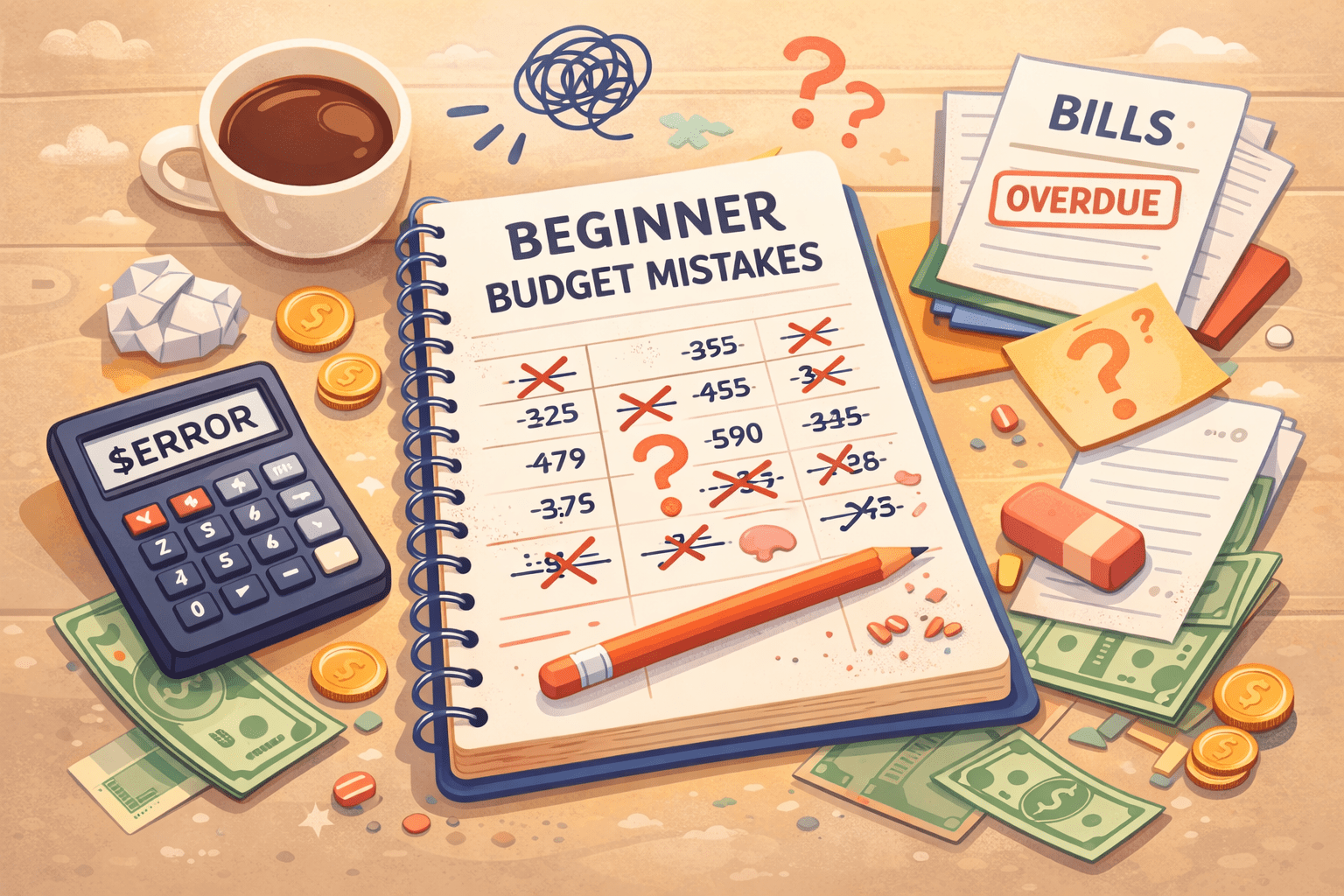
Beginner Budget Mistakes to Avoid
Let me guess—you decided to start budgeting, felt super motivated for about five minutes, opened a spreadsheet… and then immediately wondered why this feels harder than it should 😅. Been there. Budgeting sounds simple, but beginner budget mistakes can quietly wreck your progress before you even realize it.
I’ve messed this up more times than I care to admit, so think of this as a friendly chat over coffee. I’ll walk you through the most common beginner budget mistakes—and exactly how to avoid them without losing your sanity.
Trying to Be “Perfect” From Day One
Expecting Your First Budget to Work Magically
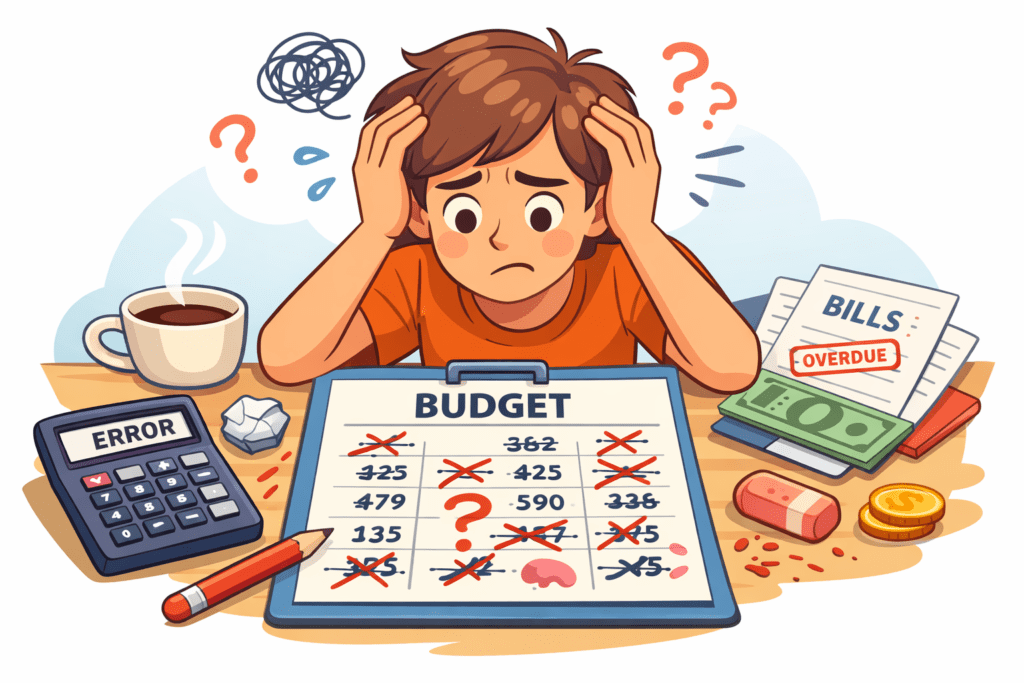
Let’s get this out of the way: your first budget will not be perfect. Mine looked amazing on paper and lasted exactly nine days. IMO, expecting perfection sets you up for frustration fast.
Ever notice how we assume budgeting should instantly fix our money problems? That mindset causes more damage than overspending ever could.
What to Do Instead
Treat your first budget like a rough draft, not a final exam.
- Expect to adjust categories
- Expect to underestimate expenses
- Expect life to laugh at your plans
This isn’t failure—it’s data. Every mistake teaches you what actually works for your lifestyle.
Forgetting Irregular Expenses (AKA the Sneaky Stuff)
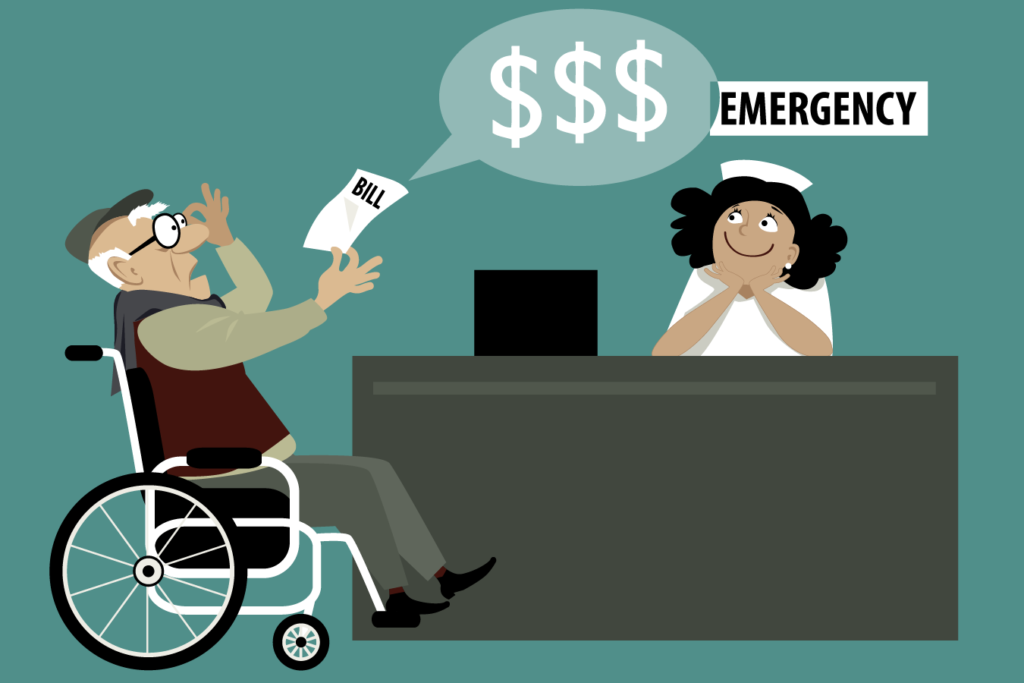
Ignoring Expenses That Don’t Happen Monthly
This one hurts. You budget rent, groceries, and Netflix, then BOOM—your car insurance renewal hits. Sound familiar?
Many beginner budget mistakes come from forgetting expenses that pop up quarterly, yearly, or “whenever they feel like it.”
Commonly Forgotten Expenses
- Car maintenance and registration
- Annual subscriptions
- Holiday gifts
- Medical copays
- Home repairs
These aren’t surprises—they’re predictable. They just don’t happen every month.
How to Fix It
Create a “sinking fund” category and set aside a little each month. Your future self will thank you. Trust me.
Setting Unrealistic Spending Limits
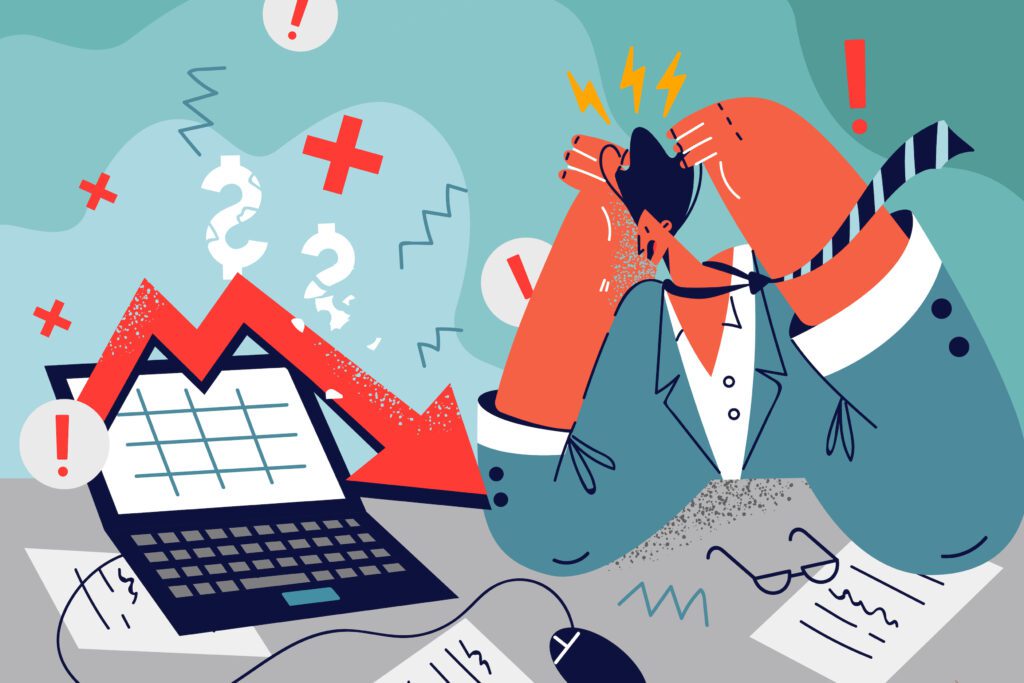
Going From Free-Spending to Extreme Frugality
I see this mistake all the time. People go from “I’ll just swipe my card” to “I’ll spend $50 on food this month.” Spoiler alert: that plan won’t survive week one.
Ever tried to quit sugar cold turkey? Same vibe.
A Better Approach
Start where you actually are, not where you wish you were.
- Cut back gradually
- Adjust categories slowly
- Focus on consistency, not punishment
A budget should support your life, not make you miserable.
Not Tracking Small Purchases

“It’s Only $5” Adds Up Fast
Coffee here. App there. Random Target run because… vibes. Those small purchases quietly destroy budgets.
FYI, I once spent over $180 in a month on “just coffee.” That realization stung.
Why This Matters
Small expenses:
- Slip through unnoticed
- Create budget gaps
- Make you feel broke “for no reason”
Every dollar needs a job, even the tiny ones.
Ignoring Your Income Reality
Budgeting Based on Hope, Not Facts
If you budget based on your best paycheck instead of your average one, your budget will break. Every time.
Ever counted money you haven’t earned yet? Yeah… don’t do that.
Fix This Fast
- Base your budget on your lowest expected income
- Treat extra income as bonus money
- Assign bonuses intentionally
Consistency beats optimism when it comes to budgeting.
Not Giving Yourself “Fun Money”
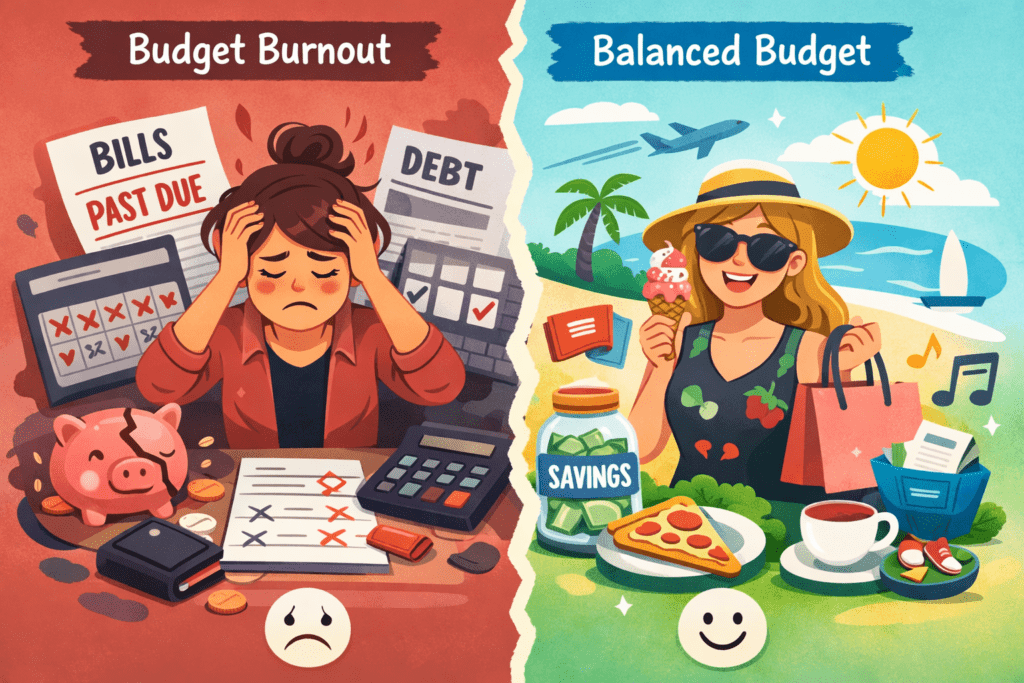
Thinking a Budget Means Zero Enjoyment
One of the biggest beginner budget mistakes is believing fun has no place in a budget. That mindset leads straight to burnout.
I tried a “no-fun-spending” month once. It lasted twelve angry days :/.
Why Fun Money Matters
- It prevents binge spending
- It reduces guilt
- It keeps budgeting sustainable
Even $25–$50 a month can make a huge difference.
Using Too Many Budget Categories
Overcomplicating Everything
I once had 27 budget categories. TWENTY-SEVEN. That budget collapsed under its own weight.
More categories don’t equal better control. They equal confusion.
Keep It Simple
Stick to core categories:
- Housing
- Food
- Transportation
- Bills
- Savings
- Fun
Simple budgets stick. Fancy budgets usually don’t.
Forgetting to Budget for Savings
Saving “Whatever Is Left Over”
If savings sit at the bottom of your budget, they won’t happen. Leftover money magically disappears. Always.
Ever wondered why saving feels impossible even when you earn decent money?
Flip the Script
Pay yourself first.
- Automate savings
- Treat it like a bill
- Start small if needed
Even $20 a week builds momentum.
Not Reviewing Your Budget Regularly
Setting It and Forgetting It
Life changes. Expenses shift. Your budget needs updates. A budget without check-ins turns useless fast.
I recommend a weekly five-minute review. Seriously, that’s it.
What to Check Weekly
- Overspending categories
- Upcoming expenses
- Progress toward goals
Budgets thrive on attention, not perfection.
Comparing Your Budget to Someone Else’s
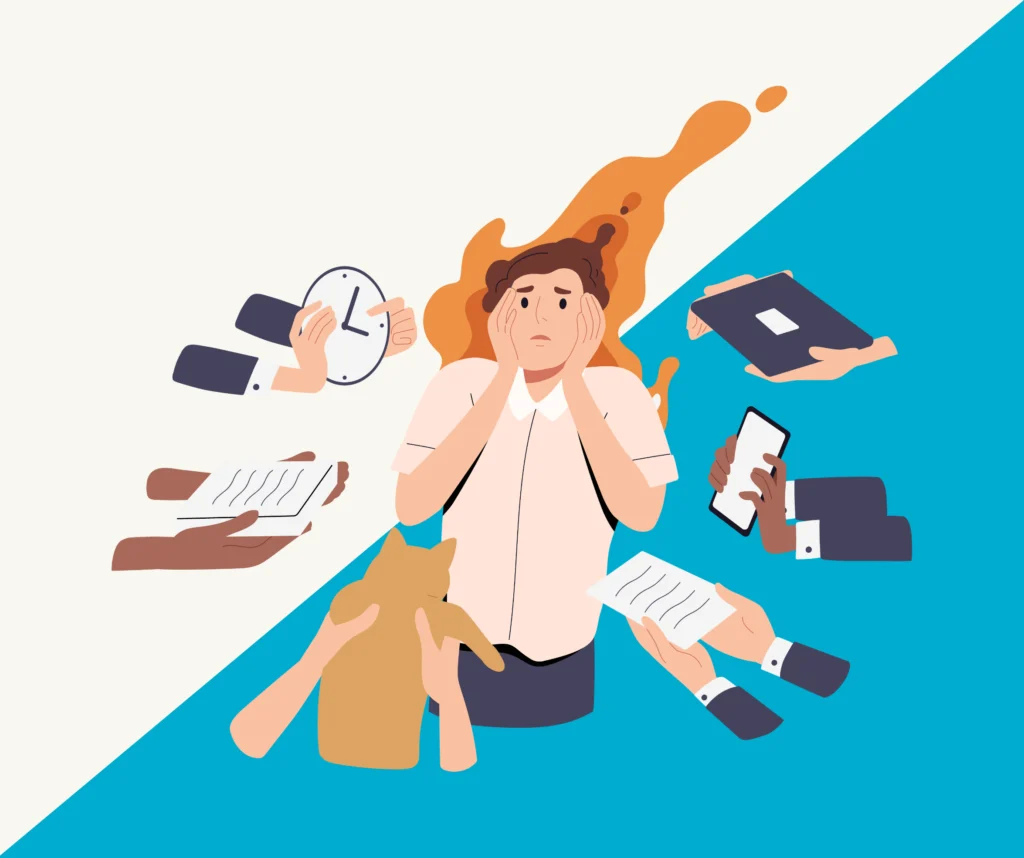
Copy-Pasting Another Person’s Plan
Just because a YouTuber budgets $300 for groceries doesn’t mean you should. Different cities, families, and lifestyles change everything.
Comparison creates frustration, not progress.
Focus on Your Reality
Your budget should reflect:
- Your income
- Your priorities
- Your life stage
The best budget is the one you actually follow.
Treating Mistakes Like Failure
Giving Up After One Bad Month
Here’s the truth no one says loudly enough: everyone messes up their budget. All of us.
One bad month doesn’t mean budgeting “isn’t for you.” It means you’re human.
Reframe Budget Mistakes
Instead of quitting, ask:
- What caused this?
- What can I adjust?
- What did I learn?
Progress beats perfection every single time.
Thinking Budgeting Is About Restriction
Seeing Your Budget as the Enemy
A budget doesn’t exist to ruin your fun. It exists to help you spend without stress.
When budgeting feels like punishment, something needs tweaking.
What Budgeting Really Does
- Gives you permission to spend
- Reduces money anxiety
- Helps you reach goals faster
A good budget feels freeing, not suffocating.

Conclusion: Budget Smarter, Not Harder
Budgeting doesn’t require perfection, spreadsheets from NASA, or zero joy. It requires honesty, flexibility, and patience. Avoiding these beginner budget mistakes will save you money—and a ton of frustration.
Start simple. Adjust often. Laugh at your mistakes. You don’t need a flawless budget—you need a realistic one that grows with you.
So tell me—which mistake did you recognize yourself in first? 😉