Be Frugal, Not Cheap: How to Spend Money Without Regret
Frugality gets a bad rap. People hear “frugal” and picture someone reusing dental floss or haggling over a 50-cent coupon. But being frugal isn’t about deprivation—it’s about spending smarter so you can enjoy what actually matters to you. Here’s how to pinch pennies without turning into a penny-pinching monster.
Frugal vs. Cheap: Know the Difference

Cheap people prioritize price above all else, even if it means misery (hello, cardboard-like toilet paper). Frugal folks? They optimize value. If spending a little extra means better quality, less stress, or more time, they’ll do it—just not on things they don’t care about.
Key distinctions:
- Cheap: Buys the $5 shoes that disintegrate in a month.
- Frugal: Buys the $50 shoes that last five years.
- Cheap: Skips tipping to “save money.”
- Frugal: Cooks at home but tips well when they dine out.
Spend Where It Counts, Cut Where It Doesn’t

Your budget should reflect your priorities, not some arbitrary rulebook. Love travel? Splurge on flights but skip daily takeout. Obsessed with coffee? Invest in a good machine instead of dropping $6 daily at Starbucks.
The “Latte Factor” Myth (And Why It’s Overrated)
Personal finance gurus love shaming small pleasures like lattes. But denying yourself tiny joys for decades is a fast track to burnout. Instead of cutting *everything*, ask: Does this bring me real happiness, or is it just habit? Keep the meaningful stuff, ditch the rest.
Master the Art of the Deal (Without Being That Person)

Frugal people hunt for discounts—just not at the cost of their dignity.
- Negotiate bills: Internet, insurance, and even medical bills often have wiggle room. A polite call can save hundreds.
- Use cashback apps: Rakuten, Honey, and credit card rewards add up without effort.
- Buy secondhand: Thrift stores, Facebook Marketplace, and refurbished electronics are goldmines.
DIY… But Only If You Actually Enjoy It

There’s a cult-like obsession with DIY, but let’s be real: Some projects are *not* worth your time. Spending 8 hours to save $20 on a shelf? Hard pass.
Good DIY candidates:
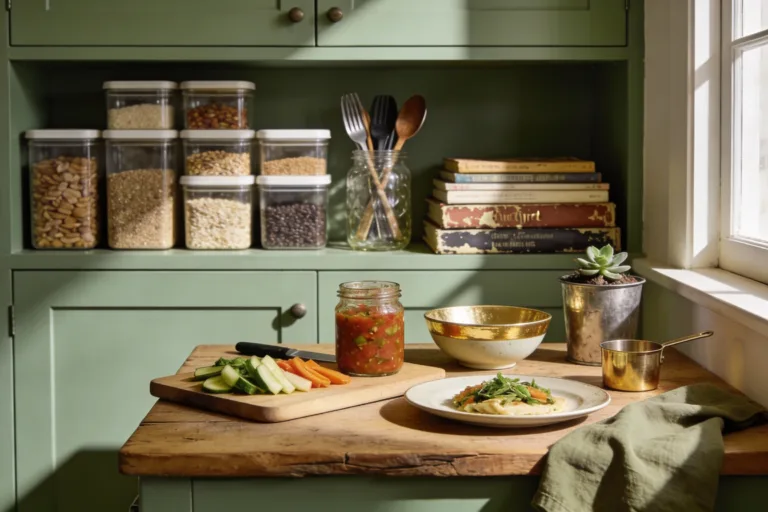
- Meal prepping (if you like cooking)
- Basic home repairs (YouTube is your friend)
- Growing herbs (hard to kill, saves $$)
Bad DIY candidates:
- Anything involving plumbing if you’re clumsy
- Homemade haircuts (RIP your bangs)
- Building furniture without patience or tools
The Frugal Social Life: Fun Doesn’t Have to Mean Expensive
Your social life doesn’t need to drain your wallet. Host potlucks, hike, or organize game nights instead of bar-hopping. Pro tip: Suggest cheaper plans *before* someone books that $$$ brunch place.
The “I’m on a Budget” Script
No one wants to be the buzzkill, but you can bow out gracefully:
*”That concert sounds awesome, but I’m saving for [X]—want to do [cheaper alternative] instead?”* Most people will respect your honesty (and might even sigh in relief).
FAQs
Isn’t frugality just for broke people?
Nope! Even millionaires stay frugal. Warren Buffett lives in the same house he bought in 1958. Frugality is about intentionality, not income.
How do I stop feeling guilty about spending?
If it aligns with your values and budget, enjoy it guilt-free. The goal isn’t to hoard money—it’s to use it wisely.
What’s the easiest way to start being frugal?
Track your spending for a month. You’ll spot mindless habits (looking at you, Uber Eats) and can cut back there first.
Does frugality mean never buying nice things?
Absolutely not. It means buying *fewer* nice things—and making sure you truly love them.
Frugality Is Freedom, Not Suffering
Being frugal isn’t about sacrifice; it’s about redirecting money toward what makes your life better. Skip the stuff that doesn’t matter, so you can afford the stuff that does. And for the love of all things holy, don’t skimp on toilet paper. Some lines shouldn’t be crossed.