Automatic Saving Habits to Build Wealth on Autopilot
Let’s be real—saving money is one of those things we all *know* we should do, but actually doing it feels like pulling teeth. What if you could trick your future self into saving without even thinking about it? The secret? Automation. Set it up once, forget about it, and watch your savings grow like magic (or at least like a slow-but-steady bank balance). Here’s how to make your money work for you while you binge Netflix guilt-free.
1. Pay Yourself First (Because No One Else Will)
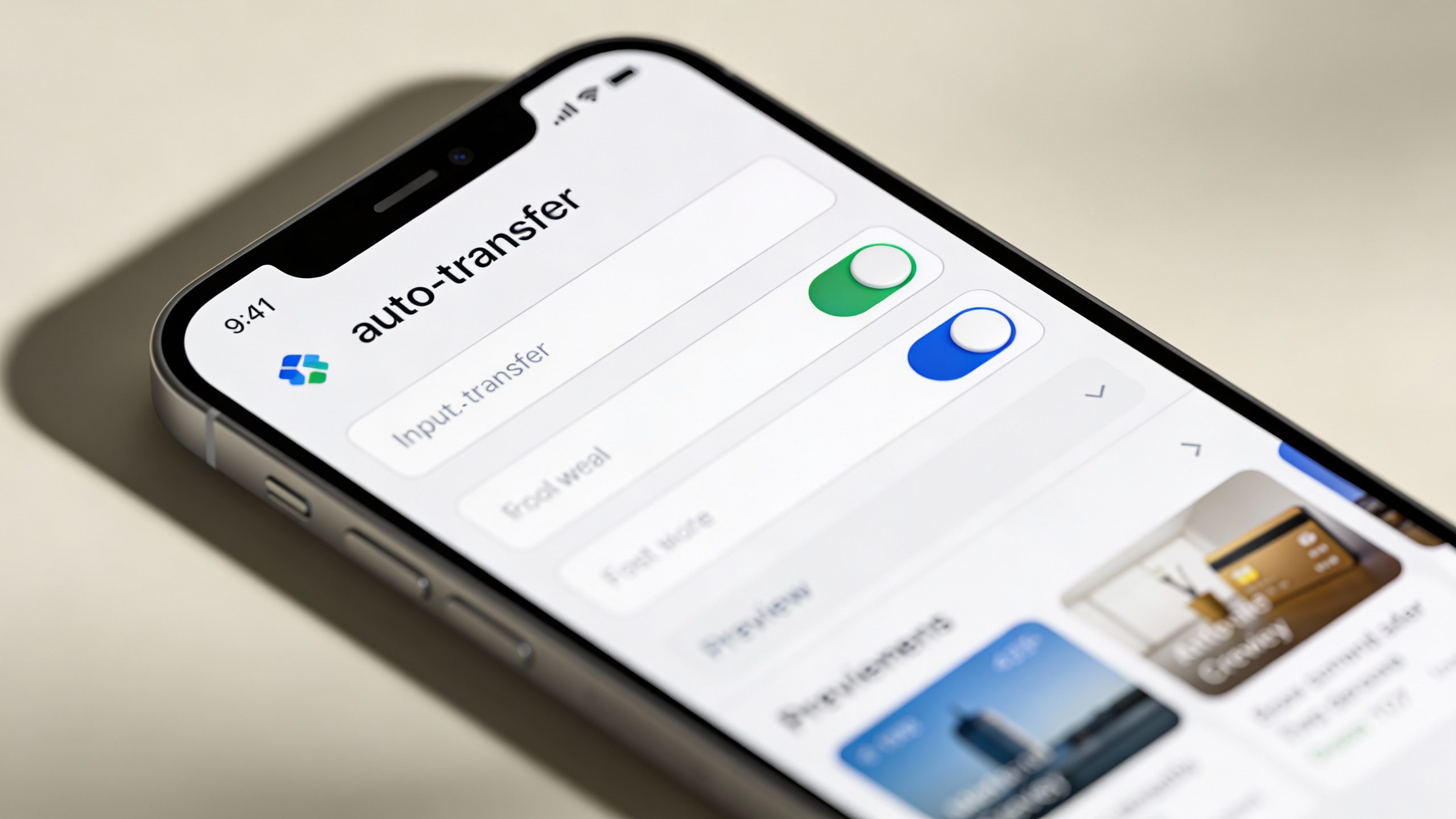
The golden rule of automatic savings? Pay yourself before your paycheck even hits your main account. Most of us wait to see what’s “left over” at the end of the month—spoiler alert: there’s *never* anything left.
Set up a direct deposit split with your employer so a chunk of your paycheck goes straight into savings. Even 10% adds up fast. If your employer won’t do it, no sweat—schedule an automatic transfer from checking to savings the *second* your paycheck lands.
Where Should the Money Go?
Not all savings accounts are created equal. Ditch the 0.01% interest trap and park your cash in:
- A high-yield savings account (some offer 4-5% APY—way better than your bank’s sad pennies)
- A separate emergency fund (because life loves surprises, and not the fun kind)
- A specific goal account (vacation fund, new gadget stash, etc.)
2. Round Up Your Purchases (Like a Financial Fairy Godmother)
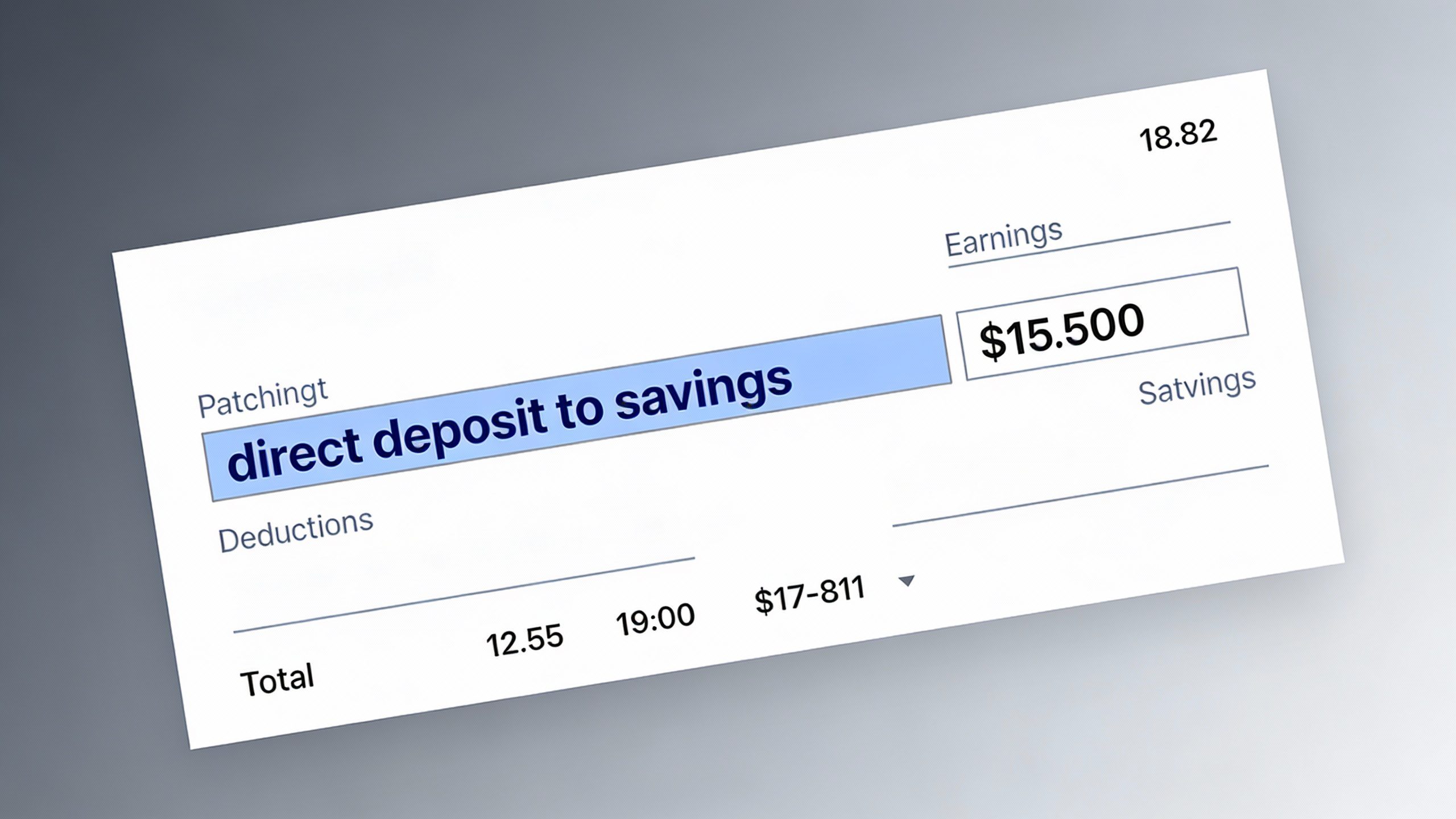
Apps like Acorns, Qapital, or your bank’s built-in round-up feature let you save spare change without lifting a finger. Buy a coffee for $4.75? The app rounds it to $5 and squirrels away the extra $0.25.
It sounds tiny, but those micro-savings add up. IMO, it’s the easiest way to save without feeling the pinch—like finding money in your couch cushions, but automated.
3. Automate Bill Payments (And Stop Paying Late Fees)

Late fees are just dumb taxes. Avoid them by automating bills—but with a twist: set up bills to charge a credit card (paid off automatically each month). Why?
- You earn rewards (free money, hello)
- Your cash stays in savings longer (more interest for you)
- No more missed payments (goodbye, stress)
Just make sure your card is set to auto-pay the full balance—otherwise, interest will wreck the whole plan.
4. The “One-Click” Investment Trick

If you’re not investing, inflation is quietly eating your savings. But you don’t need a finance degree to start. Apps like Betterment or Wealthfront let you:
- Set up automatic deposits (even $20/week counts)
- Invest in diversified portfolios (they do the heavy lifting)
- Forget about it (the best part)
FYI, time in the market beats timing the market. Start small, stay consistent, and let compound interest do its thing.
5. Hide Money From Yourself (Yes, Seriously)
Out of sight, out of mind—works for exes *and* savings. Create accounts at different banks (or use fintech apps like Digit) that aren’t linked to your main spending account.
Why? Because if you don’t see it, you’re less tempted to spend it. It’s like hiding snacks from your future hungry self, but with money.
Bonus Hack: Name Your Accounts
Label savings accounts with goals (“Bali 2025” or “Emergency Fund—Do Not Touch”). It’s weirdly motivating to see money grow toward something specific instead of a vague “savings” black hole.
6. Auto-Increase Your Savings (The Set-It-And-Forget-It Upgrade)
Got a raise or paid off debt? Automatically redirect that extra cash to savings. Most banks let you schedule incremental increases (e.g., boost savings by $50 every 6 months).
Your lifestyle won’t miss the money, but your future self will high-five you.
FAQ: Your Automatic Savings Questions, Answered
Does automating savings really work?
Absolutely. Humans are terrible at willpower. Automation removes the temptation to spend first and save later—because there *is* no “later.”
How much should I save automatically?
Start with whatever doesn’t hurt (even 5%). Gradually increase it until you feel a *little* uncomfortable (that’s how you know it’s working).
What if I need the money?
Keep emergency funds in liquid accounts (like high-yield savings). Investments are for long-term goals—don’t raid them unless it’s dire.
Won’t I forget about my money?
Set a quarterly “money date” to check balances and adjust. Otherwise, let automation do its thing.
Can I automate savings if I’m broke?
Yes! Start with round-up apps or $5/week. Small amounts build habits (and eventually, real savings).
What’s the biggest mistake people make?
Overcomplicating it. Pick *one* method, set it up in 10 minutes, and move on. Perfect is the enemy of done.
Stop Thinking, Start Saving
The best savings strategy is the one you don’t have to think about. Automate, forget, and let your money grow while you focus on more important things—like debating whether to order pizza or Thai tonight. (Pro tip: Transfer the cost difference to savings and go with the cheaper option. You’re welcome.)