

How to Do Annual Financial Planning Without Feeling Overwhelmed
Let’s be real—most of us treat money planning like a New Year’s resolution. We swear we’ll get serious about it, then abandon it by February when we realize avocado toast is *technically* a vegetable. But what if this year was different? No guilt, no shame, just a solid plan to make your money work for you. Here’s how to actually stick to it.
Start with a Reality Check (AKA, Face Your Spending Demons)
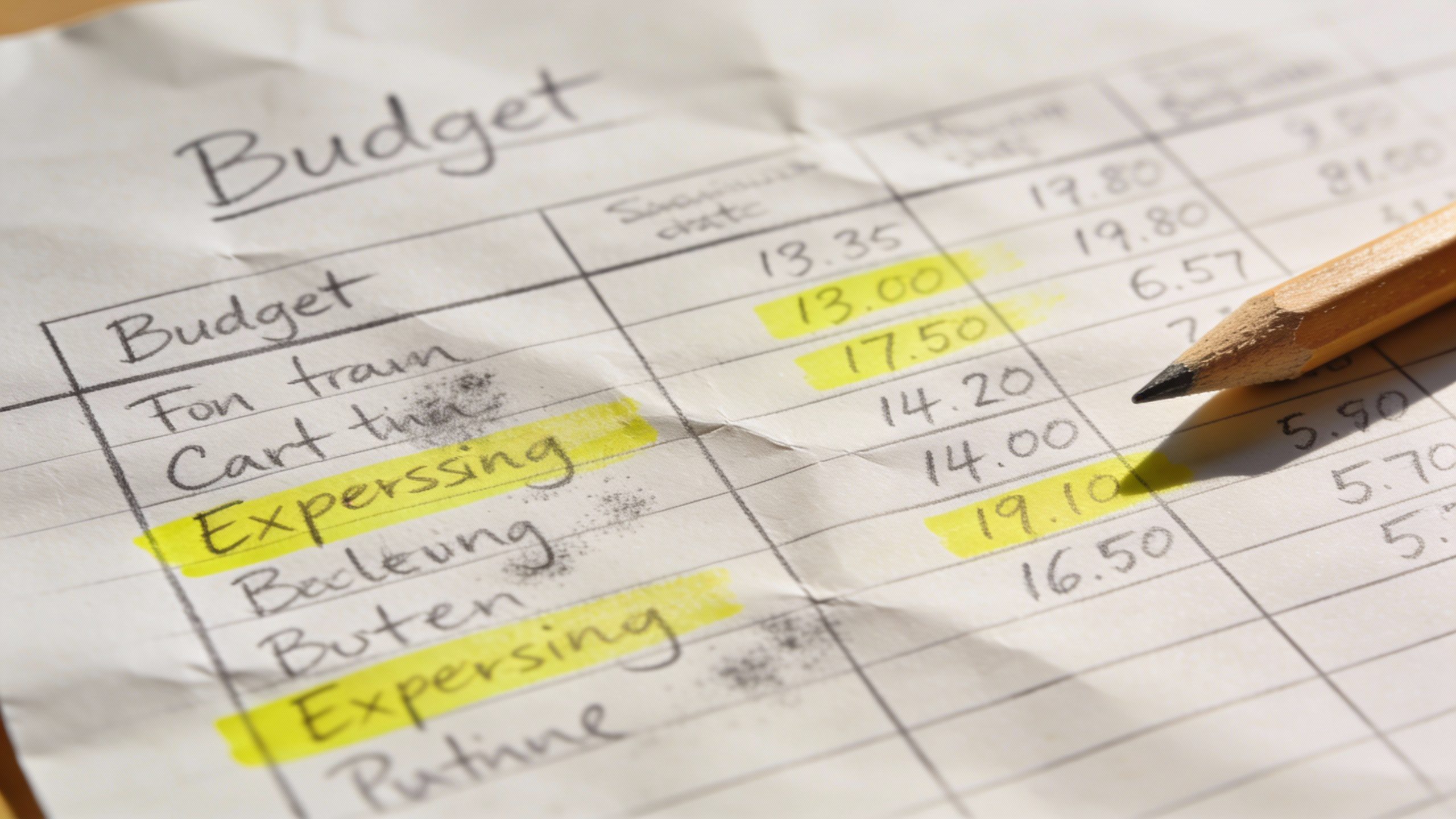
Before you can plan where you’re going, you need to know where you’ve been. That means digging into last year’s spending like a detective with a magnifying glass.
- Track every dollar: Use apps like Mint or YNAB, or just shame yourself with a spreadsheet. No judgment.
- Spot the leaks: That $12/month streaming service you forgot about? The 3 a.m. impulse Amazon purchase? Yeah, those add up.
- Compare income vs. spending: If your take-home pay is $4,000/month and you’re spending $4,500, Houston, we have a problem.
How to Actually Stick to Tracking
Make it stupidly easy. Automate where possible, set a weekly 10-minute money date, and reward yourself for consistency (preferably not with a shopping spree).
Set Goals That Don’t Suck
“Save more money” is a terrible goal. It’s like saying “be healthier” and then eating a salad… once. Be specific, or you’ll lose motivation faster than a gym membership in March.
- Short-term: “Save $1,000 for car repairs by June.”
- Mid-term: “Pay off $3,000 in credit card debt this year.”
- Long-term: “Save $5,000 for a Europe trip in 2025.”
Pro tip: Tie goals to something emotional. Want to ditch debt to sleep better at night? Write that down. It’ll hurt more when you’re tempted to splurge.
The 50/30/20 Rule (But Make It Flexible)

This classic budgeting rule splits your after-tax income into:
- 50% needs (rent, groceries, insurance)
- 30% wants (Netflix, sushi, that cute plant you don’t need)
- 20% savings/debt (emergency fund, retirement, paying off loans)
But here’s the thing—if you live in a pricey city, maybe needs take 60%. Adjust as needed. The point isn’t perfection; it’s progress.
When to Ignore the Rules
If you’re drowning in debt, maybe “wants” get slashed to 10% until you’re above water. If you’re killing it financially, maybe savings jump to 30%. Customize like it’s your Spotify playlist.
Automate Like You’re a Robot

Your future self is unreliable. Protect them from themselves.
- Auto-transfer savings: Set up a direct deposit into a high-yield savings account. Out of sight, out of mind.
- Auto-pay bills: Avoid late fees and credit score dings.
- Auto-invest: Apps like Acorns or Betterment can stash small amounts regularly. Compound interest is magic—let it work.
Expect the Unexpected (Because Life Loves Surprises)
Your car *will* break down. Your pet *will* eat something stupid. Your laptop *will* die right before a big project.
- Emergency fund first: Aim for 3–6 months of expenses. Start with $1,000 if you’re rebuilding.
- Insurance checkup: Health, renters, car—make sure you’re not over- or under-insured.
- Sinking funds: Save monthly for irregular expenses (e.g., $50/month for car maintenance).
FAQ: Your Burning Money Questions, Answered
How much should I save for retirement?
Aim for 15% of your income (including employer matches). If that’s impossible right now, start with 5% and increase by 1% every few months. Future you will high-five present you.
Should I pay off debt or save first?
Do both, but prioritize high-interest debt (looking at you, credit cards). Even $20/month toward savings builds the habit while you tackle debt.
How do I stop impulse spending?
Implement a 24-hour rule for non-essentials. Sleep on it. If you still want it tomorrow, fine—but 80% of the time, you’ll forget.
Is budgeting apps worth it?
IMO, yes. They automate the annoying parts. But if you’re a pen-and-paper person, go analog. Whatever works > what’s trendy.
What if my income fluctuates?
Budget based on your *lowest* expected monthly income. Anything extra goes to savings/debt. Freelancers and gig workers, this is your survival tactic.
Can I still have fun?
Abso-freaking-lutely. Deprivation leads to rebellion (see: every diet ever). Budget for fun money—just keep it reasonable.
Go Forth and Adult (But Like, Chill About It)
Planning your money isn’t about restriction; it’s about freedom. The freedom to travel, quit a toxic job, or finally buy that fancy coffee maker without guilt. Start small, stay flexible, and remember—progress beats perfection every time. Now go forth and crush this year like the financially savvy badass you are.