
Financial Planning Tips for Saving and Investing: Quick Wins for Real Life
If you’ve ever looked at your bank statement and felt your future slipping away like a slippery eel, this article is for you. We’re cutting fluff and getting practical: smart saving, savvy investing, and a plan you can actually stick to. FYI, small steps beat big dreams that never leave your notebook.
Show Me the Money: Foundations of Realistic Financial Planning
So you want to get ahead without turning your life into a spreadsheet torture chamber. Start with the basics that actually matter.
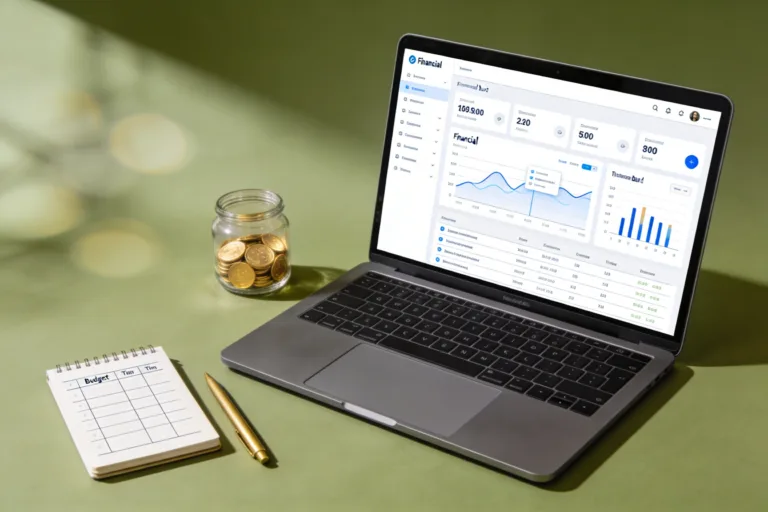
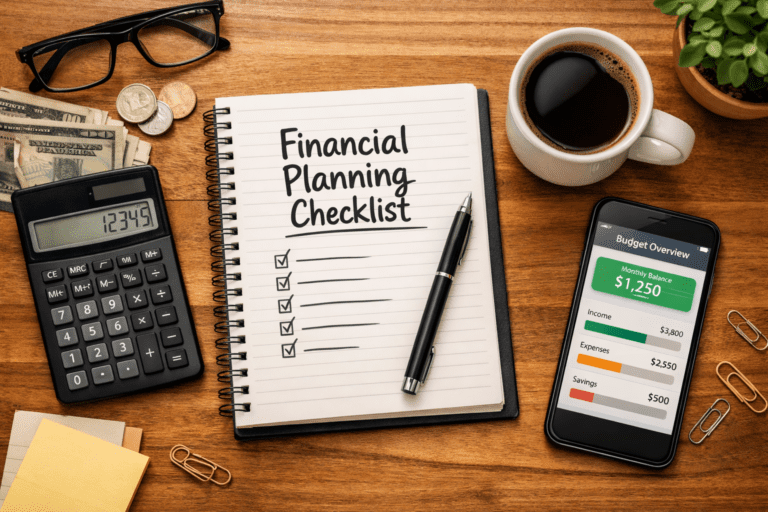
– Know your numbers: track income, expenses, and debt in a single place. No more guesswork.
– Build a simple budget you can live with. Yes, even you and your coffee habit can fit.
– Set clear goals: emergency fund, retirement, a big purchase. The more concrete, the easier to stay motivated.
- Emergency fund: aim for 3–6 months of living expenses.
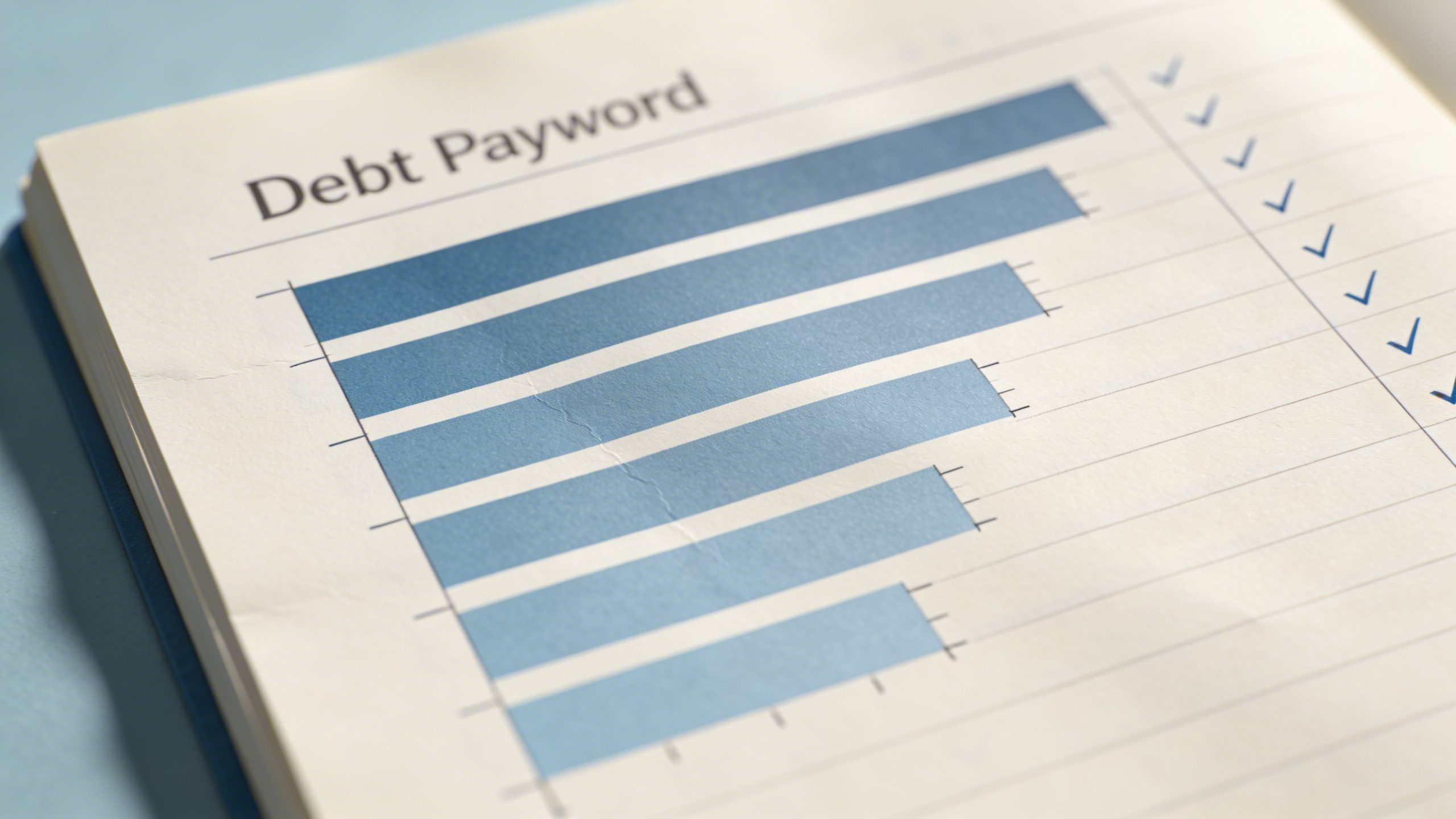
- Debt plan: list, prioritize high-interest first, then conquer the rest.
- Investment starter: separate money you won’t touch for years.
Emergency Fund: Your Financial Safety Net

You don’t want to rely on luck or credit cards when life throws a curveball. An emergency fund is your best ally.
– Start small, think big: even $500 or $1,000 is progress you can build on.
– Automate it: set up a direct transfer the day you get paid.
– Keep it accessible but not tempting: a high-yield savings account works well.
Where to stash it and why
– Online banks often offer better rates than big-name bricks-and-mortar ones.
– Keep it in a separate account from your daily spending to reduce the temptation to dip in.
– Replenish after you’ve used it. If you’ve tapped it, fund it again next month.
Debt Detox: Prioritize What Hurts Most
Debt can feel like quicksand, especially when rates are racing.
– List all debts with interest rates. You’ll see where the real pain is.
– Decide on a strategy: avalanche (pay highest interest first) or snowball (pay smallest balance first for momentum). Pick the vibe that keeps you going.
– Avoid new debt while you’re paying down old stuff. Yes, that means skipping that fancy gadget.
Credit cards, loans, and sneaky fees
– Pay on time to protect your credit score. It’s basically financial armor.
– If you can, refinance or consolidate to lower rates. Do the math, then celebrate the tiny win.
– Watch for annual fees; sometimes they’re worth it, sometimes not. FYI, you know your own spend better than anyone.
Investing 101 for Real People

Investing isn’t just for millionaires in tailored suits. It’s for you, with a plan and a dash of patience.
– Start with low-cost, diversified vehicles: broad-market index funds or ETFs are friendly for beginners.
– Keep costs down: fees eat returns like pac-man on a late-night snack run.
– Time in the market beats timing the market. Yes, even with the occasional chaotic week.
How to assemble a simple starter portfolio
– 60/40 split between stocks and bonds is a classic starting point, but customize it to your risk tolerance and horizon.
– Rebalance annually to maintain your target mix.
– Consider tax-advantaged accounts first (e.g., 401(k)s, IRAs) before taxable accounts.
- Stocks: growth potential, but volatility is real. Don’t panic during dips.
- Bonds: ballast for your portfolio, with less drama than stocks.
- Cash equivalents: keep some dry powder for opportunities or emergencies.
Automatic, Not Anxious: Automating Your Plan
If you’re waiting for motivation, you’ll wait forever. Automations make progress without daily pep talks.
– Automate saving first: pay yourself before you spend.
– Automate investing: set up recurring contributions to your chosen funds.
– Automate reviews: quarterly or biannual check-ins keep you on track without micromanaging.
The tweaks that keep you sane
– Round-up features can push a little extra into savings or investment with no extra effort.
– Adjust contributions when you get a raise. Don’t upgrade your lifestyle—upgrade your future.
– Use reminders, not guilt trips. Small nudges beat big, panic-driven changes.
Tax-Smart Moves: Keep More of What You Earn
Taxes aren’t a sexy topic, but they’re a major lever in your wealth-building plan.
– Maximize tax-advantaged accounts first. If you’re in the US, 401(k)s and IRAs matter.
– Take advantage of employer matching if available. It’s free money—don’t leave it on the table.
– Be mindful of capital gains and losses. Tax-loss harvesting can be a clever tool for taxable accounts.
Simple tax tips you can actually use
– Contribute enough to get the full employer match before you invest elsewhere.
– Don’t neglect required minimum distributions in retirement planning (if applicable).
– Keep receipts for deductible or beneficial expenses; organize them once a year to avoid a last-minute scramble.
Behavioral Finance: Your Habits, Not Your Willpower, Win
Smart money isn’t just math; it’s psychology.
– Make automatic decisions the default. Humans resist change, but routines work.
– Create friction for splurges. A 24-hour rule or a 7-day pause can save you from impulsive buys.
– Seek accountability. A friend, a coach, or a financial app can help you stay honest.
When you falter, don’t quit
– Reframe setbacks as data, not failure.
– Revisit your goals. If they feel distant, break them into smaller milestones.
– Adjust your plan, not your dreams. Small course corrections beat big, dramatic overhauls.
FAQ: Quick Answers to Common Questions
Is it better to focus on saving or investing first?
Saving creates safety; investing grows wealth. Start with a solid emergency fund, then start investing. If you don’t have a buffer, you’ll likely derail your plan when life throws a curveball.
How much should I save each month?
Aim to save at least 10–20% of your take-home pay, starting with a comfortable target and increasing as you can. Automate it so you don’t have to rely on willpower every month.
What if my employer doesn’t offer matching?
Contribute enough to your retirement account to get the match if it exists; if not, still prioritize retirement contributions, but balance with other goals. Consider tax-advantaged accounts and a low-cost investment plan.
Should I pick individual stocks or rely on funds?
For most people, funds—especially broad-market index funds or ETFs—offer diversification and lower risk. Individual stocks can be exciting but introduce more volatility. IMO, start with funds and learn as you go.
What’s a realistic timeline to see progress?
You’ll notice smaller wins in weeks and months: reducing debt, building an emergency fund, starting to invest. Bigger milestones like retirement nest eggs show up over years, not days. Stay consistent, and the math starts to feel magical.
Conclusion
You don’t need a crystal ball to get ahead. You need a plan you can actually follow, a few smart habits, and a dash of patience. FYI, consistency trumps intensity every single time.
– Start with the basics: emergency fund, debt plan, and a simple budgeting routine.
– Automate what you can: savings, investing, and even reminders.
– Invest with discipline: low-cost funds, diversified portfolios, and regular rebalancing.
– Stay curious and flexible: your goals may shift, and that’s totally fine.
If you walk away with one idea, let it be this: tiny, steady wins compound into real security. Save a little more, invest a little smarter, and keep the conversation with your money light and honest. You’ve got this.