

How to Stay Motivated on Your Financial Journey: Tiny Wins, Big Momentum
I’ve been there: you’ve got big dreams, a budget, and a playlist that’s somehow both motivational and snooze-inducing. Staying motivated on your financial journey isn’t about heroic wins every day; it’s about tiny choices stacking up. Let’s talk about real-life tactics you can actually stick with.
Find your why and keep it in sight
Your why is the compass when motivation dips. Do you want freedom from debt, more travel, peace of mind during emergencies, or a future you can actually brag about at 85? Start by naming it clearly. Write it on a sticky note, or set a reminder in your phone. FYI, seeing your why repeatedly makes the next step feel less daunting.
Turn why into a habit cue
– Link your why to a daily trigger: after you brush your teeth, check your budget.
– Use a simple ritual: pull up your bank app, skim your goals, and commit to one actionable move.
– Track progress in a tiny, visible way: a coin jar, a progress chart, or a dedicated notes page.
Set micro-goals, not impossible missions

Big goals are inspiring, but they’re often overwhelming. Break them into bite-sized pieces you can actually finish this week or month. The brain loves progress, and micro-wins add up fast.
How to design micro-goals that stick
– Make them specific: “save $20 this week” rather than “save more money.”
– Attach a deadline: “by Friday night.”
– Tie them to action: “switch to a cheaper streaming plan,” “cook at home 4 nights.”
Make your plan enjoyable, not punitive
Motivation sticks around longer when you don’t treat money like a worksheets from hell. Build some joy into the process.
- Automate where possible: automatic transfers, bill payments, and account alerts cut down mental clutter.
- Celebrate small wins: a night out is totally deserved after a week of smart choices. Just not every night.
- Gamify simple tasks: earn “points” for sticking to your budget, redeem them for a treat you actually want.
Smart automations to try
– Schedule automatic transfers the day after you get paid.
– Set alerts for when your balance dips below a threshold.
– Automate debt payments to prevent interest from sneaking up on you.
Turn setbacks into data, not doom

Slip-ups happen. The key is not to wallow or abandon the plan. Treat setbacks as data to improve your system.
What to do when money gets tight
– Reassess your essentials for the month: which subscriptions can pause? Which groceries can be substituted with cheaper options?
– Adjust micro-goals temporarily: shrink your target a bit, but keep moving forward.
– Communicate with yourself kindly: you’re not a failure; you’re in Beta Testing of your financial life.
Diversify motivation sources: knowledge, accountability, and fun
Motivation tends to wane if you rely on a single spark. Mix different fuels to keep the engine running.
- Knowledge: read a short personal-finance article each day. IMO, tiny bytes beat long doom-scrolls.
- Accountability: buddy up with a friend or join a community where you share goals and wins.
- Fun: reward yourself for consistency, not for perfection. A movie night, a new dish, or a silly gadget—within reason.
Accountability in 15 minutes a week
– Check in with a friend: share one win and one obstacle.
– Swap a budget tip each week. You’ll both learn something new.
– Keep a simple progress log you both can see. No memes needed—just honest numbers.
Practice smarter spending, not just less spending
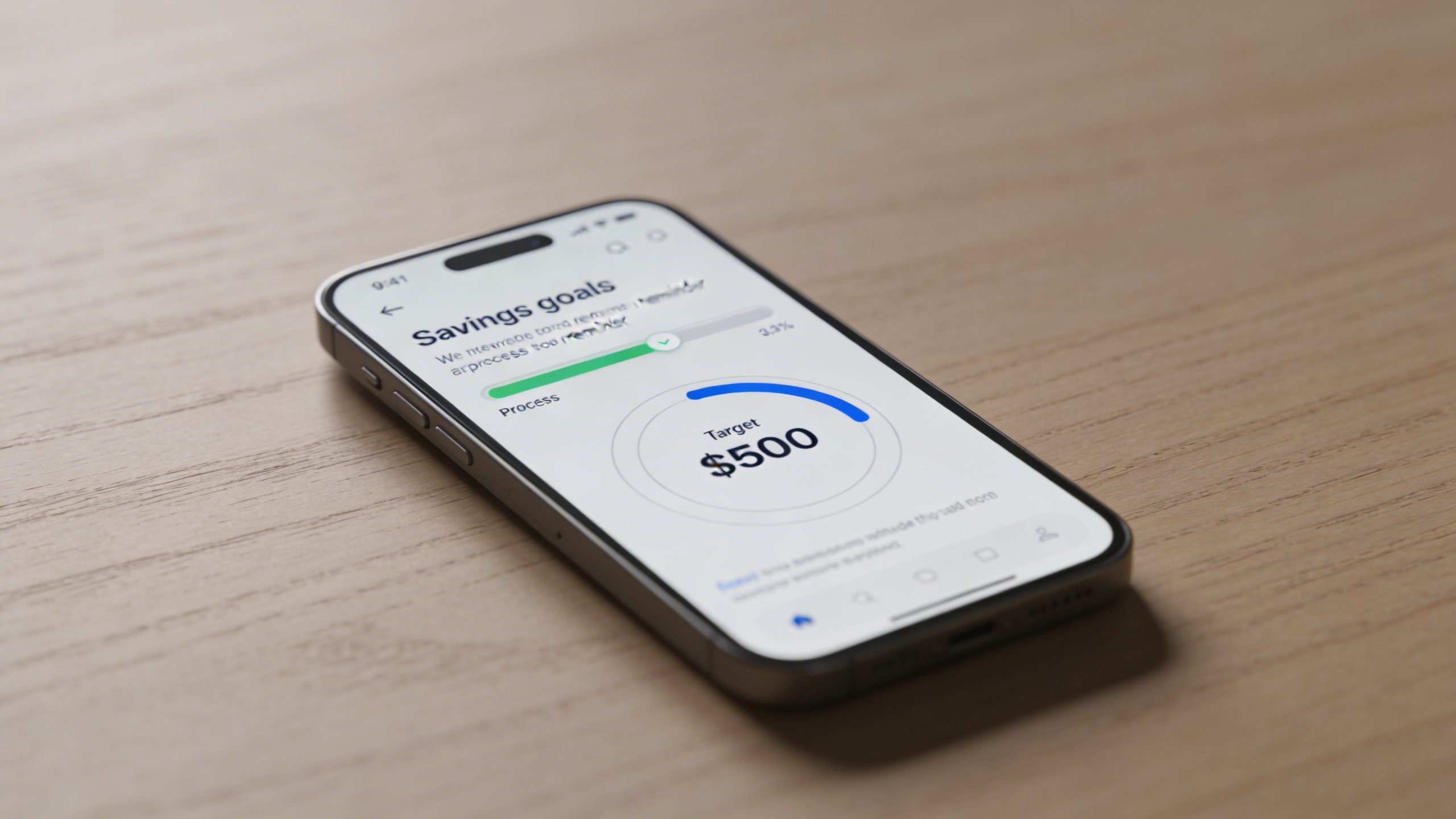
Motivation often hinges on how you feel about money, not just how much you save. Smart spending means aligning purchases with your values.
- Differentiate needs vs. wants in real time. Ask: will this help me reach my goal?
- Time your purchases with a cooling-off period: 24 hours for small treats, 7 days for bigger items.
- Use friction: require two steps to buy, or move money to a separate “fun” account first.
A quick framework for impulse buys
– Pause: take 30 seconds to breathe and reassess.
– Verify: does this item serve a current goal or craving?
– Decide: buy, wait, or pass. Record your decision for future learning.
Consistency beats brilliance, but brilliance helps
You don’t need to be a budgeting wizard to win. Consistency compounds, and occasional flashes of brilliance give you momentum.
Ways to stay consistent without burning out
– Create a simple weekly ritual: 15 minutes to review your money, answer one question, and set one action.
– Schedule reset days: once a month, do a quick health check of your goals and adjust as needed.
– Use a concise, friendly script for yourself: “Today I’ll automate X and review Y.” Short, doable, and repeatable.
FAQ
What if I have debt and can’t see a path to payoff?
Debt can feel like a trap, but you can chip away steadily. Start with a small, sustainable payment to a high-interest balance while keeping minimums on others. Revisit the plan monthly and celebrate any cadence you establish, even if tiny.
How do I stay motivated when income is unpredictable?
Build a flexible plan. Create a base budget for essentials, then have a small “buffer” for lean months. Automate what you can, and keep a separate savings cushion for emergencies. FYI, a stable habit matters more than a perfect paycheck.
Is it okay to reward myself for progress?
Absolutely. Rewards reinforce positive behavior. Pick rewards that don’t sabotage your goals—something affordable and aligned with your values. The key is balance, not deprivation.
How can I make long-term goals feel attainable?
Frame long-term goals as a series of short milestones. For example, if you want to save for a down payment, set monthly targets and celebrate each milestone. Visual progress helps you stay motivated when the finish line feels far away.
What if I lose motivation entirely?
Take a breather, then reboot with one tiny action: open your budget, adjust one category, or automate one transfer. Sometimes momentum returns after you prove to yourself you can take one small step.
Conclusion
Staying motivated on your financial journey isn’t about roaring willpower or perfect spreadsheets. It’s about making the process easy to repeat, rewarding in small—but real—ways, and treating setbacks as part of the game, not the end of the game. Build a routine that fits your life, lean into micro-goals, and keep your why somewhere you’ll see it every day. IMO, if you can do these things, you’ll find that motivation follows actually doing the work—not the other way around. So start small, stay steady, and watch your finances—and your confidence—grow. You’ve got this.