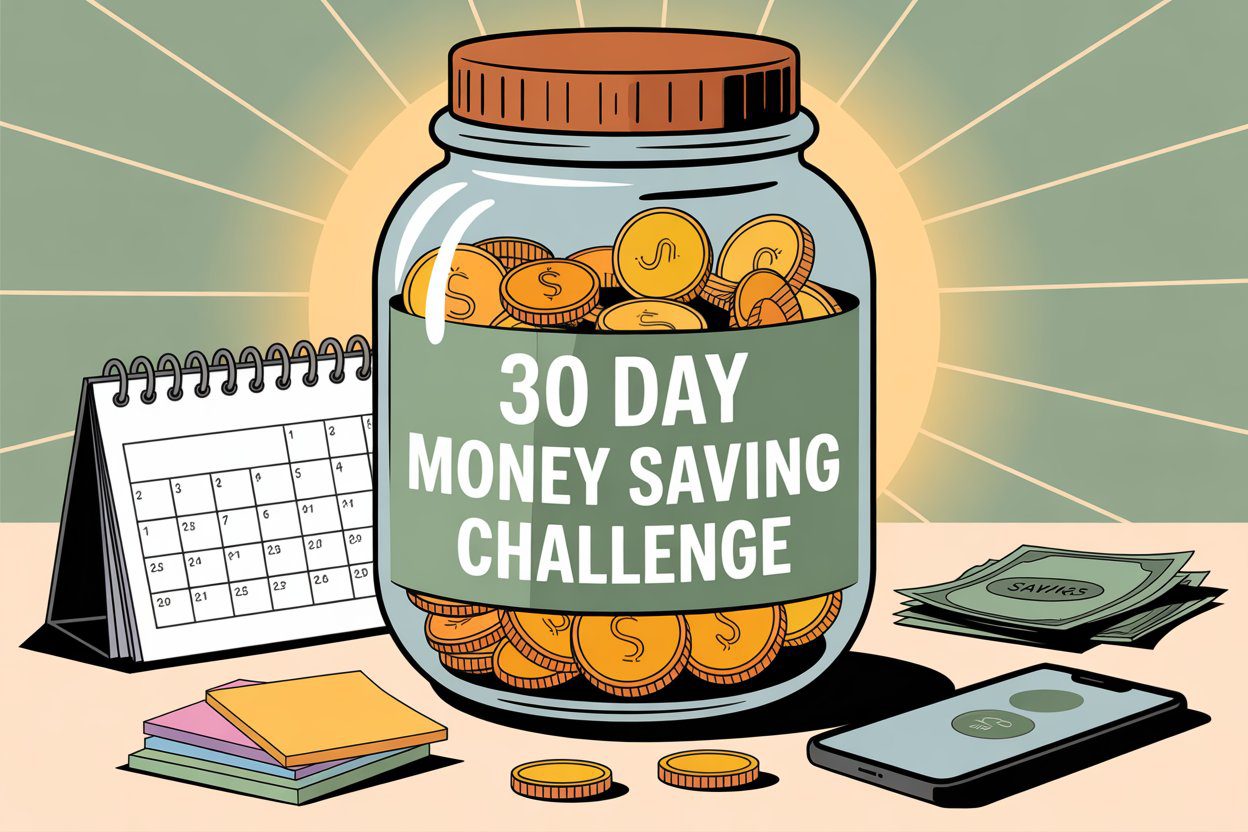
30 Day Money Saving Challenge for Beginners
Let me be honest with you. I used to think saving money meant living like a monk, eating ramen every day, and saying “no” to literally everything fun. Spoiler alert: that’s not saving — that’s torture.
Then I tried my first 30 day money saving challenge beginners style plan, and it completely changed how I looked at money. Instead of feeling deprived, I actually felt in control. Ever felt like your paycheck disappears before you even blink? Yeah… same.
In this article, I’m going to walk you through a realistic, beginner-friendly 30-day plan that helps you build saving habits without making life miserable. No extreme frugality. No financial boot camp. Just smart, simple, and doable steps — with a little humor along the way 😄.
If you’re tired of living paycheck to paycheck, keep reading. This challenge might be the reset your wallet needs.
Why a 30-Day Challenge Works Better Than “I’ll Save Later”

Let’s be real. Saying “I’ll start saving next month” is basically the financial version of “I’ll start my diet on Monday.” We both know how that ends.
A 30 day money saving challenge beginners plan works because it gives you structure, momentum, and clear daily actions. You don’t wake up overwhelmed — you just follow small steps.
Here’s why it works so well:
- You build habits, not willpower — habits stick longer.
- You see quick wins — and that motivates you to continue.
- You reduce money stress — because you finally have a system.
- You learn your spending patterns — which is priceless.
Ever noticed how gym challenges feel easier than random workouts? Same logic applies here.
Before You Start: Your Money Reset Day

Before jumping into the 30 days, take one day to prepare. Think of this as your “money detox day.”
Step 1: Check your bank reality (no avoiding it 👀)
Open your bank app and actually look at your spending. Don’t judge yourself — just observe.
Ask yourself:
- Where does most of my money go?
- Do I spend more on food, shopping, or entertainment?
- Am I shocked… or very shocked? 😅
Step 2: Set your savings goal
Pick a clear goal. Examples:
- Save $500 in 30 days
- Build a $1,000 emergency fund
- Stop using credit cards for 30 days
Write it down. Seriously. Goals in your head don’t count.
Your Simple 30-Day Money Saving Challenge Plan
This challenge follows a mix of daily habits and weekly themes. You won’t hate your life, I promise.
Days 1–7: Awareness Week (Track Everything)
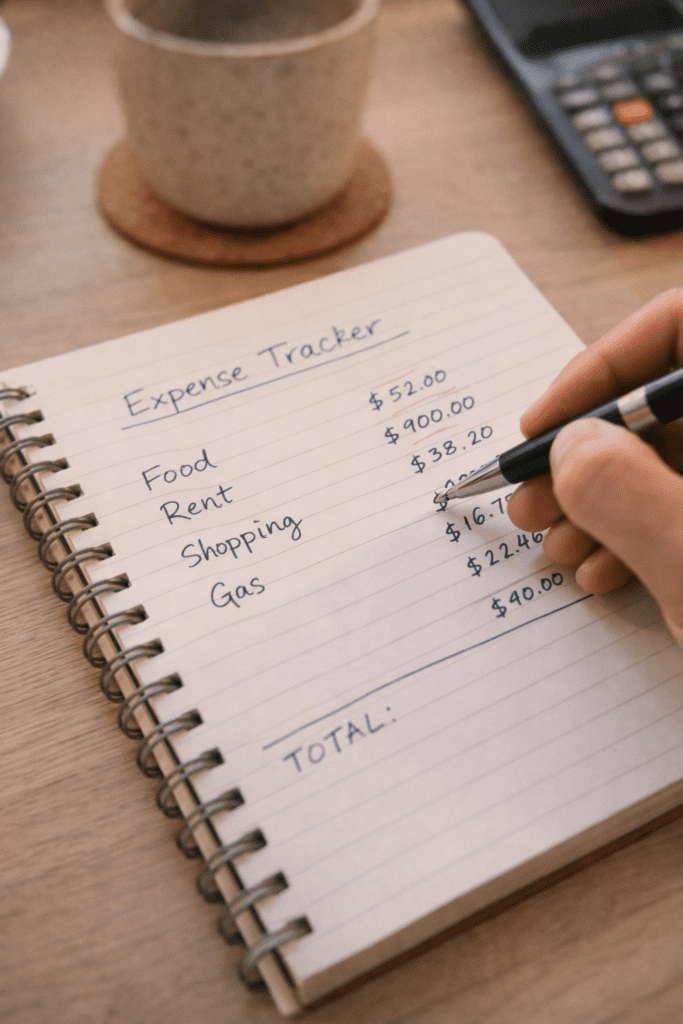
This week is all about watching your money, not restricting it.
Your daily task:
- Write down every dollar you spend.
- No excuses. Coffee? Write it. Gas? Write it. Snacks? Write it.
You’ll quickly see patterns like:
- “Wow, I spent $120 on takeout.”
- “Why did I buy that random Amazon thing?”
FYI — this part can feel uncomfortable, but it’s necessary.
Days 8–14: Cut Back, Don’t Cut Out

Now you start making small changes, not drastic ones.
Try these swaps:
- Eat out 2 fewer times per week
- Brew coffee at home at least 3 days
- Cancel one subscription you don’t really use
- Say no to one impulse purchase
Instead of “I’ll never eat out again,” try “I’ll eat out less.” See the difference?
Days 15–21: No-Spend Mini Challenge
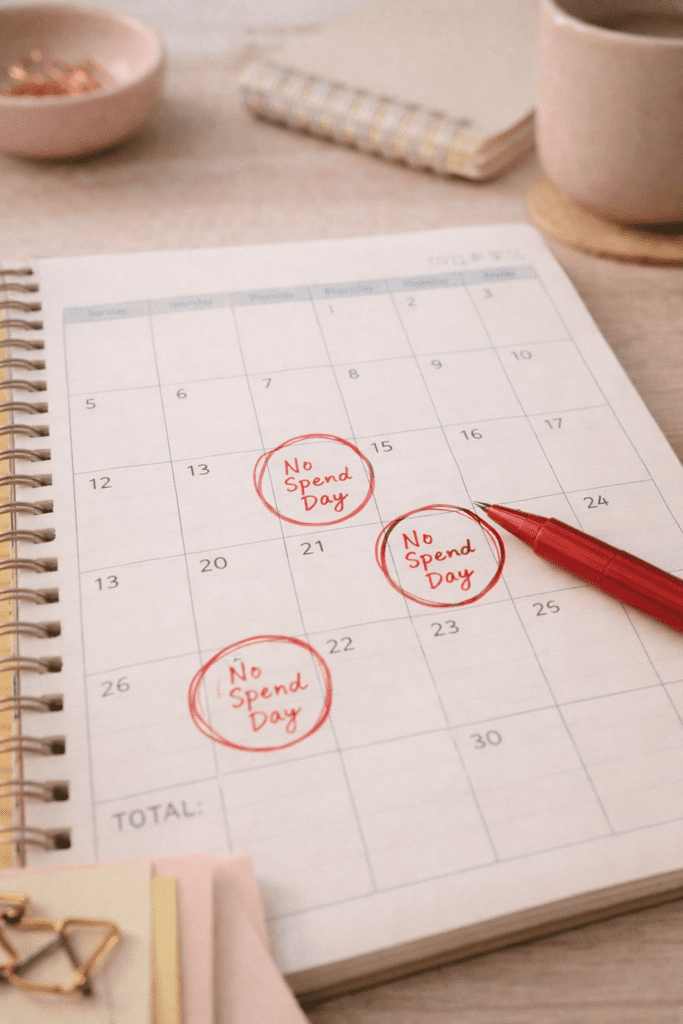
Pick 3 no-spend days this week. On these days:
- No shopping
- No takeout
- No impulse buys
You can still buy essentials like gas or groceries. The goal is to break emotional spending habits.
Ever noticed how boredom makes you shop? Yeah, that’s what we’re fighting here.
Days 22–30: Save with Purpose
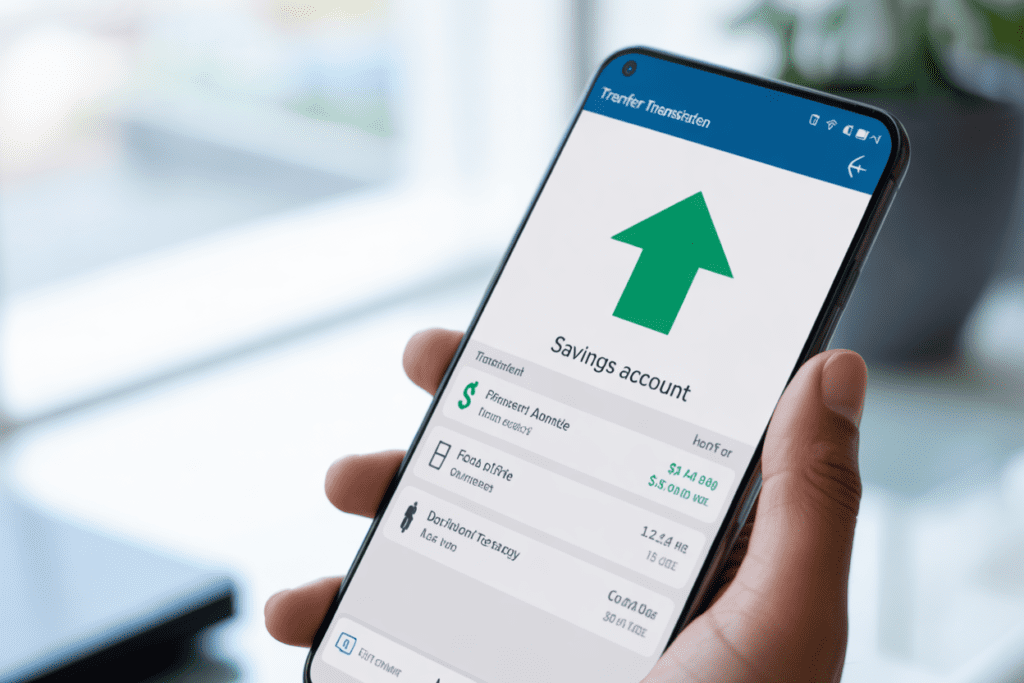
Now you actually move money into savings.
Try one of these:
- Transfer $10–$20 per day into savings
- Put all extra cash into your goal
- Deposit side hustle income directly into savings
By day 30, you’ll likely have more saved than you expected.
Simple Money Rules That Make This Easier
You don’t need fancy finance tricks. Just follow these smart habits.
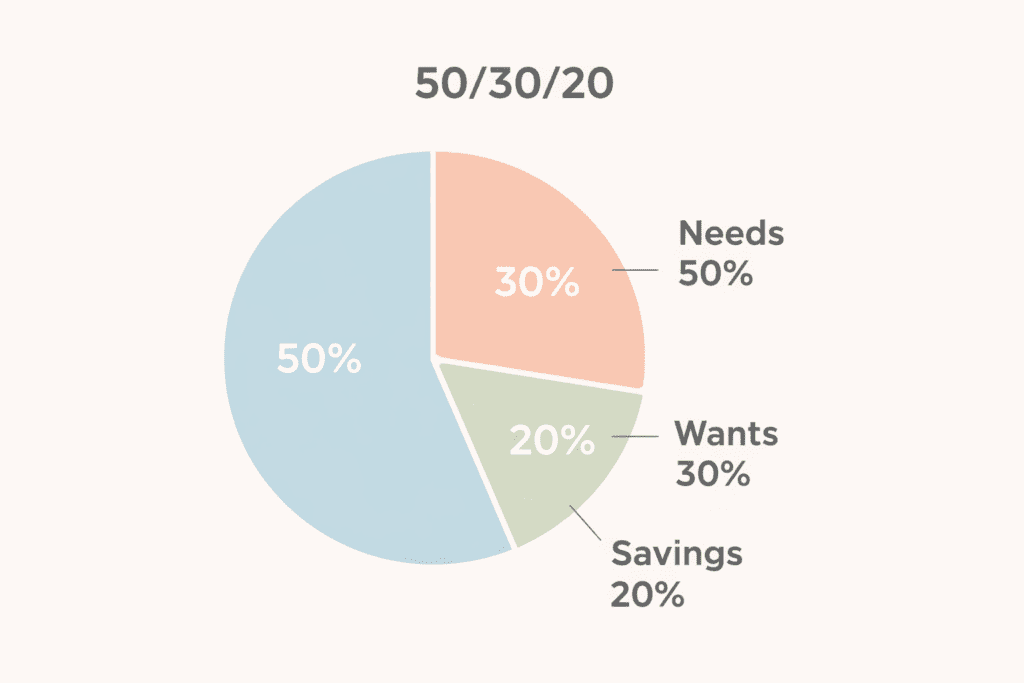
The 50/30/20 rule (super beginner-friendly)
- 50% needs — rent, food, bills
- 30% wants — dining, shopping, fun
- 20% savings — your future self thanks you
IMO, this is one of the easiest budgeting systems ever. 🙂
Use cash for problem categories
If you overspend on:
- Food
- Clothes
- Entertainment
Use cash instead of cards. Physically handing over money hurts more — in a good way.
Common Mistakes Beginners Make (and how to avoid them)

Let me save you some pain.
Mistake #1 — Being too extreme
If you cut everything at once, you’ll quit by day 5. Be realistic.
Mistake #2 — Not tracking progress
You must track your savings. Otherwise, it feels pointless.
Mistake #3 — Comparing yourself to others
Your journey is yours. Someone saving $2,000 a month doesn’t mean you’re failing.
How to Stay Motivated for 30 Days

Motivation fades, but systems keep going.
Try these:
- Put your savings goal on your phone wallpaper
- Celebrate small wins
- Tell a friend about your challenge
- Reward yourself (cheaply) at the end
Ever tried celebrating saving $100 with a fancy dinner? Yeah… that defeats the purpose 😂.
Easy Lifestyle Swaps That Save Real Money
You don’t need to suffer to save.
Food & drinks
- Make coffee at home
- Pack lunch 2–3 days weekly
- Cook in batches
Shopping
- Wait 48 hours before buying
- Unsubscribe from marketing emails
- Avoid “just browsing”
Entertainment
- Free parks instead of movies
- Game nights instead of bars
- Library books instead of buying
Small changes add up fast.
Tracking Your Progress (super important 📊)
Use one of these:
- Notes app
- Google Sheets
- A budgeting app
Write down:
- Money saved
- Money spent
- Lessons learned
At the end of 30 days, review everything. You’ll be shocked.
What Happens After 30 Days?
Here’s the cool part. You won’t want to stop.
Most people:
- Keep tracking spending
- Continue saving daily
- Feel less stressed about money
This challenge isn’t just about saving once — it’s about building a new mindset.
Final Thoughts (and a little real talk)

This 30 day money saving challenge beginners plan isn’t about perfection. It’s about progress.
Some days you’ll win. Some days you’ll slip. That’s okay. The goal is to move forward, not be perfect.
If you stick with this for 30 days, you won’t just have more money — you’ll have more confidence, clarity, and control.
So tell me… are you ready to challenge your wallet? 😉